
Daytona Beach: Earliest racing days
1 of 22
NASCAR Research & Archives Center | Getty Images
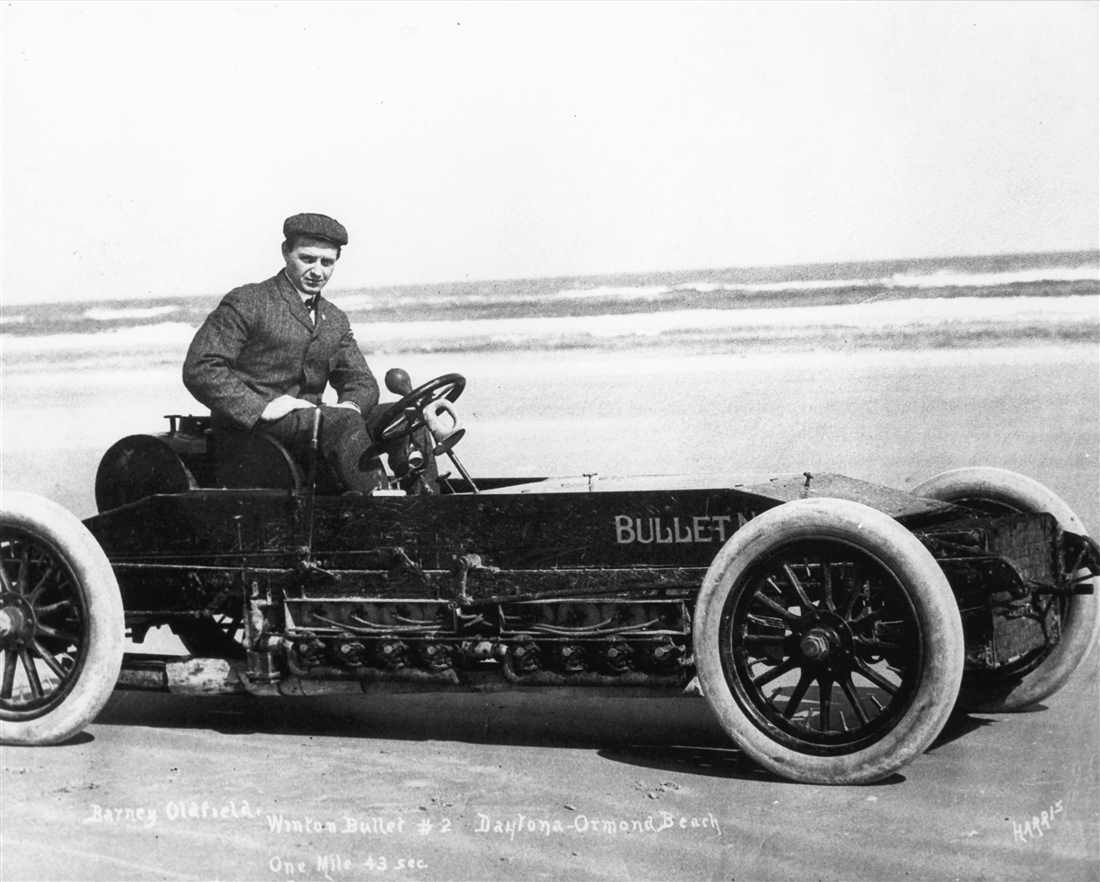
Before races took place at Daytona Beach, there was a precursor of qualifying events as drivers worked to set speed and time records. In 1904, Barney Oldfield ran the Measured Mile on Daytona Beach in 43 seconds, driving the No. 2 Winton Bullet.
2 of 22
NASCAR Research & Archives Center | Getty Images
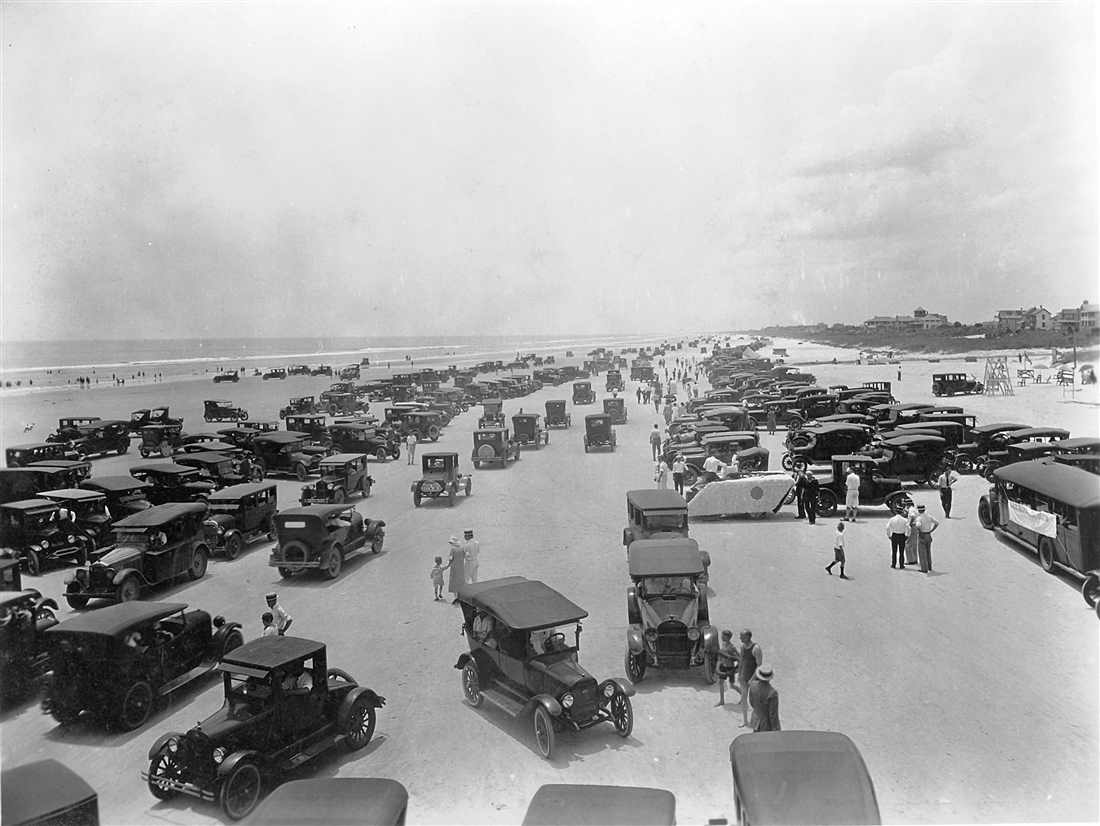
Consider this the "infield" at Daytona in the 1920s. Large crowds showed up as drivers attempted to set speed records on the sand.
3 of 22
NASCAR Research & Archives Center | Getty Images
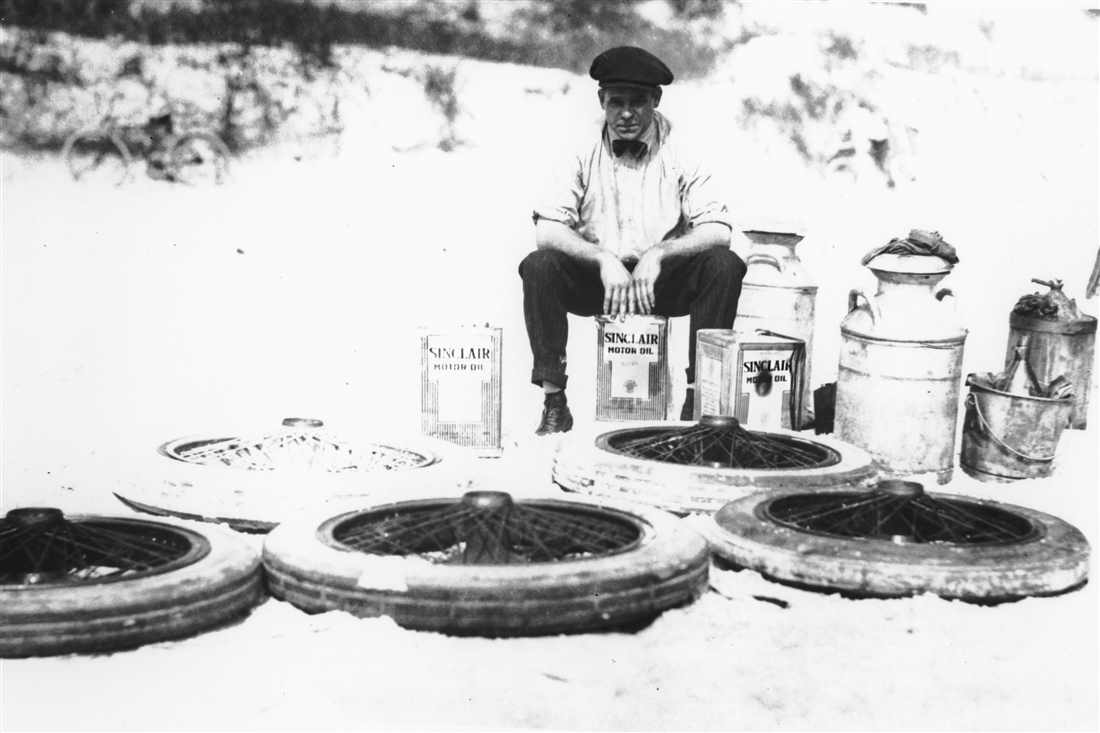
In the 1920s, a mechanic was also the pit crew, and one of his main jobs was to keep watch over extra tires, fuel and oil.
4 of 22
NASCAR Research & Archives Center | Getty Images
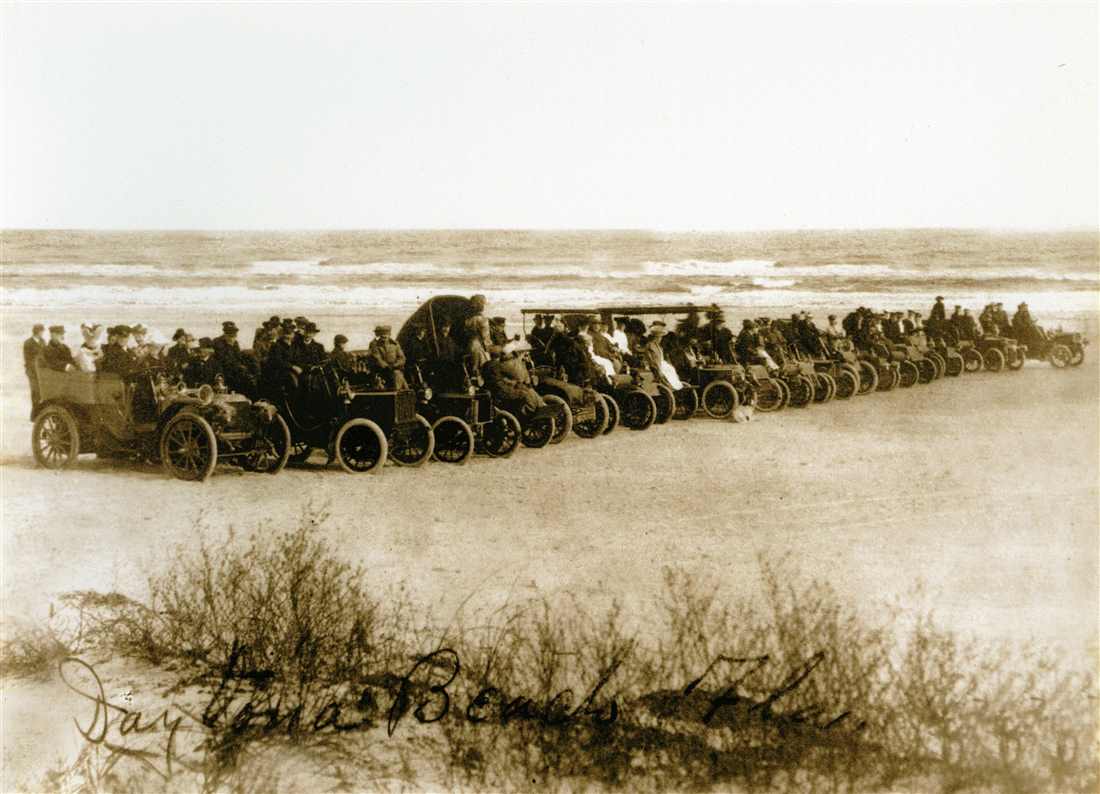
Marketing was born about the same time as racing. This is a 1905 beach publicity photo arranged by the city of Daytona Beach to illustrate the width of the sands.
5 of 22
NASCAR Research & Archives Center | Getty Images
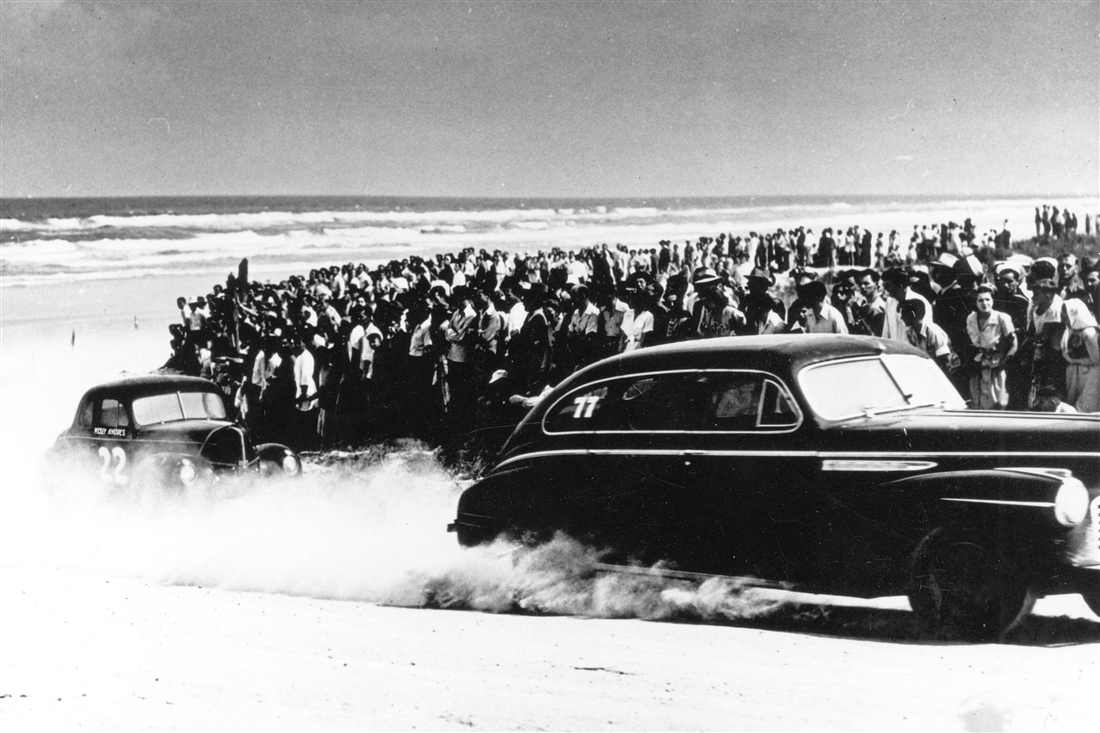
Labor Day was a Daytona Beach event long before it was a Darlington Raceway tradition. Joe Littlejohn (No. 77) kicks up some sand as he keeps his 1938 Ford sedan ahead of Mickey Rhodes during the Labor Day stock-car race on the Daytona Beach Road Course. Littlejohn finished fourth in the event.
6 of 22
NASCAR Research & Archives Center | Getty Images
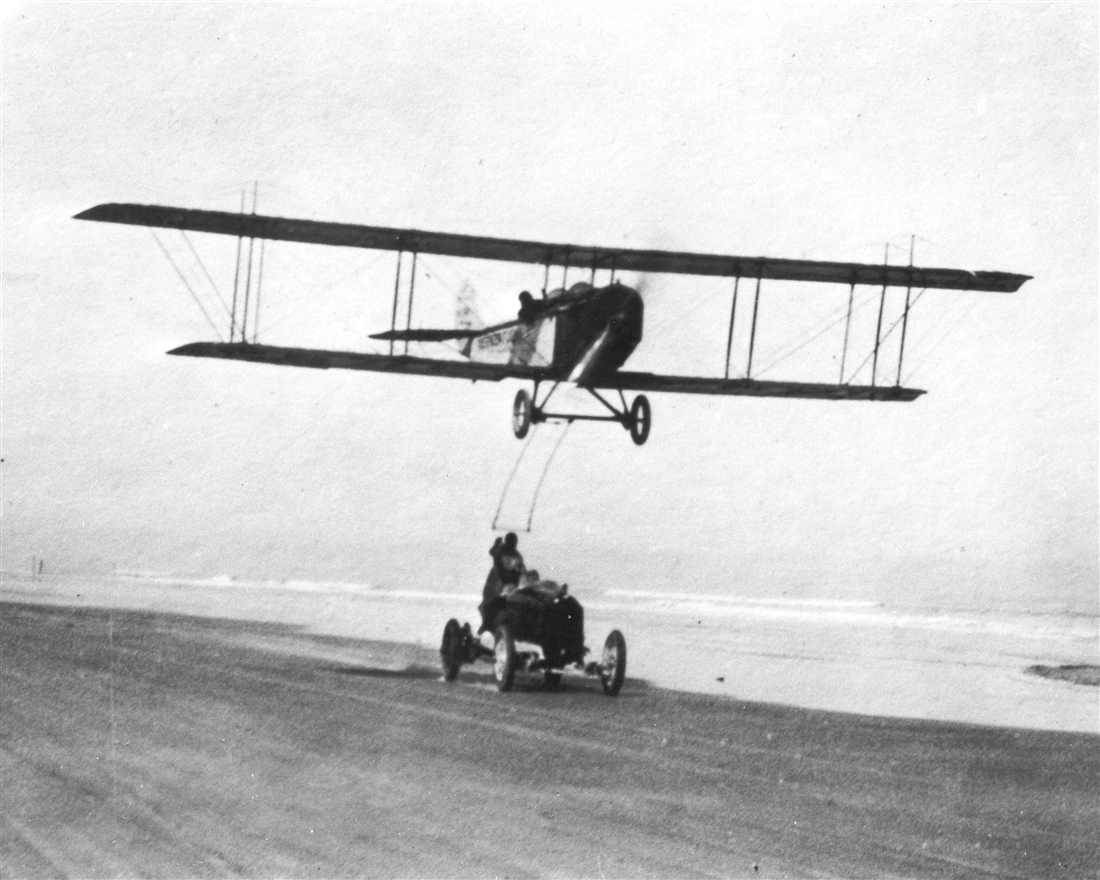
Publicity stunts came along quickly, as well. In 1921, pilot Stuart Davies and stuntman Lynn Walker succeeded in establishing an auto-to-aeroplane transfer record of 80 mph, with the assistance of race car driver Ralph Mulford in his Paige 6-66 on Daytona Beach.
7 of 22
NASCAR Research & Archives Center | Getty Images
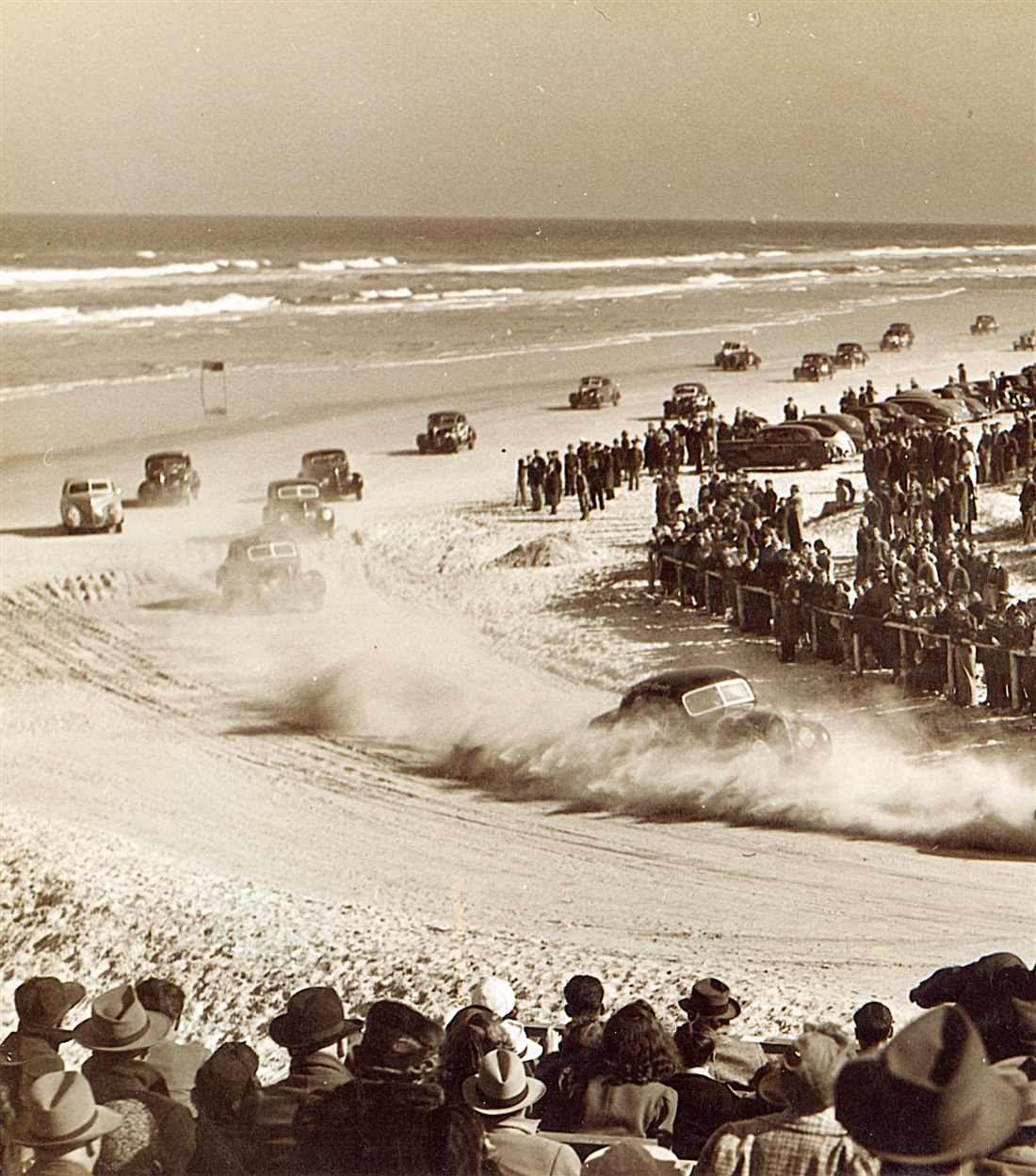
Stock-car racing was gaining in popularity before World War II shut down nearly all forms of racing. Here Bill France Sr. leads the pack around the North Turn in this 1940 beach race. France ran fourth in the March race and won the July event.
8 of 22
NASCAR Research & Archives Center | Getty Images
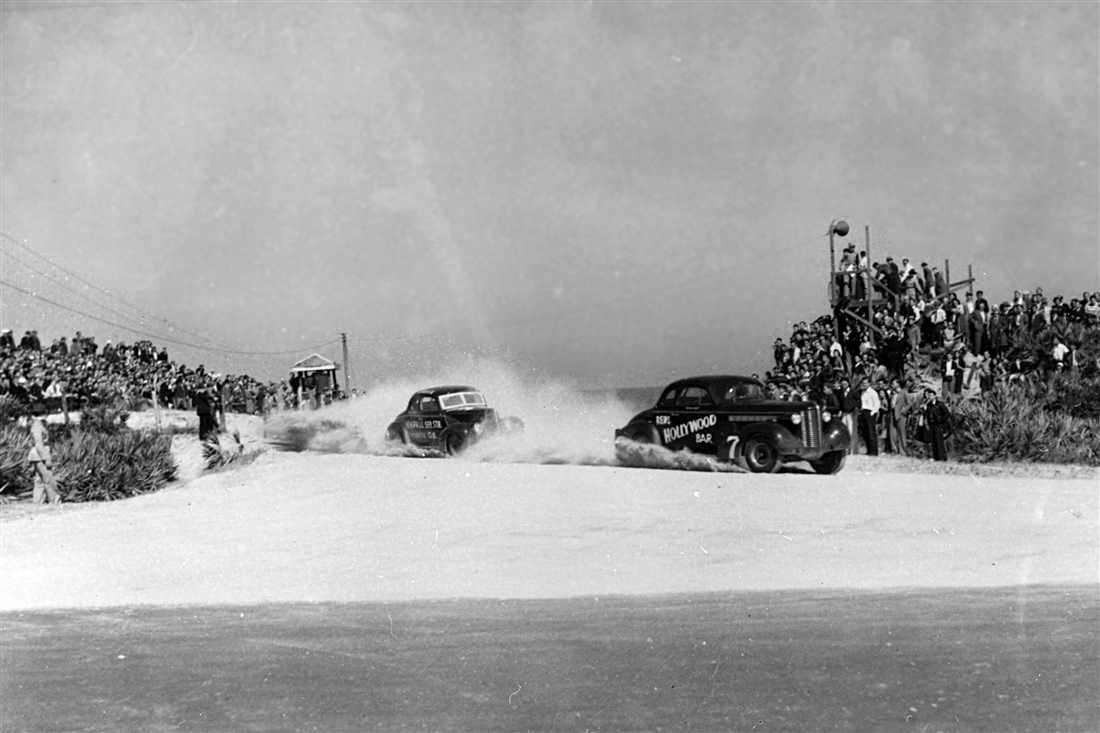
Joe Littlejohn (No. 7), in a 1939 Buick, leads Roy Hall's 1939 Ford off the North Turn of the Daytona Beach Road Course during a 160-mile stock-car race.
9 of 22
NASCAR Research & Archives Center | Getty Images
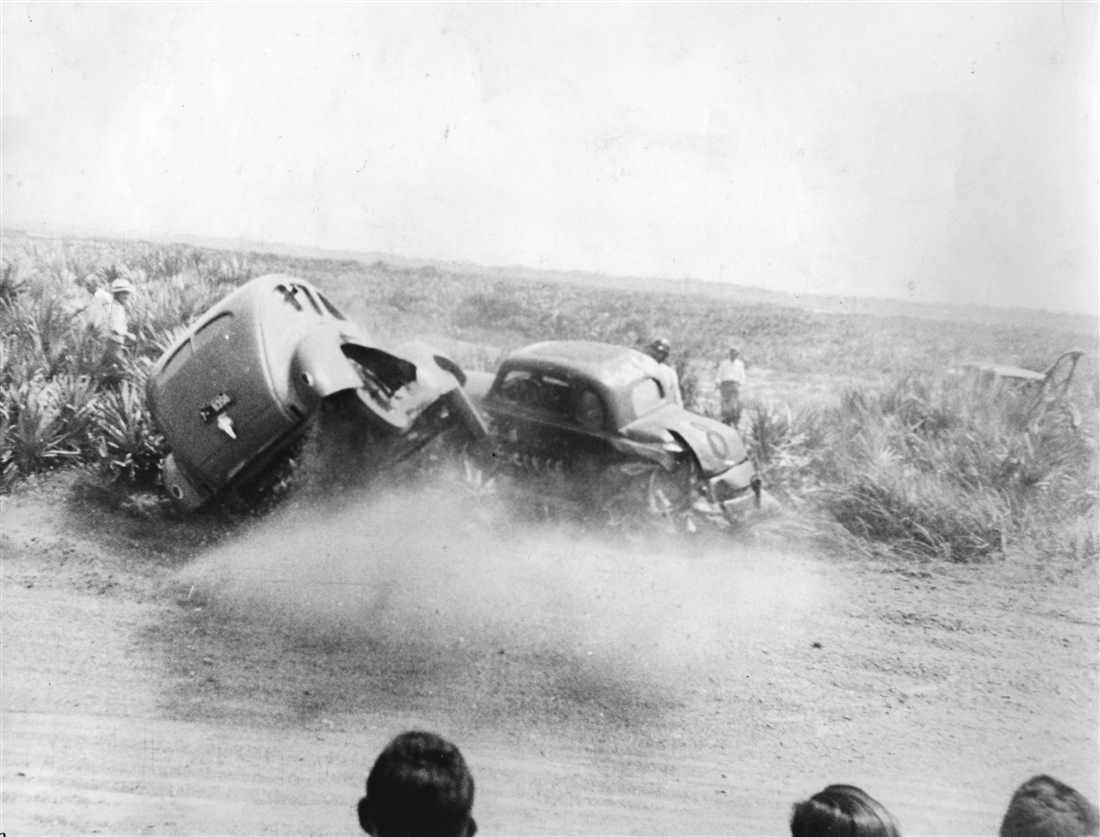
Plenty of cars ended up in the palmetto bushes lining the Daytona Beach Road Course.
10 of 22
NASCAR Research & Archives Center | Getty Images
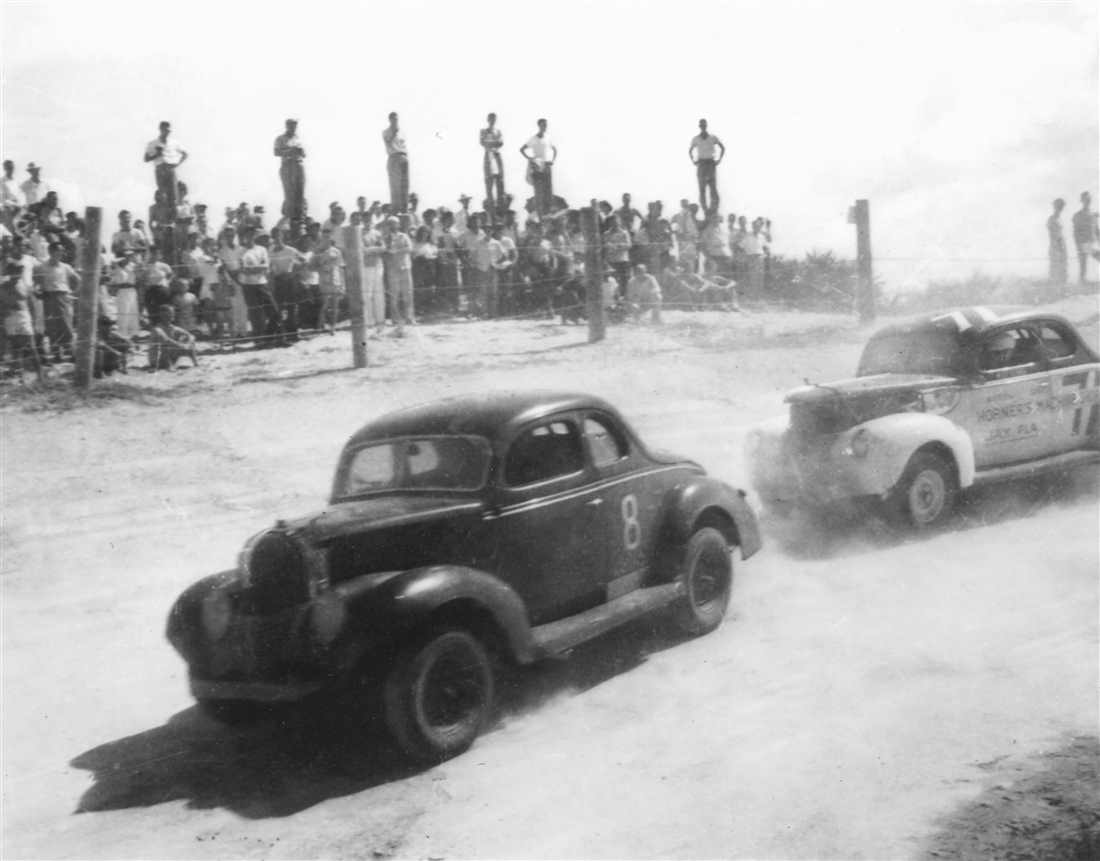
The first NASCAR-sanctioned race was held on Daytona Beach in 1948 for modified-sportsman cars.
11 of 22
NASCAR Research & Archives Center | Getty Images
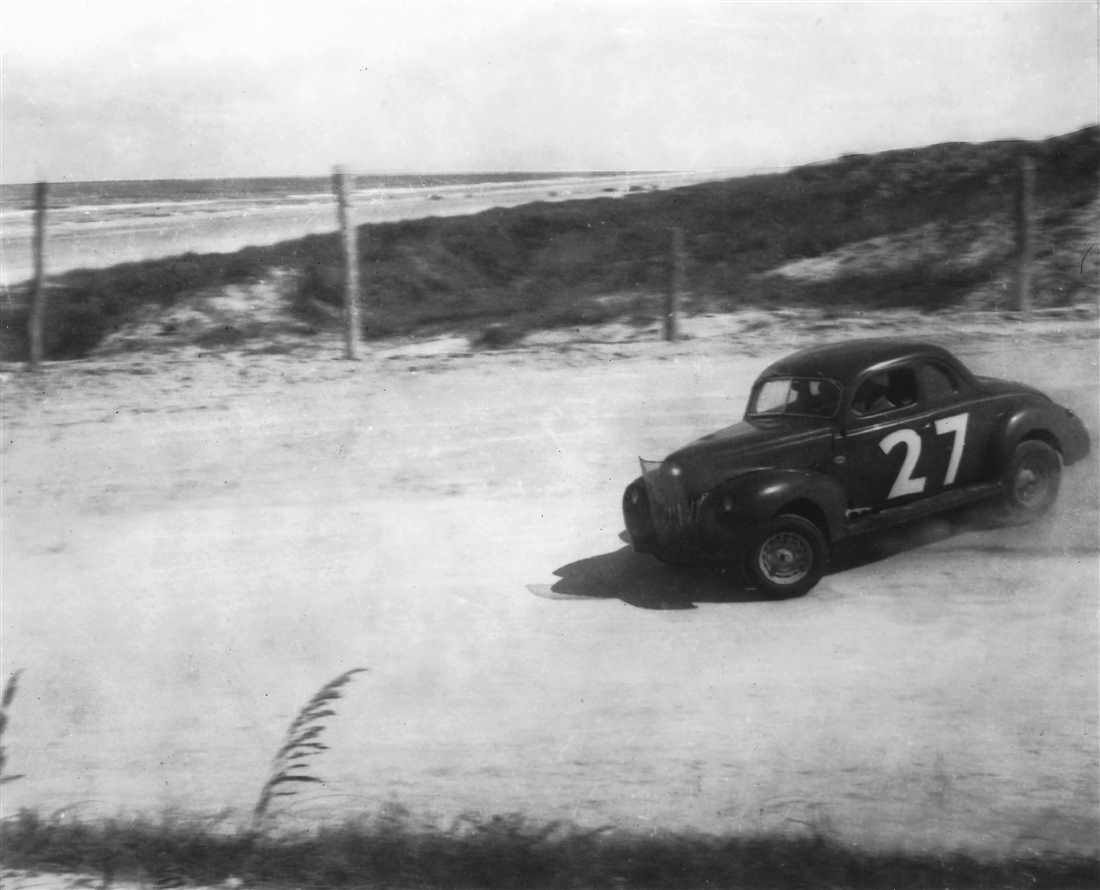
Plenty of NASCAR fans -- and racers -- love dirt-track racing, which often involves slides. Here Paul Sanborn broadslides his Ford through the South Turn of the northernmost original Daytona Beach Road Course in 1947.
12 of 22
NASCAR Research & Archives Center | Getty Images
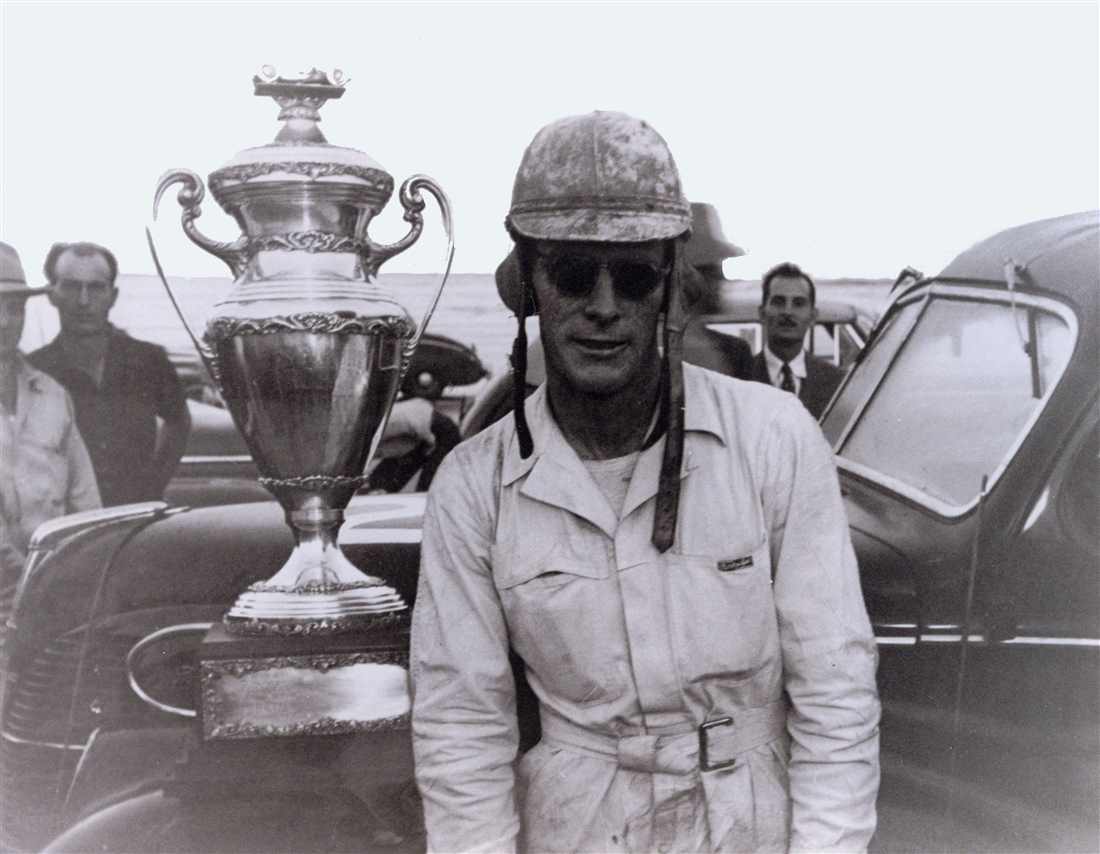
The winner of the first-ever NASCAR sanctioned national points race was Red Byron, who was inducted into the NASCAR Hall of Fame in the Class of 2018.
13 of 22
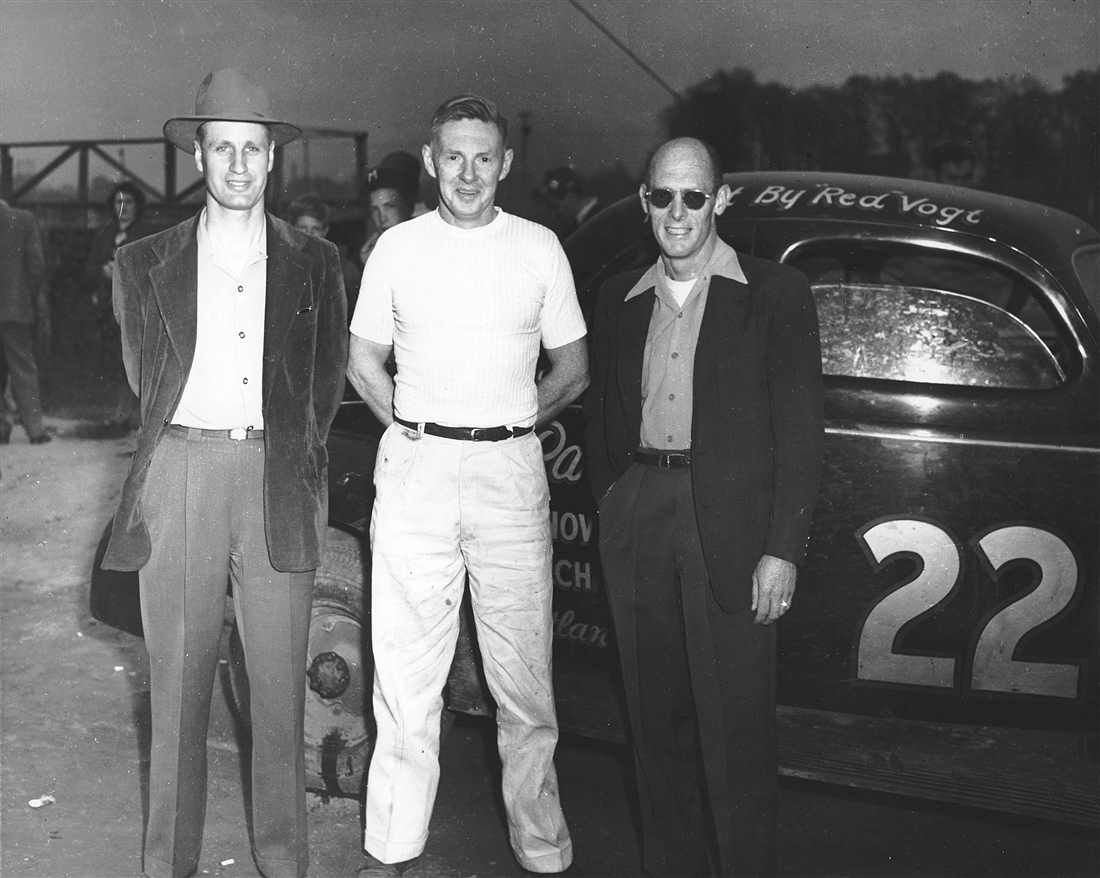
NASCAR Research & Archives Center | Getty Images
Car owner Raymond Parks, mechanic Red Vogt and driver Red Byron pose next to the Parks Modified '39 Ford stock car the team used to win the very first sanctioned NASCAR race.
14 of 22
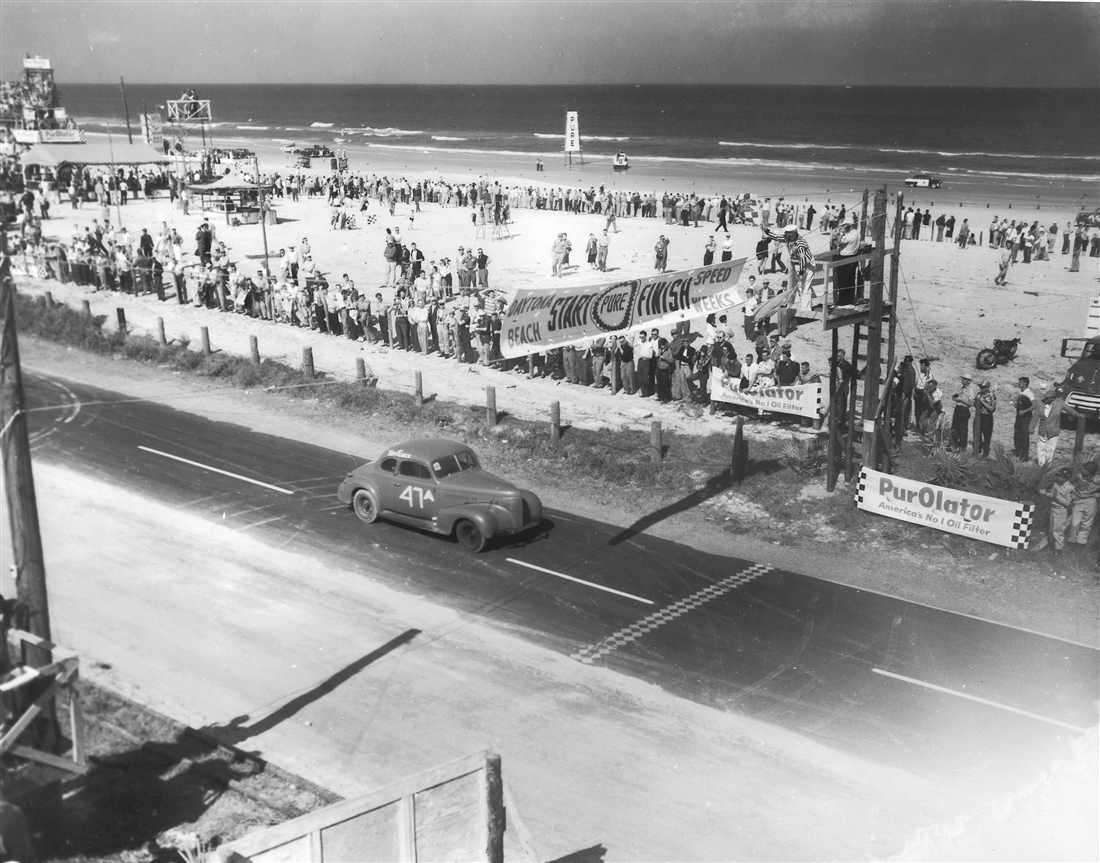
NASCAR Research & Archives Center | Getty Imagess
With the ocean in the background, Tim Flock crosses the start-finish line during one of the early races on the Daytona Beach Road Course.
15 of 22
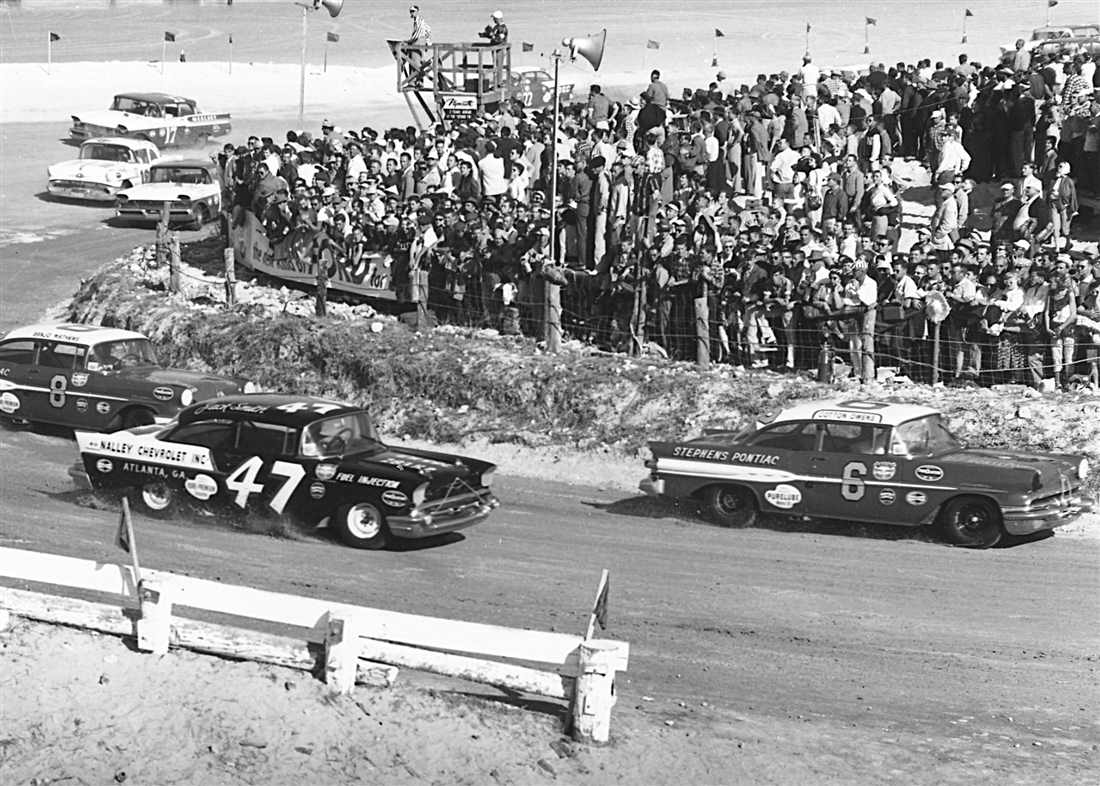
NASCAR Research & Archives Center | Getty Images
"Black Widows" came to the beach in 1957. As a part of factory involvement in NASCAR racing, Chevrolet launched an operation in Atlanta where cars were built and distributed to select drivers. These cars were black and white 1957 Chevys, coined "Black Widows." Drivers at the beginning of the season included Jack Smith (No. 47), Buck Baker, Speedy Thompson, Rex White and Frankie Schneider. The famous look was back for the 2016 Southern 500 throwback race with Jeremy Clements honoring the "Black Widow."
16 of 22
NASCAR Research & Archives Center | Getty Images
The modern Speedweeks at Daytona International Speedway hearken back to NASCAR's early years. Here, Modified Sportsman cars round a turn during 1953's Speedweeks.
17 of 22
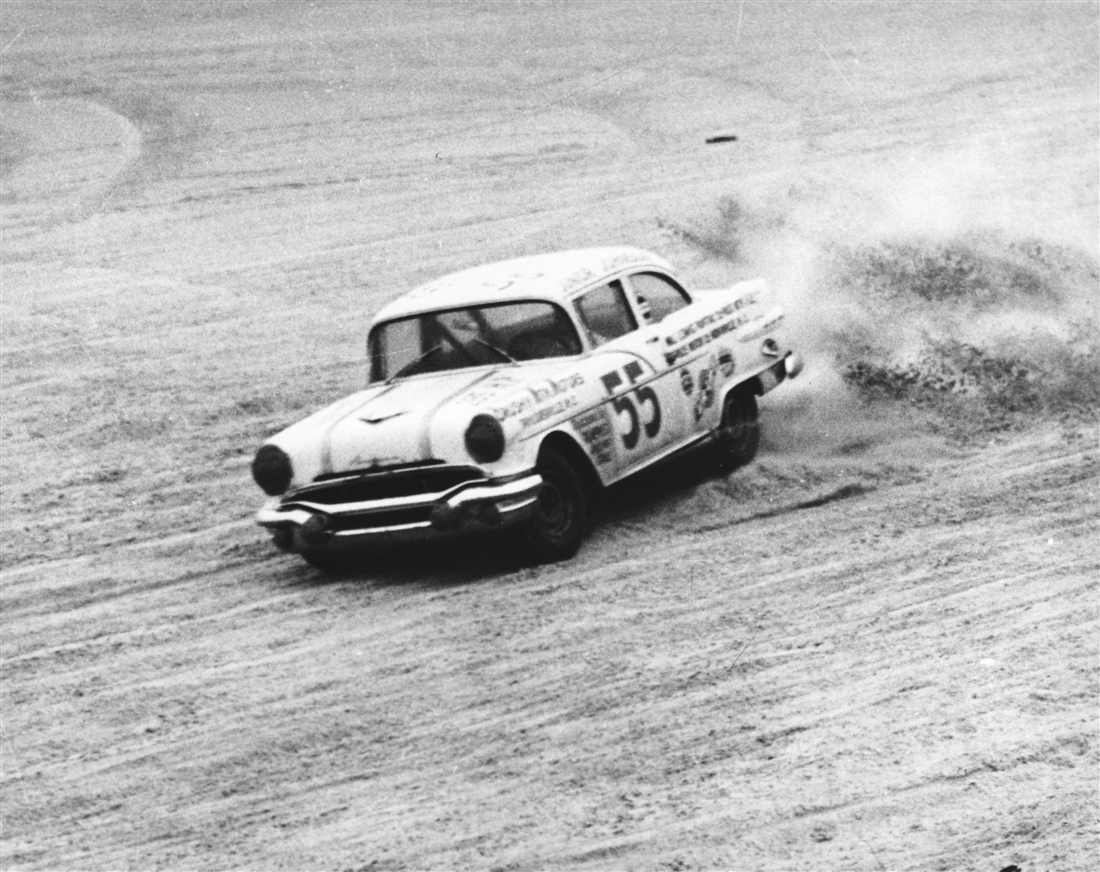
NASCAR Research & Archives Center | Getty Images
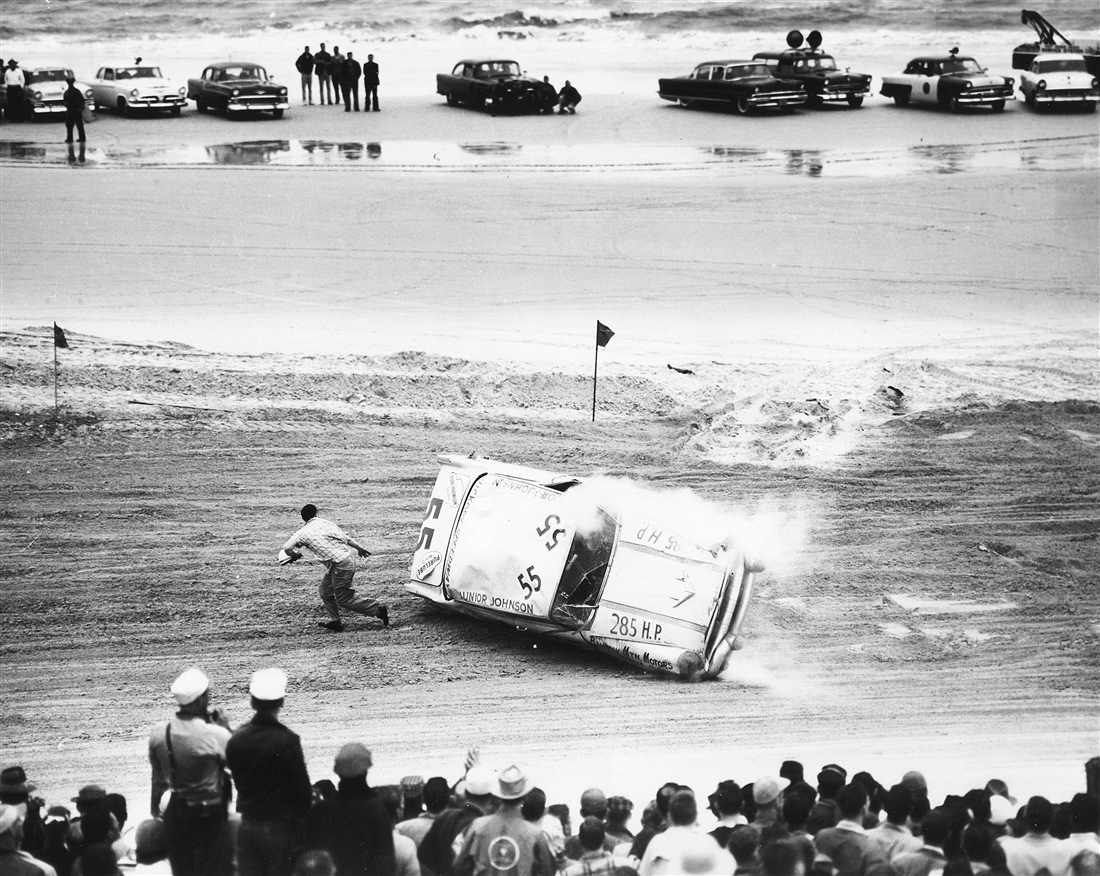
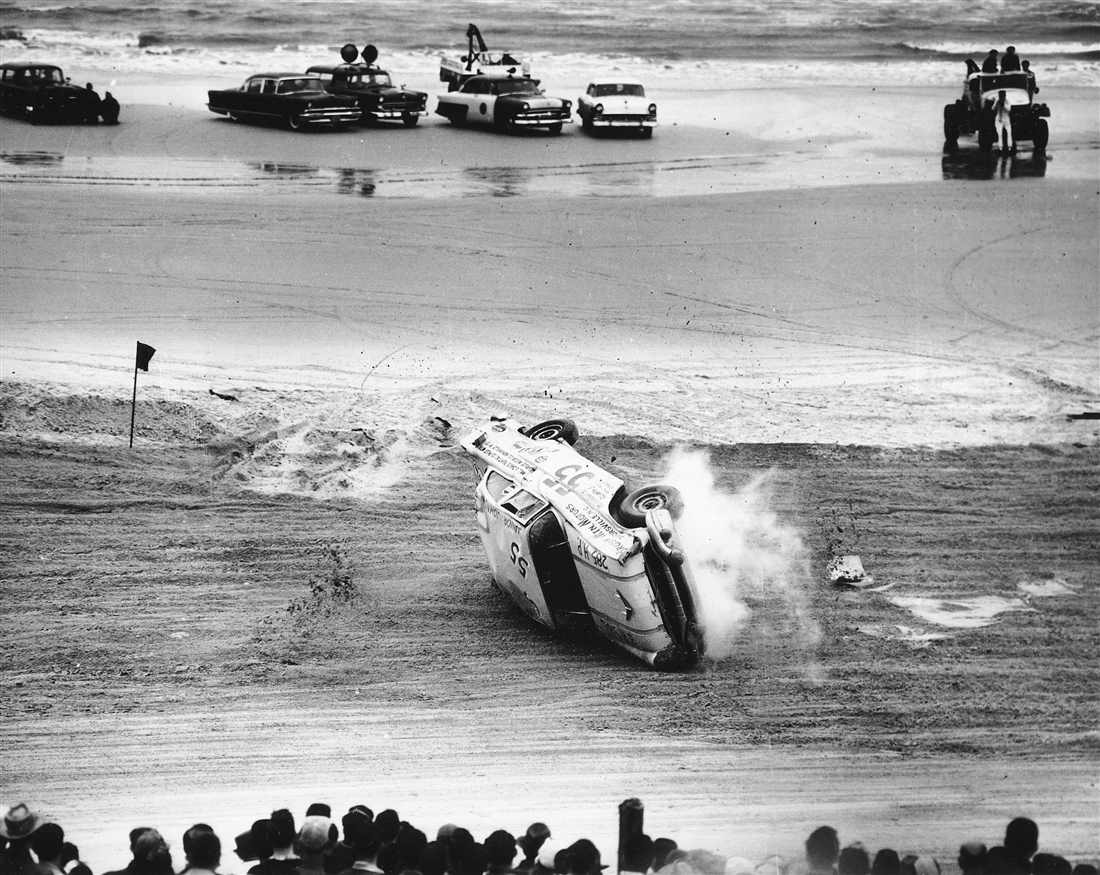
Junior Johnson was particularly aggressive Feb. 26, 1956, in Daytona, spinning his No. 55 car twice prior to barrel-rolling down the beach after catching the sand the wrong way with his front wheels.
18 of 22
NASCAR Research & Archives Center | Getty Images
Junior Johnson's 1956 Pontiac rolled several times down the beach.
19 of 22
NASCAR Research & Archives Center | Getty Images
Junior Johnson escaped uninjured as his Pontiac continued to roll.
20 of 22
.jpg)
NASCAR Research & Archives Center | Getty Images
Junior Johnson eventually crawled out the back window of his wrecked No. 55 car.
21 of 22
NASCAR Research & Archives Center | Getty Images
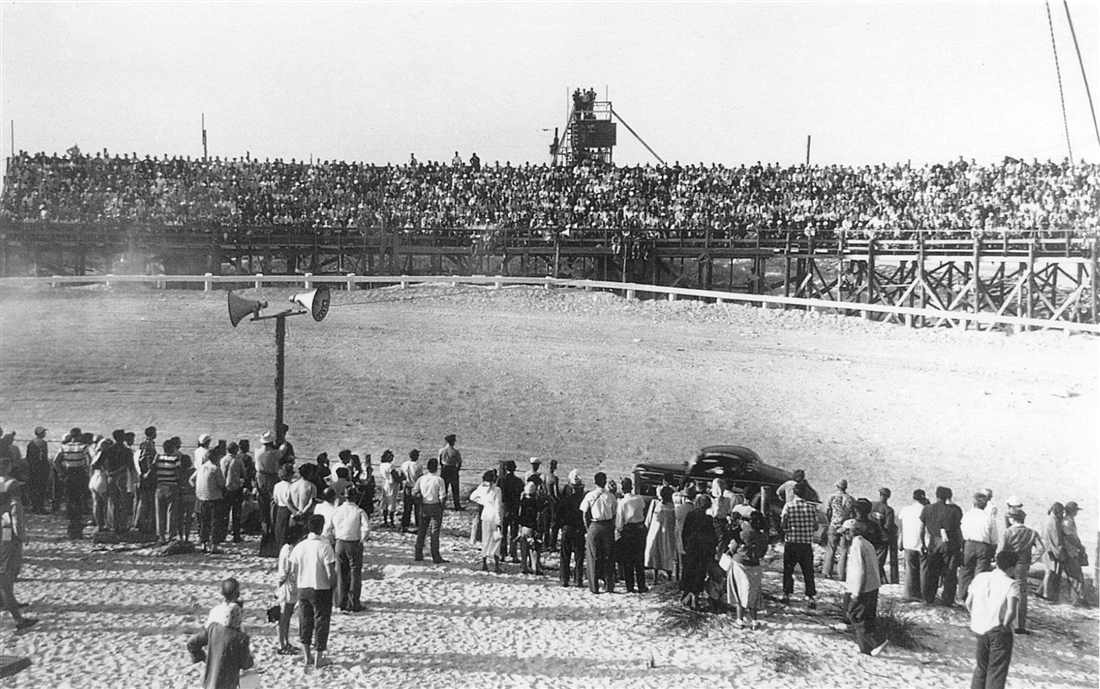
In the days prior to the building of Daytona International Speedway, racing was conducted on the actual sands of Daytona. Huge crowds lined the dunes where the cars roared down the beach straightaway; others were seated in the corner wooden bleachers and along the inside perimeter of the beach-road course.
22 of 22
NASCAR Research & Archives Center | Getty Images
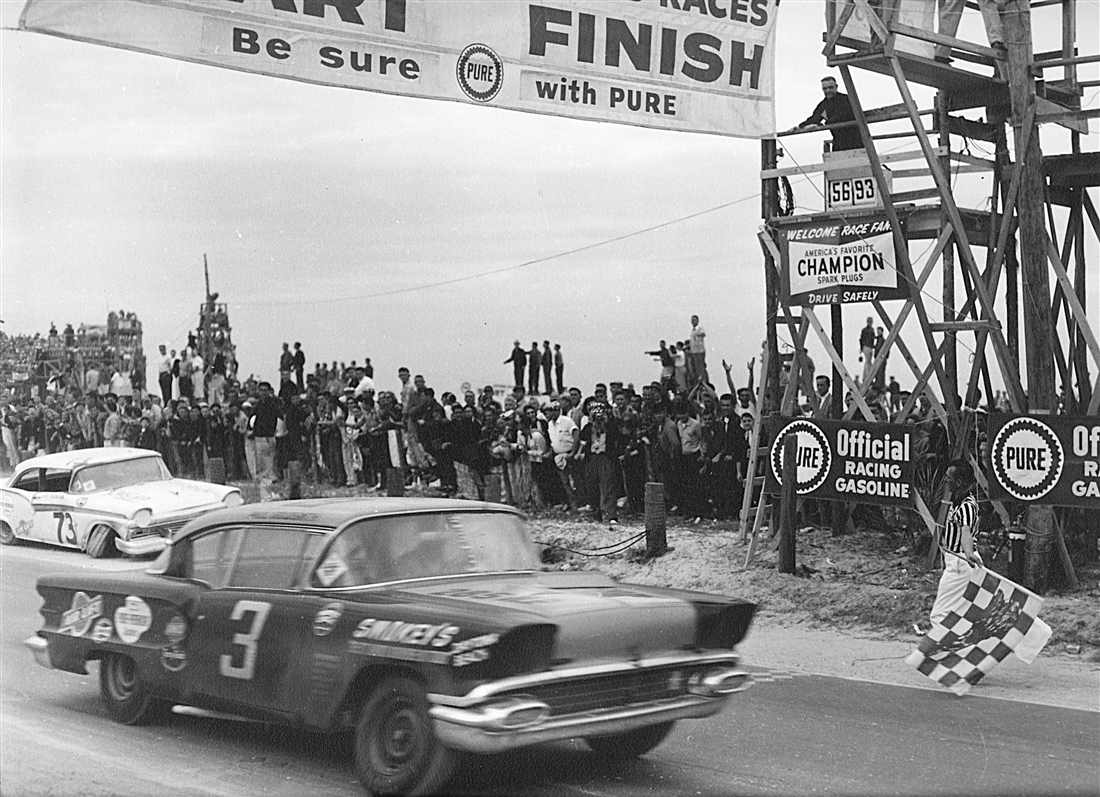
Paul Goldsmith drove Smokey Yunick's '58 Pontiac to victory in the final NASCAR stock car race on the sands of Daytona Beach.