BACK TO GALLERIES
Four cars and teams turning weaknesses into strengths in 2018
By David Smith | Published: April 3, 2018 5
1 of 5
Sarah Crabill | Getty Images
Through the first six events of the 2018 Monster Energy NASCAR Cup Series season, a quartet of teams found success relying on strengths they didn't previously have. Though winless to date, it will likely be because of these strengths that they'll soon find themselves in contention for one of the 16 coveted playoff spots.
2 of 5
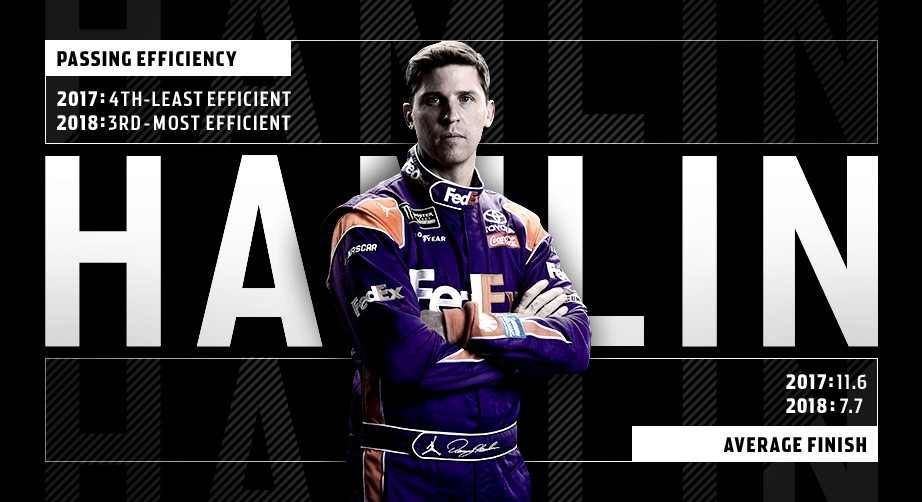
Denny Hamlin, Strength: Passing.Hamlin's 11.6-place average finish in 2017 was the best full-season rate of his career. He's better this year.To appreciate the gains Hamlin made in his long-run game, one must understand that he was a minus passer in each of the last three seasons. He ranked as the fourth-least efficient passer among series regulars last year and his plus-120 adjusted pass differential was 126 positions below the expectation of a driver with his average running spot.Hamlin looks locked in this season while mired in traffic, efficiently passing and consistently defending his position. Since Daytona, he's scored positive pass differentials in every race, amassing 45 spots more than his expectation, making him the third-most efficient passer in the series. This kind of relentless moving, coupled with the fifth-fastest car in the series with Daytona omitted, has yielded a 7.7-place average finish.
3 of 5
Jerry Markland | Getty Images
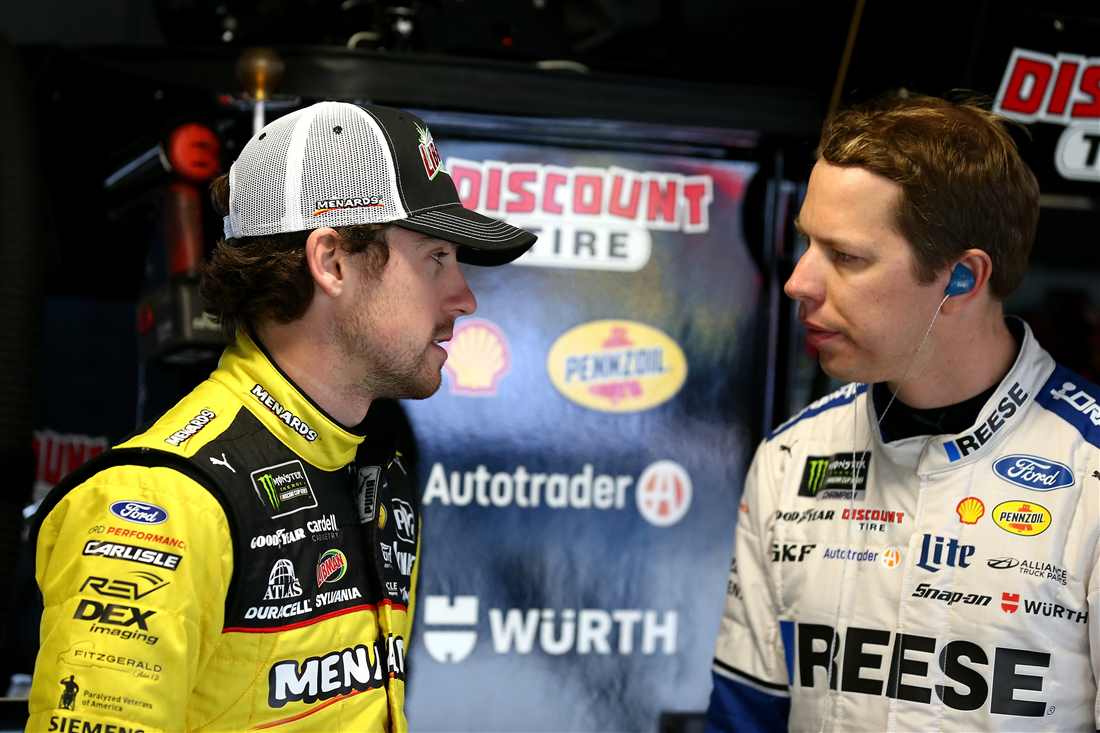
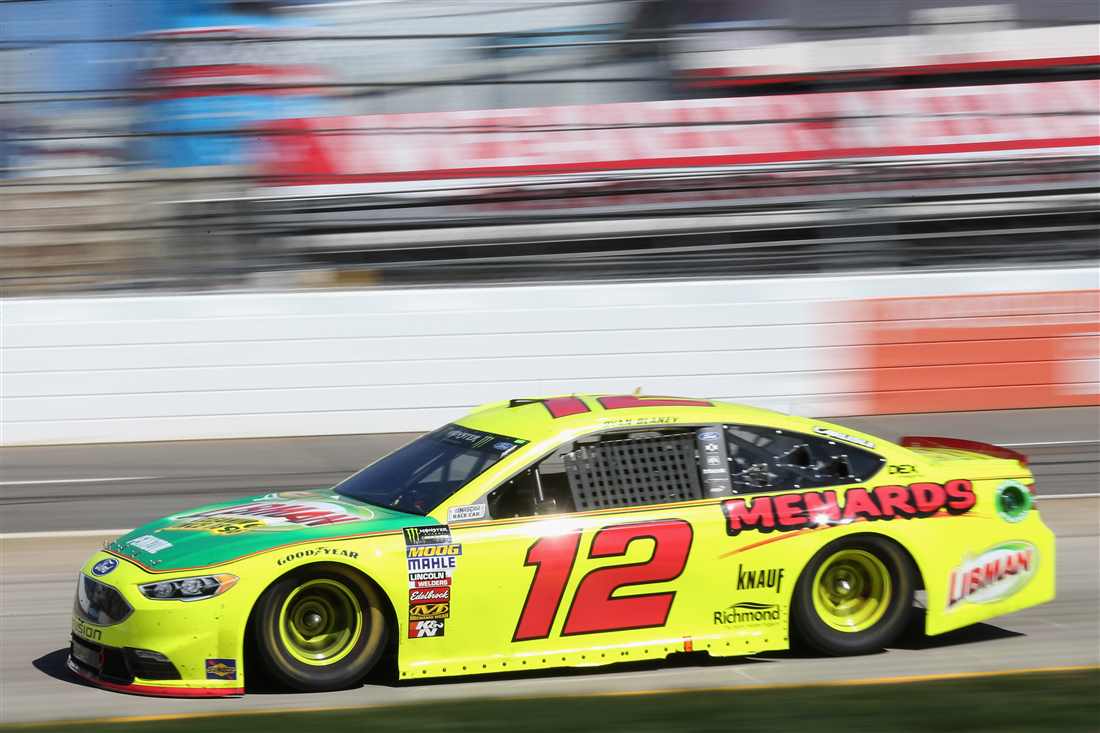
Ryan Blaney, Strength: Pit Strategy.Blaney is averaging a finish nine positions better than his 2017 mark. The 24-year-old driver is maturing into a well-rounded competitor, but the biggest source behind his team's improvement this year sits on the pit box.Crew chief Jeremy Bullins defended Blaney's running position on 75 percent of green-flag pit cycles through the first six races, which included a series-best 18-position net gain. This is a stark contrast from last year's pit stop numbers, which saw Bullins defend Blaney's position just 59 percent of the time and lose 64 spots, the third-largest positional loss in the series.Keeping that track position supplements Blaney on long runs. He was the second-worst passer for his running position in 2017, with an efficiency mark 3.44 percent worse than expected. That hasn't changed in the new year; thus far, he's 3.99 percent worse than assumed, amounting to a pass differential 44 positions below the expectation of someone with his average running position.
4 of 5
Brian Lawdermilk | Getty Images
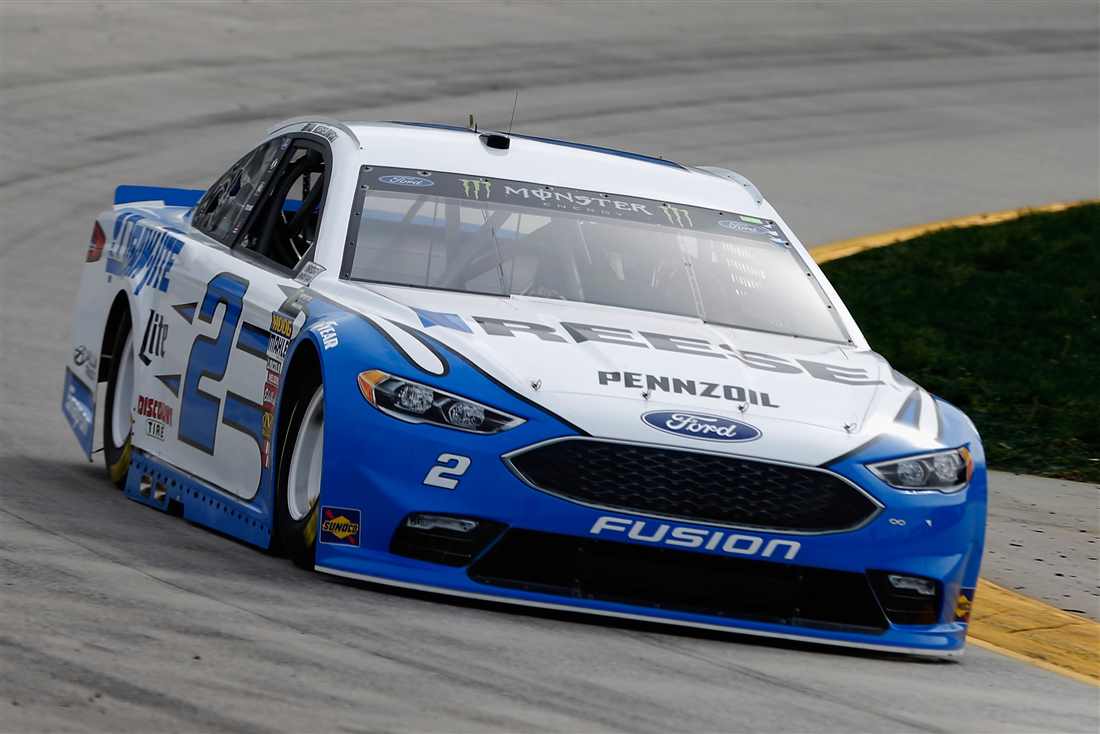
Brad Keselowski, Strength: Restarts.Keselowski sports improved restart numbers. His position retention rate from the non-preferred groove is up 20 percent over last year's effort, while his rate from the preferred groove is up 11 percent, individually ranking as the third and fourth-best in the series for their respective grooves. In all, he's gained 13 spots inside the first two laps following initial starts and restarts.He scored positive pass efficiencies in three of the five non-restrictor plate races, and his Ford ranks as the fourth-fastest in the Cup Series overall. Since Daytona, he's averaged a 7.4-place finish, including a trio of results inside the top six, all coming on tracks 1.5 miles or larger.
5 of 5
Robert Laberge | Getty Images
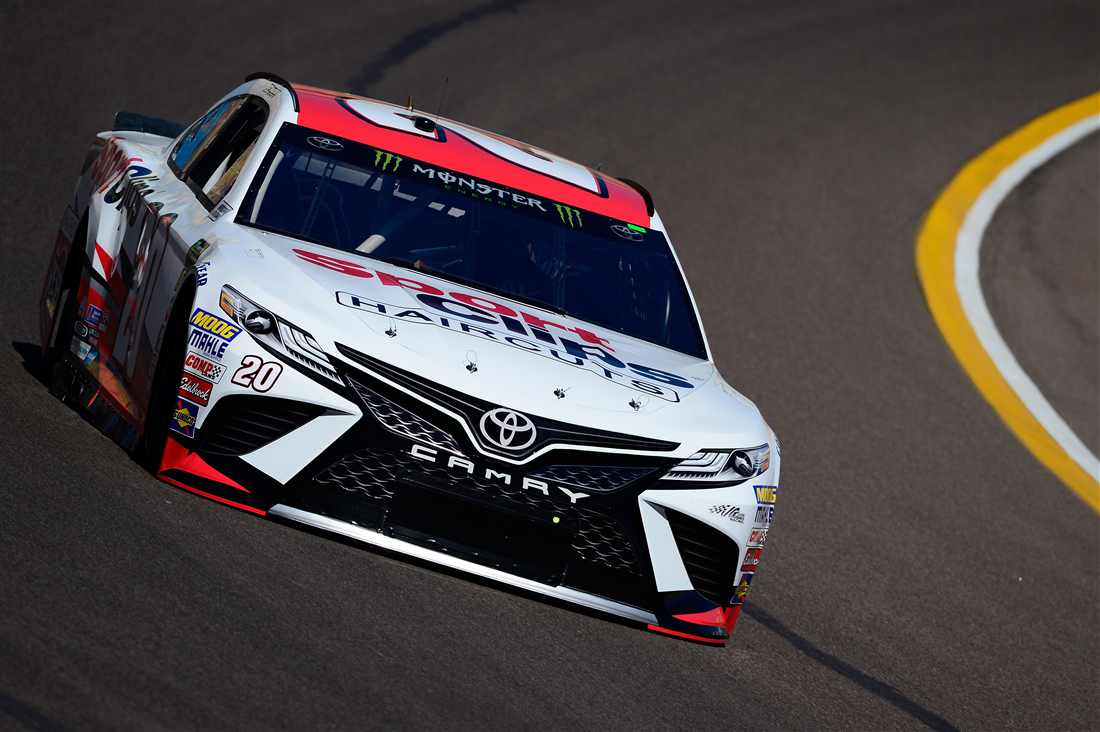
Erik Jones, Strength: Closing speed.Jones has the ninth-fastest car in the series, one that becomes faster in the fourth quarter of races. To wit, his Toyota Camry ranks as the fifth fastest in the final 25 percent of a race, fueling an average positional gain of 1.3 spots in the waning laps, the fourth-biggest closing rate in the series. He gained four positions apiece toward the end of races at Atlanta and Phoenix. He's averaged a 10.4-place finish since crashing 59 laps into the Daytona 500, which represents a seven-position increase over last season's average result.Second-year crew chief Chris Gayle deserves commendation for making the No. 20 car faster as a race progresses and for his improved pit strategy output. Gayle has defended Jones's running position on 82 percent of green-flag pit stops, up 33 percent over last year's rate and good for a swing of 43 positions on the racetrack.