BACK TO GALLERIES
Ranking NASCAR’s top 10 passers
By David Smith | Published: July 11, 2018 12
Sarah Crabill | Getty Images
1 of 12
Streeter Lecka | Getty Images
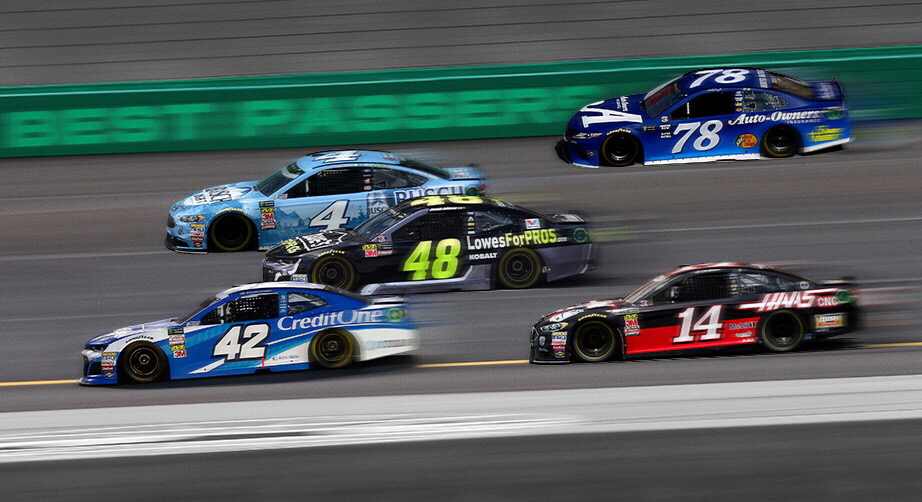
David Smith of MotorsportsAnalytics.com has compiled a ranking of the top 10 passers in the Monster Energy NASCAR Cup Series. His ranking utilizes Adjusted Pass Efficiency (APE), the percentage of pass encounters resulting in a driver’s favor with incidents and green-flag pit stops omitted, and Surplus Passing Value (SPV), the difference in a driver’s APE and the expected APE of a driver with an identical average running position.
2 of 12
Jeff Zelevansky | Getty Images
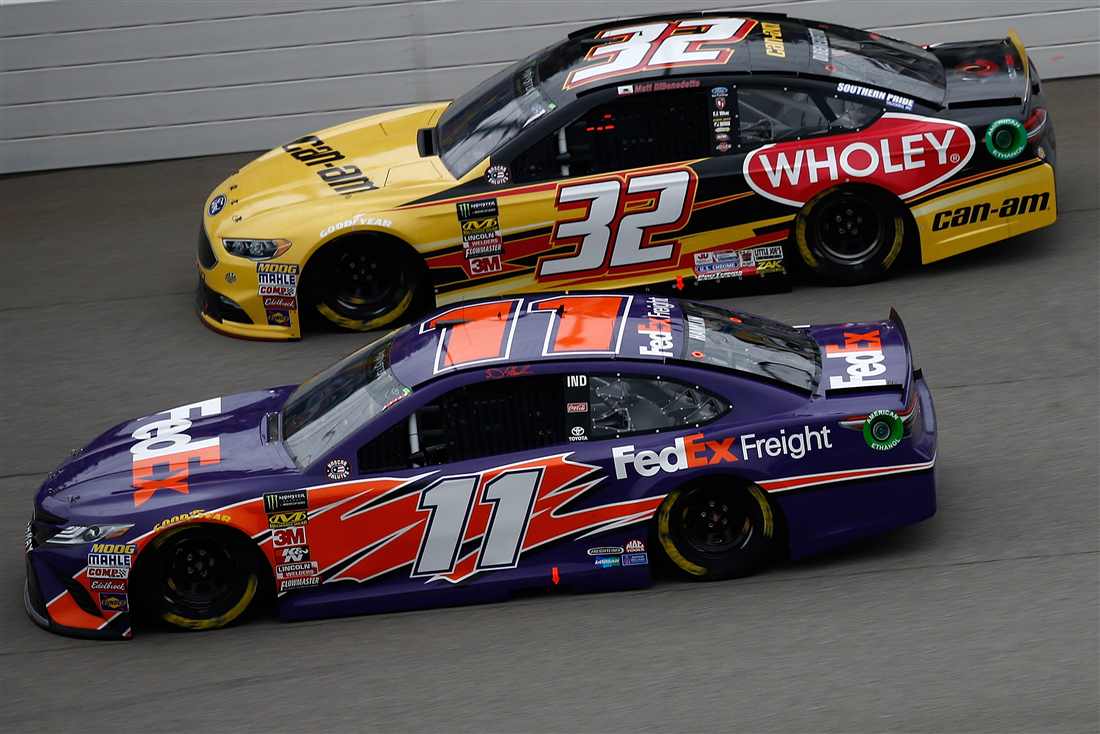
Honorable Mention: Denny Hamlin
From 2014 through 2017, Hamlin registered negative SPVs in each season, making passing a weak spot in his driving repertoire. This year, an improved passer emerged; not only is his SPV in the black at plus-1.9 percent, his 166 positions earned on long runs ranks as the second-largest total in the series.
From 2014 through 2017, Hamlin registered negative SPVs in each season, making passing a weak spot in his driving repertoire. This year, an improved passer emerged; not only is his SPV in the black at plus-1.9 percent, his 166 positions earned on long runs ranks as the second-largest total in the series.
3 of 12
Matt Sullivan | Getty Images
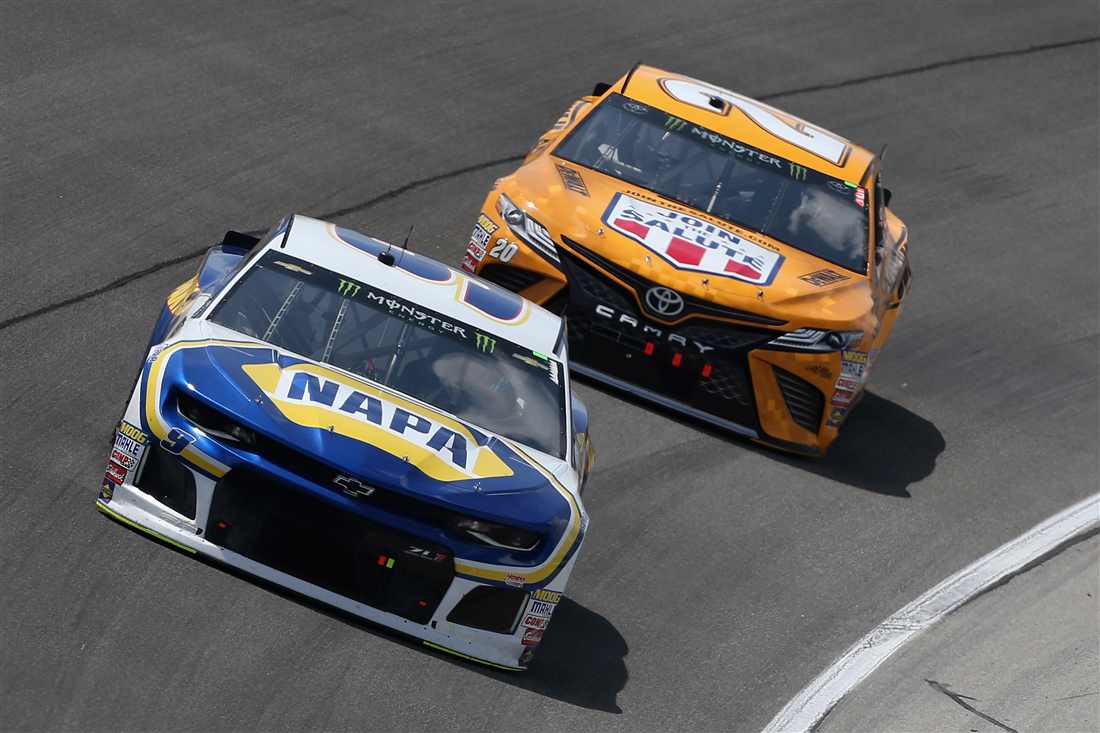
10. Chase Elliott
As a rookie in 2016, Elliott ranked sixth among front-running drivers in SPV. He ranked second last season and was responsible for 172 positions beyond the expectation of his average running position. He struggled through the first half of 2018, registering a minus-1.1 percent SPV, but remains a top-10 passer on 2-mile tracks specifically.
As a rookie in 2016, Elliott ranked sixth among front-running drivers in SPV. He ranked second last season and was responsible for 172 positions beyond the expectation of his average running position. He struggled through the first half of 2018, registering a minus-1.1 percent SPV, but remains a top-10 passer on 2-mile tracks specifically.
4 of 12
Robert Laberge | Getty Images
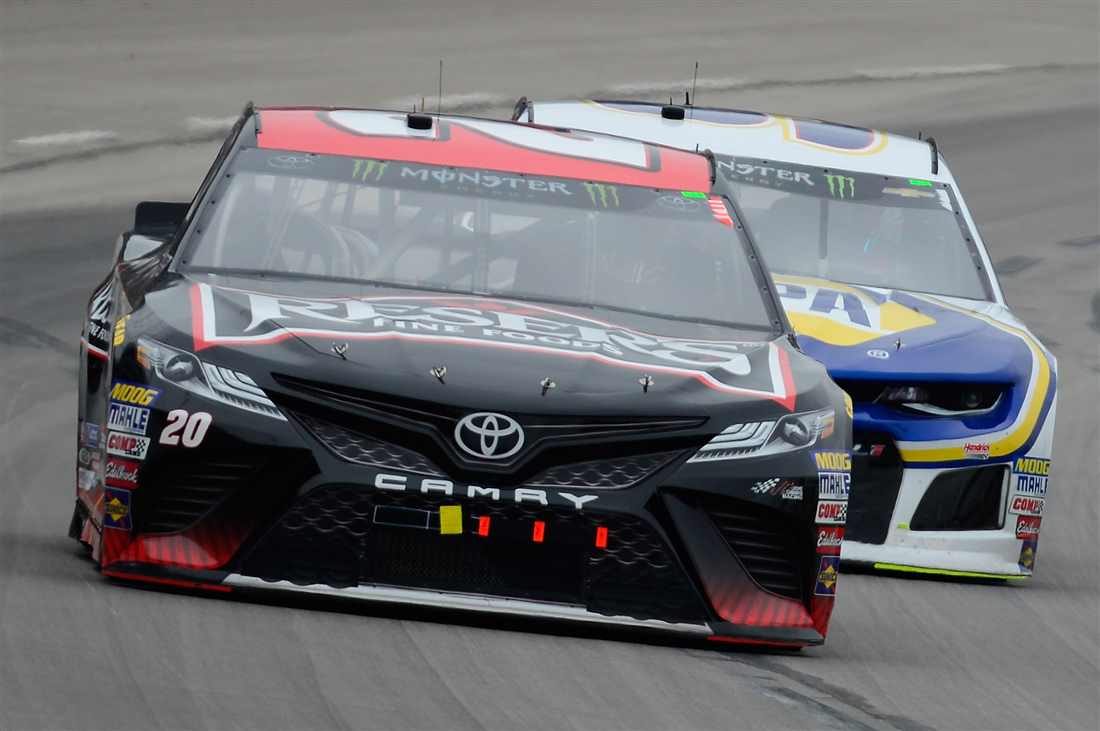
9. Erik Jones
Jones, 22, is already a crafty passer on intermediate tracks, ranking in the top five in SPV among front-runners in both 2017 and 2018. He ranked sixth on short tracks last year and ranks fourth in SPV for 2-mile tracks this season. Of his plus-22 pass differential this year, 39 positions were gained on long runs beyond the restart window.
Jones, 22, is already a crafty passer on intermediate tracks, ranking in the top five in SPV among front-runners in both 2017 and 2018. He ranked sixth on short tracks last year and ranks fourth in SPV for 2-mile tracks this season. Of his plus-22 pass differential this year, 39 positions were gained on long runs beyond the restart window.
5 of 12
Matt Sullivan | Getty Images
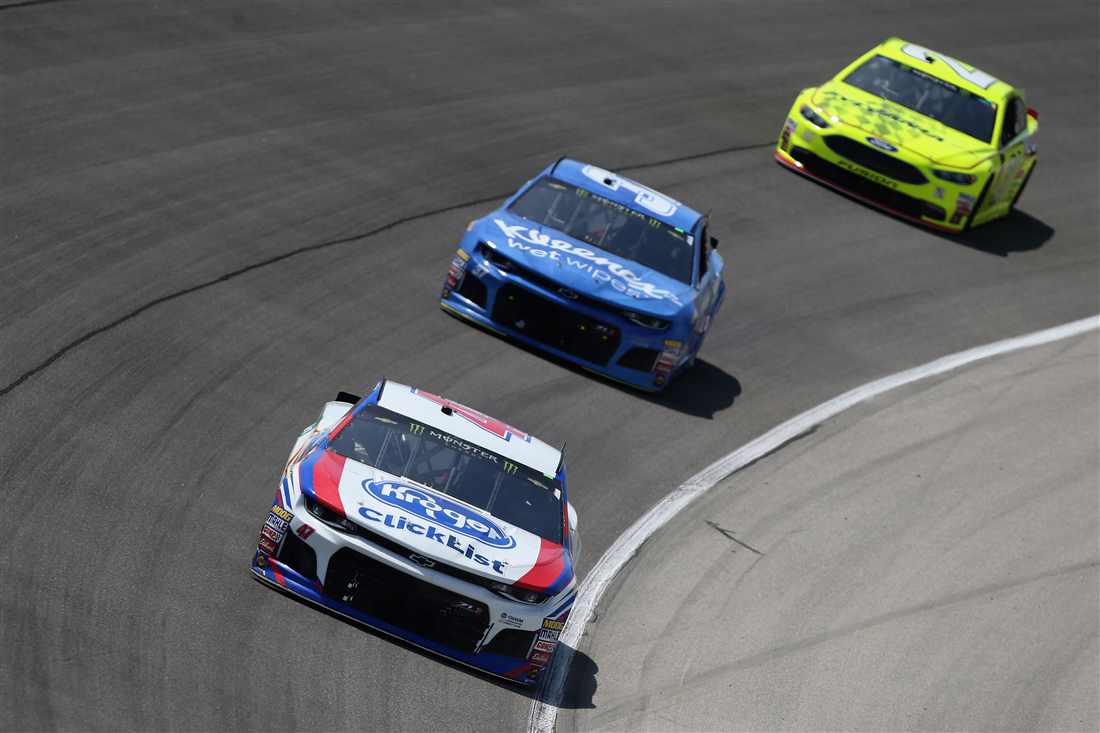
8. AJ Allmendinger
Allmendinger is more than a road course ringer; he’s an efficient mover on the short tracks, where he ranked first in SPV in 2017 and, as of press time, in 2018 with a rate yielding a pass differential 66 spots better than his average running position’s expectation. He’s also a top-five passer on tracks 1 to 1.49 miles.
Allmendinger is more than a road course ringer; he’s an efficient mover on the short tracks, where he ranked first in SPV in 2017 and, as of press time, in 2018 with a rate yielding a pass differential 66 spots better than his average running position’s expectation. He’s also a top-five passer on tracks 1 to 1.49 miles.
6 of 12
Jared C. Tilton | Getty Images
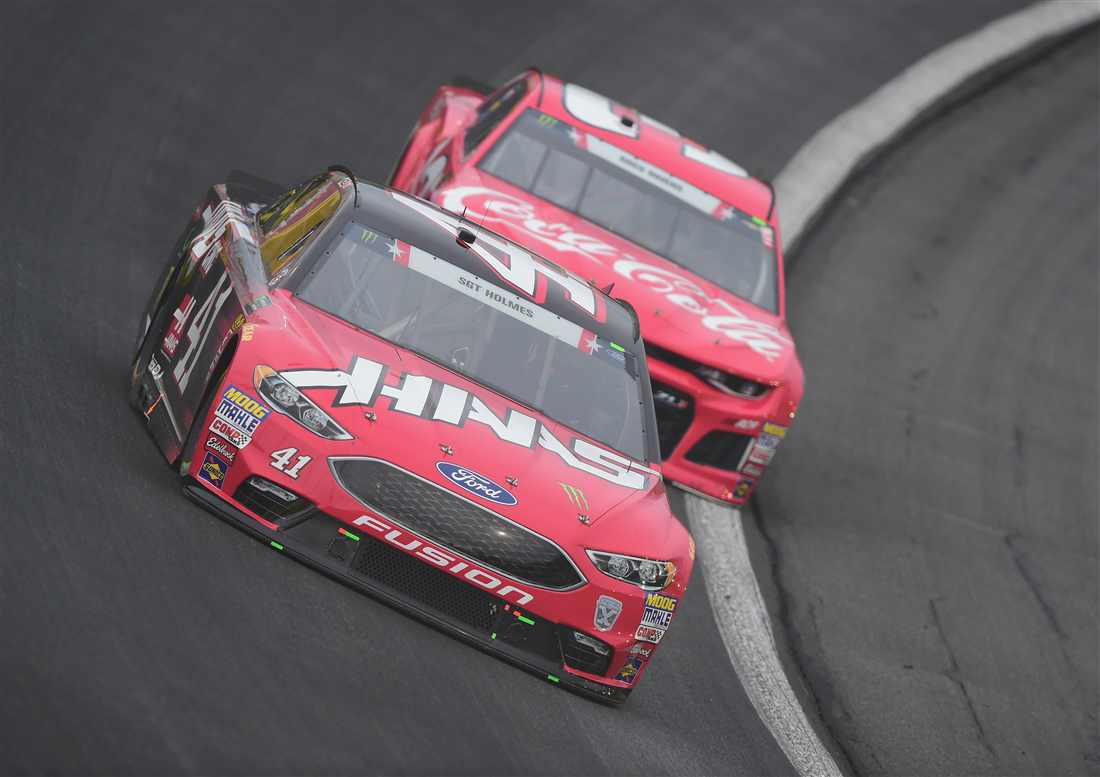
7. Kurt Busch
Busch isn’t elite on long runs; short runs propelled by a series-best restarting ability comprise his area of strength. To wit, his 2018 pass differential within the restart window, with restrictor plate tracks and road courses omitted, is plus-29, while his net on long runs is minus-10. In all, he’s chipped in 210 positions via restart-related passing across the last four years.
Busch isn’t elite on long runs; short runs propelled by a series-best restarting ability comprise his area of strength. To wit, his 2018 pass differential within the restart window, with restrictor plate tracks and road courses omitted, is plus-29, while his net on long runs is minus-10. In all, he’s chipped in 210 positions via restart-related passing across the last four years.
7 of 12
Matt Sullivan | Getty Images
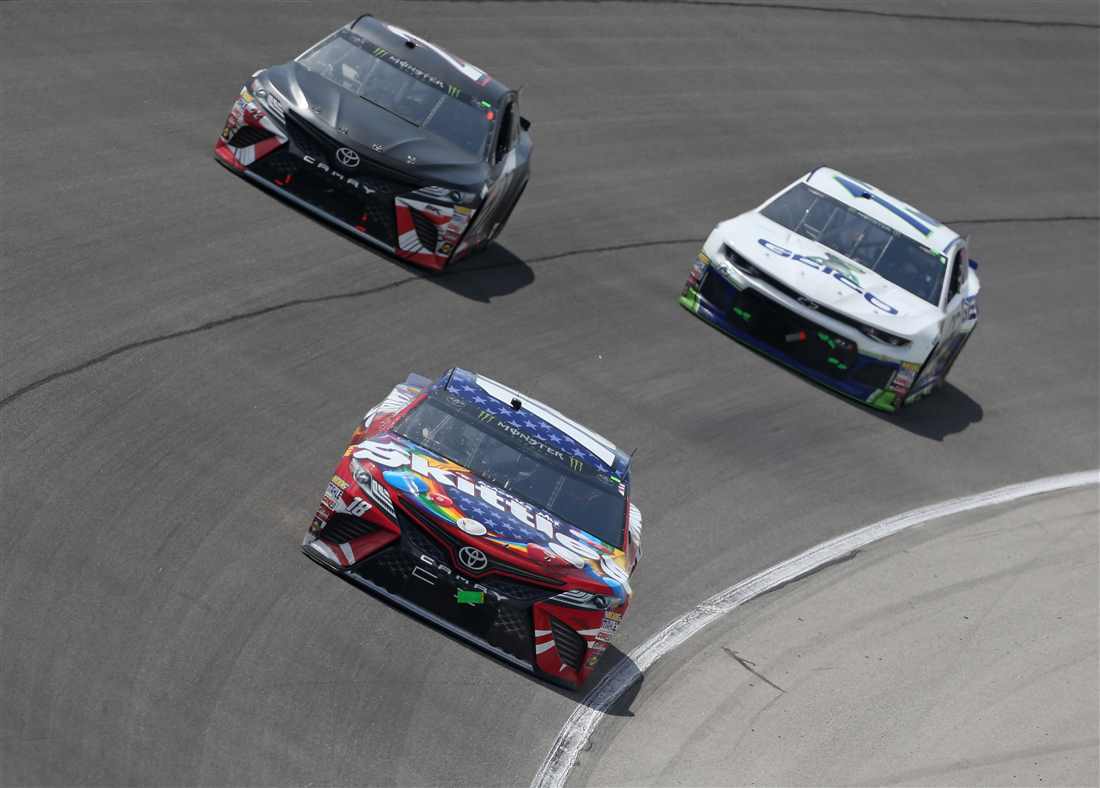
6. Kyle Busch
“Rowdy” is probably ranked lower than you expected. He was a positive mover on only two types of tracks in 2017, a feat being replicated this season while sporting a minus-4 net within our specified restart window. He does, however, rank second in both APE and SPV on 2-mile tracks this year and ranked second in short track SPV last year.
“Rowdy” is probably ranked lower than you expected. He was a positive mover on only two types of tracks in 2017, a feat being replicated this season while sporting a minus-4 net within our specified restart window. He does, however, rank second in both APE and SPV on 2-mile tracks this year and ranked second in short track SPV last year.
8 of 12
Sean Gardner | Getty Images
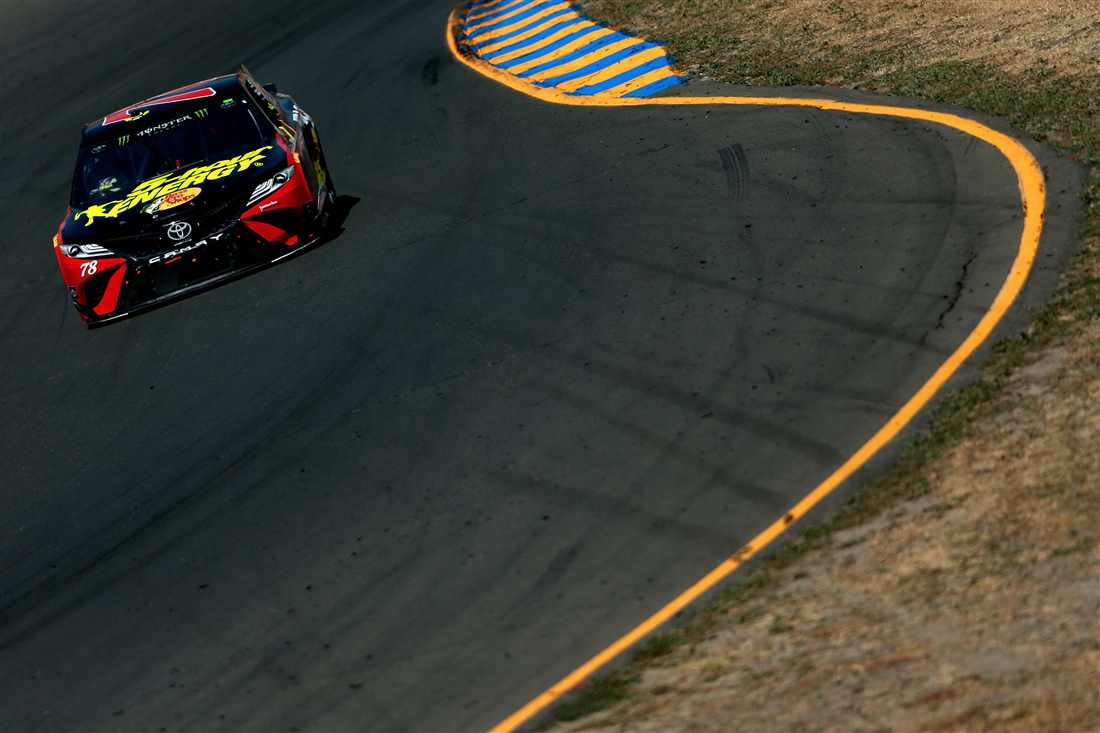
5. Martin Truex, Jr.
Furniture Row Racing’s growth to a perennial championship contender coincided with Truex’s evolution as a passer. A driver with negative passing value in 2014 and 2015, the reigning series champ is, right now, the most efficient he’s ever been in his career. He ranks fifth in SPV, overtaking for position 117 times this year on long runs.
Furniture Row Racing’s growth to a perennial championship contender coincided with Truex’s evolution as a passer. A driver with negative passing value in 2014 and 2015, the reigning series champ is, right now, the most efficient he’s ever been in his career. He ranks fifth in SPV, overtaking for position 117 times this year on long runs.
9 of 12
Jerry Markland | Getty Images
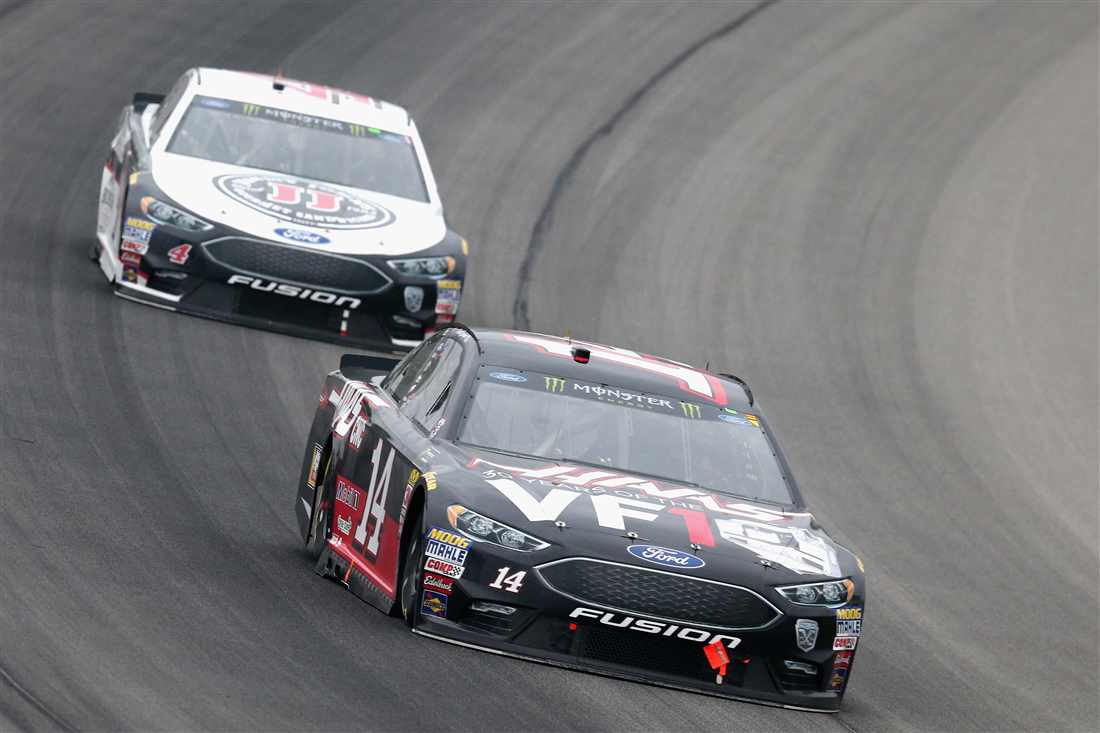
4. Clint Bowyer
Bowyer’s driving style might not be flashy, but it’s efficient. His 201 positions earned this year via long-run passing represents the biggest total in the series. A positive passer on each of the five track types on which passing is measured, he ranks third overall in both APE and SPV, an improvement after ranking seventh in each category in 2017.
Bowyer’s driving style might not be flashy, but it’s efficient. His 201 positions earned this year via long-run passing represents the biggest total in the series. A positive passer on each of the five track types on which passing is measured, he ranks third overall in both APE and SPV, an improvement after ranking seventh in each category in 2017.
10 of 12
Sean Gardner | Getty Images
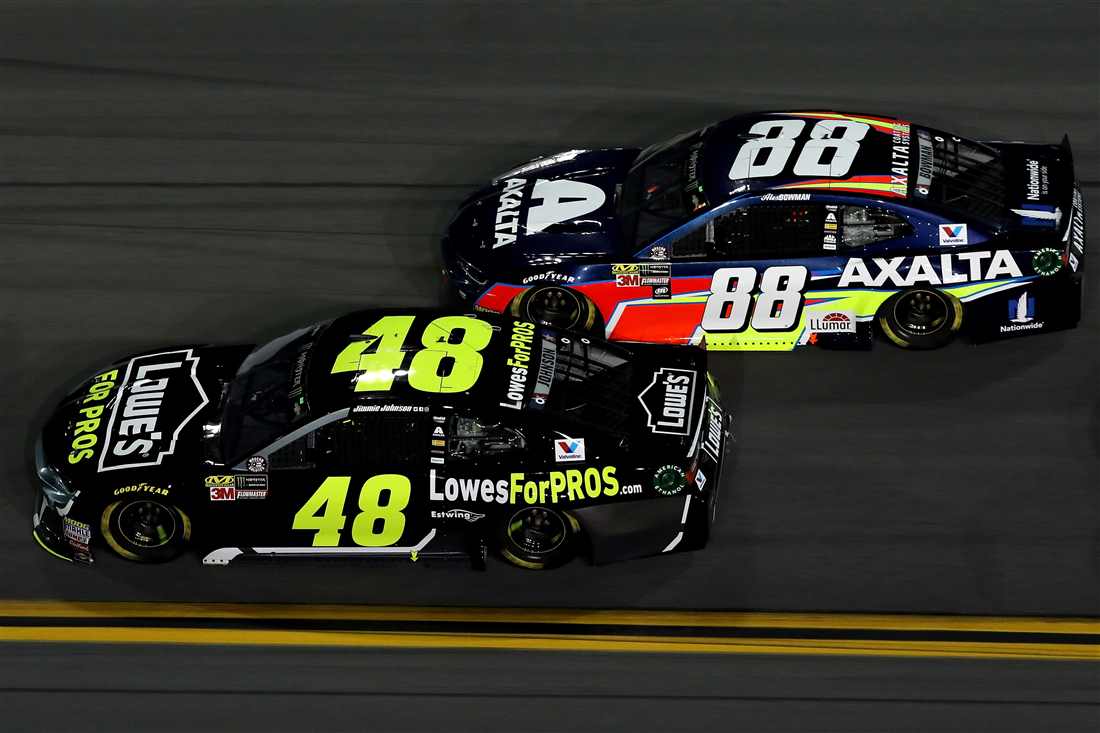
3. Jimmie Johnson
Johnson is the best long-run passer since the inception of Loop Data, and even though he’s winless to this point in 2018, his passing ability remains unimpeachable. He presently holds a positive net on restarts (plus-14) and gained 102 spots beyond the restart window. After ranking first among front-runners in SPV in 2017, he ranks fourth this season.
Johnson is the best long-run passer since the inception of Loop Data, and even though he’s winless to this point in 2018, his passing ability remains unimpeachable. He presently holds a positive net on restarts (plus-14) and gained 102 spots beyond the restart window. After ranking first among front-runners in SPV in 2017, he ranks fourth this season.
11 of 12
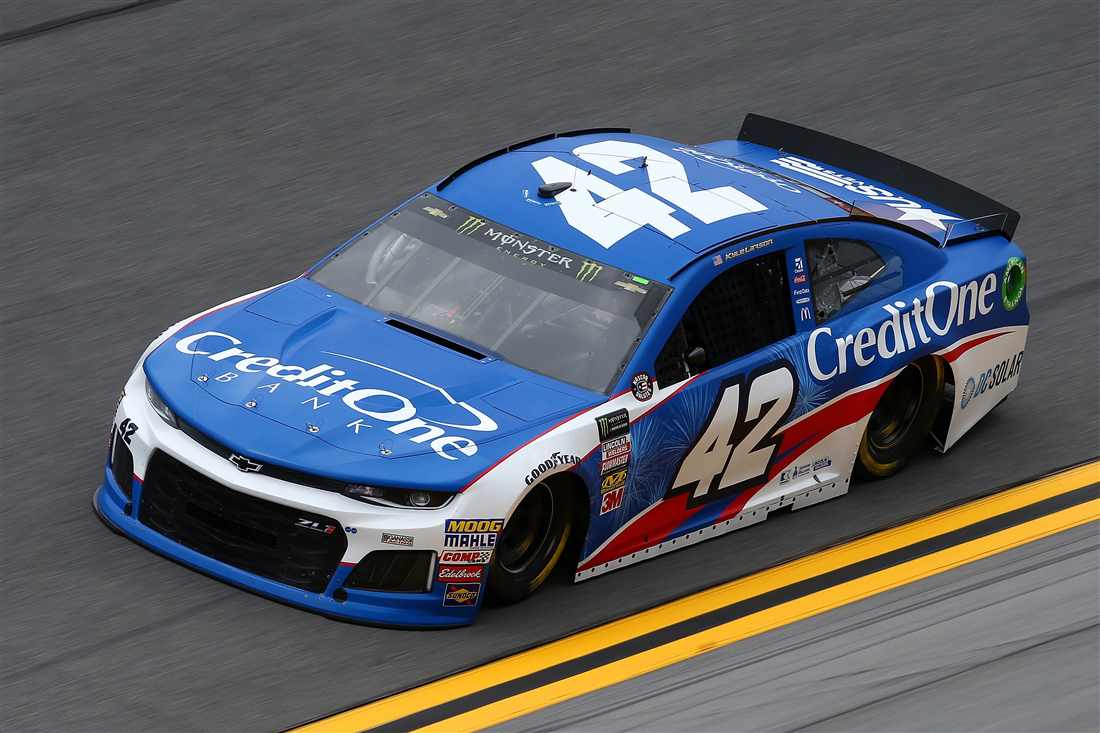
Sarah Crabill | Getty Images
2. Kyle Larson
Larson could inherit the designation of “NASCAR’s top passer” one day. For now, he ranks second in SPV for the second consecutive season and first on moderate intermediates and 2-mile tracks. Across both restarts and long runs, no driver has tallied a better pass differential than Larson’s plus-182 during the season’s first half. 152 of those spots were earned beyond the restart window.
Larson could inherit the designation of “NASCAR’s top passer” one day. For now, he ranks second in SPV for the second consecutive season and first on moderate intermediates and 2-mile tracks. Across both restarts and long runs, no driver has tallied a better pass differential than Larson’s plus-182 during the season’s first half. 152 of those spots were earned beyond the restart window.
12 of 12
Sarah Crabill | Getty Images
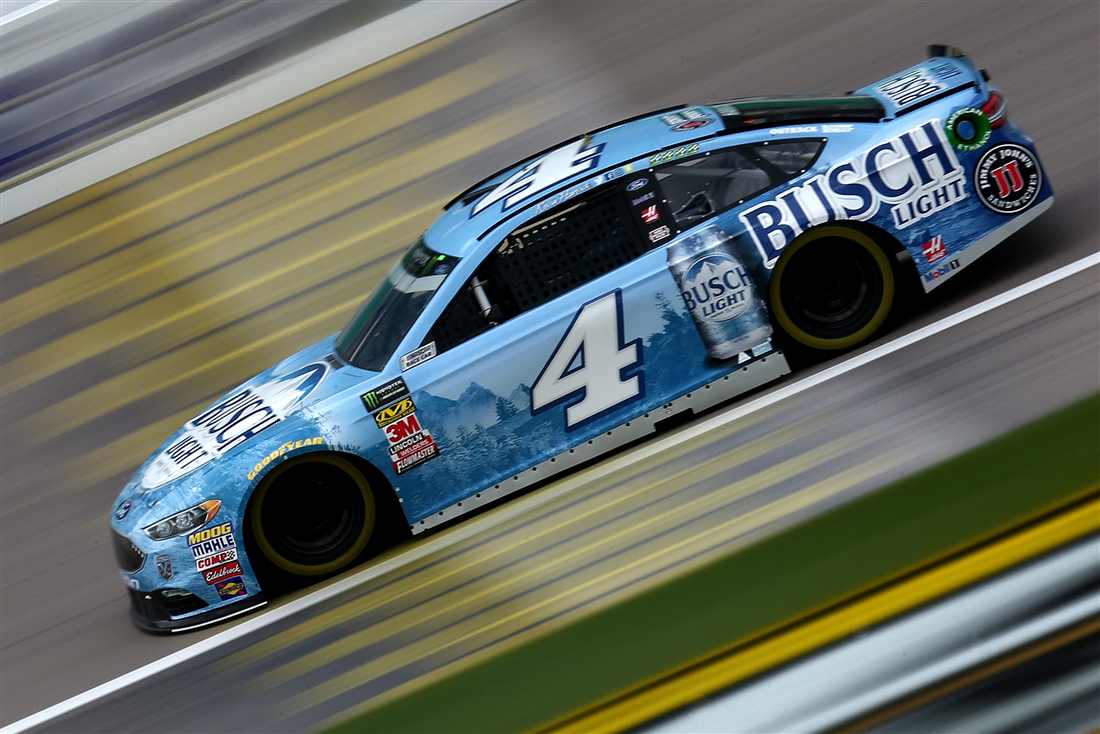
1. Kevin Harvick
Harvick’s 1,040 laps led are the most in the series, but when he’s not leading, he’s driving to the front with his series-best 58.6 percent APE and plus-5.41 percent SPV. 2018 marks the second time in three years he ranks as the most efficient mover. To date, he’s earned 150 spots on long runs and ranks as a top-two passer on short tracks and steep intermediates.
Harvick’s 1,040 laps led are the most in the series, but when he’s not leading, he’s driving to the front with his series-best 58.6 percent APE and plus-5.41 percent SPV. 2018 marks the second time in three years he ranks as the most efficient mover. To date, he’s earned 150 spots on long runs and ranks as a top-two passer on short tracks and steep intermediates.