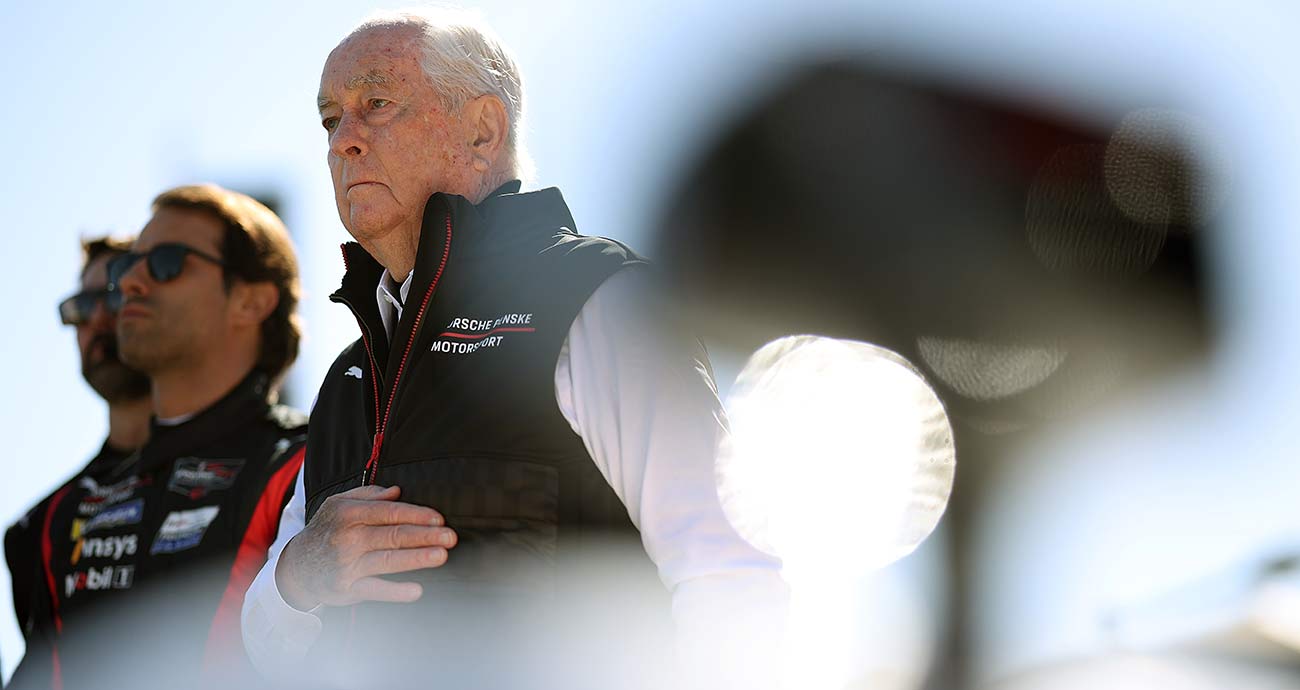
The list of drivers who have carried Team Penske colors across the years could fill a motorsports hall of fame. To name only a handful: Rusty Wallace, Rick Mears, Mark Donohue, Will Power, Joey Logano, Hélio Castroneves, Brad Keselowski, Josef Newgarden and Ryan Blaney.
Anywhere Roger Penske’s name is spoken in the motorsports world, from one series to another and across oceans, star-class drivers are part of the conversation. Their success is celebrated in racing museums across the country and at Team Penske’s North Carolina headquarters, and their names are scattered across a library of record books.
The name that is missing from the grand list of career-long Penske drivers? Roger Penske.
Before he became a global motorsports success story and the leader of an extensive network of businesses employing more than 73,000 people, Penske was a respected, on-the-rise race car driver. Had he stayed on that path, many believe, he could have put his name alongside the great drivers of his era.
RELATED: All of Team Penske’s wins by driver | All of Team Penske’s Cup Series wins
Instead, Penske took a detour into business and a highly successful second career as a racing team owner. The sensational results of that choice make clear it was the right move, but questions nevertheless remain about the other road and the racing lanes he could have taken.
“He would have been one of the all-time great drivers,” said Walt Czarnecki, a Penske lieutenant for decades. “One thing that has always caught my attention when I’m listening to him on the spotter stand is that he can talk to the drivers as if he’s in the car. There’s a video around of him driving at Road America, and he’s commenting on the lap, talking about what he’s doing in this corner and that corner.”
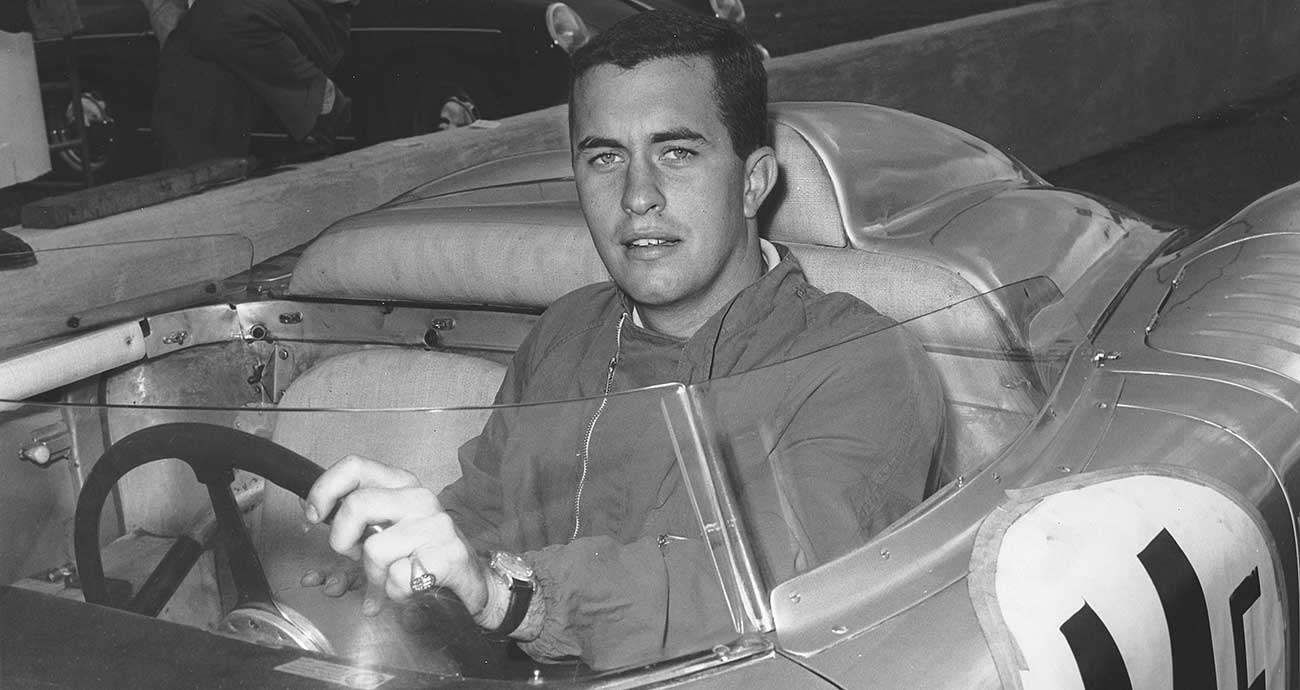
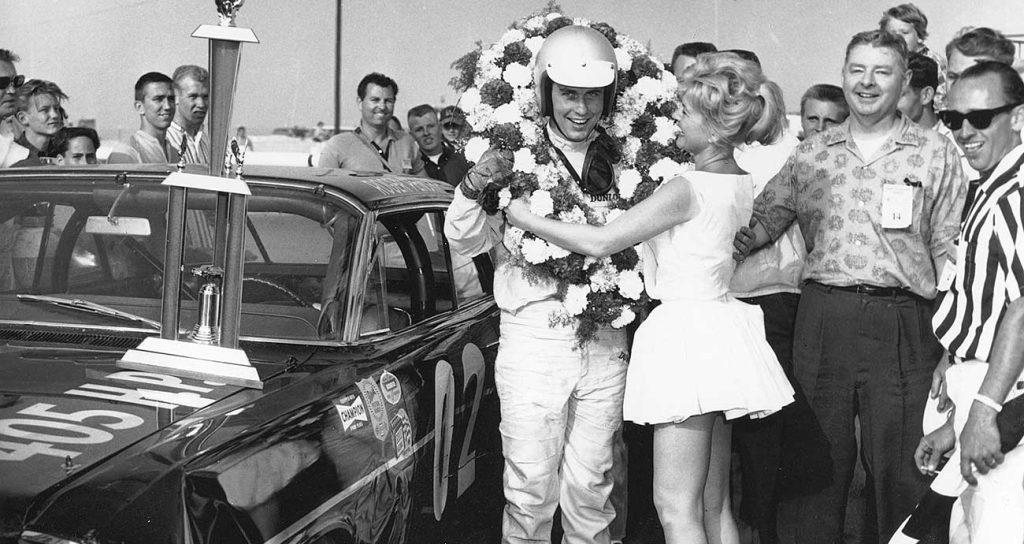
In 1958, Penske, then 21 years old, began driving in Sports Car Club of America events. Smart, handsome and a quick study, he picked up the finer points of racing in a hurry and became a spotlighted driver at virtually every event. In 1961, he won the SCCA National D Modified championship and was named SCCA Driver of the Year by Sports Illustrated magazine. A year later, he scored a United States Auto Club championship and won Driver of the Year honors from The New York Times. In 1963, he won a NASCAR Pacific Coast Late Model race at Riverside International Raceway in California.
Penske seemed to be on an upward trajectory as a driver, but he faced a difficult decision. He had big ambitions in the automotive and business world, and he realized he couldn’t take both roads. In an interview with the NASCAR Hall of Fame, which he entered in 2019, Penske said, “I had to make a decision that was either going to be stay as a race driver or be in business. And I had an opportunity to go to work for a Chevrolet dealer in Philadelphia, George McKean. When I went there, I said, ‘Look, I’d like to own this business in a couple of years.’ And I knew at the time that would take place, I’d have to make that decision.”
With financial help from his father, Penske bought the Philadelphia dealership in 1965, and was off and running. Just not on a track.
He jumped back into racing from the ownership side, building a many-pronged organization that has garnered 48 national championships and scored almost 700 race victories. The Team Penske trophy cases bulge.
Could he have filled some himself?
“He definitely understands how to drive a car,” said Keselowski, who drove in NASCAR for Penske from 2009 to 2021, winning the organization’s first Cup Series championship in 2012. “I remember one race at California when I slid through my pit box. I had a call from him a couple of days later. He said it looked like I had too much front brake in the car. I was like, ‘That was it.’
“I sense from him that his motorsports driving career was something that he really enjoyed. He was hesitant to give up on it, but he was doing the best he could for his family. He had an opportunity in business outside of it, so I respect him for making that move.”
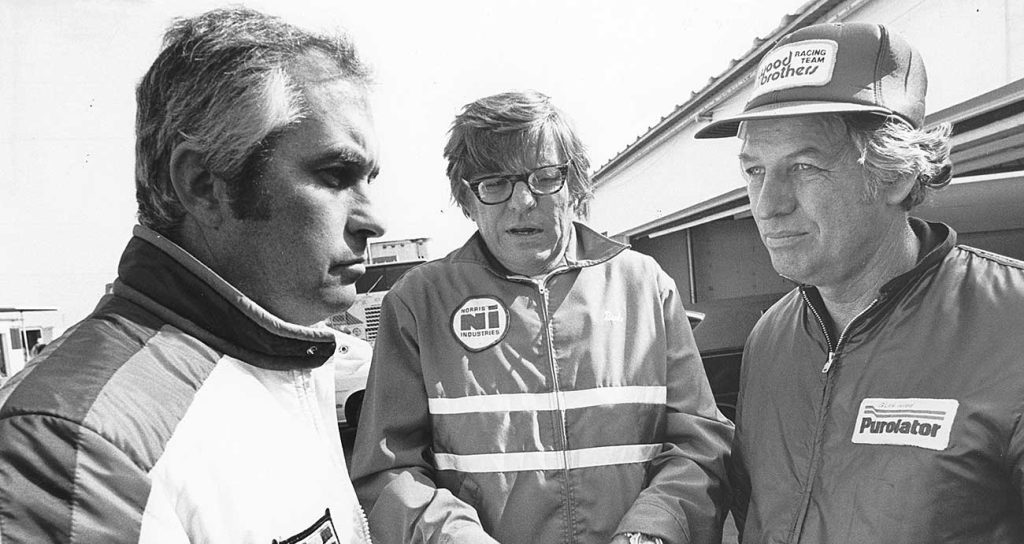
Logano, whose stagnant career flourished when he arrived at Team Penske in 2013, said he benefited from driving advice from the boss.
“There was a lot of coaching, especially when I started, and it was awesome,” Logano said. “He was a really good race car driver. He would say, ‘You do a floater into a corner.’ Or maybe, ‘Try some different things here and there.’ It wasn’t the same every week, but it was pretty specific a lot of times.”
After giving up driving, Penske attracted some of the world’s best drivers to his surging organization, and his business successes expanded into track ownership and operations. His portfolio included Michigan International Speedway, site of this weekend’s Cup Series race, and Auto Club Speedway. He now owns Indianapolis Motor Speedway, a Penske mecca and the place where his teams have won 20 Indianapolis 500s.
MORE: NASCAR Hall’s Team Penske 60 exhibit
Team Penske’s many accomplishments across 60 years are being celebrated this year with an exhibit at the NASCAR Hall of Fame. The exhibit includes numerous artifacts and race cars, including the 1996 Ford driven by Rusty Wallace, the first Cup Series car developed by the team.
Wallace, the driver who played a major role in solidifying Penske’s success in NASCAR, said the team built a replica of the Pontiac, numbered 02, that Penske drove to victory at Riverside, California, to honor that long-ago accomplishment.
“He never talked much about driving, but when you start researching what he’s done, holy cow, he was good, a damn good driver,” Wallace said.