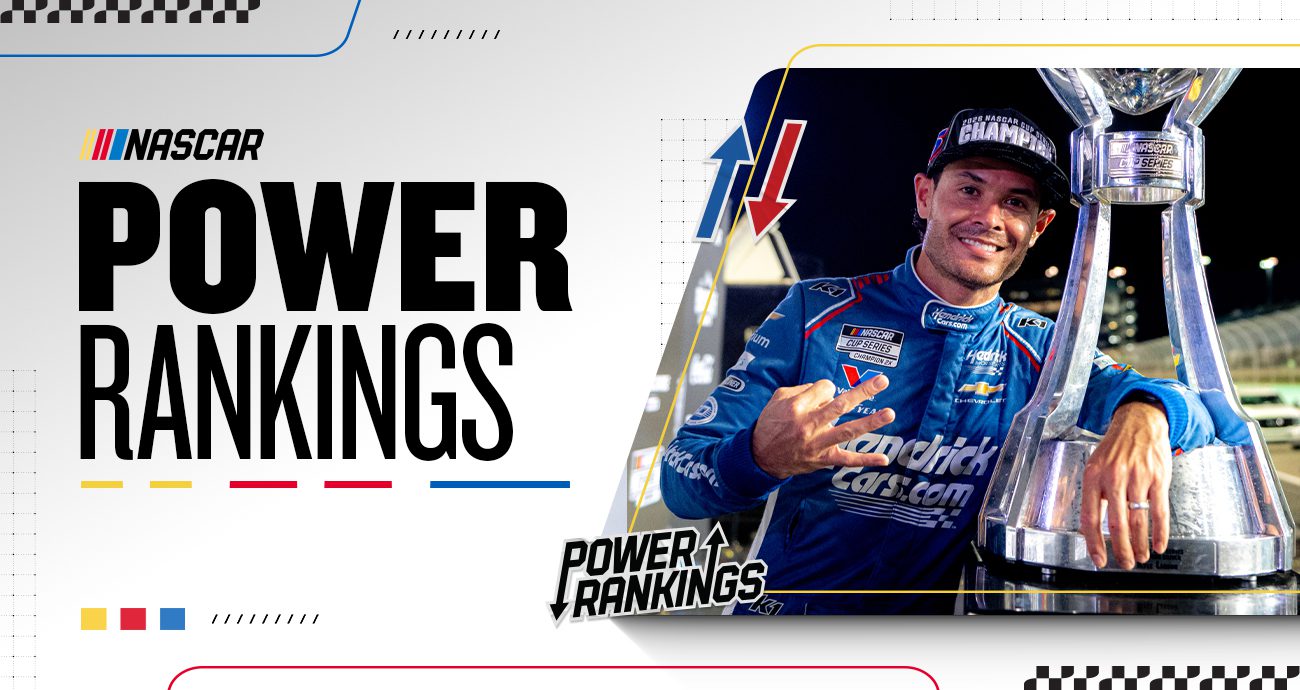
NASCAR.com’s Pat DeCola ranks the top 25 NASCAR Cup Series drivers entering the 2027 season after Kyle Larson won the 2026 championship at Homestead-Miami Speedway.
RELATED: 2027 Cup Series schedule | Cup Series standings
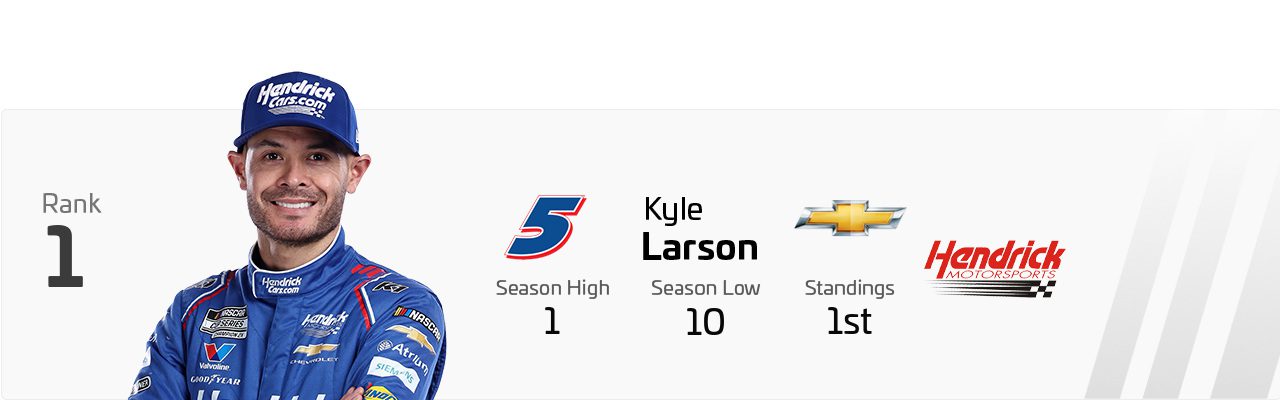
Analysis: A third championship seemed well within reach entering 2026, but the path there was hardly what anybody envisioned. Larson went the entire 26-race regular season without a victory before flipping the switch in The Chase, winning three times and building such a commanding advantage that he clinched the title with two stages to spare at Homestead-Miami. Perhaps more impressively, the No. 5 team proved it could overcome adversity nearly as effectively as it could dominate. That’s an awfully dangerous combination, and Larson enters 2027 as the rightful favorite to make it three straight.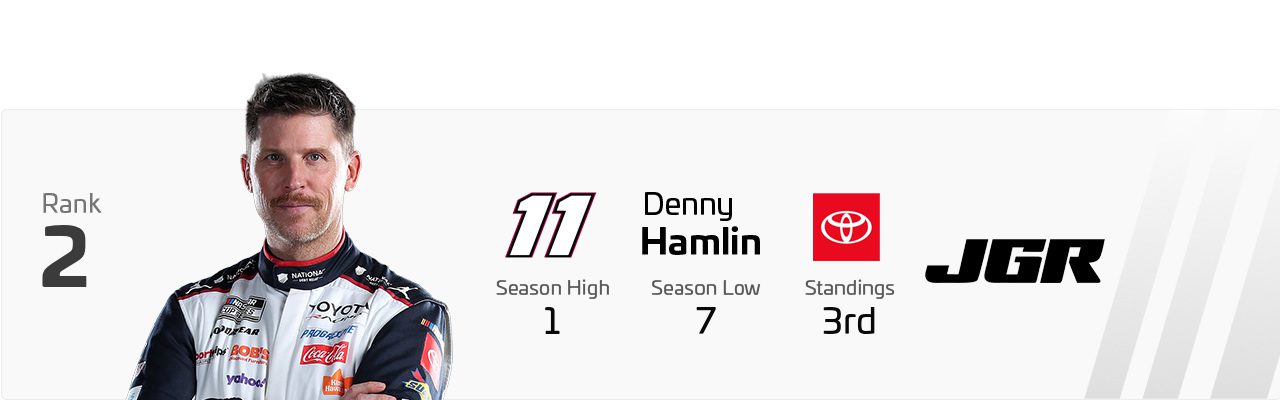
Analysis: Hamlin entered 2026 looking to finally finish the championship job after a heartbreaking conclusion to 2025. Instead, another tremendous season ended without the one trophy that continues to elude him. Four victories, a series-leading 24 top 10s and the No. 1 Chase seed reflected just how strong the No. 11 team was, but Larson’s postseason surge left Hamlin third in the final standings. The speed and consistency remain championship-caliber, though time is becoming an increasingly relevant factor as Hamlin has publicly stated he intends to hang it up after next year. Entering 2027, there’s little reason to expect anything other than another legitimate title push, and it’ll be the perfect storybook ending if he finally does it.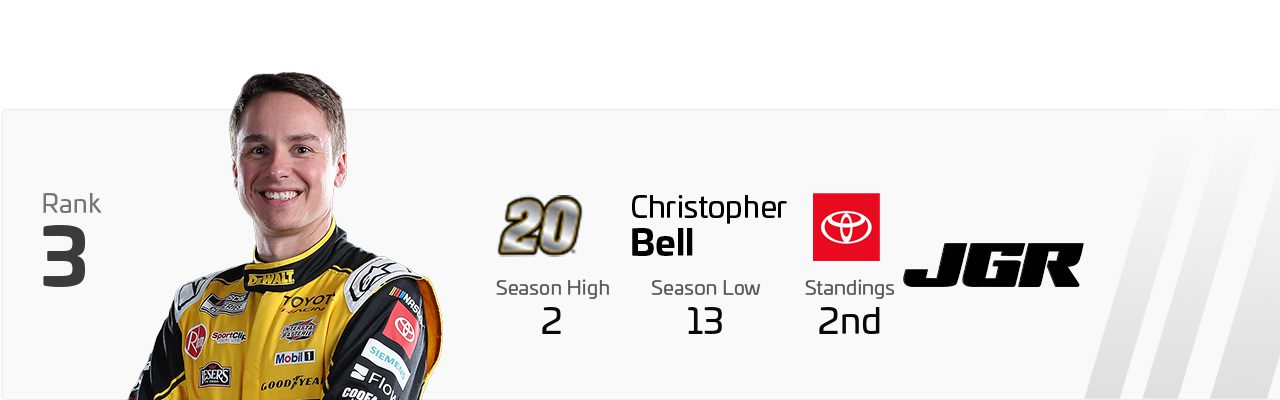
Analysis: Bell’s 2026 campaign was something of a contradiction. A driver coming off four wins in 2025 managed just one this season, yet he ultimately finished second in the championship standings, led more than 800 laps and at times looked like the most formidable driver in the series. The No. 20 team remained among the most consistently competitive in the garage, even if the outright victories didn’t materialize nearly as often as expected, finishing runner-up a dizzying number of times. Bell has now demonstrated that he can contend for the title annually across multiple championship formats. It’s increasingly difficult to envision a Cup title fight without him playing a significant role, and he may be Larson’s greatest threat over the next 10 years.
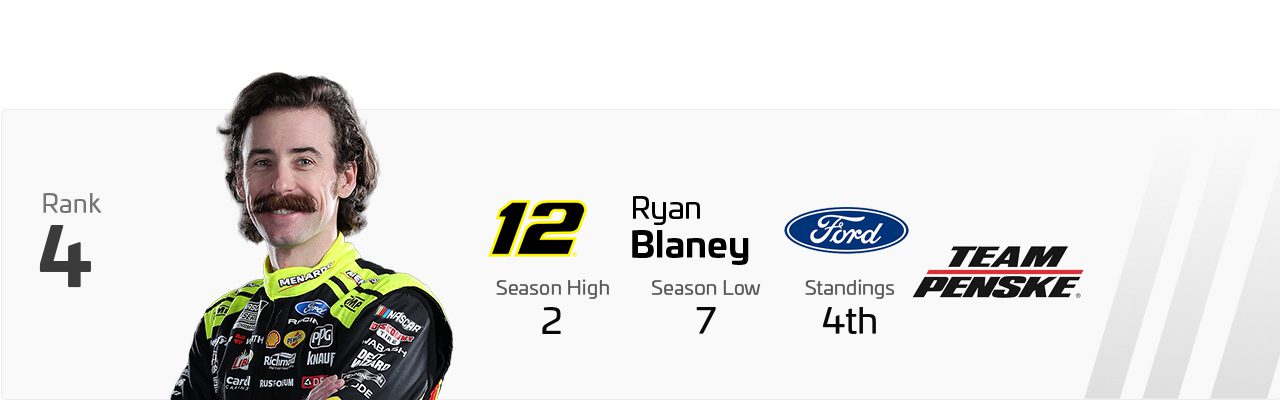
Analysis: Another year, another four victories for Blaney, who continued establishing himself as one of the most dependable A-list championship threats in the sport. His second straight season-ending triumph at Homestead-Miami was a reminder of the No. 12 team’s ability to deliver when it matters, even if Larson had already secured the championship. A fourth-place points finish represented another strong campaign, and Blaney’s combination of speed, race craft and championship experience makes him difficult to rank much lower. He enters 2027 with as credible a path to a second title as almost anybody.
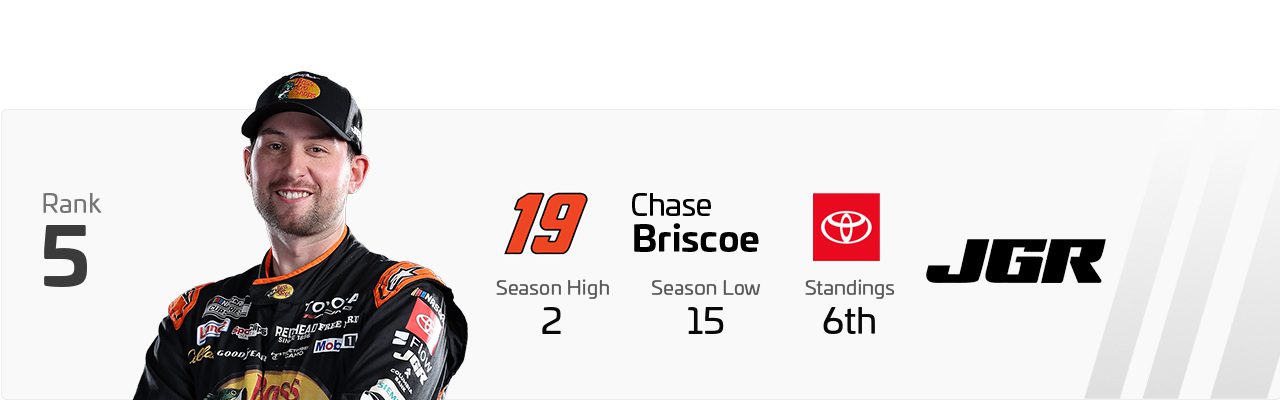
Analysis: Expectations were understandably elevated after Briscoe’s breakout first season with Joe Gibbs Racing, and he largely delivered again in 2026. Three victories, 13 top fives and a sixth-place championship finish further established him as a legitimate front-line contender rather than a driver who simply enjoyed a fortunate first year in elite equipment. His strong late-season performances reinforced that assessment, though the No. 19 team as a whole still has another step to take to match the series’ very best over a full championship campaign (pit crew sure looks ready, though). That feels entirely attainable entering Year 3 at JGR.
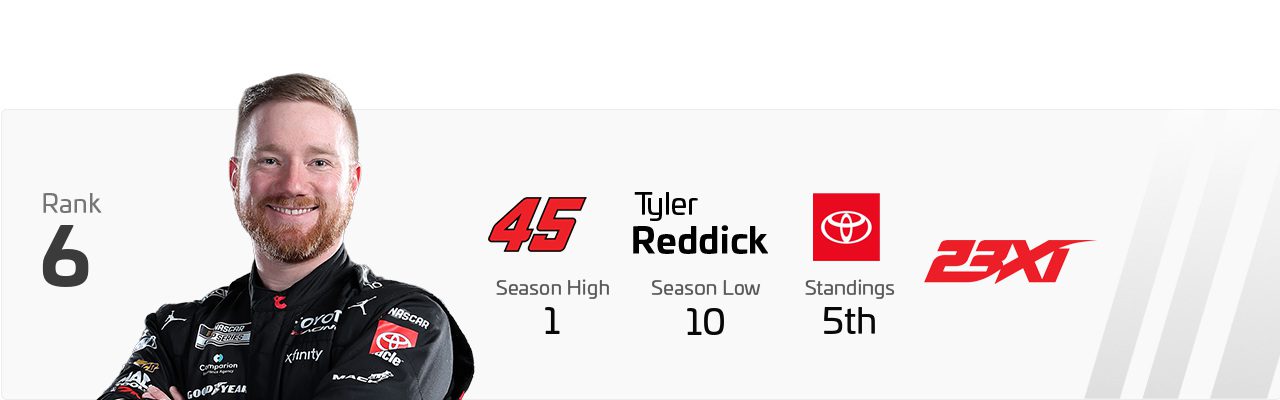
Analysis: Well, that sure answered the questions about his winless 2025. Reddick opened 2026 by winning the Daytona 500 and the season’s first three races, ultimately collecting a series-leading six victories in one of the more remarkable rebounds in recent memory. Yet a fifth-place championship finish showed that even overwhelming early-season success doesn’t necessarily translate to November hardware. Reddick returned to the ranks of NASCAR’s elite in emphatic fashion, and there’s little reason to doubt his ability to win at that level again. The challenge for 2027 is sustaining that excellence deep into The Chase.
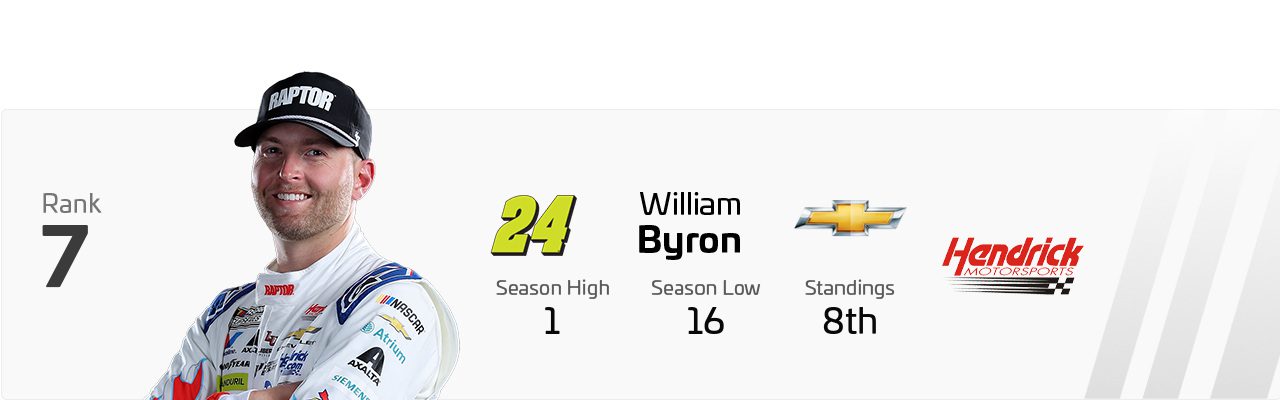
Analysis: Coming off a 2025 Regular Season Championship and another Championship 4 appearance, Byron seemed poised to take the next step in 2026. Instead, the No. 24 team went much of the season without the winning form that had become its trademark, ultimately collecting just one victory — essentially a buzzer-beater, at that — and finishing eighth in points. A late Martinsville triumph and strong Homestead performance provided encouragement heading into the break, but the overall campaign fell short of lofty expectations. Byron remains firmly in the championship conversation for 2027, though he’ll need to rediscover the week-to-week consistency that made him such a formidable contender.
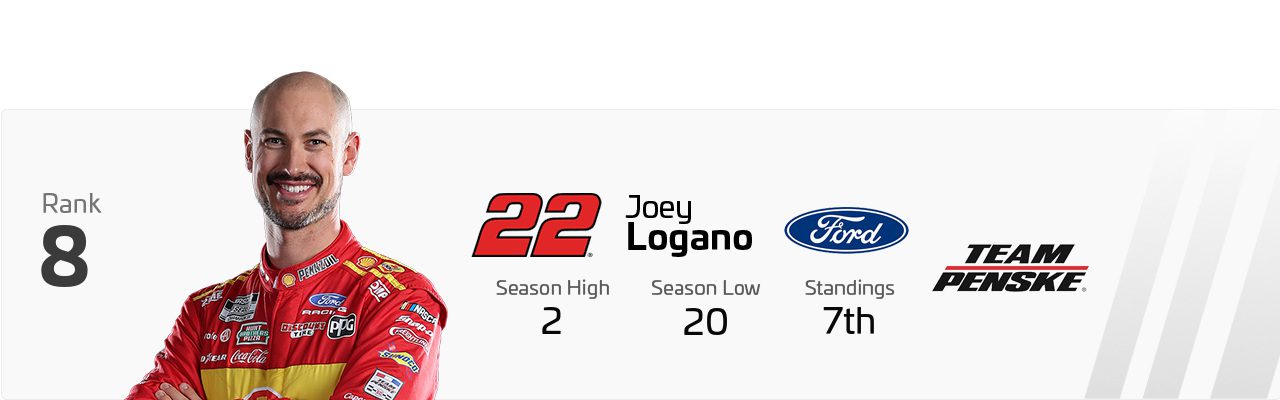
Analysis: Logano’s reputation for even-year success held up to a point in 2026, with three victories and another competitive Chase run. Still, his seventh-place championship finish and relatively modest seven top fives suggested the No. 22 team wasn’t quite on the same level as the season’s most complete contenders or even up to its own typical standard. The three-time champion certainly hasn’t forgotten how to win, as victories at North Wilkesboro, Richmond and Bristol demonstrated. Heading into 2027, the question isn’t whether Logano can deliver another championship-caliber performance on a given afternoon. It’s whether he can string enough of them together to capture title No. 4.
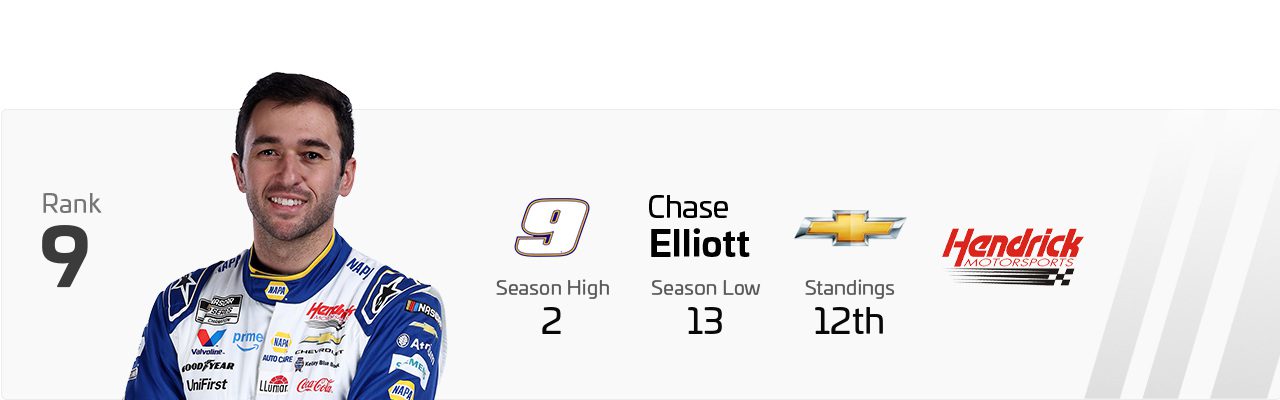
Analysis: Elliott entered 2026 hoping the return to a points-based championship format would reward his trademark consistency and perhaps restore some of his former dominance. Two early victories offered encouragement, but a 12th-place standings finish ultimately represented another season that fell below the standards of a former champion in Hendrick Motorsports equipment. The No. 9 team remains capable of winning races, though the sustained superiority that defined Elliott’s earlier career has become considerably harder to find. He’ll enter 2027 as a credible title contender, but a more convincing season-long performance is overdue.
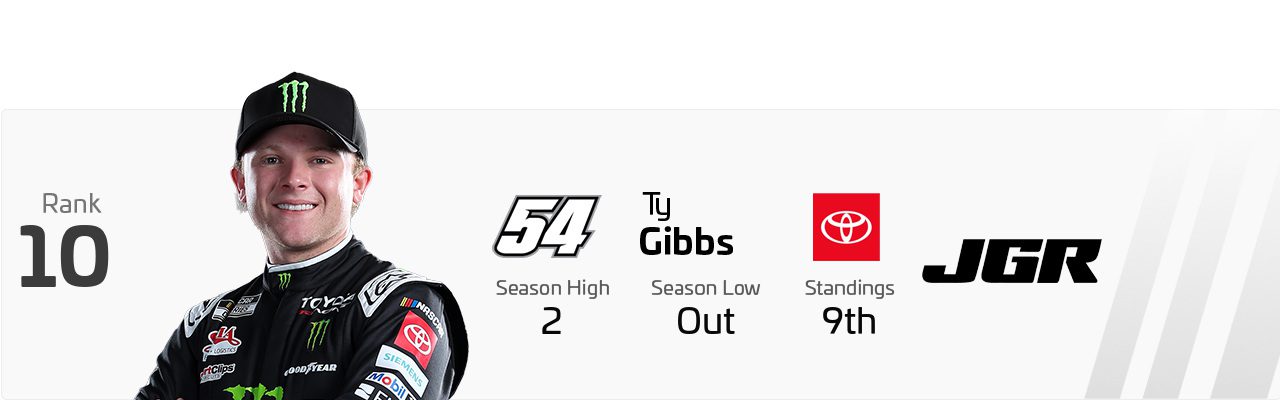
Analysis: If 2026 was supposed to be a pivotal season for Gibbs, he answered the call. After three winless full-time campaigns, the Joe Gibbs Racing prospect finally broke through at Bristol and added another victory at Iowa, collecting 13 top fives and 20 top 10s along the way. A ninth-place points finish confirmed meaningful improvement beyond the two trophies. Gibbs hasn’t yet established himself on the same level as his championship-winning teammates, but the biggest question surrounding his Cup career has finally been answered. The next challenge is turning that breakthrough into sustained championship contention.
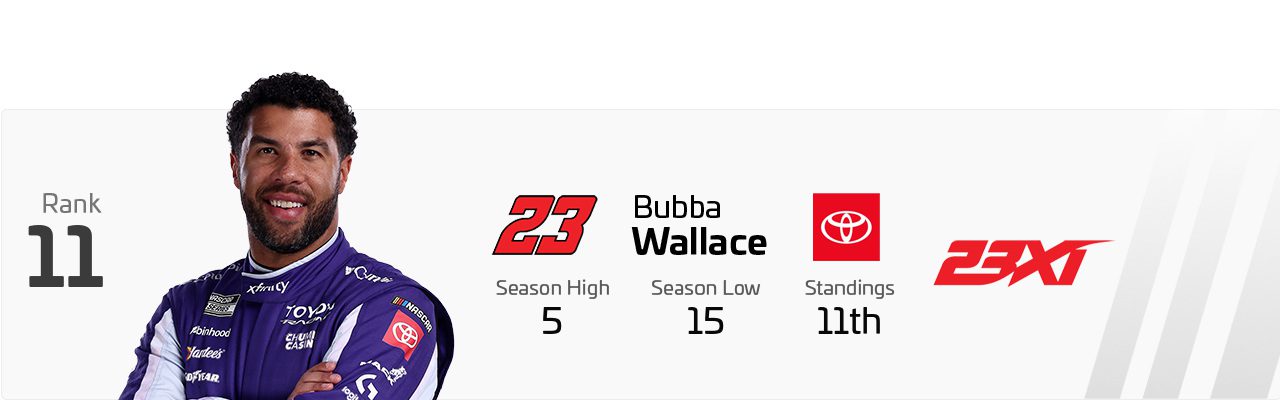
Analysis: Wallace entered 2026 looking to build on a career-best campaign and demonstrate that he could legitimately contend for a championship. The results were mixed. He remained a reasonably consistent presence near the front, collecting 17 top 10s and finishing 11th in the standings, but failed to return to Victory Lane after his breakthrough Brickyard 400 triumph the previous year. With 23XI Racing continuing to establish itself among the sport’s strongest organizations, the opportunities should remain plentiful. Wallace’s next step is converting competitive afternoons into victories more regularly and finding another level when The Chase begins.
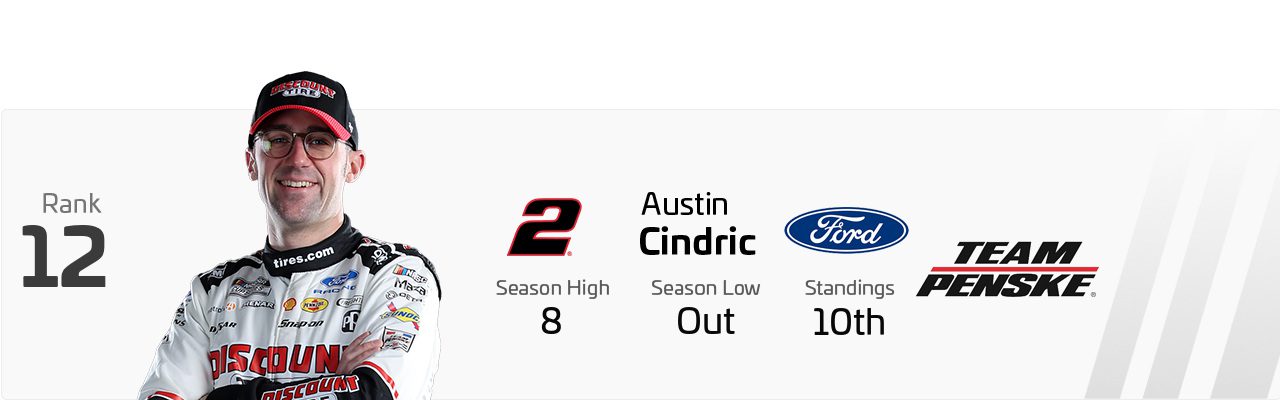
Analysis: Cindric entered his fifth full Cup season hoping to continue closing the gap to his championship-winning Team Penske teammates. A 10th-place standings finish was respectable, but a winless campaign with only four top fives made it difficult to argue that the No. 2 team took a meaningful competitive leap, though there were clear gains the second half of the season, including The Chase. He remains a capable driver in equipment that has repeatedly proven it can win championships, and his experience should only become more valuable. For 2027, however, simply remaining inside the top 10 won’t be enough to establish him as a genuine title threat.
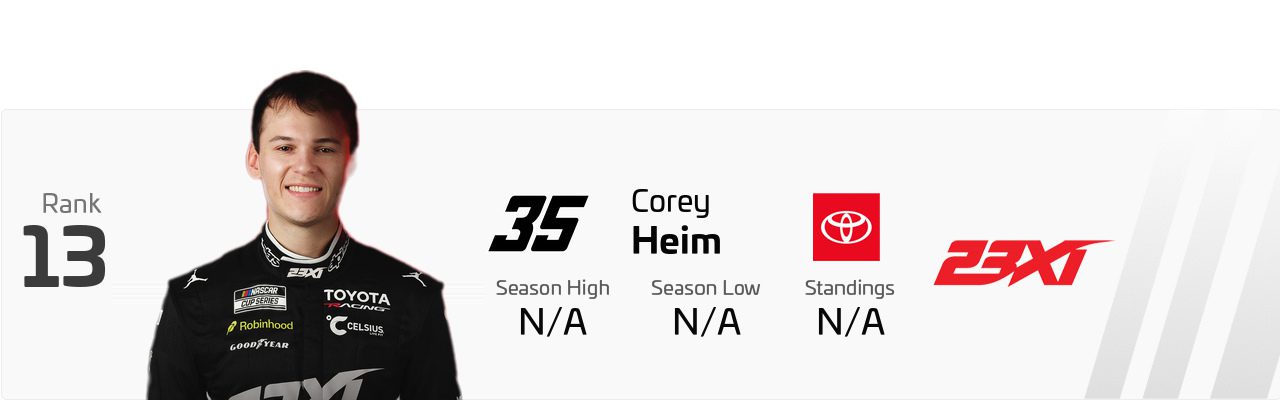
Analysis: Expectations were already substantial for Heim entering 2026, but winning twice in just 12 Cup starts – including the Brickyard 400 – was an extraordinary introduction to NASCAR’s highest level. Those performances validated 23XI Racing’s decision to move him into the No. 35 Toyota full time for 2027, immediately making him one of the sport’s most intriguing championship prospects. Still, succeeding in carefully selected appearances and navigating an entire Cup season are different challenges. The talent and equipment suggest an exceptionally high ceiling, but a little restraint is warranted until we see how Heim handles the full-time grind.
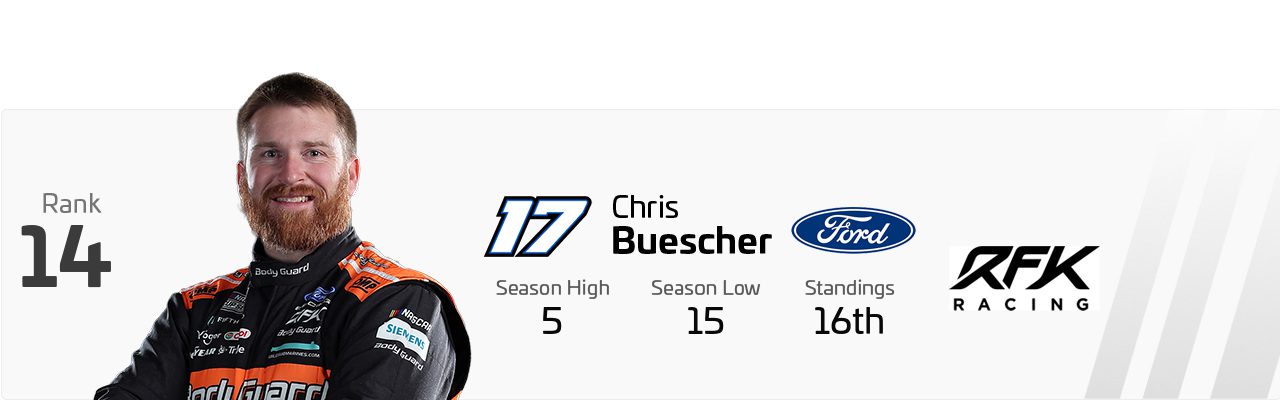
Analysis: The move back toward a cumulative-points championship format seemed tailor-made for Buescher’s steady approach, but 2026 didn’t produce the breakthrough RFK Racing had hoped for. He managed just two top fives, failed to win and finished last among the 16 Chase participants. The No. 17 team’s occasional flashes of speed never translated into the sustained results necessary to challenge the elite. Buescher remains one of the series’ more capable veterans, though 2027 is shaping up as an important opportunity for RFK to demonstrate that its development has moved beyond merely respectable performances.
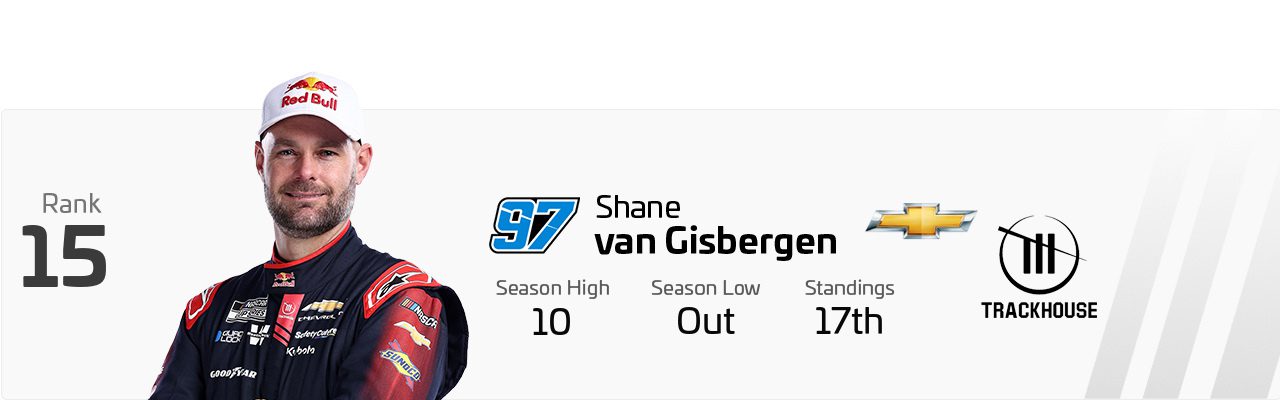
Analysis: The road-course brilliance continued in 2026, with van Gisbergen winning at Watkins Glen and Sonoma, but missing The Chase underscored how much work remained on ovals. Now comes another intriguing wrinkle: Blake Harris arrives from Hendrick Motorsports to replace Stephen Doran, ending a partnership that produced seven Cup victories over the past two seasons. Harris brings considerable experience, but changing the combination behind such an effective road-course operation introduces uncertainty (though it doesn’t, of course, change the guy holding the steering wheel’s extensive road-racing experience). For 2027, the challenge is clear: Find more consistent oval results without sacrificing the dominance that has made van Gisbergen nearly unbeatable on his preferred tracks.
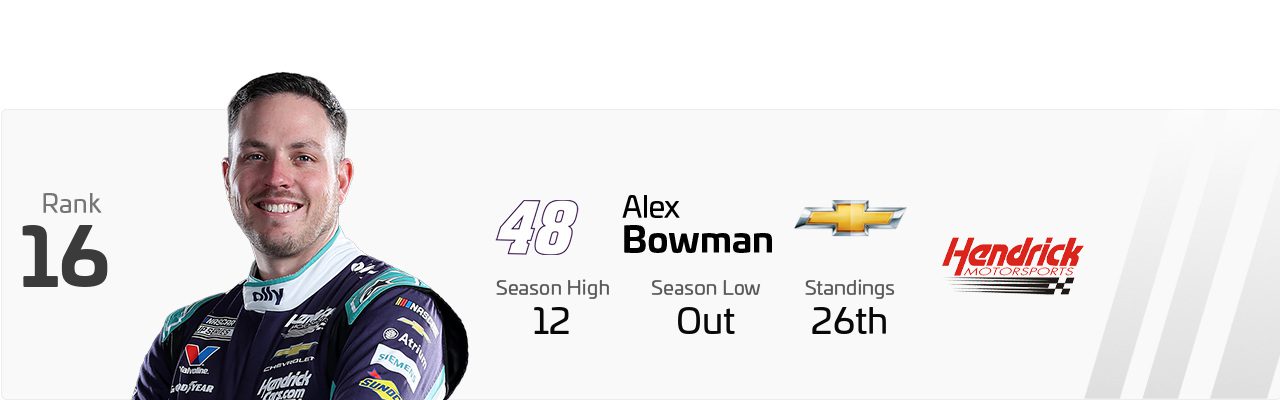
Analysis: A difficult 2026 became considerably more complicated when Bowman was sidelined by vertigo early in the season. He eventually returned, but finished 26th in points without a victory, falling well short of expectations for a Hendrick Motorsports driver. Now, entering his final full-time Cup season, Bowman faces another significant adjustment with longtime crew chief Blake Harris departing for Trackhouse Racing. A replacement has yet to be announced as of Tuesday, leaving an important piece of the No. 48 team’s 2027 outlook unresolved. There’s still championship-capable equipment underneath Bowman, but a strong farewell campaign will require both a return to form and a productive new crew-chief partnership with little time to gel.
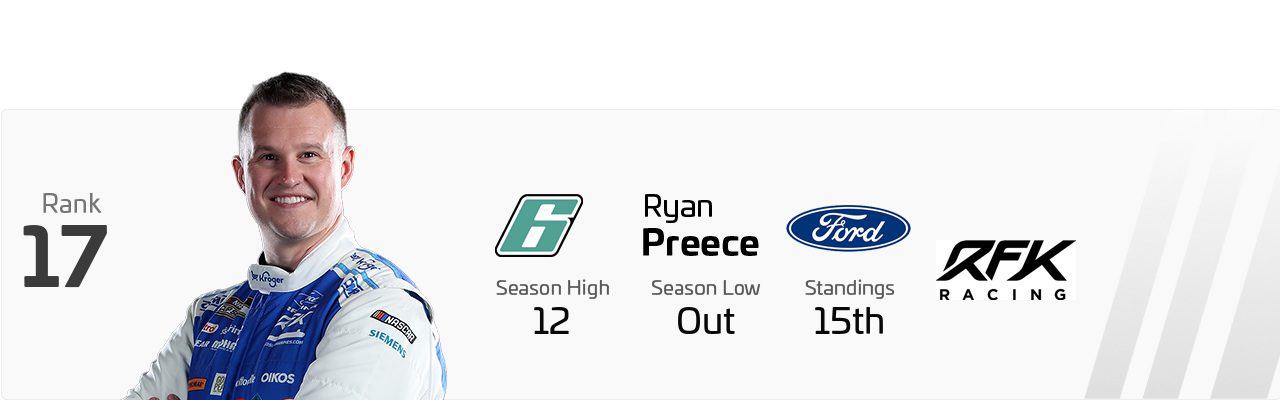
Analysis: Preece’s steady development at RFK Racing finally produced the breakthrough he’d been chasing, as a dramatic Daytona victory secured his first Cup win and a place in The Chase. A 15th-place championship finish represented further progress, though the victory was also his only top-five result of the season. Now moving into RFK’s flagship No. 6 Ford following Brad Keselowski’s departure, Preece faces a completely different level of expectation in 2027. The talent has been apparent for years; now the next step is showing he can compete for victories beyond the occasional breakthrough afternoon.
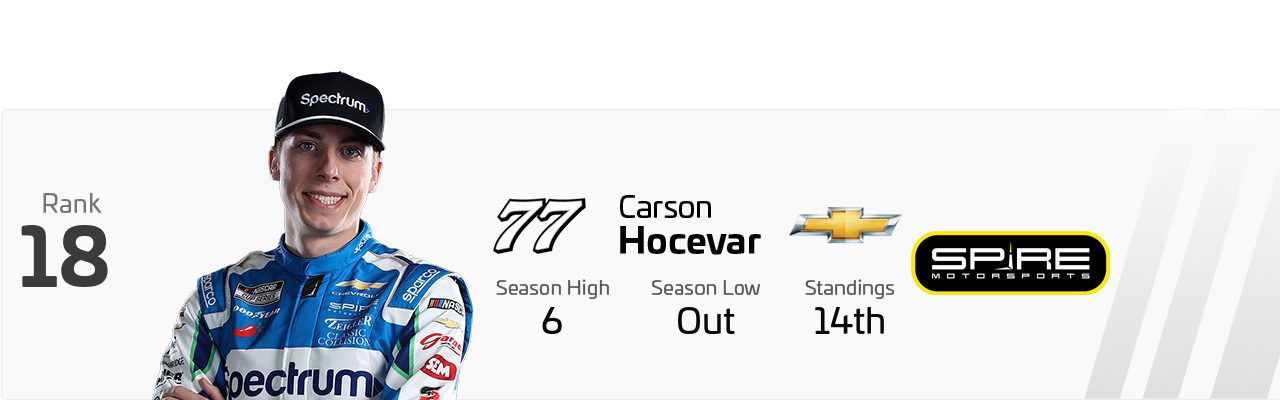
Analysis: Hocevar entered 2026 with significant momentum, but still in search of his first Cup victory. He finally found it at Talladega, added six top fives and made his first Chase appearance, all meaningful steps forward for one of the sport’s most talented young drivers. Unfortunately, that wasn’t all, as a late-season disciplinary controversy and suspension from the Homestead finale — along with a high-profile Bristol fight, among other things — underscored that his development remains unfinished. Hocevar has shown he can contend with the best drivers in NASCAR, but for 2027, his championship prospects may depend as much on channeling that aggression productively as on finding additional speed.
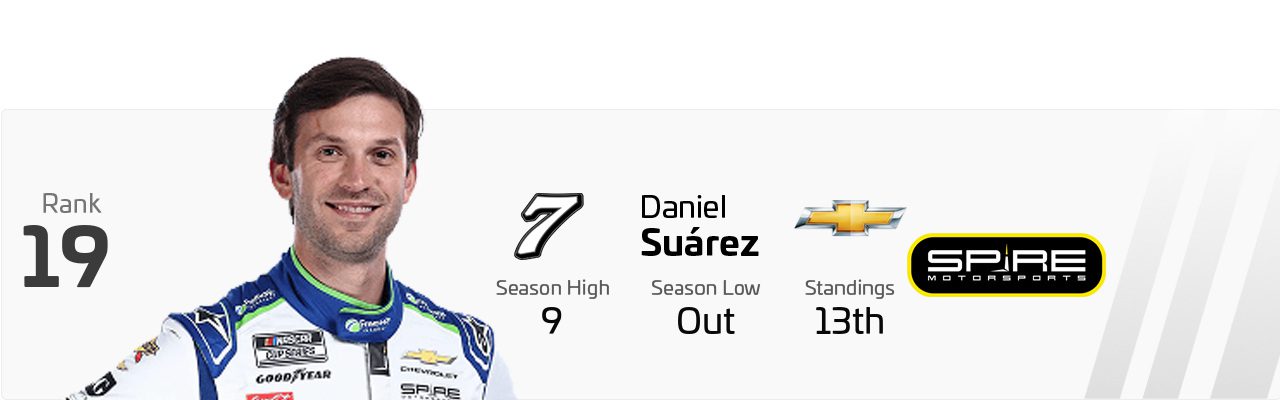
Analysis: Moving to Spire Motorsports in 2026 represented a fresh start for Suárez, and the transition produced one of the season’s defining moments with his rain-shortened Coca-Cola 600 victory in the wake of his former friend and mentor Kyle Busch’s passing just days earlier. The win, along with a season’s worth of steadiness, helped propel him into The Chase and a 13th-place championship finish, a respectable return for a driver adapting to yet another new organization. Still, only three top fives suggested there was room for considerable improvement beyond that signature evening. With a full season at Spire behind him, Suárez enters 2027 looking to turn a successful debut campaign into something more consistently competitive.
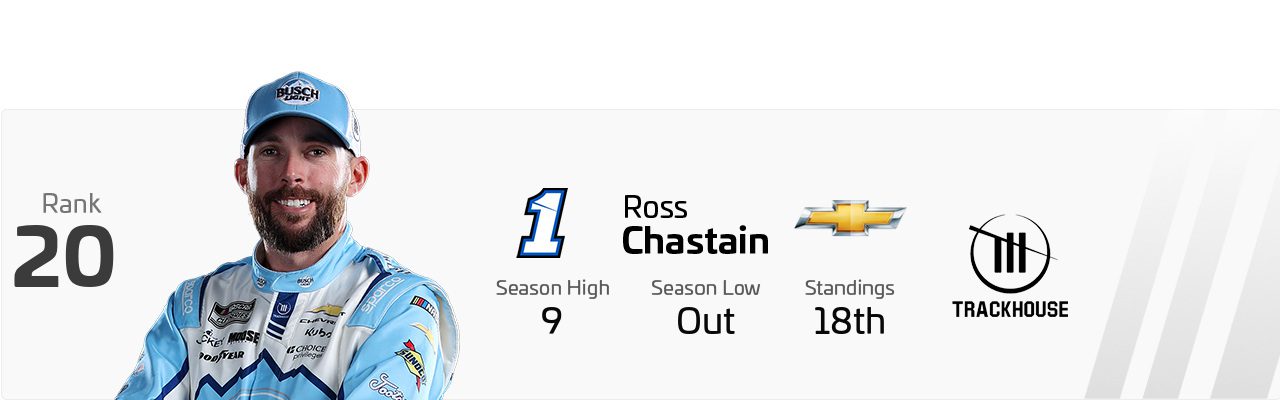
Analysis: Trackhouse Racing entered 2026 having made a significant crew-chief change in hopes of restoring the No. 1 team’s former competitiveness. Instead, Chastain went winless, collected just three top fives and missed The Chase entirely, ultimately finishing 18th in points. It was another frustrating campaign for a driver who once appeared firmly established among NASCAR’s emerging championship contenders. The talent, in theory, hasn’t disappeared, but the results have increasingly struggled to justify that earlier promise. With another year to develop the pairing, 2027 needs to produce a much more convincing return to form.
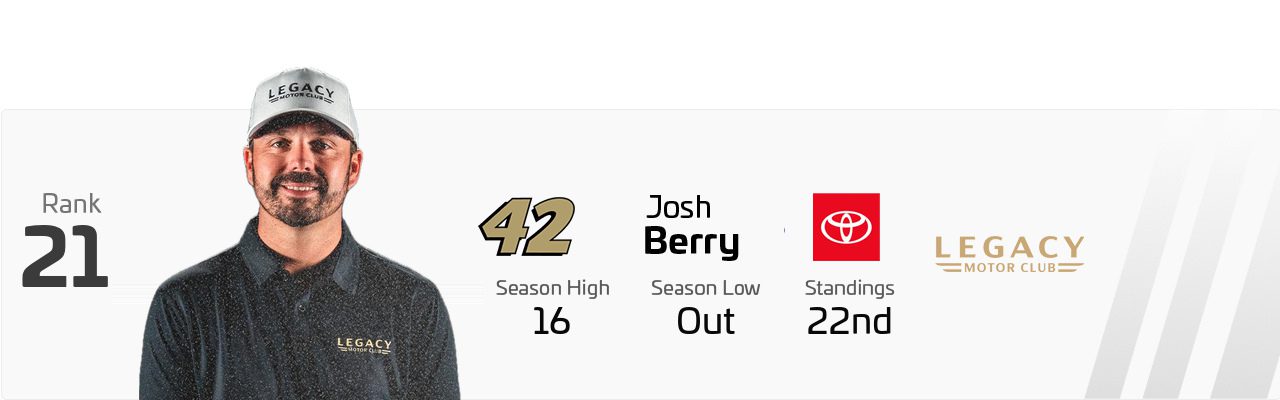
Analysis: Berry’s second season with Wood Brothers Racing didn’t produce a repeat of his breakthrough 2025 Las Vegas victory, but there were encouraging stretches — unfortunately for him, not until after the team announced he would not return in 2027 — that suggested more potential than his 22nd-place standings finish might indicate. A six-race top-10 streak during the summer and continued relevancy during The Chase races were particularly impressive, but the overall campaign lacked the consistency required for serious championship contention. Now moving to Legacy Motor Club’s No. 42 Toyota, Berry gets another opportunity to establish himself in a new environment, and it’s easy to see him thriving there. His 2027 outlook is closely tied to whether Legacy can provide the equipment to build on those flashes of form, but it’s a team headed in the right direction and he could be a big part of its evolution.
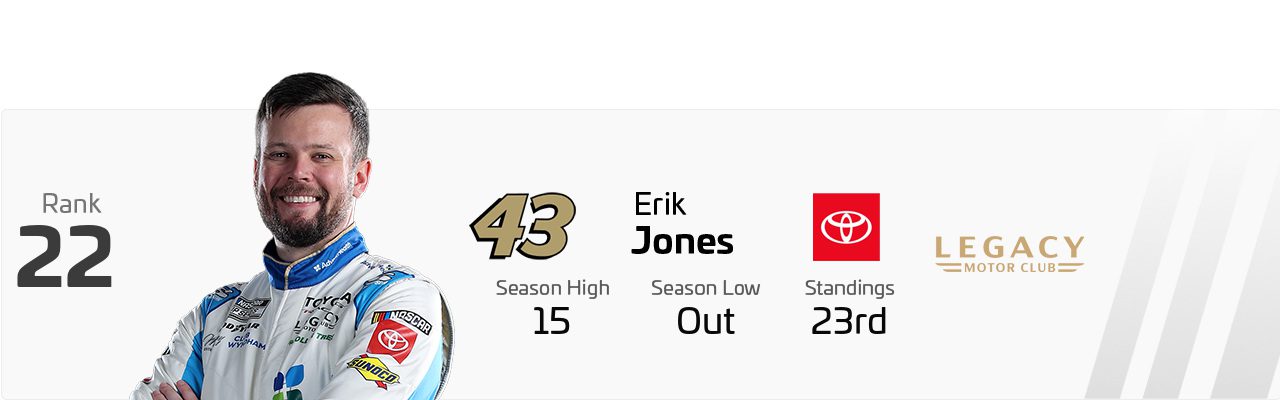
Analysis: The expectations surrounding Jones and Legacy Motor Club were relatively modest entering 2026, and the results did little to dramatically alter that outlook Two top fives and a 23rd-place points finish represented another season spent mostly outside serious contention, despite the organization’s ongoing efforts to strengthen its operation. Some things take time, however, and the arrival of Josh Berry and other changes across the Legacy lineup could provide fresh momentum in 2027, but Jones still needs stronger week-to-week results. His Cup-winning experience remains valuable; the question is whether the equipment can consistently put it to use.
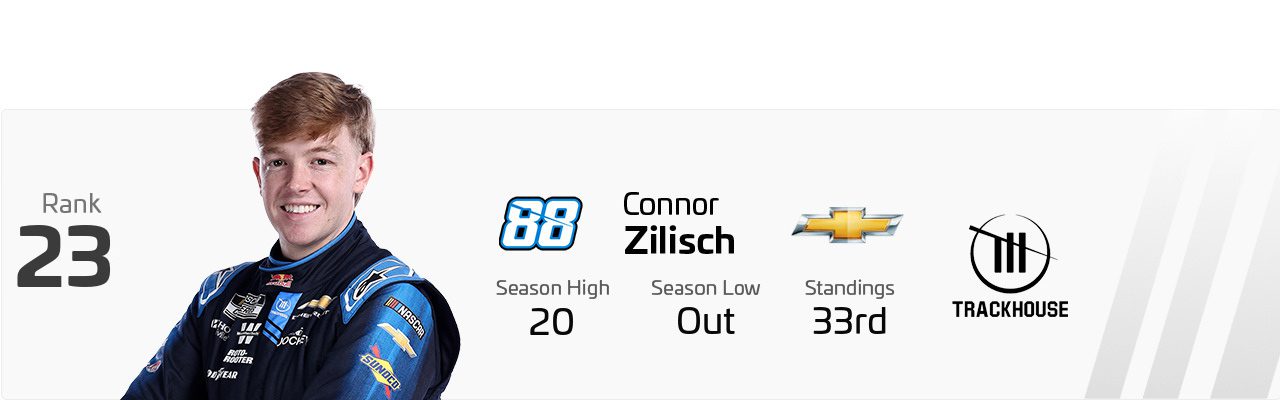
Analysis: Zilisch arrived in the Cup Series with enormous expectations after a dominant 2025 O’Reilly Auto Parts Series campaign, but his rookie season offered a reminder of just how difficult the transition can be. Just two top 10s and a 33rd-place points finish fell well short of the immediate impact some anticipated from NASCAR’s premier young prospect. Still, one challenging season shouldn’t erase the talent that made him such a coveted addition to Trackhouse Racing in the first place (and, in 2028, Hendrick Motorsports). The experience gained in 2026 should prove invaluable, and a substantial sophomore improvement remains entirely plausible heading into 2027 and then from there the sky’s the limit.
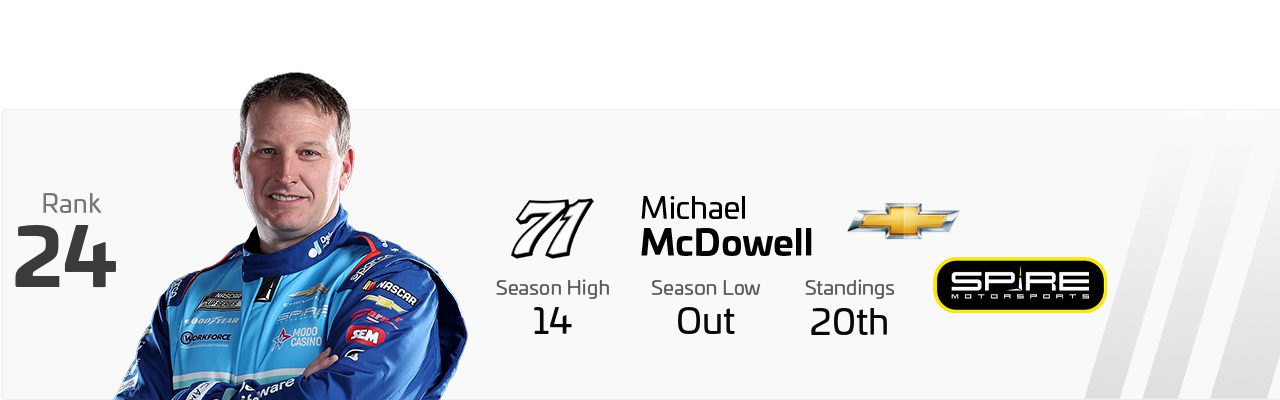
Analysis: McDowell’s second season with Spire Motorsports brought modest progress but little evidence of a major competitive breakthrough, with three top fives and a 20th-place finish in the standings. The outlook for 2027 just became considerably more interesting, however, with Stephen Doran returning to Spire to serve as crew chief of the No. 71 Chevrolet. Doran won seven Cup races working with Shane van Gisbergen over the past two seasons, bringing proven road-course expertise to a driver who already excels on those tracks. The pairing offers genuine upside, though more consistent oval performance remains essential if McDowell hopes to become a serious championship contender. Still, he’s a dark-horse Chase contender.
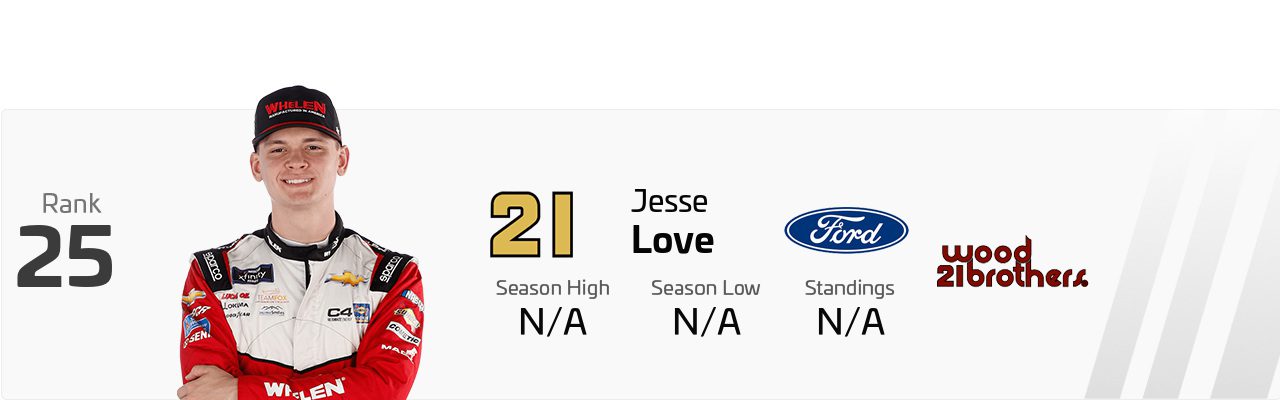
Analysis: Love entered 2026 seeking to defend his O’Reilly Auto Parts Series championship and came agonizingly close, finishing just 14 points behind Justin Allgaier after another two-win campaign. That performance reinforced his credentials as one of NASCAR’s most promising young talents, even if the repeat title never materialized. Now stepping into the famed No. 21 Wood Brothers Racing Ford for his first full-time Cup season, Love faces the same considerable adjustment experienced by nearly every highly regarded prospect. The championship expectations should remain measured, but the talent and organizational support (and Team Penske alliance) make him a compelling addition to the 2027 field.