Spire Motorsports will host a live stream today at the NASCAR Production Facility in Concord, North Carolina, to announce driver news for the 2026 NASCAR Cup Series season.
The stream will begin at 1 p.m. ET and be available on NASCAR.com and Spire Motorsports’ YouTube channel.
Spire Motorsports was established in 2018 and is co-owned by Jeff Dickerson and Dan Towriss. The organization began NASCAR action the following season in the Cup Series, with its first and only Cup victory to date coming at Daytona International Speedway in July 2019.
The organization has since expanded into the Craftsman Truck Series, beginning in 2022, and fields three full-time entries apiece in the Cup and Craftsman Truck series.
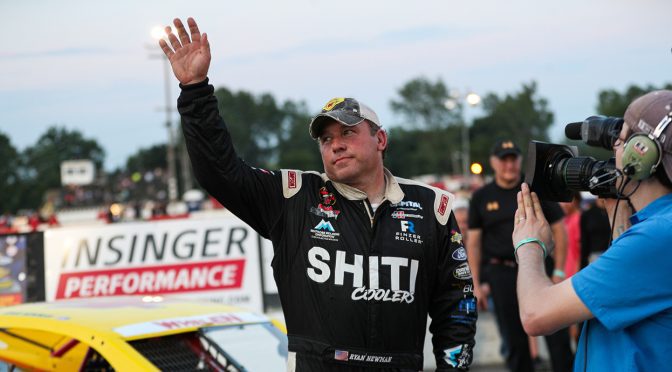
During his time in the NASCAR Cup Series, Ryan Newman managed to take home a grandfather clock from Martinsville Speedway once, doing so in 2012 after capitalizing on a late restart crash involving Jeff Gordon, Jimmie Johnson and Clint Bowyer.
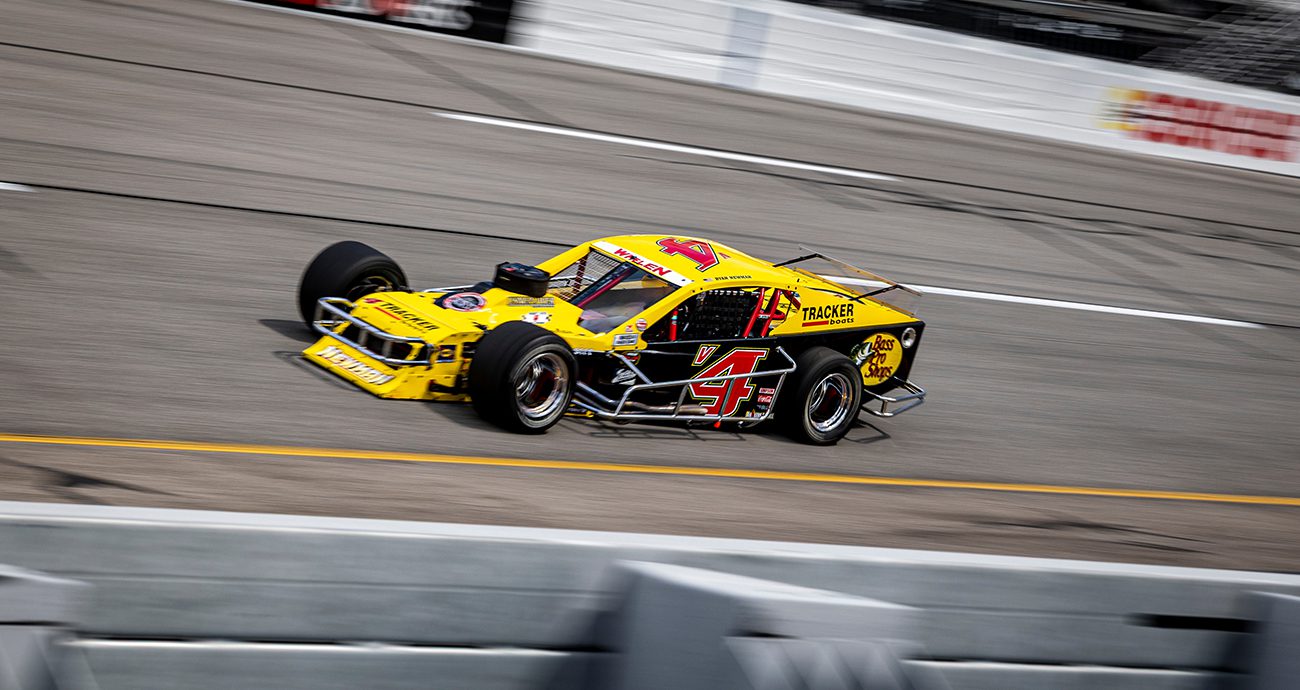
Newman is set to pursue another grandfather clock at Martinsville on Thursday evening, this time piloting the iconic No. 4 Mystic Missile Modified.
The season-ending Virginia is for Racing Lovers 200 for the NASCAR Whelen Modified Tour (Thursday, 7:30 p.m. ET on FloRacing) will be Newman’s fourth start this year in the Mystic Missile, which is now owned by veteran driver Tim Connolly. Although he has not yet placed inside the top 10 with Connolly, Newman is confident he will be competitive against the title contenders and series regulars.
“I’m looking forward to the opportunity,” Newman said. “We’ve had good speed at times with the No. 4 car, but we have zero results to prove for any of it. Our goal is to end the season on a good note. Martinsville [Speedway] is a good track for Modified racing, so we’ll see what we can pull off.”
When Newman made his first Modified Tour start in 2008 at New Hampshire Motor Speedway, it did not take long for him to fit into the series’ competitive culture. He led 28 laps that day before a crash took him out of the race with 14 laps remaining.
Since then, Newman has continued to make infrequent appearances on the Modified Tour nearly every year, earning four victories during that stretch that includes a clean sweep of the three races he entered in 2010. Newman’s commitment to Modified competition also extends to the southeast, where he now races full-time.
In his post-NASCAR Cup Series career, Ryan Newman has spent plenty of time competing in Modifieds around the northeast and southeast. (Photo: Bryan Bennett/NASCAR)
Newman’s passion for Modifieds stems from the simplicity and competitive nature of the discipline. Modified events always pose fun challenges for Newman, who said the cars perfectly represent everything he enjoys about motorsports in general.
“I just like the cars,” Newman said. “I think they are really fun to drive. There’s a lot of really good, quality racing, and nobody complains about being aero tight, track position, horsepower or whatever else. It’s the right design, and it has been the right design for a really long time. The recipe is close to ideal for the performance of a racing car.”
Being around so many figures within the Modified community has allowed Newman to familiarize himself with the discipline’s lore. This includes the history of the Mystic Missile, a car that won championships with Donny Lia and Bobby Santos III while under the ownership of Robert Garbarino.
The current owner of the Mystic Missile, Connolly, won in the car seven times during his career and piloted it to a second-place points finish in the 1997 Modified Tour campaign. Newman’s own journey into the Mystic Missile started when he reached out to Connolly about running his car at Stafford, which blossomed into a part-time effort.
In his three Modified Tour races with Connolly so far, Newman believes the speed has been prevalent in the Mystic Missile despite poor showings. Two strong runs at North Wilkesboro Speedway and Richmond Raceway were undone due to crashes, while a tire issue hindered Newman at New York’s Lancaster Motorplex.
Newman is determined to put together a strong showing in the Mystic Missile at Martinsville, a track where he knows how to win. Just like with the Cup Series, Newman said the key to finding success around Martinsville starts with a solid qualifying effort and figuring out how to maintain track position until the checkered flag.
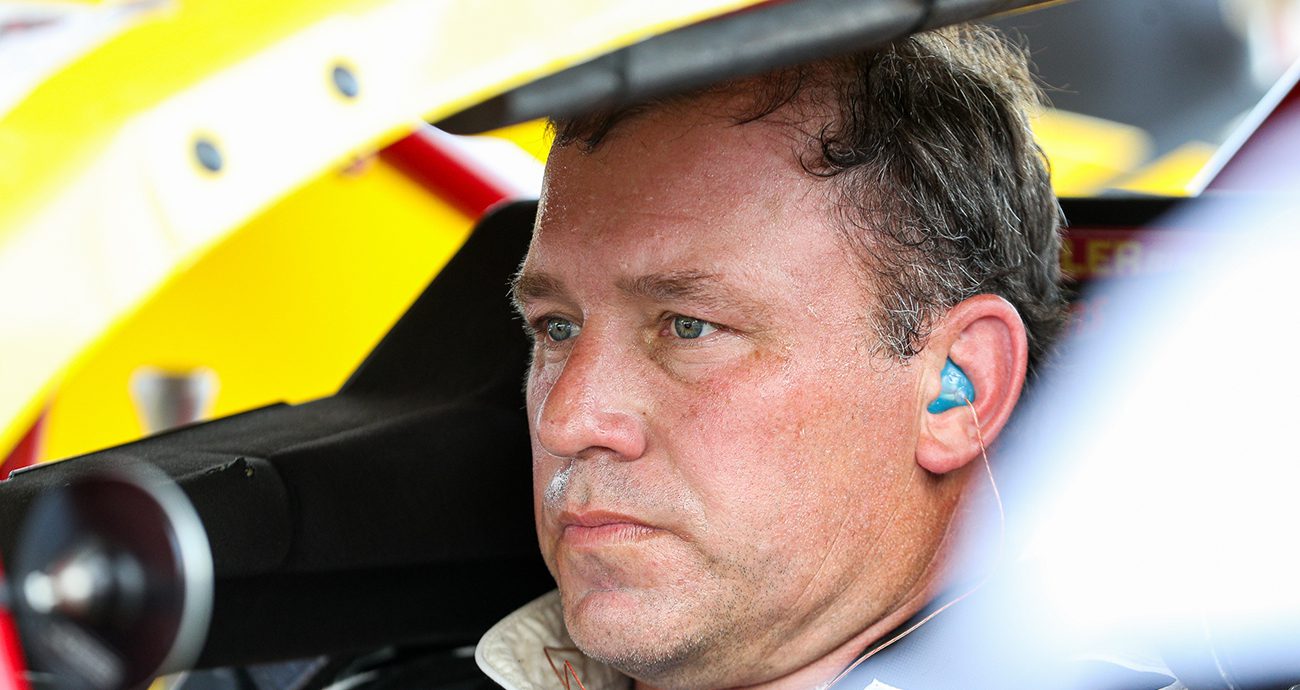
Bad luck has hindered Ryan Newman in the Mystic Missile, with his best finish being a 13th at North Wilkesboro Speedway. (Photo: Rob Branning/NASCAR)
“We have to be considerate of the guys who are racing for a championship,” Newman said. “There’s some guys who are going to be racing hard and have the potential to drive over their heads to try and make something to win a championship. It doesn’t really matter where you’re at; you just have to be mindful of where everyone else is at the same time.”
Newman feels the Virginia is for Racing Lovers 200 presents one of his best opportunities to win a Modified Tour race in recent years. Along with having many crew members from the south accompanying him to Martinsville, the Mystic Missile is also fully sponsored courtesy of Bobcat, USNE, Finzer Roller, Montrose Molders, Keydisplay and Ellery’s Pub.
If Newman does prevail Thursday night, it would be his first Modified Tour victory since 2011 at Bristol Motor Speedway. He wants to join the elite list of winners in the Mystic Missile and prove to everyone the iconic car can still triumph on such a big stage.
“[A win would] be pretty special because of the lack of success this year even though we’ve had speed at times,” Newman said. “Ultimately, this is about going up [to Martinsville] with another opportunity with a good car and good everything else. We’ll see how it shakes out.”
Much has changed for Newman since he grabbed his lone Martinsville win of any kind more than a decade ago, but the seasoned veteran has found a home in the Modified discipline. He is ready to notch another Modified Tour victory not just for himself, but for one of the series’ most cherished cars.
Those professional milestones define part of his story but not all of it. The other is defined by his character: A friendly, helpful, driven and confident-yet-gregarious face from Central New York who was always ready for a post-race party.
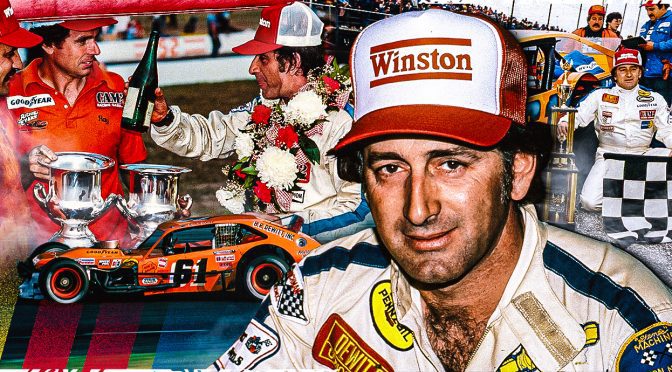
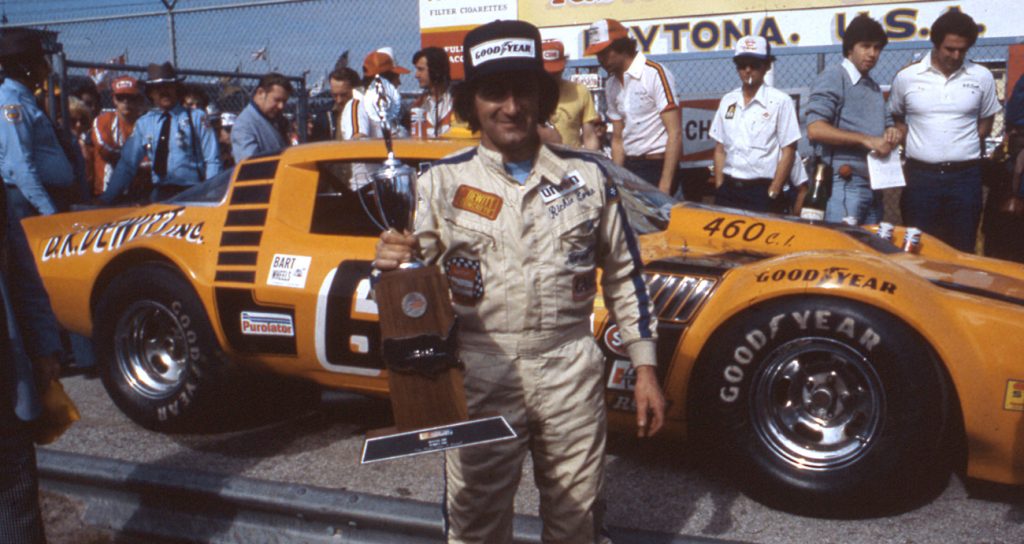
On Oct. 24, 1985, Evans died driving a Modified stock car around Martinsville Speedway in Virginia, practicing for the finale of the inaugural Modified Tour season. His legacy lives on four decades later. And while there was no one like him, it’s hard for longtime industry voices to avoid drawing obvious parallels to another NASCAR Hall of Fame icon: seven-time Cup Series champion Dale Earnhardt.
Mike Joy, FOX Sports’ lead NASCAR announcer, was on the call when Earnhardt was killed in a last-lap crash at the 2001 Daytona 500. He also was at Martinsville Speedway on the day Evans died (set to broadcast what should have been Evans’ championship coronation for the Motor Racing Network). A Northeast native who grew up in Modified country, Joy said Evans’ death “was bigger to Modified racing than Dale Earnhardt’s death was to Cup racing.”
“Certainly there was the same sense of, ‘Well, if it can happen to Richie, it can happen to any of us,’ ” Joy said.
Said Tommy Baldwin Jr., who grew up the son of another Modified legend in New York before winning a Daytona 500 as a crew chief and becoming the competition director for Rick Ware Racing: “Simplest way to put it is, (Evans) was the Dale Earnhardt of the Northeast.”
NASCAR Research & Archives Center | Getty Images
A New Jersey native who grew up immersed in Modified Racing before he became a NASCAR Hall of Fame crew chief for Jeff Gordon, Ray Evernham sees striking similarities between the influence of Earnhardt and Evans.
“The day that Dale Earnhardt died,” Evernham said, “I told people, NASCAR racing is never going to be the same. Cup is never going to be the same. And the day that Richie died, I said same thing. And it’s just not.
“Neither one of those memories or neither one of those sports were ever the same for me.”
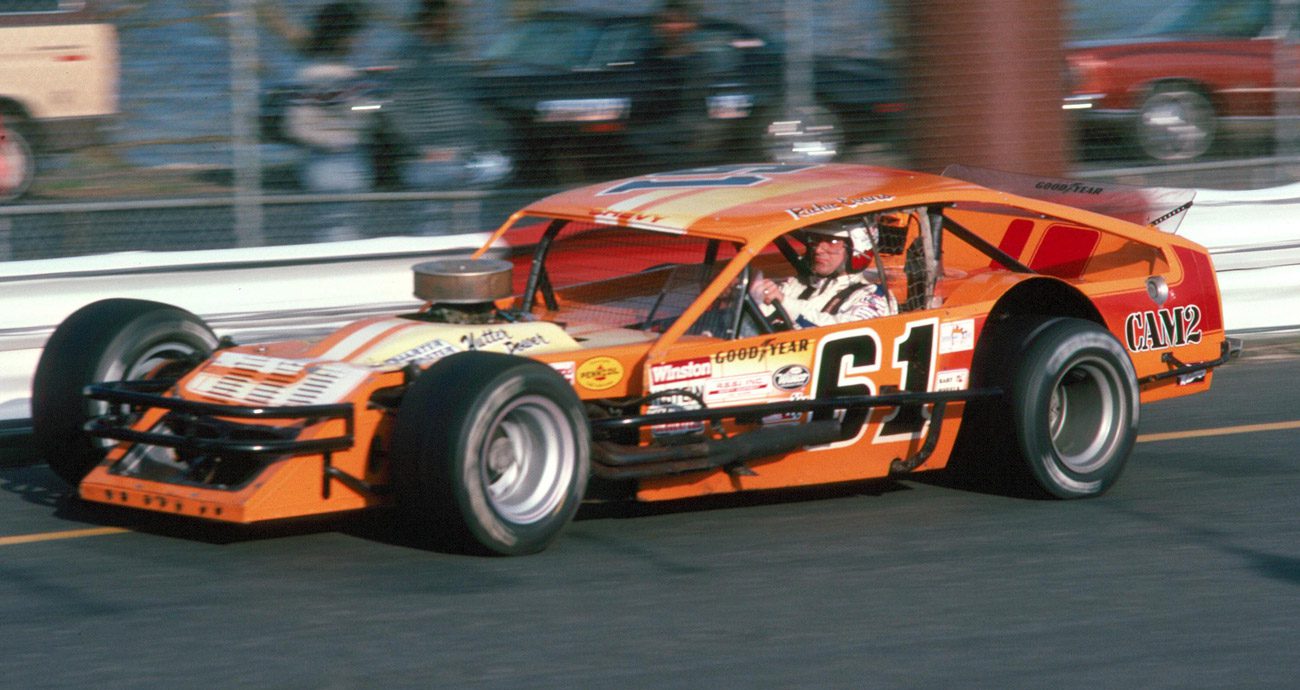
And yet 40 years later, the image of Evans’ bright orange No. 61 stands prominently — fondly — in the minds of those who were fortunate enough to see it sit in Victory Lane. The hope, of course, is that fans of today remember it for another 40 at least.
“The younger people that didn’t get a chance to meet Rich really need to know,” Evernham said. “You need to know what his legacy is.”
That legacy will be remembered this weekend at Martinsville Speedway. Thursday’s Modified race at the famous short track will be held a day before the 40-year anniversary of Evans’ death, which still reverberates decades later.
ECHOES IN ROME
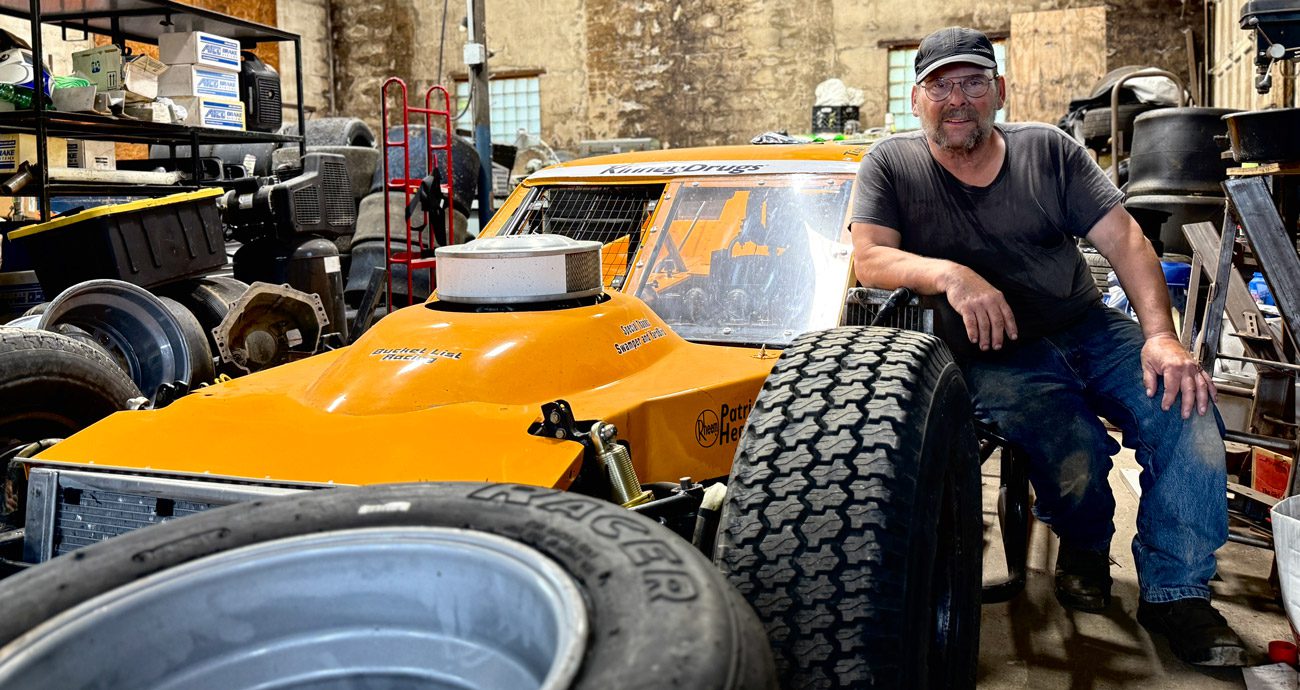
In Rome, New York, some 45 minutes northeast of Syracuse, Richie Evans’ race shop is still operational 40 years after his death. The concrete and stone building is gray and weathered, but the spirit of racing radiates from the garage on Calvert Street.
Inside the building are three men and two Modifieds, which both carry the same color schemes as when Evans’ distinctively orange cars left the building.
As a 15-year-old in 1973, Billy “Bondo” Clark began painting those cars for Evans, using a “Department of Transportation” orange that he first hustled from the city’s garage before he began purchasing it from the now-shuttered Mangino Auto Supply.
“It was the same number — 1021,” Clark said. “And it’s actually more of a yellow than it is an orange, but it turns orange after it ages a bit.”
Zach Sturniolo | NASCAR Digital Media
At 67, he’s still painting cars out of the same shop, now for Tony Pettinelli as they prepare the No. 2 NY Modified for another race at the nearby Evan Mills Raceway Park.
Evans’ first garage was up the street from its current location, right on the corner where Pettinelli and friends once congregated just to admire Evans’ coupes and get stickers for their bicycles. Eventually, Pettinelli lingered around long enough to earn a job. And as much as Evans’ reputation for having fun looms large, he also could be a taskmaster.
“The No. 1 goal was the orange car came first,” Pettinelli said. “That’s it. We won as a team. We lost as a team. We worked as a team. There was no I. Believe me, that guy wrote the book on that. There is no I ever. And you listen to any of his interviews, it was, ‘We did this, we did that. We won the race. We suck. We whatever.’ We never said, ‘I did this,’ unless you were taking responsibility for something.”
Evans made sure his team knew it was a joint effort from start to finish. From Pettinelli to Clark to crew chief Billy Nacewicz and Ray Spognardi, there were always plenty of hands on deck to help prep that iconic No. 61.
“There’s no man working in my garage an hour that I’m not there working with him,” Evans said in a radio interview. “I think that makes the guys work better, and I don’t just pop in the garage and say, ‘Hey, why the heck didn’t you do this or that?’ And I think they feel like if I’m that committed, they should be that committed, and I think it makes everything work better.”
In Evans’ heyday, the front room of the shop was filled with tires left and right, thanks first to a Firestone deal and later one with Goodyear, Pettinelli said. As strong a mechanic as Evans was, his knowledge of how the tires would react was even stronger.
“He could tell you what that tire was going to do before it did it,” Pettinelli said. “I don’t know what it was, how he saw them, after you scuffed them in, whatever – he just had an unbelievable knowledge of tires.”
But there was also an uncanny awareness that Evans carried with him around the track.
“He’d tell you something that went on half a lap behind him, and he’d tell you what the guy did,” Pettinelli laughed. “We’d look at each other and play the ‘The Twilight Zone’ (theme). Used to do that all the time.”
Tires and awareness were key, but so, too, was setting up the car for success. Evans was masterful with a wrench and knew what he needed to feel in order to lead when the pay window opened.
“He was a genius mechanic,” Clark said. “He just had a feel for stuff. He had an ear for (it). He knew why stuff worked the way it did. He grew up on a farm where they didn’t have a lot of money and you had to fix stuff. He was good at that. He was gifted.”
A FATEFUL PLACE AND TIME
Martinsville Speedway also was the site of Evans’ defining win.
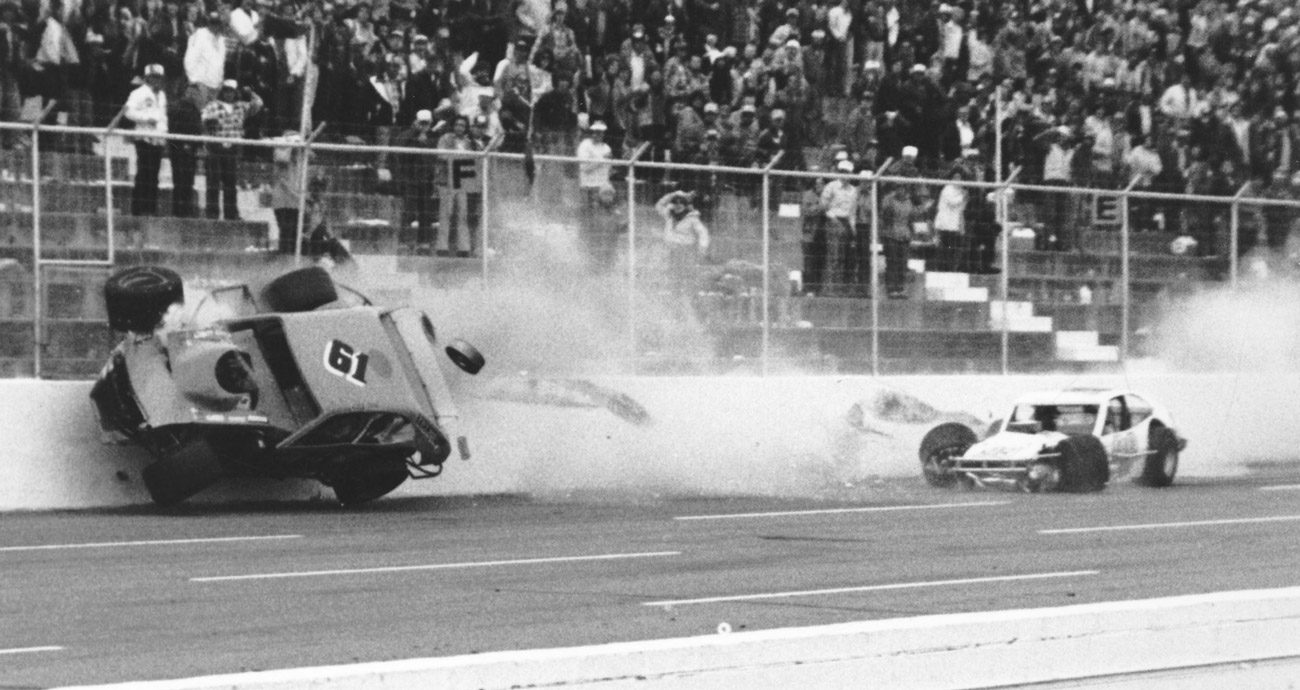
Geoff Bodine had won the late model race before the Dogwood 500 Modified feature began on March 15, 1981. The Modified race began just as well for Bodine, who led a dominant 231 of 250 laps. But coming down to the wire with only four cars on the lead lap, Evans hounded him for the lead in the closing moments.
Baldwin was a spectator that day, watching with his father as the orange No. 61 knocked Bodine’s white No. 99 out of the groove. “I think the wreck at Martinville with Geoff and Rich is probably the most iconic, incredible finish that you can ever have,” Baldwin said.
Evans and Bodine collided on corner exit with Bodine pinched into the outside wall as Evans leaned against him. Bodine’s left front caught Evans’ right rear, sending the No. 61 into the wall and climbing the catchfence while the car tipped on its left side. Parts and pieces blew apart, but Evans never lifted and took home the trophy by leading only the final lap.
“We looked at each other down into the corner,” Bodine recalled to NASCAR.com. “I was at the finish line. We looked at each other. Everyone knew we were gonna go fight each other, but we just looked at each other, kind of shook our heads and went about business. It was racing.”
Jerry Cook, himself a six-time national modified champion from Rome, New York, was riding behind and hoping Evans and Bodine would wreck before the checkered flag. He got his wish — but was foiled as their destroyed race cars still were scored ahead of his. “They were both junk,” Cook said, “but they made it over the finish line.”
NASCAR Research & Archives Center | Getty Images
The moment was the greatest of Evans’ 10 victories at Martinsville, but they would be joylessly overshadowed by his Turn 3 crash during practice on Oct. 24, 1985.
There’s a natural pause each person takes when recalling the day Evans lost his life.
He had already clinched the inaugural NASCAR Whelen Modified Tour championship for 1985 after placing sixth in the season’s 28th and penultimate race at Thompson Speedway. It was a successful year across the board for Evans, who netted 12 wins.
Pettinelli was invited by Evans to tag along to the Martinsville season finale, Though he attended most weekends, Pettinelli turned down the trip to stay home and focus on his job and young family. “I said, ‘Well, I can’t go,’ ” Pettinelli said. “I’m glad I didn’t.”
What exactly happened in the crash remains unknown.
Some racers speculated a stuck throttle sent Evans’ car into the concrete wall between Turns 3 and 4. Others close to Evans speculate that he was suffering a medical emergency before the impact.
No matter what happened to trigger the accident, a racing legend was lost in a flash.
“We have no idea at all why,” a track spokesman told the Associated Press after the crash. “It was just a straight practice session, and the car just hit the wall. No other cars were near him.”
Having spent his childhood racing at tracks all over the East Coast with his father, Baldwin Jr. was at Martinsville that fateful day and recalls running to Evans’ team with saws and tools to extricate him.
“That was a bad day,” Baldwin said. “We actually had a conversation with him right before the practice. Yeah, just a sucky day, man. We lost a legend.”
Evans won eight consecutive national championships. He was revered from the Modified ranks to the Cup ranks, where he made his strongest impressions on the high banks of Daytona International Speedway and bested drivers like Darrell Waltrip and Bobby Allison in exhibition races. In many respects, all he did was win.
The Modified Tour’s inaugural 1985 season was a good example. He won 12 of 28 starts with 17 top fives and 21 top 10s.
And in one corner, Evans was gone.
NASCAR Research & Archives Center | Getty Images
Left to handle the fallout were Clark, Nacewicz and Co. Once the car was returned to the team, Clark hauled it back to Syracuse and met Evans’ wife, Lynn, at the airport as she returned with Evans’ body.
“We met the hearse there, and we followed that back to Rome,” Clark said. “And when I pulled in on the street here, there were cars parked for two blocks in either direction. The place was mobbed. It was a crazy, crazy time.”
Services for Evans were held in Rome at the Capitol Theatre and drew an overflow crowd that included Richard Petty and Bill France Jr. Clark recalls the motorcade to Westernville Cemetery stretching for 10 miles.
Evans’ final race car was cut to pieces by Nacewicz and Clark one night in the privacy of their shop.
“There wasn’t too many parts on the car that were actually savable,” Clark said. “It was crushed pretty good. The cage never moved, but he had a fiberglass seat, an open helmet. They didn’t have the HANS devices back then. None of that stuff. Whether that would have made a difference or not, can’t say.”
What changed as a result of Evans’ death was improving the safety of NASCAR’s Modifieds, much as how the Cup Series became safer after Earnhardt’s death in 2001.
After retiring from racing in 1982, Cook went to work for NASCAR and was the inaugural director of the Whelen Modified Tour when Evans crashed at Martinsville. He worked with top NASCAR officials such as Gary Nelson and John Darby on enhancements to the Modified cars, which had too many short pieces of straight tubing.
“We’re very fortunate that with the changes made to the cars, the opportunity for fatalities in the Modifieds decreased,” Joy said. “We just know much more than we did. It’s just a sea change in safety that’s come since all of this happened.”
TOP OF THE BLUE COLLAR GUYS
With a population of roughly 32,000, Rome, New York, is far from the biggest town in the country (let alone state). Yet the town has produced a modest but notable share of professional sports figures: Major League Baseball Commissioner Rob Manfred; former ballplayer Archi Cianfrocco; and two NASCAR Hall of Famers in Evans and Cook.
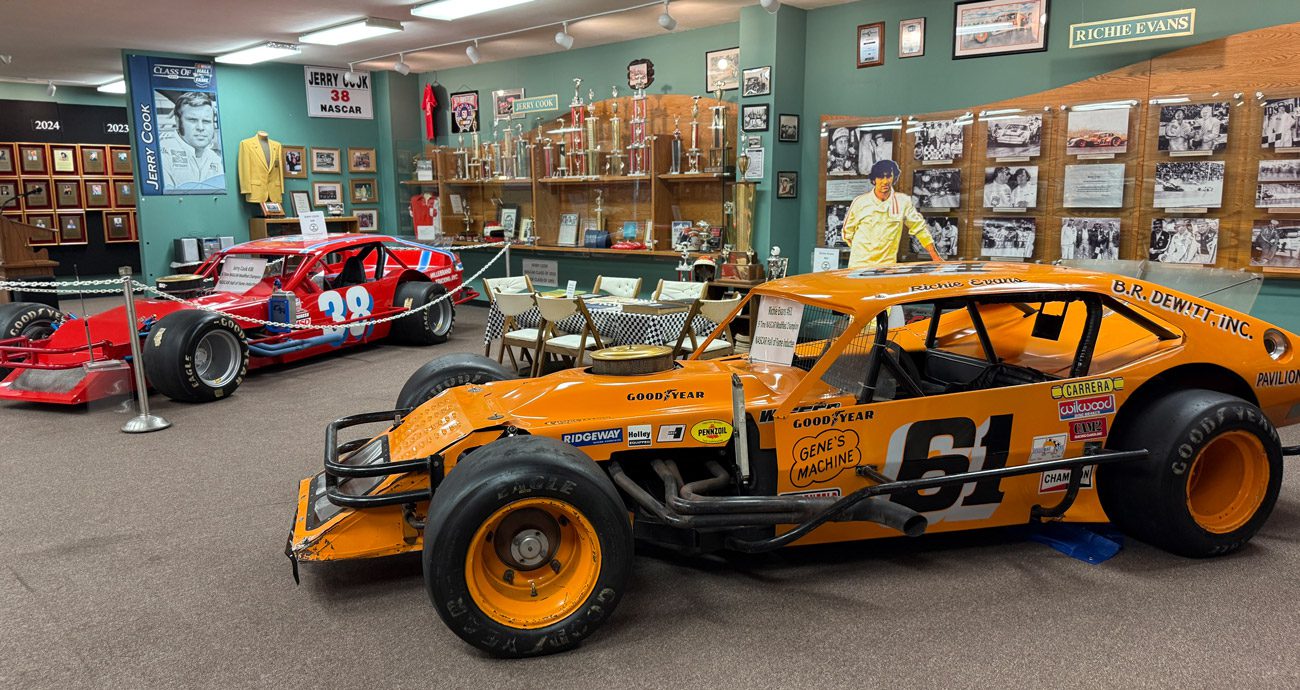
Their histories, along with others, are commemorated in the Rome Sports Hall of Fame, a humble building that sits in front of what was once home to a bustling market at Erie Canal Village. Inside the single-story museum are the monstrous, mean machines Cook and Evans used to race — Cook’s glowing red No. 38 and Evans’ dazzling orange No. 61. Their stories are told through sprawling scrapbooks and the myriad plaques and photos covering the walls.
Prevalent in each piece of memorabilia is Evans’ signature grin. For as easy as Evans made racing look, he was just as easily approached. Anyone who had a question for him was met with sincere advice, whether about driving, suspension parts or tires.
“What was so cool about it is everybody was his friend at the end of the night,” Baldwin Jr. said. “If you wanted to go hang out and have a beer and hang out and talk and shoot the [expletive] and ask questions, he was there.”
Long before he became a mechanic in IROC and then a renowned crew chief and team owner in NASCAR, Evernham said Evans “was always, always, very, very nice to me.
“He was, to me, the top of the blue-collar Modified guys,” Evernham said. “Worked hard, raced for a living, had a beer. And whether you were another championship-caliber racer or just some kid like me, he’d have a beer with you.”
From his home track at Utica Rome Speedway to Stafford Springs in Connecticut and to Daytona International Speedway, Evans was the man to beat. Just ask Cook.
Zach Sturniolo | NASCAR Digital Media
Their home garages were separated by just 3 miles and a couple turns off Thomas Street. For 15 years, the Modified championship stayed in Rome – nine times with Evans, six with Cook. While their rivalry was more friend than foe, the competitive nature between the two knew no bounds.
Before the NASCAR Whelen Modified Tour was formed in 1985, the national championship was determined by points scored in races across the country. Run more races? Earn more points. Win more races? Earn even more points.
That meant tracking — and tricking — your closest competition. Where’s Richie running? Where’s Jerry running? Well, that was up for debate at times because they would send decoy trailers down the highway to disguise which track they were racing.
“What I tell people all the time now is all them stories you heard about me and Richie, they’re all true — and then some,” Cook told NASCAR.com with a laugh.
Regardless of the subterfuge, Evans still was always willing to lend a helping hand.
Setup advice? Sure. Stickers for your bike? You bet. Tire secrets? Don’t mention it.
It was that sort of grace that defined Evans’ character.
“That was kind of selfish on his part in a way, because when he came up on that guy (in a race), he knew that guy wasn’t going to be in the way,” Pettinelli said. “So selfish on his part, but it was also generous.”
Therein lies the importance of remembering one of stock-car racing’s greatest representatives. The trophies, the success, the wins were all critical in establishing Evans’ excellence. But how he treated people off the track is what helped grow the sport, creating more passionate fans, better race car drivers and more thrilling shows.
Joy recalled how Evans put a young Mike Stefanik in his backup car (changing the number from 61 to 16) at Thompson Speedway, launching another NASCAR Hall of Fame career.
“Richie had that kind of influence in the sport and on people,” Joy said. “If Richie said you had talent, man, everybody sat up and paid attention. He was the straw that stirred the drink.”
Until that dark day at Martinsville.
“Just like the song goes, the day the music died, that was it,” Pettinelli said. “That was Modified racing. You can kind of compare it to Cup racing with Earnhardt. The two greatest stars of your sport in their respective areas. Just tough to recover from that.”
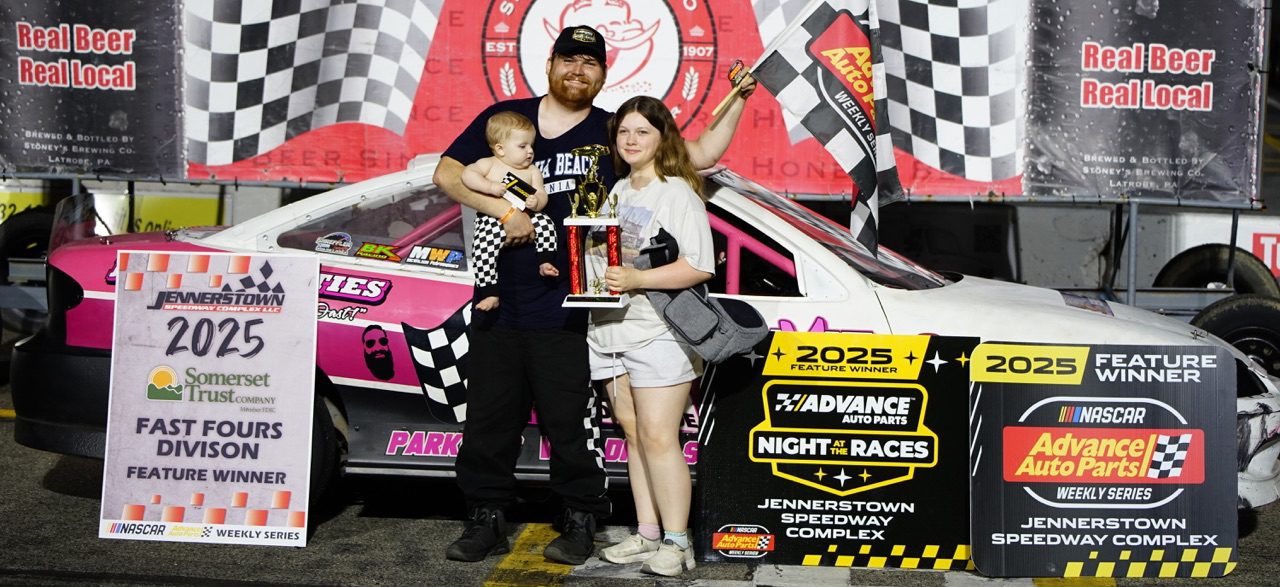
In 2025, on nearly every Saturday from late April to mid-September, Cameron Ruggles loaded up his race car and drove five hours north from his home in Virginia to Pennsylvania’s Jennerstown Speedway.
Plenty of race tracks occupy land much closer to Ruggles’ Chesterfield home, but he wanted to race at Jennerstown.
Why?
Because the 24-year-old believed he could win not just a track championship in Jennerstown’s Fast 4s division, but also the NASCAR Advance Auto Parts Weekly Series Division V national championship.
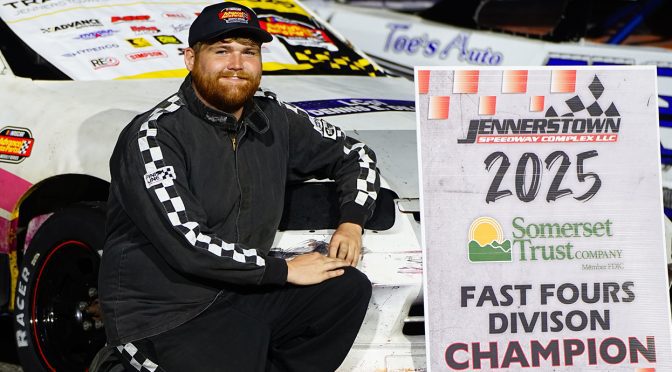
Ruggles’ dream of capturing the Division V title became a reality this year. He scored eight wins in 16 feature starts at Jennerstown and never finished outside the top five, which gave him a 12-point edge on New Smyrna Speedway competitor Zach Curtis in the final Division V standings.
“I’ve been chasing the national title for a few years now ever since I figured out how it worked,” said Ruggles, who began his racing journey 10 years ago at his home track of Southside Speedway. “It means a lot, because I’ve had a lot of years where I would get halfway through the season and have a lot of success, or the motor would blow, or the car would get wrecked.
“This year, everything just went absolutely perfect. It was almost like a Cinderella story for me.”
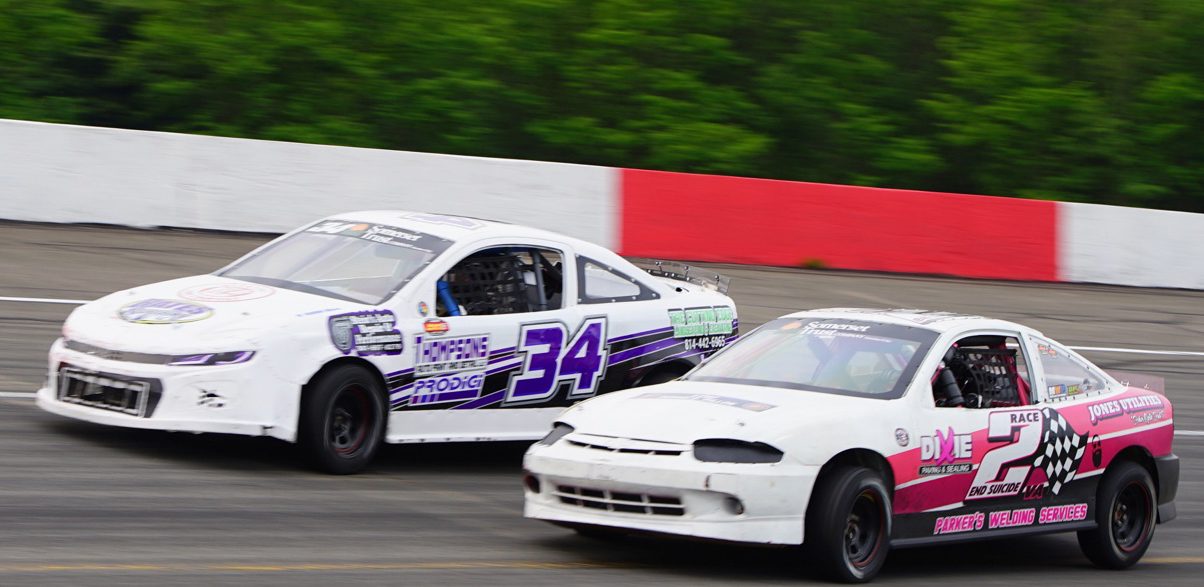
Cameron Ruggles (2) won eight times this year at Jennerstown Speedway on his way to the Fast 4s track championship. (Photo: Jennerstown Speedway)
Prior to 2022, Ruggles had never heard of Jennerstown Speedway. He said he discovered the track while watching FloRacing one evening and decided to make the trip to Pennsylvania to try his luck at the 0.522-mile asphalt oval near the end of the 2022 season.
“In 2022, I was also trying to win the national title, and I had a chance if I went and traveled because our dates didn’t line up with Dominion (Raceway),” Ruggles said.
Ruggles thought he could be competitive at Jennerstown with the car and equipment he had.
He was wrong.
“I thought my car met the rules pretty well,” he said. “I went up there and found out it didn’t. I built a new (car) to go up there because it was a fun race track. I lined up pretty decent the first time, but once I built a car specifically for that place, I ended up winning quite a few races.”
After making several trips back and forth to Jennerstown during the 2023 season, Ruggles said his original plan was to race weekly at the Pennsylvania track in 2024.
However, after winning the opening race of the year at Jennerstown, an engine failure forced him to reevaluate his plans.
“In race two, I blew a rod out of the block and couldn’t afford to fix it,” said Ruggles, who instead spent most of the 2024 season racing at Virginia’s Dominion Raceway. “My first race back (at Jennerstown) was opening night this year.”
Ruggles returned to Jennerstown focused and ready to chase not just the track championship, but the Division V national championship, as well.
He got off to a hot start, winning the first feature of the year on May 10. He failed to win the next two features but then rattled off five victories in his next six starts between June 7 and July 19. He knew then he had a real shot at winning the national title.
“It was always the hope to win the national title, but everything has to go perfect throughout the season,” said Ruggles, who always rewatches his races on FloRacing to see how he can improve for the next event. “Between the first couple races, I didn’t really know if it was going to end up this way. I won the first one on opening night. Then in the next two I struggled. Then I ended up popping off five out of the next six where I started ninth or worse and still won.
“That’s when it became kind of a reality to me that if I stayed where I was and stayed consistent, I could grind out the rest of the season.”
Ruggles won the final Fast 4 feature of the season at Jennerstown on Sept. 13 and locked up the track championship in the process.
He thought then he’d also secured the Division V national championship, but he had to wait until the season ended on Sept. 21 before he officially received word he had done so. He also captured the Division V Northeast Regional championship.
Cameron Ruggles in Victory Lane with his family earlier this year at Jennerstown Speedway. (Photo: Jennerstown Speedway)
“The last two weeks of the season, I couldn’t sleep because I was on MyRacePass every hour just refreshing and checking the points,” Ruggles said. “I knew (winning the national championship) was a possibility, but like I said, everything has to go perfect.”
Ruggles’ championship season wouldn’t have been possible without sponsorship and support from Jones Utilities, Dixie Paving & Sealing, Parker’s Welding and Fabrication Services, Bill Horner, TORP Chassis, BK Racing, Shreffler Tuning and 4Putt Race Engines.
He also credits his crew chief Eric Robertson, his girlfriend Gracie Leach and his parents for helping him in his pursuit of his goals.
Looking back on his season and the countless long days and nights on the road traveling, Ruggles said every moment was worth it thanks in large part to the welcoming family atmosphere at Jennerstown.
“They made it about as smooth as I could possibly describe it,” Ruggles said. “The track is on the up-and-up, and that’s what I’m more impressed with than anything. I love seeing race tracks thrive. That’s a beautiful facility, and they deserve it.”
Ruggles, who will be one of the many champions honored during the upcoming NASCAR Regional and International Awards on Nov. 21 in Charlotte, North Carolina, is already looking ahead to 2026.
He said the plan is to return to Jennerstown next season and try to become the first driver since Chris Vannausdle in 2020-21 to repeat as the Division V national champion.
“Next year I’m going back to Jennerstown hopefully to chase another one of these things,” Ruggles said.
Goodyear will introduce a new left-side tire for Sunday’s NASCAR Cup Series Playoffs race, bringing a softer compound to Martinsville Speedway.
Goodyear officials indicated that the new left-side tire should wear more aggressively than the previous left-side setup at the 0.526-mile Virginia short track. That should bring more tire fall-off to Sunday’s Xfinity 500 (2 p.m. ET, NBC, Peacock, HBO Max, MRN Radio, SiriusXM NASCAR Radio, NBC Sports App), the postseason’s Round of 8 finale and the penultimate race of the Cup Series season.
The left-side tire for Martinsville was the product of a Goodyear test in July at New Hampshire Motor Speedway. The right-side tire for Sunday’s 500-lapper was previously used at Martinsville in March and at New Hampshire’s playoff race in September.
Two of the eight remaining playoff-eligible teams were involved in the New Hampshire tire test — Christopher Bell driving for the No. 20 Joe Gibbs Racing Toyota team and defending Cup champion Joey Logano with the No. 22 Team Penske Ford group. No. 20 crew chief Adam Stevens said Tuesday that he expects the extra track time to be helpful, even though there are significant differences in the track types (New Hampshire’s layout being roughly twice the size of Martinsville) and the weather (with far cooler temperatures for the race this weekend vs. the test in the summertime heat).
“It’s something we have to lean on and study a little bit,” Stevens said. “We actually got some laps on the Martinsville left-side, so I know a lot of guys didn’t and don’t that certainly didn’t do the test. So, we do have some data to corroborate and look at and study. It’s going to be a different race. You know that the track surface is so much different, and then the ambient conditions are going to be so much different, that how it takes rubber and lays rubber and behaves is going to be a completely different animal, but it’s something I’d rather have than nothing.”
Paul Wolfe, crew chief for Logano and the No. 22 team, agreed, noting how high temperatures in the low 60s with a forecast for cloud cover could impact tire wear and performance.
“I’ve been a part of these tests and seen tire wear drastically change based on temperature, and we’ve seen it at Bristol [Motor Speedway] as well, so a little bit of a question mark,” Wolfe said. “But you know, that’s what we have to prepare for, the unknown, and trying to put our best foot forward as the most educated guess we can of what’s going to happen, and how much does that really change the setup in the car. There are things potentially that you’re going to do differently if you knew exactly what was going to happen, so you find yourself making compromises potentially with that unknown.”
Tire setups for Saturday’s Xfinity Series race and Friday night’s Craftsman Truck Series event will remain the same as they have at Martinsville since 2022. All three NASCAR national series will determine their Championship 4 fields after Martinsville.
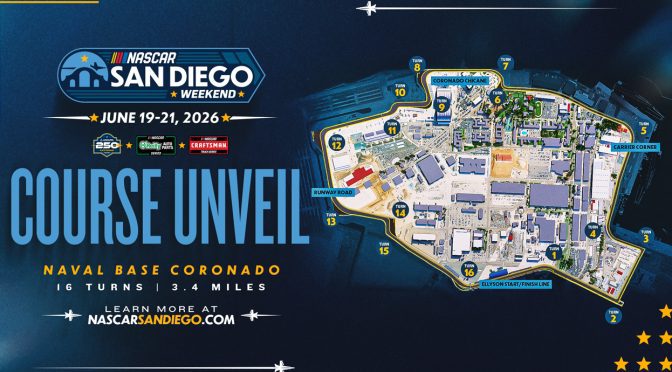
SAN DIEGO — Earlier today, NASCAR declassified renderings of the street course it will use for next year’s NASCAR San Diego Weekend presented by Anduril. Digital renderings and maps reveal a challenging 16-turn, 3.4-mile street circuit at Naval Base Coronado that mixes high-speed action with breathtaking views. The street course will also provide a star-spangled backdrop to celebrate the 250th anniversary of the United States Navy, June 19-21, 2026.
“It’s so exciting to finally share the street course layout and provide this first look for our longtime and new fans,” said NASCAR San Diego President Amy Lupo. “Anticipation for this event is already high, and we know this course layout will raise that level of excitement even higher. We can’t wait to see how the best drivers in the world meet this challenge, while celebrating America’s Navy.”
Grandstand seating and hospitality will be available throughout the circuit, the longest course on NASCAR’s 2026 schedule. It features a quick right-hand turn after the Ellyson Start/Finish Line, before two quick 90-degree left-handers launch competitors on a high-octane journey around the San Diego Bay and one of the world’s foremost military installations, Naval Base Coronado.
Course highlights include:
The Ellyson Start/Finish Line: Named in honor of Commander Theodore Ellyson, Naval Aviator Number One. His training at North Island laid the foundation for its commissioning as a naval air station in 1917 and eventual recognition as the “Birthplace of Naval Aviation.”
Turn 5, Carrier Corner: This sharp left-hand turn is located between the docking location of two aircraft carriers.
Turn 8, Coronado Chicane: This begins a series of turns that will provide drivers with a steep challenge as they speed toward the interior of the base.
Turn 14, Runway Road: Aptly named, given it is located near the north end of Runway 18/36 at Halsey Field.
NASCAR San Diego Weekend presented by Anduril begins with Navy Community Day on Friday, June 19, 2026, with plans to honor the military forthcoming. Friday access will be open exclusively to members of the U.S. Navy at Naval Base Coronado and a limited amount of Coronado residents and then culminate with the NASCAR Craftsman Truck Series race.
Ticket holders from the general public will be welcome aboard June 20-21, 2026. The NASCAR O’Reilly Auto Parts Series will take center stage on Saturday, June 20, and the stars of the NASCAR Cup Series will compete in the Anduril 250 Race the Base on Sunday, June 21.
Race fans have already begun placing deposits for pre-sale tickets at NASCARSanDiego.com. The ticket pre-sale window for depositors begins Oct. 23, with tickets going on sale to the public on Nov. 7.
In the first couple of races, Werner broke multiple transmissions and couldn’t figure out why. He ended up having to tear apart his race car and seek professional advice on the problem. He ultimatelty installed a new drive shaft, and off he went.
“It was probably the fourth or fifth night out, I believe, when we finally got the problem figured out,” Werner said. “It turned out to be pretty good.”
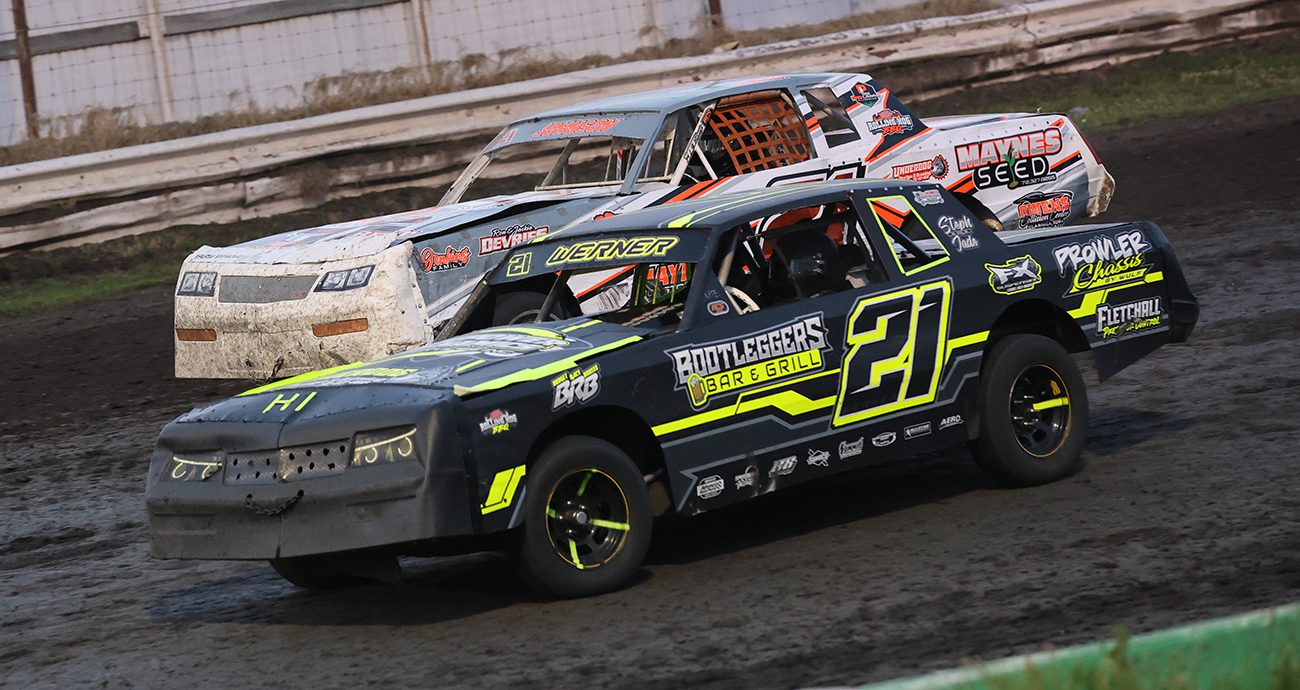
From there, Werner went on to win seven races and pick up 17 top-five finishes in Adams County’s Hobby Stocks by Hulett & Sons Salvage division.
He narrowly missed out on his first championship at the Corning, Iowa track, coming in second by six points. But he came away with multiple wins in the bigger picture.
Werner captured both the NASCAR Advance Auto Parts Weekly Series Division IV national championship and the Midwest regional championship, the first of his career for either feat. Those titles count drivers’ 14 best results throughout a season.
“It’s pretty awesome to be able to pull something like that off, especially after the start of the season,” Werner said. “It was pretty rough for us, but we had it turned around, and I’m pretty happy with it.”
The early season was especially frustrating for Werner, because he and his team really wanted to go for the track championship.
He missed out on the track title by six points because of a disqualification midway through the season. After the DQ, he said he and the team were “pretty down in the dumps,” adding, “anytime you run for something like that it gets pretty stressful when you’re trying to concentrate just on running for points and stuff.”
Cody Werner (21) raced to seven wins in Adams County Speedway’s Hobby Stock class in 2025. (Photo: CK Imaging)
With three races left, Werner said someone realized they were 80 points out of the regional and national title points leads, so they turned their attention to that.
“We put our heads down and we focused on doing one thing — that was going to win,” he said. “We didn’t know if we could get it, and we had to have some really good nights, and we just focused on going over there and winning some races. And, obviously, winning gets you places.”
Werner has been racing at Adams County for 21 years, following in the footsteps of his dad, Kenny, who also raced at the dirt track.
“I live in a little town of probably 200 people, and everybody goes to the races,” Werner said. “I grew up around it. That’s something I always wanted to do when I grew up.”
As a graduation present in 2003, Werner’s parents bought him his first race car, and they had it ready for the track the following year.
Werner only raced sparingly for about a decade because he was traveling across the country for work. When he had his first child, he quit that job and got another that allowed him to be closer to home. That’s when he and his team put the focus back on racing.
In 2024, he got a new car and picked up four wins, finishing second in the track standings by 21 points. The close finish was motivation for 2025.
“The car worked really well, and we really put our heads down over the winter time and focused in on trying to run for the championship,” Werner said. “I’ve never really focused in on running for the championship. I like to do it for fun. If it ain’t fun, it ain’t worth doing to me. And that was our main focus this winter was to win some races and see where we played out.”
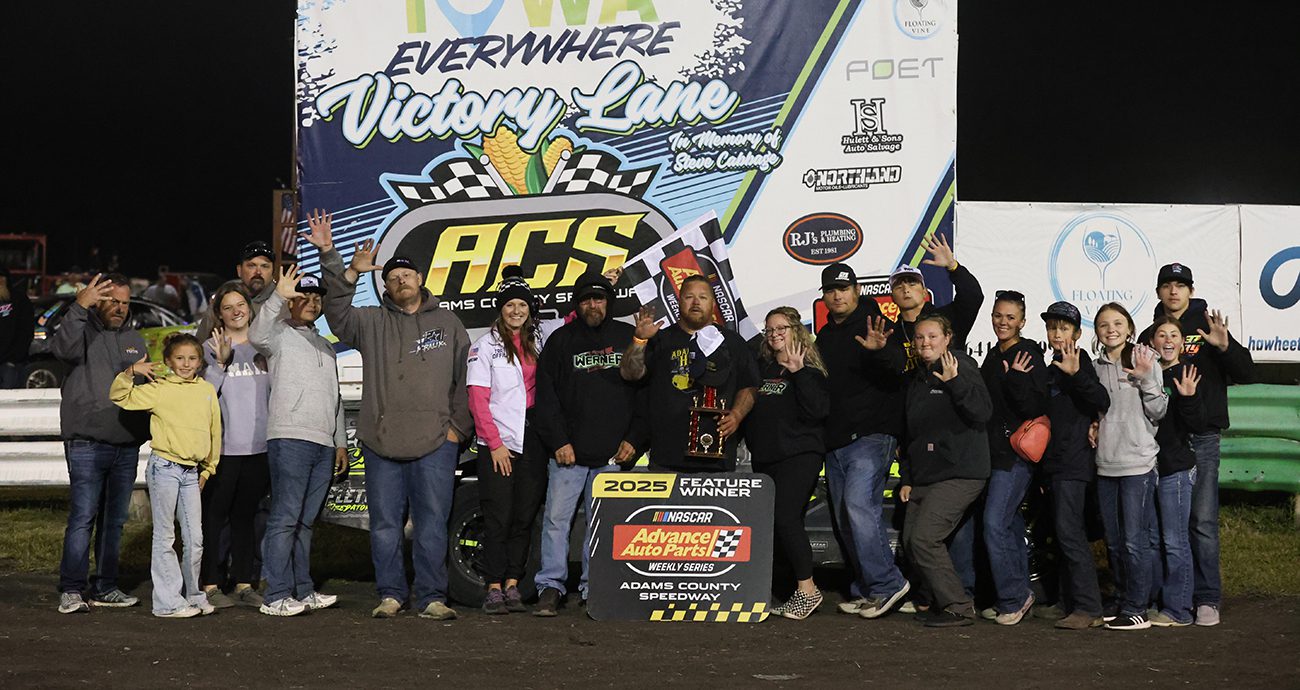
Cody Werner is joined in Victory Lane by his family and crew this season at Adams County Speedway. (Photo: CK Imaging)
Kenny still helps his son with the car every week. Werner estimates his dad has only missed maybe five races in 21 years.
“First and foremost, I’ve got to thank my dad,” he said. “He’s been there with me every year.
“We’ve grown pretty close over the years. We don’t always agree on things, but at the end of the day, he’s always been there for me.”
Werner also thanked his friend, Matt, who has been with the team for several years, and his brother, who helps with the car and often buys parts when needed.
He also thanked his girlfriend and children, who are just as big a part of the team.
“My girlfriend, my kids take a lot of time, because building these things and working on through the week and everything like that, a lot of people don’t understand what it takes to keep this thing going,” Werner said.
The team will have an end-of-season party later this month to celebrate their first championship. Werner said he’s most excited to head to Charlotte, North Carolina later this year to be part of the NASCAR Regional and International Awards.
As he reflects on his first title, Werner said everything he accomplished this year hasn’t really hit him, but he thinks he’ll see it and feel it once he gets to Charlotte.
“It’s a pretty cool thing,” he said. “I don’t think it’s really sunk in yet. Everybody keeps saying, ‘Hey man, congratulations on winning the national and regional championship.’ I’m just kind of like, ‘thanks.’ I don’t know if it’s really set it.
“I feel like when I get to go to the trip to Charlotte, I’m sure getting to be around all the NASCAR people and everything, that’s when it will hit.”
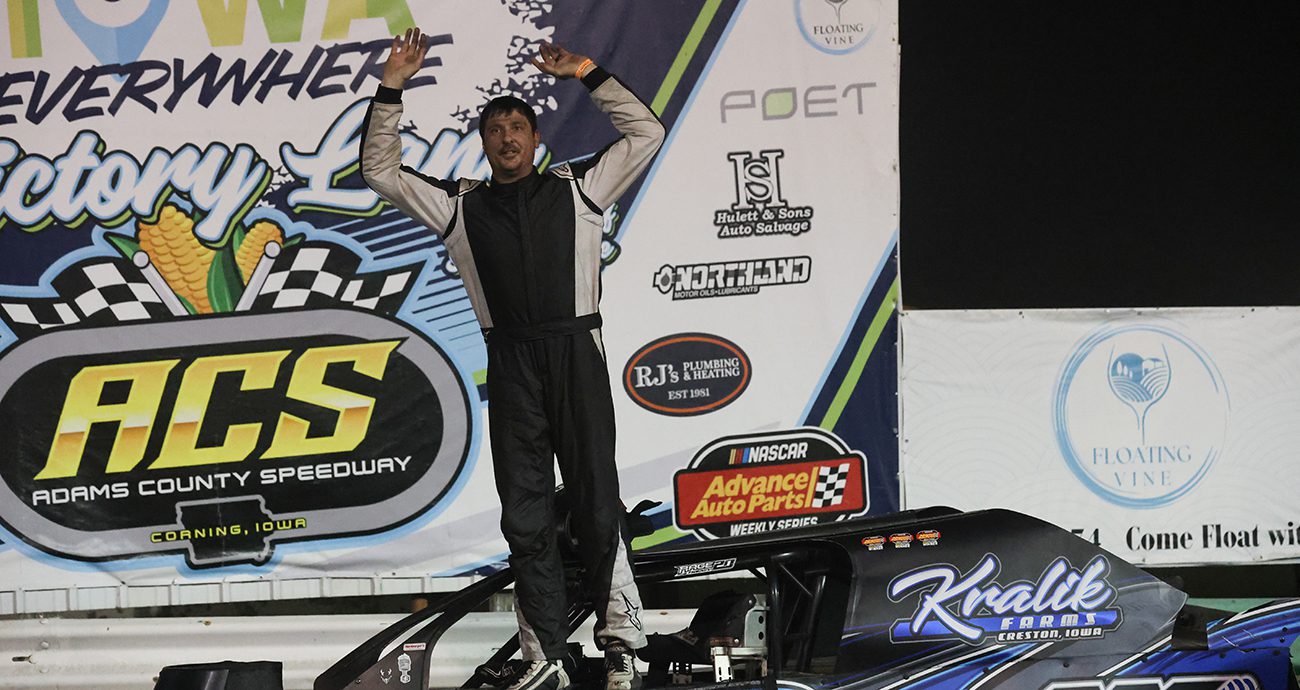
When Adams County Speedway finished its 2025 season in early September, Shawn Kralik was sitting atop the NASCAR Advance Auto Parts Weekly Series Division III national standings. But he figured he didn’t have much of a chance to stay there.
His competitors at other tracks across the country still had one, two or even three races remaining in their seasons. Kralik and his team basically stopped following the results in those final weeks. He was content knowing he was just in the conversation.
Then he got the call.
“We didn’t really know about it here until recently,” Kralik said. “We didn’t know if we’d be able to hang onto it or not because we had left there for quite a while.”
Those final races at other tracks didn’t matter. Kralik won the NASCAR Advance Auto Parts Weekly Series Division III national championship by 32 points ahead of Berlin Raceway’s Tim DeVos.
It’s the first national championship for the driver from Creston, Iowa.
“That part really hasn’t sunk in,” Kralik said. “Just to find out we actually pulled it off when the final results were in, that means quite a lot. It hasn’t quite sunk in yet. It’s a pretty neat deal. We honestly didn’t figure that was something in our hands that we’d ever pull off, so it’s neat that it happened.”
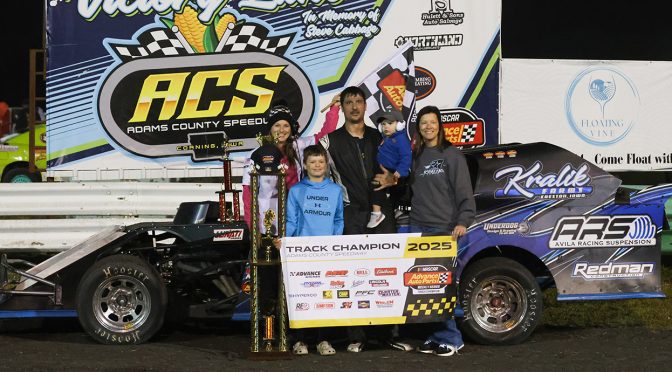
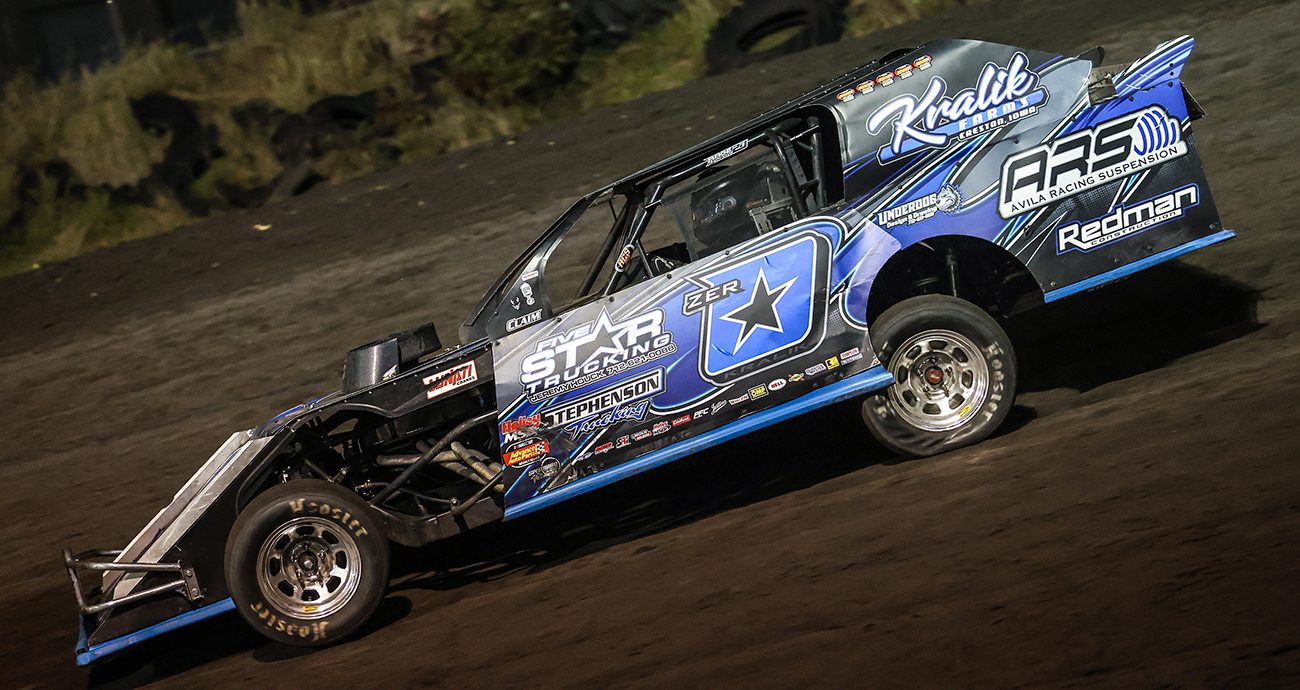
Shawn Kralik earned six wins in the Sport Mod class at Iowa’s Adams County Speedway to clinch not just the track title, but the NASCAR Advance Auto Parts Weekly Series Division III national championship, as well. (Photo: CK Imaging)
Kralik had his best season in his 14th year, finishing with six wins in Adams County’s Sport Mods by RJ’s Plumbing & Heating division. He never finished worse than fourth in 19 races, and he won the track championship by 196 points.
“It went pretty good. I guess we had a pretty solid year,” he said. “We had pretty good car count in our class and our division. … It went pretty good, I thought.”
The meteoric success comes less than a year after Kralik was involved in a wreck at the Corning, Iowa track that forced him to build a new race car for the 2025 season. This was Kralik’s second track championship at Adams County. His first arrived in 2023.
With several near misses at the national title, Kralik’s team focused simply on winning races at his home track and then seeing how the points played out at the end of the year. That’s why his championship came as such a surprise. He didn’t even know he was close to the top of the standings until someone mentioned it to him at the track when he had just a few races remaining.
“We’ve been close a few times. We’ve led it some, but toward the end, we just didn’t quite hang on,” he said. “At the end of the whole season, everything changes pretty quick. So I know we’ve led it several times, but we just haven’t finished it out. It’s kind of nice to finally get one of them done.”
Kralik doesn’t come from a racing family, and he didn’t get into the sport until his late teens. Growing up, Kralik had a friend who was a racer, and he found himself going to tracks to watch the races.
“Obviously, you want to be like your idol at some point in your life,” he said. “We’d go to the races all the time and watch. And — I don’t know — just one day we decided we could do it, but it’s a lot bigger challenge than a guy thinks. It’s a lot easier to watch than it is to do; that’s for sure.”
Kralik needed more than a decade to find success, and for that, he credits the aid he received.
“I was fortunate enough to have good help from the beginning with an experienced racer on my side and on my crew, so that helps a lot,” he added. “And, of course, a lot of good guys on my team in general, just helping me keep everything going every week because we’ve been doing it every summer, all summer for a lot of years, so that’s a lot of dedication.”
Shawn Kralik celebrates one of his six Sport Mod victories this year at Adams County Speedway. (Photo: CK Imaging)
This year, Kralik was joined by good friends Jeremey, Big Mike, Nick, Little Mike, Quinton, Chuck, Spenser, Garrett, Thad, Bailey, Lawson, Knox, and his dad.
His wife was also a major help, as was his year-and-a-half old son, who Kralik said enjoys doing whatever he can in the shop.
“It’s kind of fun to have him out there rolling tires around, and he likes to let the air out of my tires,” he said. “It’s pretty funny.”
The difference the last few years, Kralik said, comes from the team simply being better organized and racing with better equipment.
“We were maybe struggling to keep up with some of them guys,” he added. “It’s a money game, so just maybe getting better equipment under us, honestly, is what kind made us start doing better.
“And more experience, in general. Just over the years figuring out what you need as a driver to make yourself better. We’ve been close to championships before in years prior, but just not quite there. The last, I’d say three or four years, maybe even five years, have been really actually pretty good years for us. It’s a lot more enjoyable when you can do better.”
Kralik’s team is mostly farmers with a busy season in the fall, so they haven’t had time to get together and celebrate their championship. Once work winds down, they’ll get together for a celebration. He’s also looking forward to the awards banquet at Adams County in January.
Maybe by the time his team is able to get together, the success they achieved this season will have set in.
“That’s actually what makes it all come together is having everyone there, solid, working together,” Kralik said. “That’s honestly what makes this all happen for us. It’s a team effort, for sure. So it means a lot to have that many people take time out of their weekends to be there to support it and keep it going, and we’ve got a really good crew together.
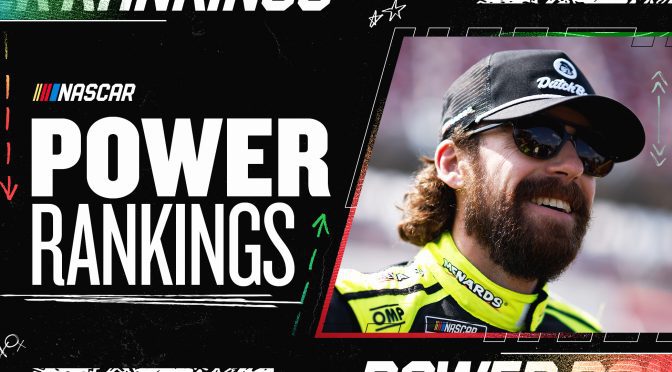
Joe Gibbs Racing driver Chase Briscoe wound up doing what we alluded to here last week, punching his first career ticket to the Championship 4 in remarkable fashion Sunday at Talladega Superspeedway. Ryan Blaney, who has shown up to the Phoenix party fashionably late in each of the past two seasons with a last-minute win at Martinsville, is hoping to make it three in a row and punch his title ticket this weekend in Virginia.
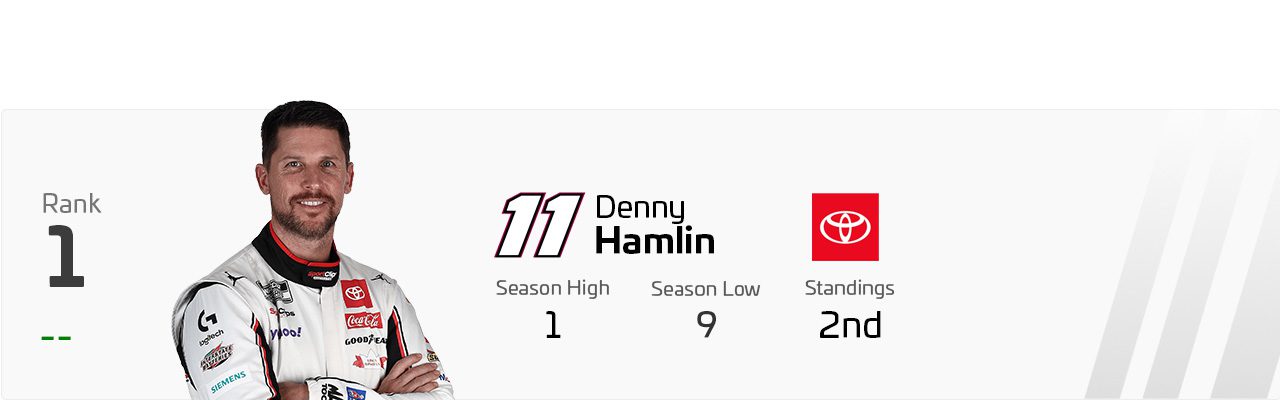
Analysis: Hamlin was plagued by a debris-induced throttle issue at Talladega, relegating him to P24 when all was said and done after clawing his way back to the lead lap. He could’ve finished 40th, and it wouldn’t have made a difference in his title quest; No. 11 is already locked in on Phoenix. He’ll probably be in the mix this weekend at arguably his best track, however, as the six-time Martinsville winner would love to add a seventh not only for an additional grandfather clock, but also to potentially keep some of his stronger competition (i.e., Team Penske’s Joey Logano and Ryan Blaney) far away from title contention at Phoenix.
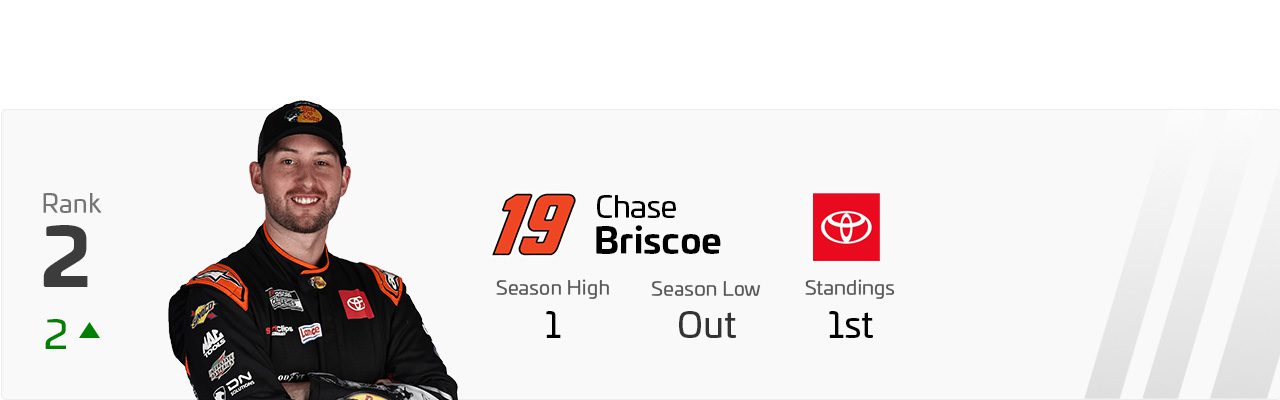
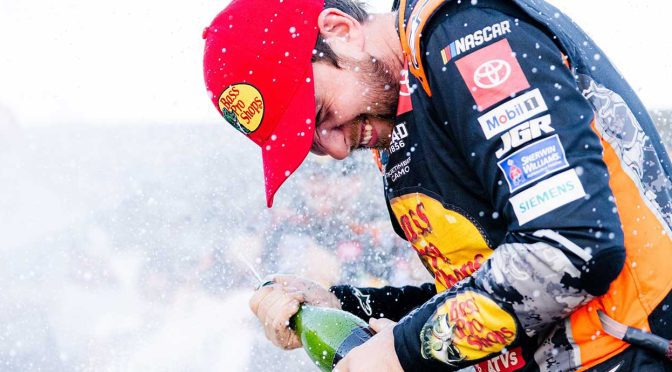
Analysis: If there were such awards in NASCAR as “Most Improved Driver” and “Most Valuable Driver,” one could strongly argue that Briscoe delivering three wins, the No. 19 car’s first Championship 4 bid since 2021, first ever superspeedway win and series highs in top fives and poles in his first year at Joe Gibbs Racing would have him capturing both. While the pressure is off and the focus turns to Phoenix, Briscoe is strong at Martinsville as well and — similarly to Hamlin — has incentive to win this one outright and play a bit of keep-away.
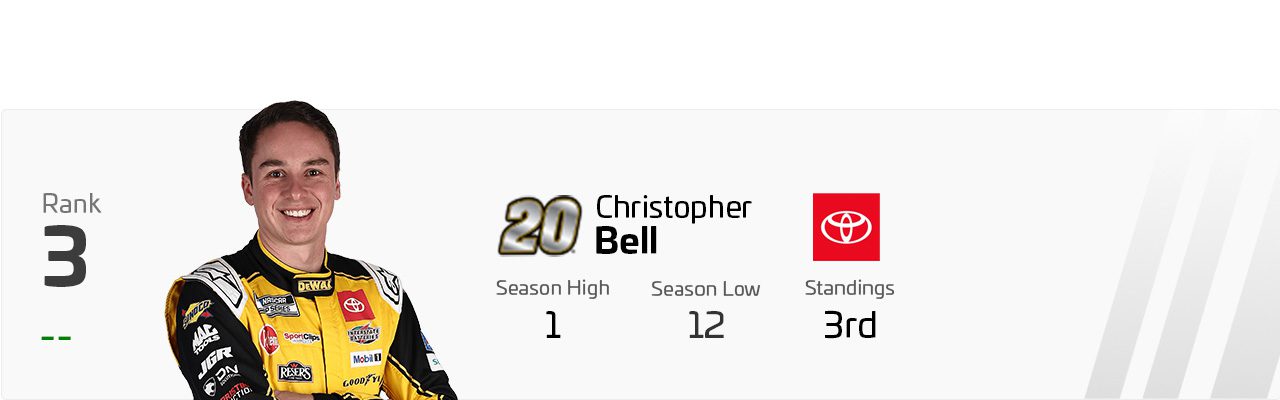
Analysis: All the pressure that Hamlin and Briscoe don’t feel? All of that now gets put squarely on the shoulders of Bell, who won three of the season’s first four races but is now at risk of watching his teammates compete for a title in Phoenix while he hopes for better luck next year. That said, he’s in a better position than any other non-locked-in driver, and he’s got the chops to take matters into his own hands (he is a former do-or-die Martinsville winner, after all) and ensure he joins his compadres in the desert for a championship chance.
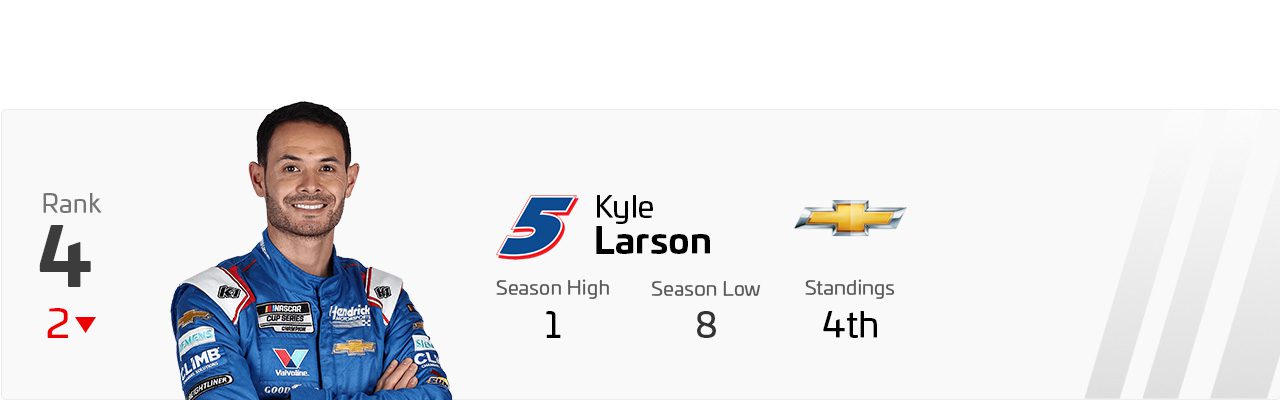
Analysis: Instead of Briscoe, the driver with a dirt background who won his first superspeedway race was nearly Larson … before No. 5 ran dry at the end and walked away with a finish outside the top 20 and a stressful weekend ahead. Larson and Co. were cooking in the weeks before this letdown, however, and there’s an exceptional chance they find their way to Phoenix one way or the other this weekend at Martinsville, where he has six straight top-six results.
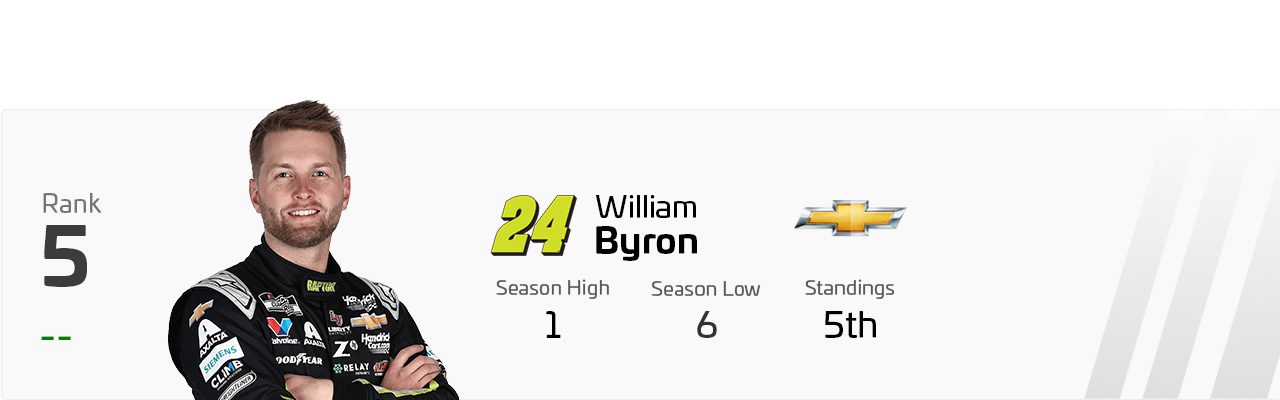
Analysis: A bit of a curveball here as one could reasonably argue that two-time defending Martinsville fall race winner Ryan Blaney is the most likely below the cutline to advance because, well, this is his race to lose. But take a look at that season low for Byron — never falling lower than sixth is nuts. The No. 24 team has put together one of the series’ most complete seasons, with what felt like consistently more above-average to excellent weekends than anybody else. A sneaking suspicion indicates the two-time Martinsville winner and his determined No. 24 group have at least one more “excellent” weekend in store for 2025.
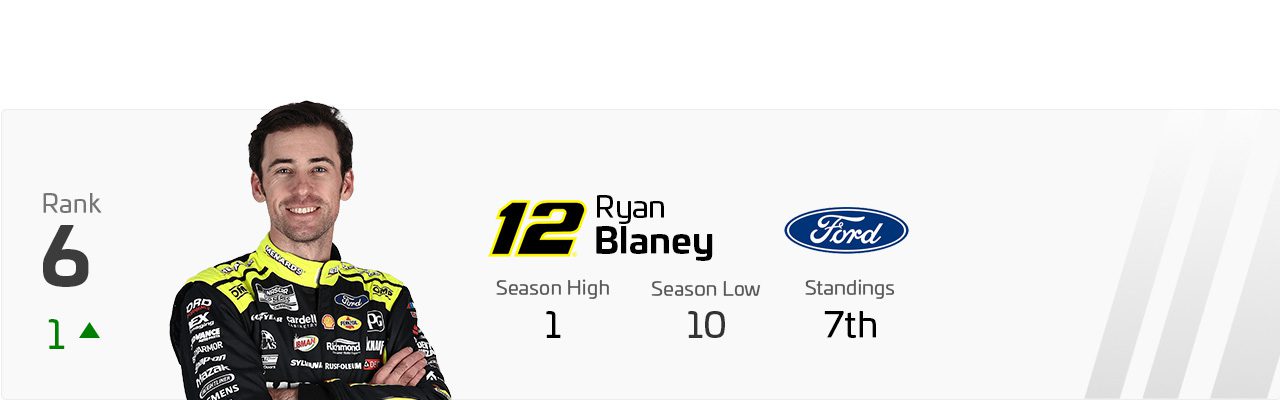
Analysis: Blaney and Team Penske went from being in command late at Talladega to essentially being one with the wall this weekend at Martinsville, their backs completely up against it, and likely only one of either him or Joey Logano (or neither) being able to make it to Phoenix. Of course, going into the weekend, everything on paper indicates that Blaney should be the top contender this weekend; he hasn’t finished worse than 11th at Martinsville since 2018, and his two wins there have come in this race each of the past two years. Still gotta do it, though, and that’s a heck of a lot of pressure. But we know he can.
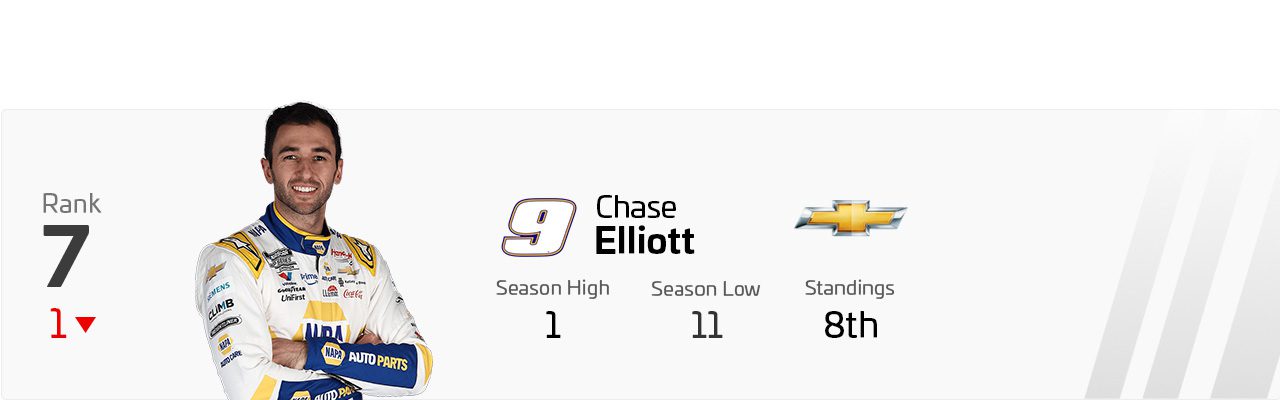
Analysis: Elliott’s dismal day at ‘Dega, finishing dead last after being an innocent victim in a Stage 1 wreck, lands him in must-win mode this weekend at Martinsville, which would be of utmost concern for plenty of drivers. Elliott, however, is generally a not-too-high, not-too-low kind of competitor, and will take his calm and cool demeanor into this weekend’s cutoff race in Virginia, and you can all but guarantee he’ll see the front of the field at some point. Elliott has led a whopping 1,275 laps at Martinsville, with 1,083 of those coming in this decade alone, and still has an excellent shot to advance with a win.
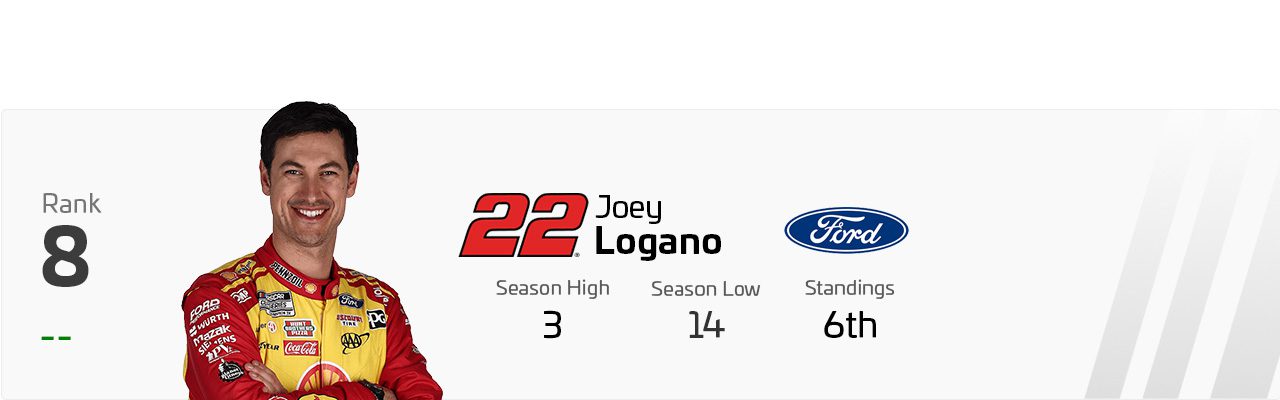
Analysis: I mean, it wouldn’t be a Joey Logano championship run if he didn’t do something exceptional, and that’s certainly on the table this weekend, should the No. 22 driver and three-time champion win at Martinsville to keep his hopes alive for a fourth title in 2025. All of the guys that need to win this weekend are great at the half-mile short track, Logano included, and No. 22 is riding a 12-race top-10 streak there. Never say never, especially with this No. 22 team.
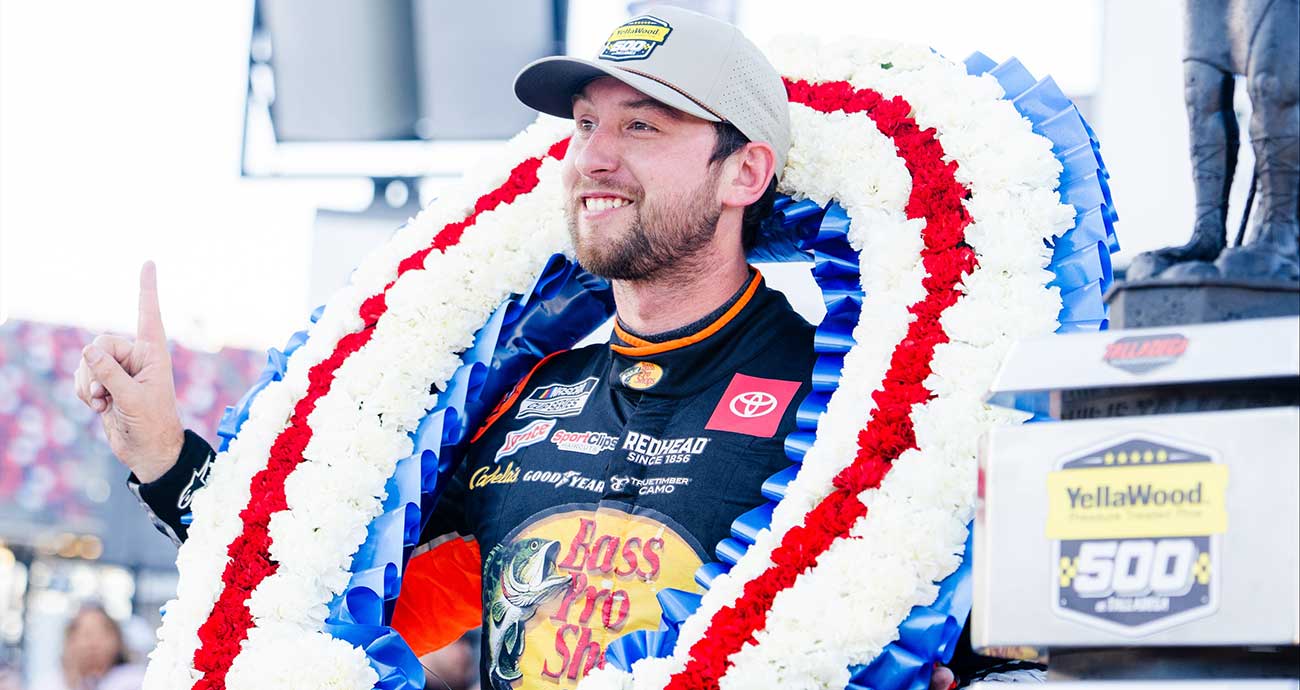
TALLADEGA, Ala. – Miss Alabama looked on, tiara and sash in place as she blended in amongst Joe Gibbs Racing’s celebrants, as the call went out in Talladega Superspeedway’s crowded Victory Lane. “Technical difficulties!” an emcee announced with a deprecating self-jab as attendants initially struggled to hoist the outsized horseshoe wreath of carnations around race winner Chase Briscoe’s neck.
The difficulty, however technical, was one of few glitches for Briscoe and company on a day when so much went so right.
The team and driver who had struggled so mightily on superspeedways finally cashed in at the most opportune moment, propelling Briscoe and the No. 19 team to a rousing YellaWood 500 victory and providing both with a shot at the NASCAR Cup Series championship in two weeks at Phoenix Raceway. It also produced a moment of team harmony for Toyota, which freight-trained its way to place five of the top eight finishers Sunday, making amends for two recent bouts of teammate turmoil that had threatened to disrupt its playoff goals.
The triumph was also a major moment of validation, for Briscoe in the latest stop on his Cup Series journey and for the team that brought him in.
“Yeah, I’d be lying if I said I didn’t feel like we were capable of doing it,” said Briscoe, in his first year with JGR after the breakup of his previous home at Stewart-Haas Racing. “That’s why I said even what I said at the beginning of the year: If I don’t go win, I’m never going to get hired again because the expectation is you have to go to JGR and win. If you can’t win in a JGR car, why would anybody hire you for another team? Glad that I’ve been able to I feel like prove my worth.
“To be in the Championship 4 is a huge accomplishment itself. We want to win the championship. But to be one of those elite guys is a pretty special feeling.”
The sense of fulfillment was shared by JGR’s No. 19 team, which went winless last year in Martin Truex Jr.’s final Cup Series campaign. Truex was notably 0-for-40 for his career at both Daytona and Talladega, and Briscoe’s superspeedway track record wasn’t exceptional, either — 0-for-9 at Talladega before Sunday’s breakthrough.
The burden of both dry spells weighed on No. 19 crew chief James Small, who felt some of the same make-or-break preseason pressures that Briscoe did. Enjoying their third win together this season offered Small some relief.
“I never lost belief in myself or my team,” Small said. “I always had the support of everybody back at JGR. I knew if we had this opportunity, it was going to take a little bit, but we were going to be a force to be reckoned with. I think you’ve seen that since Kansas (and) Charlotte. We’re consistently, in my opinion, the best team in the series. We scored more points than anybody, more poles, had the most points in the playoffs here. Now we’re going to Phoenix.”
Alejandro Alvarez | NASCAR Digital Media
Chris Gabehart, Joe Gibbs Racing’s sage competition director, said that the organization had faith in Briscoe’s abilities but that the team’s resurgence doesn’t end with the driver and crew chief. Before the season, JGR brought in another Stewart-Haas transfer in J.D. Frye to serve as the No. 19 car chief, then bolstered the team’s engineering staff around them.
Things didn’t click right away during Briscoe’s adjustment period after four seasons with the Stewart-Haas group, but even then, Gabehart had his hunches about how the No. 19 group might respond.
“I knew that team had the makeup of a real dangerous combination,” Gabehart told NASCAR.com. “They were all motivated, all knew kind of their careers were on the line. Let’s be real, and they’re all super-hungry to perform, and super-smart and a huge foundation underneath of them. So I honestly knew back in January — and you can ask any one of them, I told them — that this had all the makings of the real Cinderella story. I think safe to say, going to the final four, here they are.”
The cohesiveness didn’t end there. JGR specifically and Toyota generally have endured two high-profile instances of team discord during these playoffs. The first came in the Round of 12, when an agitated Denny Hamlin shoved aside teammate Ty Gibbs at New Hampshire Motor Speedway, setting off a lively dispute over how drivers outside of the playoff picture should race against the postseason-eligible. A variation of that debate flared one week later at Kansas Speedway, where Hamlin’s fender-scrubbing overtake of Toyota mate and 23XI Racing employee Bubba Wallace allowed Chevrolet’s Chase Elliott to scoot through for a demoralizing win.
Sunday, those fractures seemed to heal. Hendrick Motorsports teammates Kyle Larson and William Byron controlled the overtime restart for Chevrolet, and they were lined up nose-to-tail for the final lap with their own Championship 4 fates in the balance. Larson’s No. 5 Chevy ran out of fuel with half a lap remaining, and a three-car power move by Wallace, Briscoe and Gibbs consumed whatever hopes Byron had left.
Gibbs stayed glued to Briscoe’s back bumper the rest of the way, giving his teammate a crucial aerodynamic push that withstood any remaining challenges.
“Ty was the whole reason I won the race,” Briscoe said. “He was extremely committed to me from the get-go. Really did a good job of keeping me up tight to Bubba so I could keep pushing him along. When I made a move, Ty went with me. Was selfless in the fact that he’s going for his first win, could have easily tried to make a move, did something different. He pushed me to the win. An incredible team effort.”
Gabehart also took note.
“Maybe unsung by some, but not by me,” Gabehart told NASCAR.com, with a nod to Gibbs’ dedication. “I realized that the thing I’m so proud of is we had so many Toyotas up there at the end. And you know, when you get that many of them up there, if one drops the ball, the other one can pick it up. In this case, Ty knew what his mission was, Chase was aggressive, and we were able to pull it out. But that really is a testament to Toyota and JGR, 23XI, Legacy Motor Club. It doesn’t happen by accident. There’s a lot of work and effort that goes into this each and every weekend, and especially at speedway races. I’m just proud that we could finally get a speedway win for Toyota.”
The outcome meant that half of the Championship 4 field for the Phoenix finale is now set, and that Hamlin — Joe Gibbs Racing’s most senior driver, 20 years in — and Briscoe — a Year 1 JGR newbie — will be among that quartet. The organization has a chance to add a third driver to that group, with Christopher Bell vying for a title shot in Sunday’s Xfinity 500 (2 p.m. ET, NBC, Peacock, MRN Radio, SiriusXM NASCAR Radio, HBO Max), the Round of 8’s finale at Martinsville Speedway.
Phoenix already holds fond memories for Briscoe, who scored his first Cup Series victory at the 1-mile oval in the spring of 2022. In the most recent season finale there, Briscoe was brought to tears when his Stewart-Haas Racing team bid farewell in the organization’s final race. Two weeks ago, media obligations brought him back to the Arizona track, where he stood on the front straightaway and took a moment to reflect.
“I hadn’t done that since I won there,” Briscoe said. “I kind of thought how that day felt, winning my first Cup race. I didn’t think about it for a second. Next time you stand here, you might be a champion.”