BUY TICKETS: See the races in Phoenix
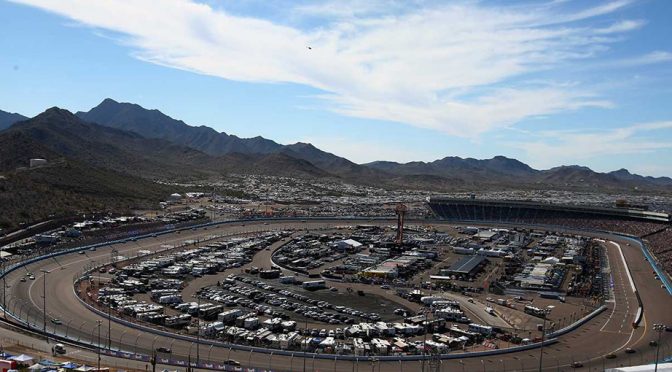
AVONDALE, Ariz. — Joey Logano and Kyle Busch met with NASCAR officials here Friday morning at Phoenix Raceway, perhaps closing the books on last weekend’s post-race altercation.
The Monster Energy NASCAR Cup Series drivers met with officials approximately 30 minutes before the start of the day’s first practice for Sunday’s Camping World 500 (3:30 p.m. ET, FOX, MRN, SiriusXM NASCAR Radio).
RELATED: Full weekend schedule
NASCAR officials present were Steve O’Donnell, Executive Vice President and Chief Racing Development Officer; Richard Buck, Monster Energy NASCAR Cup Series Managing Director; and Scott Miller, NASCAR Senior Vice President of Competition.
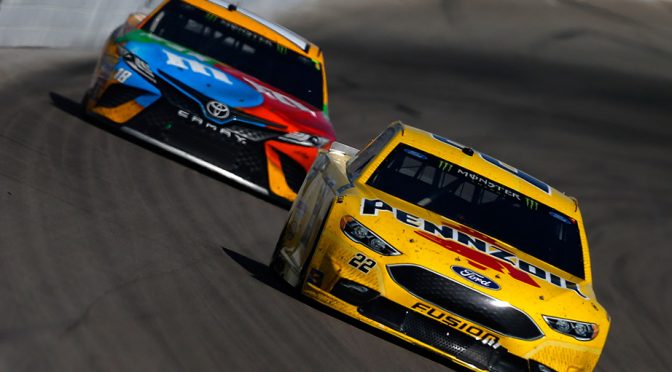
Busch and Logano were running fourth and fifth, respectively, on the final lap of last week’s Kobalt 400 at Las Vegas Motor Speedway when there was contact between the two after they shot past the slowing entry of Brad Keselowski.
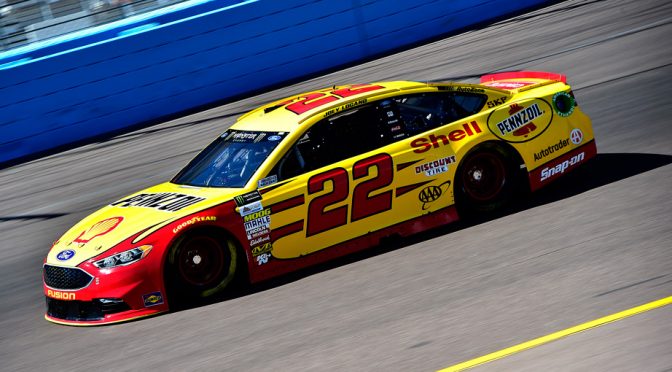
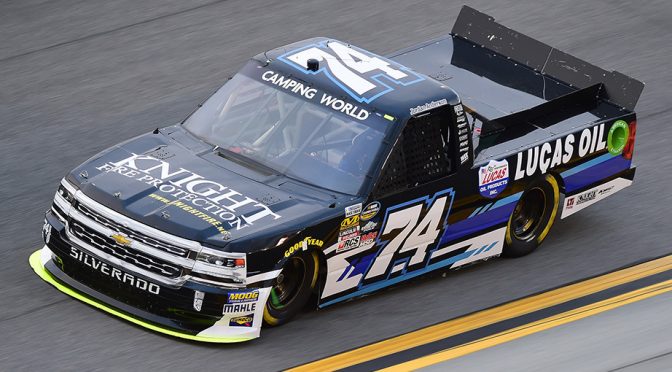
Busch’s No. 18 Joe Gibbs Racing Toyota shot up the track in Turn 4, then slid down onto the entrance to pit road, leaving him with a 22nd-place result. Logano, driver of the No. 22 Ford for Team Penske, was able to gather his car up after the contact to score a fourth-place finish.
Crewmen stepped in to break it up before NASCAR officials separated the participants and restored order.
Three days after the race, NASCAR officials announced neither driver would be penalized for their actions.
Busch, the first to exit the NASCAR hauler, was short and consistent when questioned briefly by media.
“Everything’s great. Looking forward to getting back to the race track and getting into my race car,” the Joe Gibbs Racing driver and 2015 series champion said each time he was queried.
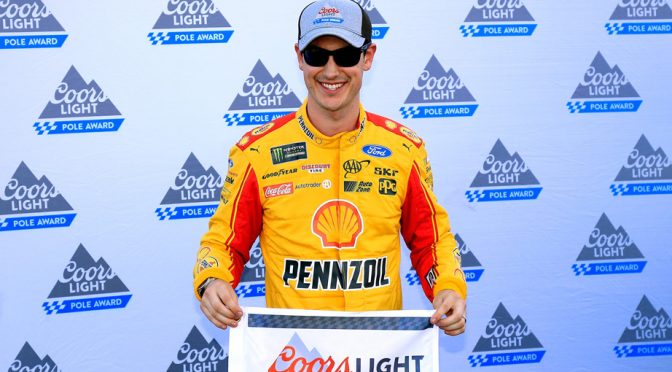
Logano, who said Tuesday that he had reached out to Busch, said he provided data to back up his contention that the on-track contact was not intentional.
“He asked for some data and I was able to show him that,” Logano said of the conversation. “That’s that and we’ll move on.”
Asked if he felt the two had settled their differences, Logano said, “Time will tell. We’ll see. The only thing I can do at this point was prove my case and say, ‘Hey, it was an honest mistake’ … and we’re going to move on.”
Logano maintained his fifth-place points position with his Las Vegas finish. Busch, 24th before the race, actually improved five spots in spite of the 22nd-place result.
O’Donnell said bringing in NASCAR competitors to meet face to face is “always our job” when an issue arises.
“And a lot of times just texting to hear where a driver really stands is helpful,” he said, “and then the ultimate goal for us is to make them clear of our expectations moving forward as we head into this race weekend.”
Going forward, O’Donnell said NASCAR officials have been very clear in terms of any intentional on-track incidents. “We’re going to react,” he said. “We don’t want to have to do that. Do we think they’re best friends? No, but again, that’s what the sport’s built on and those are two guys that we really need out there racing hard for position.”