Sprint Cup Series rookie Austin Dillon comes in second with a best speed of 189.540 mph

MORE: Results from Vegas test
RELATED: Play NASCAR Fantasy Live | Sign up for RaceView today

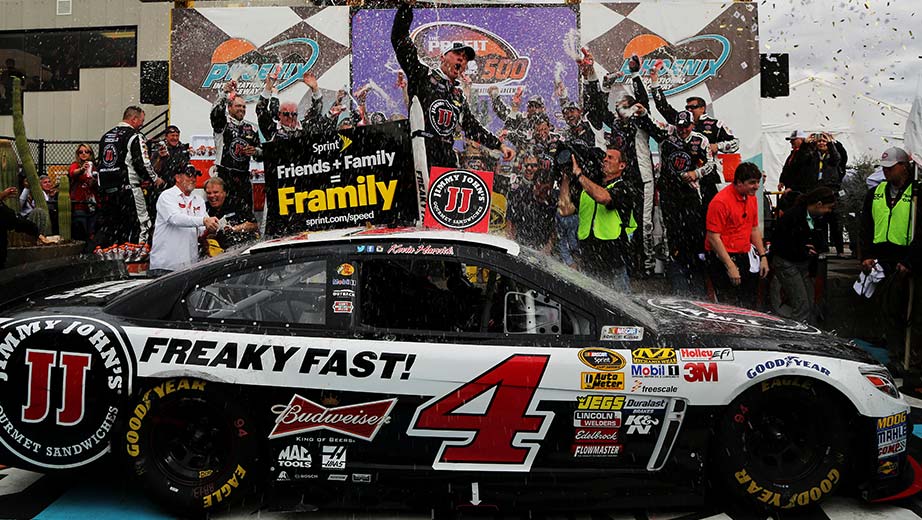
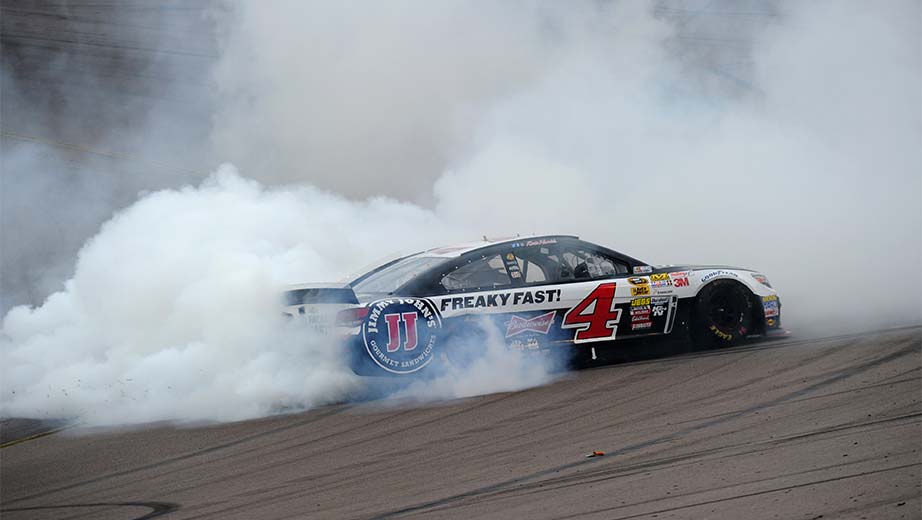
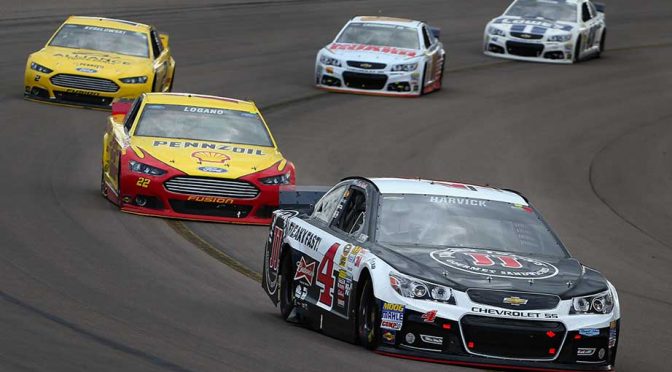
LAS VEGAS — Fresh off his first win of the season, Kevin Harvick turned the top testing speed during Thursday’s four-hour session at Las Vegas Motor Speedway.

The Stewart-Haas Racing driver, winner of last week’s race at Phoenix International Raceway, was the only driver to top 190 mph on the 1.5-mile layout, turning in a fast lap of 190.148 mph late in the session.

NASCAR Sprint Cup Series teams used the opportunity to test the new 2014 rules package for intermediate tracks, where the bulk of this year’s races will be contested. 

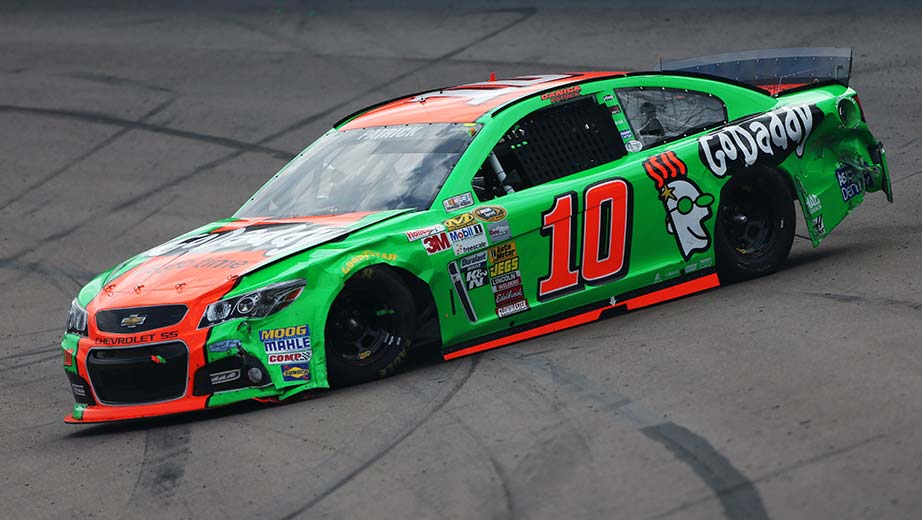
Sunoco Rookie of the Year candidate Austin Dillon (189.540 mph) was second, while Trevor Bayne, Ryan Newman and Danica Patrick completed the top five.

Sixth through 10th were Cole Whitt, AJ Allmendinger, Clint Bowyer, Jeff Burton and Matt Kenseth

Defending series champion Jimmie Johnson was 18th overall. 

"I think the best thing that happened today is the car didn’t run very fast at the beginning of the practice," Harvick said. "We were three or four tenths off, had to kind of abort on what we were doing and go a different route. The next route was not as good. The third route finally wound up being good. 

"I think those are good things that are for us important because they give us direction when we go to other mile-and-a half tracks, so we don’t have to do like we did today. We can get to what has been working for us and go straight from there to progressing that package to make it even better."

The learning experience provided much information, some of which wasn’t what the teams had hoped. While Harvick’s team continued to move forward throughout the day, others found the going a bit more difficult. 

Among those was the Roush Fenway Racing contingent of Greg Biffle, Carl Edwards and Ricky Stenhouse Jr. 

"It was a pretty tough day for us," Biffle, on the final rundown, admitted. "Last year I was the fastest on Thursday, I was probably third fastest on Friday, 12th on Saturday and I was 25th on Sunday. 

"This year I’m 34th on Thursday and hoping that I’m about 20th tomorrow and maybe 12th Saturday and win on Sunday. But that’s about as good of an analogy I can give you on what is wrong with why our fastest car is 27th. I really honestly wish I had more to tell you … we’re just not getting ahold of the race track is about the best I can say."

Edwards checked in 27th fastest while Stenhouse Jr. was 29th.

"Today it’s a half a second (between himself and Harvick), right?" Biffle said. "We could find some things with the car that’s not right. These cars are really, really finicky, we know that. So that speed could just come up somewhere. That’s what we’re hoping for."

The bigger issue, he said, is that because all three RFR teams were outside the top 25, there’s no helpful information to be gleaned from a teammate. 

The fastest Ford entry was that of Bayne in the Wood Brothers Racing entry. 

The Team Penske Fords of Joey Logano and Brad Keselowski were 14th and 17th, respectively. 

Gene Stefanyshyn, vice president of innovation and racing development, said NASCAR officials were on hand to observe and answer any questions that might crop up. And the results at the end of the day were about what was expected. 

"I think the two drivers today kind of gave us good bookends of kind of where the teams are," Stefanyshyn said after listening to comments from Harvick and Biffle. "We know that this will happen any time you give them anything new. There’s a bit of a learning curve. 

"I think the Harvick team, the No. 4 car, they’ve got it figured out already, and some of the other guys are struggling."

Last week’s race at Phoenix provided "a glimpse" of the impact of the changes, Stefanyshyn said, but noted that it might take until the series moves to Texas in early April before passing judgment. 

"Really this will be the first race where … they can fully exploit the aerodynamic and the chassis changes," he said. "So we’ll see what happens. 

"I think the aero piece of it, it’s pretty much set. It’s just a matter of getting the driver to find the limit and feeling comfortable with the aero; but the chassis, the engineers will play around with it for a while until that settles down, then the driver will begin to find the sweet spot and get comfortable."

MORE:

READ: Harvick dominates
in Phoenix win

WATCH: Patrick, Allgaier.
initiate wreck

WATCH: Post-race
reactions from Phoenix

READ: Official Phoenix
Sprint Cup race results

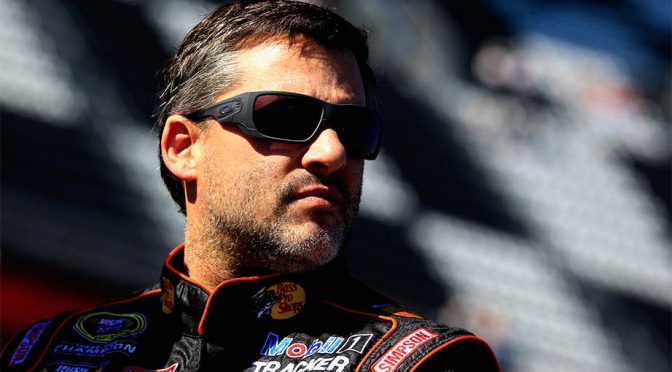
Stewart and Darrell Waltrip star in a series of video advertisements for Mobil 1

RELATED: Watch ‘Smoke is the Bandit’ videoVisit the Mobil 1 Technology center

LAS VEGAS — Tony Stewart was six years old when the movie, "Smokey and the Bandit" was released in 1977.

Thirty-seven years later, Stewart, a three-time Cup champion, is reprising the role of the movie’s star character.

Stewart stars in a series of video advertisements for sponsor Mobil 1, playing off the popular movie that starred Burt Reynolds as the Bandit, Jerry Reed as his sidekick Snowman and Jackie Gleason as Sheriff Buford T. Justice. 

In addition to Stewart, the Mobil 1 ads feature former three-time Cup champ Darrell Waltrip as Reed’s character and championship winning crew chief Jeff Hammond as Justice.

"With Mobil 1, I’ve gotten to do some cool things," said Stewart, co-owner of Stewart Haas Racing and driver of the No. 14 Chevrolet in NASCAR’s Sprint Cup Series. "We got to do the seat swap with Lewis Hamilton at Watkins Glen in the Formula One car. I got to drive a tank the next year. They taught me how to drift, which was fun. … They always want to do something fun, something we are going to enjoy. 

"They asked me what my favorite movie was just in casual conversation one day. … I said ‘Smokey and the Bandit.’ I have always loved that movie, loved the Trans-Am."

The six-part video series officially launched Thursday, and two segments will be released bi-weekly. Segments can be viewed at www.Facebook.com/Mobil1 as well as the company’s YouTube channel (www.YouTube.com/Mobil1). The complete series will be available for viewing in a single-play episode March 25. 

Mobil 1 is the official motor oil of NASCAR and an official partner of Stewart-Haas Racing. 

Stewart, who owns a Trans-Am similar to the car used in the movie, said the film is a staple among friends and it’s screened each year before the group goes on vacation.

"That’s how the vacation actually starts," he said. "Three of us actually get together first and we watch the movie the night before we go on vacation. That’s how our trip starts every time. … We recite the movie the whole time it’s going on. … We’re just all kind of passionate about it."

Waltrip said he was pleased to get the opportunity to recreate the role of The Snowman, played by Reed on the big screen.

"Jerry Reed was a really good friend of mine back home," Waltrip, now lead analyst for NASCAR on FOX.

"I knew Jerry really well, I loved his music. ‘East Bound and Down,’ we all know that song. I think all of us have a little bit of Jerry Reed in us. We all kind of like to have fun. I love basset hounds."

Reed’s character traveled with his pet basset hound, Fred.

"It was perfect for me; I got to have fun, act silly and have my dog along with me," Waltrip said.

MORE:

READ: Harvick dominates
in Phoenix win

WATCH: Patrick, Allgaier.
initiate wreck

WATCH: Post-race
reactions from Phoenix

READ: Official Phoenix
Sprint Cup race results

Bruce: History shows that points will matter in 2014, beyond

RELATED: Caraviello: Farewell to the ‘Good Points Day’

Let’s get this straight — points still matter.

We can bang the "wins are now more important" drum all we want, but points still carry a lot of weight in NASCAR’s Sprint Cup Series.

Until teams find themselves in Homestead, Fla., for this year’s season-ending race, points will continue to play an important role each week in determining which teams are worthy of a championship.

No, a good points day doesn’t trump winning a race — that’s never been the case. But earning the maximum number of points possible didn’t get tossed out the window when NASCAR unveiled changes to this year’s Chase for the NASCAR Sprint Cup format.

Points were important when the season began back in Daytona, and they’ll remain important after Richmond in September when the Chase field of 16 is finalized.

Maybe Dale Earnhardt Jr. and Kevin Harvick, winners at Daytona and Phoenix, greatly improved their Chase prospects by winning the season’s first two races. But the drivers that trailed Earnhardt Jr. and Harvick across the start/finish line still earned points. Where they wound up in the final rundown had an impact.

That’s because the odds that 16 or more drivers will win at least one Cup race between Daytona (Race No. 1) and Richmond (Race No. 26) are extremely small.

Since the original Chase format debuted in 2004, there have never been more than 16 different winners in the first 26 races.

There have been as many as 15 (in 2011) and as few as 10 (2008). The average number of regular-season winners during the decade-long Chase format is 12.6.

In fact, since NASCAR began sanctioning races, there have only been two instances of more than 15 winners in the first 26 races.

With the likelihood that the series isn’t going to have 16 different winners by the time Richmond rolls around, the remaining positions in the Chase field will be determined by points. There’s even a spot in the Chase reserved for the points leader after 26 races should that driver not have a win.

So while competitors can groan about "just missing" a win, and rightfully so, it’s as important as ever that they don’t toss away a good result by wagering on pit strategy, fuel management or some other gamble that could result in a poor finish.

Lest we forget, to qualify for a Chase spot, a driver has to be 30th or higher in points after the 26th race.

Those that have won races can afford to take chances; those that haven’t will have to weigh the risk versus the reward. And that’s really no different than it’s ever been.

Once the Chase begins, that will change. Winning a race does come with a guarantee. Win one of the first three Chase races, in what’s billed as the Challenger Round, and you’re guaranteed to advance to the next round. The same holds true for the Contender and Eliminator rounds. Win and advance.

But again, points will remain a factor. With more teams advancing than there are races in each segment, non-winners will advance according to their position in the points standings.

The only time points won’t play a role will be in the season-ending race, when four drivers square off to determine this year’s Sprint Cup champion.

Wins are an incentive. But when the Chase field is finalized later this year, points will still matter. 

MORE:

READ: Harvick dominates
in Phoenix win

WATCH: Patrick, Allgaier.
initiate wreck

WATCH: Post-race
reactions from Phoenix

READ: Official Phoenix
Sprint Cup race results

Analyzing the race favorites, trends and sleeper picks

1. Dale Earnhardt Jr. (No. 88)

Hendrick Motorsports, Chevrolet

Standing: Earnhardt Jr. leads the NASCAR Sprint Cup Series standings with 90 points.
Past two races: 2nd at Phoenix, 1st at Daytona.
Season stats: 1 win, 2 top-fives, 2 top-10s.
Track history: At Las Vegas, Earnhardt Jr.’s average finish is 14.8 and his average running position is 14.9 over the past eight years. In 14 career starts at Las Vegas, he has two top-fives and seven top-10s.
Quick hit: With five top-10s in the past six races at Las Vegas, history shows Earnhardt Jr. is good bet for a good finish in the Sin City. His torrid start to the season suggests much more is possible, too.
2. Brad Keselowski (No. 2)

Penske Racing, Ford 

Standing: Keselowski is second in the standings with 84 points.
Past two races: 3rd at Phoenix, 3rd at Daytona.
Season stats: 2 top-fives, 2 top-10s.
Track history: At Las Vegas, Keselowski’s average finish is 25.0 and his average running position is 21.7 over the past eight years. In five career starts at Las Vegas, he has one top-five and one top-10.
Quick hit: Keselowski finished third last year as Las Vegas, but his average finish in the previous four races at the 1.5-mile track is 30.5. Which way will he go this time? Considering Keselowski opened the season with consecutive third-place finishes, expect him to perform better than his Vegas history would indicate.

3. Jeff Gordon (No. 24)

Hendrick Motorsports, Chevrolet 

Standing: Gordon is third in the standings with 80 points.
Past two races: 5th at Phoenix, 4th at Daytona.
Season stats: 2 top-fives, 2 top-10s, 1 pole.
Track history: At Las Vegas, Gordon’s average finish is 14.2 and his average running position is 10.0 over the past eight years. In 16 career starts at Las Vegas, he has one win, six top-fives and seven top-10s.
Quick hit: Three times in 16 starts, Gordon hasn’t finished the Las Vegas race. When he avoids trouble, though, he finishes in the top 10 more often than not. Sunday’s race in the desert should show us if the veteran’s hot start is merely a mirage.
4. Kevin Harvick (No. 4)

Stewart-Haas Racing, Chevrolet 

Standing: Harvick is fourth in the standings with 79 points.
Past two races: 1st at Phoenix, 13th at Daytona.
Season stats: 1 win, 1 top-five, 1 top-10.
Track history: At Las Vegas, Harvick’s average finish is 10.9 and his average running position is 11.7 over the past eight years. In 13 career starts at Las Vegas, he has three top-fives and five top-10s.
Quick hit: Due to the strength of his team’s intermediate package and the way Harvick and crew chief Rodney Childers seem to be ahead of the game with the new rules package, Harvick has a real shot to go back-to-back and claim his first career Vegas victory at the same time.
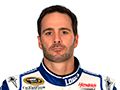
5. Jimmie Johnson (No. 48)

Hendrick Motorsports, Chevrolet

Standing: Johnson is fifth in the standings with 78 points.
Past two races: 6th at Phoenix, 5th at Daytona.
Season stats: 1 top-five, 2 top-10s.
Track history: At Las Vegas, Johnson’s average finish is 9.0 and his average running position is 9.6 over the past eight years. In 12 career starts at Las Vegas, he has four wins, five top-fives and seven top-10s.
Quick hit: Johnson once won three consecutive races here, and his four career wins at the track — the most all-time — came over a six-year span. Like Phoenix last week, both Johnson’s average place and average finish over the past eight years are tops in the series.
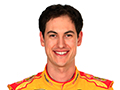
6. Joey Logano (No. 22)

Penske Racing, Ford 

Standing: Logano is sixth in the standings with 75 points.
Past two races: 4th at Phoenix, 11th at Daytona.
Season stats: 1 top-five, 1 top-10.
Track history: At Las Vegas, Logano’s average finish is 14.0 and his average running position is 14.7 over the past eight years. In five career starts at Las Vegas, he has one top-10.
Quick hit: Logano is off to the best start of his career, and the Penske program is performing at an elite level. Forget his tepid history at this track — Logano is a sleeper pick to win the race.
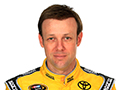
7. Matt Kenseth (No. 20)

Joe Gibbs Racing, Toyota 

Standing: Kenseth is seventh in the standings with 70 points.
Past two races: 12th at Phoenix, 6th at Daytona.
Season stats: 1 top-10.
Track history: At Las Vegas, Kenseth’s average finish is 12.9 and his average running position is 14.4 over the past eight years. In 14 career starts at Las Vegas, he has three wins, six top-fives, seven top-10s and one pole.
Quick hit: As the defending race winner, Kenseth knows the best way around the Vegas oval. He’s led at least one lap in 10 of his 14 starts here, so expect him to run up near the front Sunday.
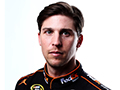
8. Denny Hamlin (No. 11)

Joe Gibbs Racing, Toyota 

Standing: Hamlin is eighth in the standings with 68 points.
Past two races: 19th at Phoenix, 2nd at Daytona.
Season stats: 1 top-five, 1 top-10.
Track history: At Las Vegas, Hamlin’s average finish is 13.1 and his average running position is 16.7 over the past eight years. In eight career starts at Las Vegas, he has one top-five and four top-10s.
Quick hit: Las Vegas isn’t one of Hamlin’s better tracks, and four of his past five races here have resulted in a finish of 15th or worse. The No. 11 team, which faced great hardship last year, also has to overcome its first miss of the year at Phoenix.

9. Carl Edwards (No. 99)

Roush Fenway Racing, Ford 

Standing: Edwards is ninth in the standings with 65 points.
Past two races: 8th at Phoenix, 17th at Daytona.
Season stats: 1 top-10.
Track history: At Las Vegas, Edwards’ average finish is 9.7 and his average running position is 11.6 over the past eight years. In nine career starts at Las Vegas, he has two wins, four top-fives and five top-10s.
Quick hit: Roush Fenway Racing has a good intermediate program, and Edwards has the best three-year stretch at Vegas among current drivers — a win in 2011, followed by back-to-back fifth-place finishes the next two years.
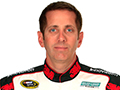
10. Greg Biffle (No. 16)

Roush Fenway Racing, Ford

Standing: Biffle is 10th in the standings with 64 points.
Past two races: 17th at Phoenix, 8th at Daytona.
Season stats: 1 top-10.
Track history: At Las Vegas, Biffle’s average finish is 10.9 and his average running position is 10.7 over the past eight years. In 10 career starts at Las Vegas, he has two top-fives, six top-10s and one pole.
Quick hit: Biffle typically does well on 1.5-mile tracks, but his recent history at Vegas is spotty. He was 17th last year and 28th in 2011 (although with a third-place run in 2012 sandwiched in between). If you’re a NASCAR Fantasy Live player, he’s a cautious pick.
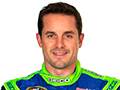
11. Casey Mears (No. 10)

Germain Racing, Chevrolet 

Standing: Mears is 11th in the standings with 64 points.
Past two races: 14th at Phoenix, 10th at Daytona.
Season stats: 1 top-10.
Track history: At Las Vegas, Mears’ average finish is 22.5 and his average running position is 27.9 over the past eight years. In 10 career starts at Las Vegas, he has three top-10s.
Quick hit: Mears’ three top-10s at Vegas came from 2004-06 with Chip Ganassi, and he only has one finish better than 25th in six races since. If he reverses history and records a third consecutive top-15 to open 2014, it’ll be the driver’s best career start.
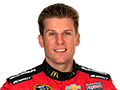
12. Jamie McMurray (No. 1)

Chip Ganassi Racing with Felix Sabates, Chevrolet  

Standing: McMurray is 12th in the standings with 64 points.
Past two races: 10th at Phoenix, 14th at Daytona.
Season stats: 1 top-10.
Track history: At Las Vegas, McMurray’s average finish is 18.2 and his average running position is 18.7 over the past eight years. In 11 career starts at Las Vegas, he has one top-five and four top-10s.
Quick hit: McMurray performed well at one of his worst tracks last week. This week, he brings his No. 1 Chevrolet to a track he’s become comfortable at. His back-to-back runs here of eighth (2012) and 13th are the best two-year span in his career.
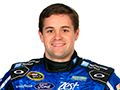
13. Ricky Stenhouse Jr. (No. 17)

Roush Fenway Racing, Ford

Standing: Stenhouse Jr. is 13th in the standings with 63 points.
Past two races: 18th at Phoenix, 7th at Daytona.
Season stats: 1 top-10.
Track history: At Las Vegas, Stenhouse Jr.’s average finish is 18.0 and his average running position is 12.9 over the past eight years. In one career start at Las Vegas, he finished 18th 2013.
Quick hit: Stenhouse Jr. seems to struggle on the short, flat ovals. Las Vegas is neither, so the sophomore driver may inch closer toward the top 10 in the standings following Sunday’s race.
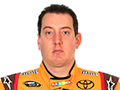
14. Kyle Busch (No. 18)

Joe Gibbs Racing, Toyota 

Standing: Busch is 14th in the standings with 61 points.
Past two races: 9th at Phoenix, 19th at Daytona
Season stats: 1 top-10.
Track history: At Las Vegas, Busch’s average finish is 11.8 and his average running position is 10.3 over the past eight years. In 10 career starts at Las Vegas, he has one win, four top-fives, five top-10s and two poles.
Quick hit: ‘Rowdy’ always puts an emphasis on winning in his hometown. He did that once, in 2009, and his fourth-place finish last year stopped a string of three consecutive finishes of 15th or worse.
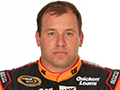
15. Ryan Newman (No. 31)

Richard Childress Racing, Chevrolet 

Standing: Newman is 15th in the standings with 60 points.
Past two races: 7th at Phoenix, 22nd at Daytona.
Season stats: 1 top-10.
Track history: At Las Vegas, Newman’s average finish is 18.2 and his average running position is 16.1 over the past eight years. In 13 career starts at Las Vegas, he has three top-fives, six top-10s and one pole.
Quick hit: Newman is a risk-or-reward type of driver, fitting for Las Vegas. He has six top-10s, but also five finishes — including last year — where he wasn’t close to finishing in the top 20, much less the top 10.
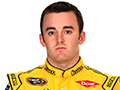
16. Austin Dillon (No. 3)

Richard Childress Racing, Chevrolet  

Standing: Dillon is 16th in the standings with 56 points.
Past two races: 24th at Phoenix, 9th at Daytona.
Season stats: 1 top-10, 1 pole.
Track history: At Las Vegas, Dillon’s average finish is 21.0 and his average running position is 24.0 over the past eight years. In one career start at Las Vegas, he finished 21st in 2013.
Quick hit: Dillon struggled last week, but so did the rest of the Sunoco Rookie of the Year class. Don’t expect that to carry over to a mile-and-a-half track, where the driver of the No. 3 is more comfortable.

MORE:

READ: Harvick dominates
in Phoenix win

WATCH: Patrick, Allgaier.
initiate wreck

WATCH: Post-race
reactions from Phoenix

READ: Official Phoenix
Sprint Cup race results

With emphasis on wins, solid second- or third-place runs no longer satisfying to drivers

RELATED: Bruce: In any system, points still matter

We gather here today to say goodbye to an old friend.

It has been a part of our lives for decades now, and its regular Saturday evening or Sunday afternoon visits were often as predicable as the tide. It was a meticulous sort, neat and orderly and good with numbers, never causing much of a fuss. At the same time, it often had a lackluster quality that was impossible to ignore. Not to speak ill of the departed, but it wasn’t always very exciting to have around — sometimes when it appeared on your doorstep, you knew just how things were going to unfold.

That said, it had a heck of a run. At its height, it could crown champions, dictate the course of seasons, determine the rise and fall of the best in their field. It once held a power that was unmistakable, an authority that was absolute. But over time, its influence ebbed. The first signs of its demise became evident in 2004, and over the past decade its condition has steadily deteriorated. This past Sunday, while on a business trip to Arizona, the end finally came.

And so today, we gather to remember: the Good Points Day.

The Good Points Day first came into this world in 1949, and in its earliest years seemed a mere footnote to everything else happening around it. In those first days, season-long NASCAR championships were often secondary in the minds of many drivers who preferred chasing the biggest trophies and paydays they could find. Some of the best ever to race ignored it entirely, competing instead in partial schedules, going solely after victories. Had they acquiesced to the Good Points Day, they almost certainly would have won more titles. But those didn’t matter as much back then. They soon would.

Slowly but surely, the Good Points Day consolidated power, and by 1972 — the beginning of the sport’s modern era, which introduced a shorter schedule and a championship format that all but required drivers to compete in every race — the takeover was complete. Suddenly, the Good Points Day meant everything. Injured drivers would tape open their swollen eyes, affix their broken arm to the steering wheel, do anything for the Good Points Day. They would emerge from their cars and praise the Good Points Day. Winning was still the ultimate goal, of course. But over time winning became much harder to do, and the Good Points Day became the cornerstone of every championship run.

As is the case with any kind of power, there were critics. Fans and track operators often derided it for having too much control. And yet, its reign continued unquestioned, seemingly everlasting. Benny Parsons won the premier-series championship in 1973 with just a single race win, the same season David Pearson — running a partial schedule — visited Victory Lane 11 times. In 1996, Terry Labonte took the crown with two wins while Jeff Gordon finished second with 10. In 2003, Matt Kenseth claimed the title with one victory while Ryan Newman won eight times. The Good Points Day enjoyed absolute authority — and then, almost overnight, its supremacy began to slip.

It eroded a little at first. In 2004 NASCAR implemented the first version of the Chase for the NASCAR Sprint Cup, which reset the standings for the final 10 races, and suddenly a Good Points Day didn’t matter quite as much as it used to. It 2007 the Chase was expanded from 10 to 12 drivers, and for the Good Points Day, the writing was on the wall. "Winning is what this sport is all about," chairman Brian France said then. "Nobody likes to see drivers content to finish in the top 10." Four years later two Wild Card berths were added, with preference going to drivers outside the top 10 with the most race wins. The Good Points Day’s breathing became a little raspy, and it began to have trouble getting out of bed in the morning.

By this past January, its condition had become critical. NASCAR announced a revised 16-driver Chase, for which a race victory would virtually ensure admission. Furthermore, the playoff itself was split into four elimination rounds, with race winners guaranteed to advance from one to the next. The demise of the Good Points Day was imminent, and last Sunday at Phoenix International Raceway it was complete. Brad Keselowski finished third on the 1-mile oval, without his regular crew chief no less, an effort that once would have been held up as a testament to the Good Points Day. But no more.

"Under this system, wins are only things that count," the 2012 series champion said. "Last year you would have said seconds and thirds are great, but this year they’re not. They’re so-so."

He wasn’t alone. Joey Logano was third on what proved the final restart with nine laps remaining, and he was hardly content with that position — as he showed by tapping the back of Kevin Harvick‘s car, getting the leader a touch loose, and trying to slide by on the inside. It didn’t work, and Harvick pulled away to finish off a dominant victory, and Logano lost a spot to his Team Penske stable mate Keselowski in the process. But afterward he had no regrets, another sure sign of the Good Points Day’s passing.

"I figured I might as well go for it," Logano said. "With a win being so important, you might as well go for it, and I tried to stuff it in there three-wide and gave up a spot by doing that. But overall, it is all about the win."

Indeed now it is. Win to get into the Chase, win to advance in the Chase, likely win to win the Chase — the dynamic has shifted, and like many things which have come before, the Good Points Day has found itself passed by. For the better part of six decades it reigned supreme, in the bigger picture often managing to trump even the drivers celebrating in Victory Lane. But as Phoenix made clear, drivers bow down to the Good Points Day no more. In the arid conditions of the southwest desert, it withered and faded away.

So now, we wish the Good Points Day farewell. For all its faults, it was there week after week, as omnipresent in this sport as tires and fuel. As polarizing as it could be, its legacy remains in all the champions it helped to crown. The Good Points Day may not always be remembered fondly, but it will never be forgotten. The Good Points Day, 1949-2014. May it rest in peace.

MORE:

READ: Harvick dominates
in Phoenix win

WATCH: Patrick, Allgaier.
initiate wreck

WATCH: Post-race
reactions from Phoenix

READ: Official Phoenix
Sprint Cup race results

Hendrick Motorsports veteran has consecutive top-five finishes to open 2014

RELATED: Play NASCAR Fantasy Live | Sign up for RaceView today

Since we’re still in our post-Oscars comedown phase, let’s put Jeff Gordon‘s hot start this season into the proper Hollywood context, winding the clock back to The 69th Academy Awards, on March 24, 1997.


"The English Patient" had just cleaned up, despite Elaine Benes’ dissatisfaction with the film in an episode of "Seinfeld" that aired two weeks earlier; Tom Cruise was overlooked for his leading role in "Jerry Maguire," but Cuba Gooding Jr.’s performance in the film earned him hardware for Best Supporting Actor; and "Fargo" took home the honors for Best Original Screenplay to put a couple of brothers with the last name Coen on the map.


Sound dated? It should.

Rewind a month and a day even further to February 23 of that year, and you’ve got the last time Gordon opened the season with a pair of top-five finishes — that is, until he accomplished the feat this past weekend with his fifth-place showing at Phoenix International Raceway, a week after finishing fourth in the Daytona 500.

While his rapid start can’t touch the way he burst out of the gates in 1997 with his first Daytona 500 victory and follow-up win at Rockingham (which hasn’t hosted a NASCAR Sprint Cup Series event since 2004), it does speak volumes about how ready the No. 24 Hendrick Motorsports team came to race this season, as the future NASCAR Hall of Famer wades further into the twilight of his career.


When Gordon was asked on pit road after the race what it means to open the season with two top-fives, the words came flying out of his mouth with such an excitement that he cut off the questioner midstream.


"Man, I’m pumped."


And you could tell he really meant it.

Getting there wasn’t easy, though. Shortly after making his way up to the front of the pack by Lap 238, Gordon came in for a two-tire pit stop just as a caution was called for debris on the backstretch on Lap 248. He was then faced with the uphill battle of working his way through the field from 14th with just over 50 laps left in a race that had proven difficult for many to move up all day.


"We got real behind getting caught out there on that one caution and we only two took tires and that could’ve worked for us or against us," Gordon said.

"Luckily, more cautions came that actually helped us. I got one really good restart on the outside where I passed two or three cars and then I was on the inside on a little bit fresher tires and got a couple more. I certainly took advantage of (Ryan) Newman and Jimmie (Johnson) side-by-side there at the end and was able to take them three-wide. In clean air, our car was — I don’t know if it was as good as the 4 (of race-winner Kevin Harvick) or the 88 (runner-up Dale Earnhardt Jr.) — but it was just about as good as anybody else’s out there."

Gordon further explained how he was able to sneak past Hendrick Motorsports teammate Johnson (who finished 6th) and Richard Childress Racing’s Newman (7th) for the fifth-place finish.


"On that last restart, I actually got a good run on Newman and he worked the outside down here and got a run on Jimmie," Gordon said. "When those two went in the corner and slid up, I was able to get underneath them and take them three-wide down the back straightaway and when I got to (Turn 3), I was actually pretty clear.


"You know when Ryan Newman’s in front of you on the restart, it’s going to get interesting."


The even more interesting part of that restart — and what caused everybody in the media center to collectively yell, ‘Whoa!’ — was the move that Joey Logano pulled to try to bump leader Harvick out of the way. 

Coming around Turn 1, Logano went low on the apron and tried to squeeze his way past Harvick into the lead. It was a valiant effort, for sure, but one that inevitably failed as Logano’s Ford ceded way to Harvick’s Chevrolet, which had been in a class of its own all day.


"I thought, ‘Well, I’m going to pass a few cars right here because I thought we were going to see (Logano) send (Harvick) up into the wall,’" said Gordon, who had a pretty close view of it. 

"That’s one of those moves where — because I’ve been in that position before — at times it looks really good, but then you get down there and you realize how dirty the track really is and how bad of an angle that is going in. You really have no option other than to either slide into the guy or just slow way down. A lot of times that actually hurts you."


That said, it’s the kind of move race fans might have to get used to seeing. From a spectator’s point of view, that’s not a bad thing. It was fresh; it was exciting. But why, exactly, did we see it?

Because of the new Chase format and the added emphasis on winning to virtually clinch a postseason spot.

"I think that when a win is in your sights, regardless of what the points are, you get hungry and you go for it, especially on double-file restarts, and these restarts are so crucial here," Gordon said.

"When you put (the new Chase system) on top of it, it definitely intensifies things to the next level. I’m sure it was intense."


The series now moves to Las Vegas, where drivers might look to make similar gambles to try to pick up a win and virtually lock their spot in the Chase, especially after seeing how Logano was able to test the maneuver without major consequences. All he did was lose a spot from third to fourth.

With finishes outside the top 10 and a total of four laps led in his last three starts in Sin City, Gordon might figure he has nothing to lose. He certainly could be determined to push the odds in his favor with an aggressive move at the end.


For now, though, it looks like the veteran is satisfied collecting top-fives, knowing a win isn’t far off if his team maintains its consistency.

"To me, next week’s the real test," said Gordon, who scored his only Vegas win in 2001. "We really struggled at Vegas last year and this is a great way to get us fired up and ready to go. If we can get a top-five next week, then this team is really, really onto something and it’s something I’m excited about."

MORE:

READ: Harvick dominates
in Phoenix win

WATCH: Patrick, Allgaier
initiate wreck

WATCH: Post-race
reactions from Phoenix

READ: Official Phoenix
Sprint Cup race results

Sprint Cup Series regular, wife expecting first child

RELATED: Play NASCAR Fantasy Live | Sign up for RaceView today

Paul Menard will have a standby on hand for this weekend’s Sprint Cup Series event at Las Vegas Motor Speedway, as the Richard Childress Racing driver and his wife await the birth of the couple’s first child.

Matt Crafton, the reigning champion of the Camping World Truck Series, will be at the 1.5-mile track in case Menard gets the call to return home. Crafton is scheduled to compete in the facility’s Nationwide Series event, in a No. 33 car also owned by Childress. The vehicles of Menard and Crafton are both sponsored by Menard’s.

"It’s tough, because you just don’t know when or even if it will happen, but kind of like that backup quarterback, you have to be ready at any time,” Crafton said. “Paul and I have been good friends going back to 2001. We’ve raced together and I actually spotted for him early in his career. For him to have the confidence in me to get the job done if he has to head back home — that’s awesome."

Menard stands 23rd in points after a 23rd-place finish this past weekend at Phoenix. Crafton has never competed in a Sprint Cup Series race.

Las Vegas marks the second consecutive weekend a key player in the Sprint Cup Series has been on baby watch. Paul Wolfe, crew chief for 2012 champion Brad Keselowski, left Phoenix last Saturday to be with his wife for the birth of the couple’s first son. Keselowski finished third the next day with Penske Nationwide competition director Greg Erwin and engineer Brian Wilson calling the shots.

MORE:

READ: Harvick dominates
in Phoenix win

WATCH: Patrick, Allgaier.
initiate wreck

WATCH: Post-race
reactions from Phoenix

READ: Official Phoenix
Sprint Cup race results

Each week an expert will answer a tech question on GarageCam presented by Mobil 1

RELATED: Mobil 1 Technology Center

Each week the host of NASCAR.com’s GarageCam presented by Mobil 1 will take an automotive technology question and get it answered by the experts in the NASCAR Sprint Cup Series garage.

Last week in Phoenix, host Matthew Dillner asked Kevin Manion, crew chief of Michael Annett’s No. 7, what type of oil they’d be using in the new qualifying format.

Watch the video above to hear the answer, and be sure to tune in to GarageCam presented by Mobil 1 this week in Las Vegas and see another question answered.

Nationwide Series GarageCam, presented by Mobil 1:
3 p.m. ET, Friday, March 7. (Watch here)

Sprint Cup Series GarageCam, presented by Mobil 1:
1:30 p.m. ET, Friday, March 7. (Watch here)


MORE:

READ: Harvick dominates
in Phoenix win

WATCH: Patrick, Allgaier.
initiate wreck

WATCH: Post-race
reactions from Phoenix

READ: Official Phoenix
Sprint Cup race results

Get a sneak peek at this weekend’s new looks presented by NASCAR ’14

SPRINT CUP SERIES PAINT SCHEMES | Entry List


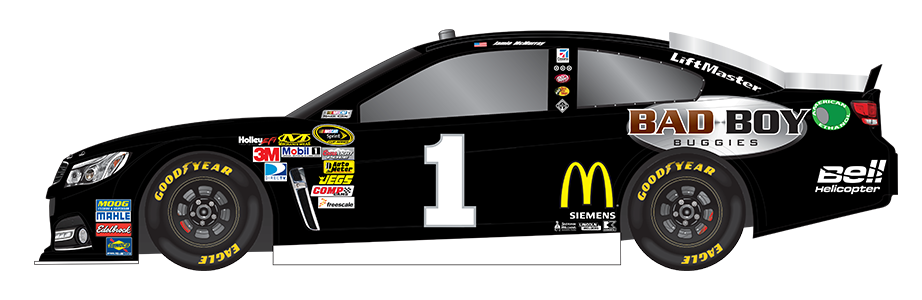
Jamie McMurray will drive the No. 1 CESSNA Chevrolet.

SHOP: Jamie McMurray die-casts

Austin Dillon will drive the No. 3 Cheerios Chevrolet.

SHOP: Austin Dillon die-casts

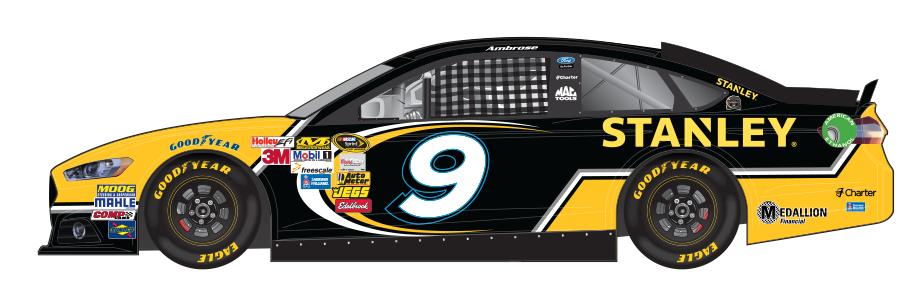
Marcos Ambrose will drive the No. 9 DeWalt Ford.

SHOP: Marcos Ambrose die-casts

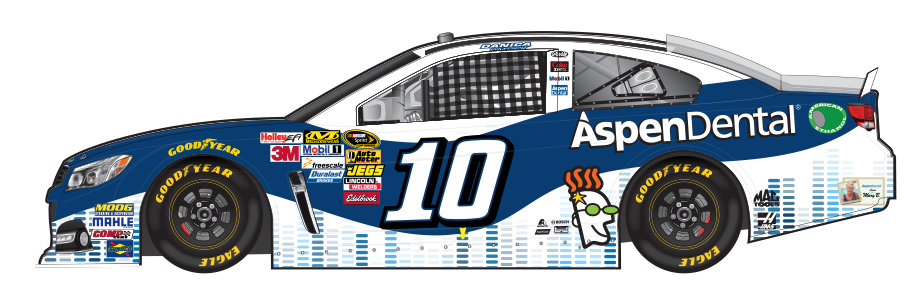
Danica Patrick will drive the No. 10 Aspen Dental Chevrolet

SHOP: Danica Patrick die-casts

Denny Hamlin will drive the No. 11 FedEx Ground Toyota.

SHOP: Denny Hamlin die-casts

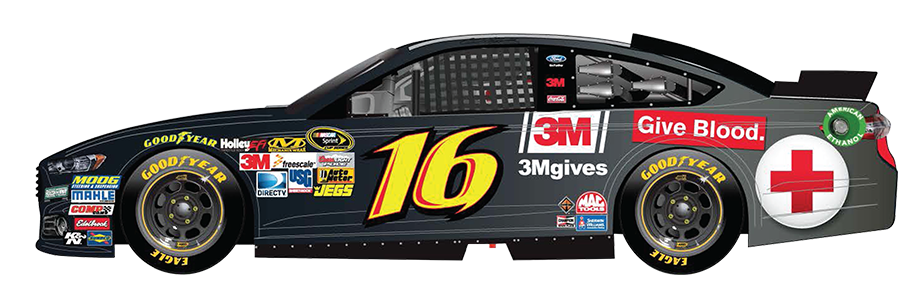
Greg Biffle will drive the No. 16 Red Cross Ford.

SHOP: Greg Biffle die-casts

Ricky Stenhouse Jr. will drive the No. 17 Zest Ford.

SHOP: Ricky Stenhouse Jr. die-casts

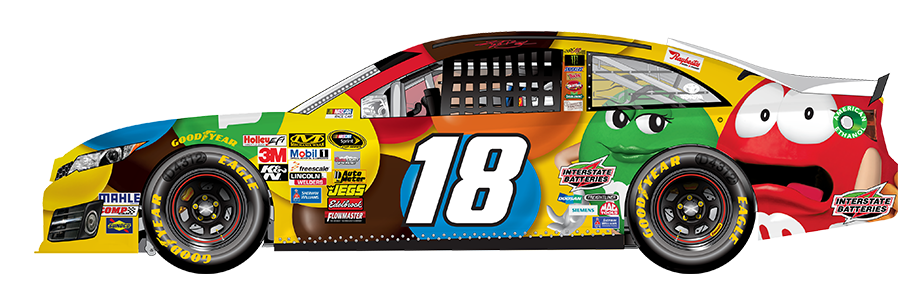
Kyle Busch will drive the No. 18 M&M’s Toyota.

SHOP: Kyle Busch die-casts

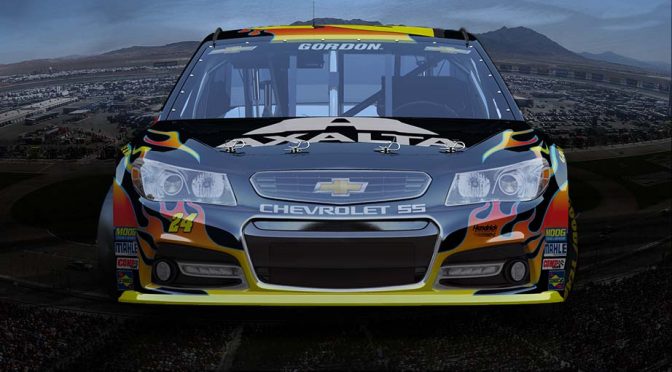
Jeff Gordon will drive the No. 24 Axalta Chevrolet.

SHOP: Jeff Gordon die-casts

Paul Menard will drive the No. 27 Quaker State/Menards Chevrolet.

SHOP: Paul Menard die-casts

Travis Kvapil will drive the No. 32 Ask More-Get More Ford.

SHOP: Get die-casts

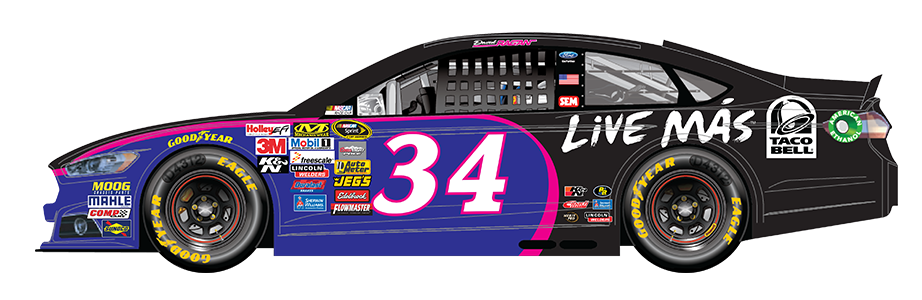
David Ragan will drive the No. 34 Taco Bell Ford.

SHOP: David Ragan die-casts

J.J. Yeley will drive the No. 44 Phoenix Warehouse of NJ/California Chevrolet.

SHOP: J.J. Yeley gear

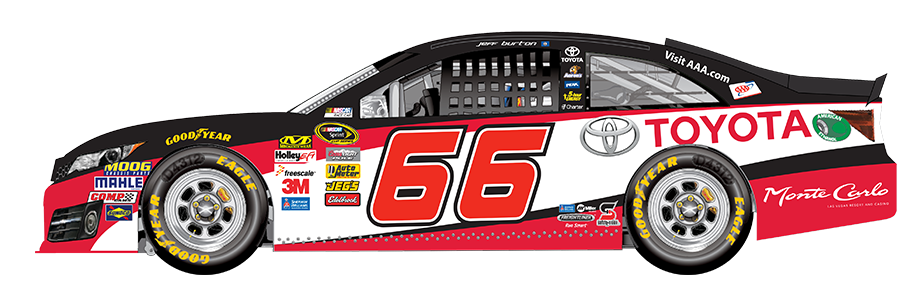
Jeff Burton will drive the No. 66 Let’s Go Places Toyota.

SHOP: Jeff Burton die-casts

Dale Earnhardt Jr. will drive the No. 88 Mountain Dew Kickstart Chevrolet.

SHOP: Dale Earnhardt Jr. die-casts

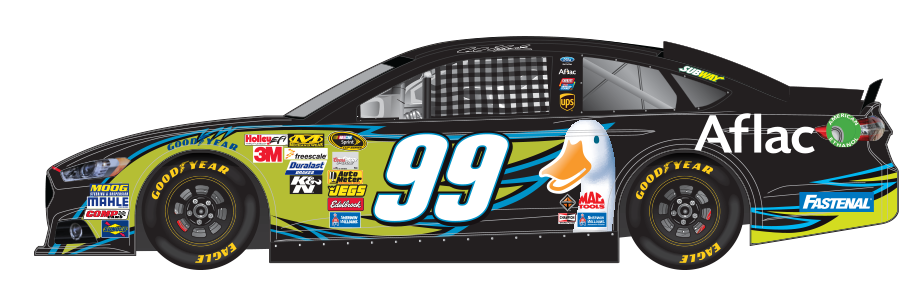
Carl Edwards will drive the No. 99 Aflac Ford.

SHOP: Carl Edwards die-casts

NATIONWIDE SERIES PAINT SCHEMES

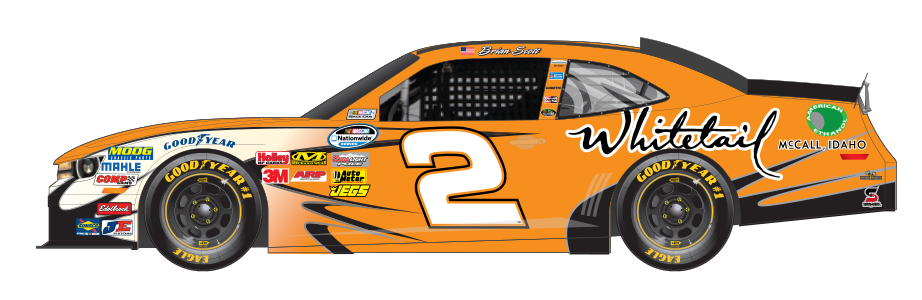
Brian Scott will drive the No. 2 Whitetail Chevrolet.

SHOP: Brian Scott die-casts

Ty Dillon will drive the No. 3 VF/Jiffy Lube Chevrolet.

SHOP: Ty Dillon die-casts

Regan Smith will drive the No. 7 NAPA Synthetic Oil Chevrolet.

SHOP: Regan Smith die-casts

Elliott Sadler will drive the No. 11 Interstate Batteries Toyota.

SHOP: Elliott Sadler die-casts

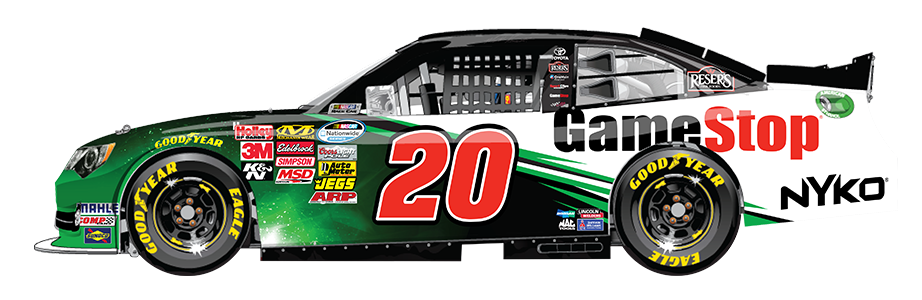
Matt Kenseth will drive the No. 20 GameStop Toyota.

SHOP: Matt Kenseth die-casts

MORE:

READ: Harvick dominates
in Phoenix win

WATCH: Patrick, Allgaier.
initiate wreck

WATCH: Post-race
reactions from Phoenix

READ: Official Phoenix
Sprint Cup race results

Stewart knows what teammate will go through when he tries the Memorial Day double

RELATED: Kurt Busch will try the Memorial Day double
Play NASCAR Fantasy Live | Sign up for RaceView today

Kurt Busch‘s plan to race both the Coca-Cola 600 and Indianapolis 500 on the same day will have the full support of the driver who set the standard for the Memorial Day weekend double — and now, just happens to be his boss.

Busch announced Tuesday that he would undertake both events on May 25, competing in the Indianapolis 500 for Andretti Autosport and the Coca-Cola 600 at Charlotte Motor Speedway in his usual No. 41 car for Stewart-Haas Racing. Tony Stewart is the only man to ever complete all 1,100 miles of the venture, and the SHR co-owner said he is behind Busch’s effort to do the same.

"It’s a great opportunity for Kurt, and I fully support him," Stewart said Tuesday in a statement provided by SHR. "He’ll have a lot to learn in a short amount of time, but he has an overwhelming amount of driving talent on his side. He has a great car owner with Michael Andretti, who’s not only an owner, but he’s been a driver, too. Michael has so much to offer Kurt in terms of knowledge and firsthand experience. It really seems like a natural pairing."

Busch plans to test twice in an open-wheel car before the Indianapolis 500, and the 2004 NASCAR champion already has airplanes and helicopters lined up to get him back and forth to Sprint Cup events in Charlotte. Although three drivers have previously attempted the Memorial Day weekend double — including John Andretti and Robby Gordon — Stewart is the only one to have completed every lap in both races, that benchmark coming in 2001 when he finished sixth in Indy and third in Charlotte.

Gordon was the last driver to attempt the double, his 2004 try falling victim to weather. Busch said Stewart, who won an open-wheel title before becoming a three-time champion in NASCAR, wants to be in Indianapolis to watch the kickoff to his endeavor this May.

"He said he wanted to go and watch the beginning of the 500 with me," Busch said. "It’s an amazing feeling to have a guy like Tony Stewart there."

MORE:

READ: Harvick dominates
in Phoenix win

WATCH: Patrick, Allgaier.
initiate wreck

WATCH: Post-race
reactions from Phoenix

READ: Official Phoenix
Sprint Cup race results