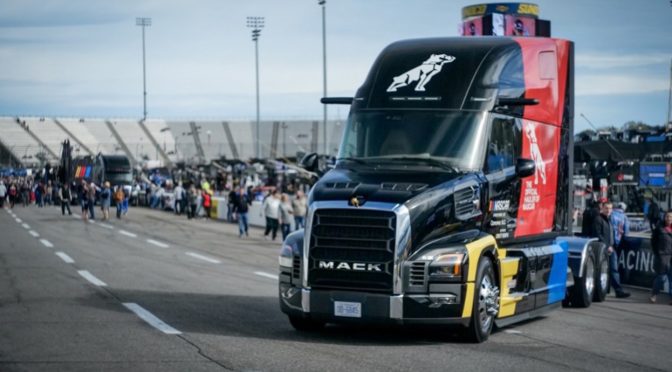
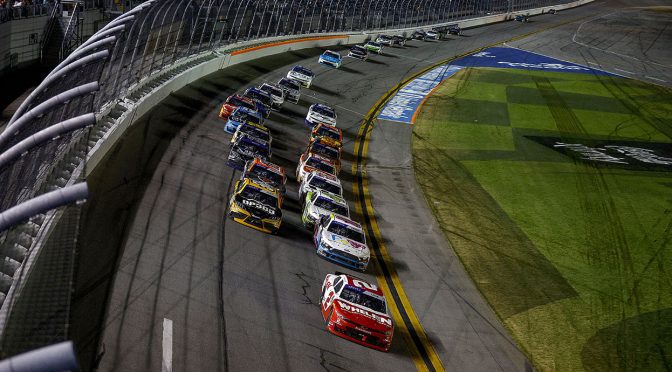
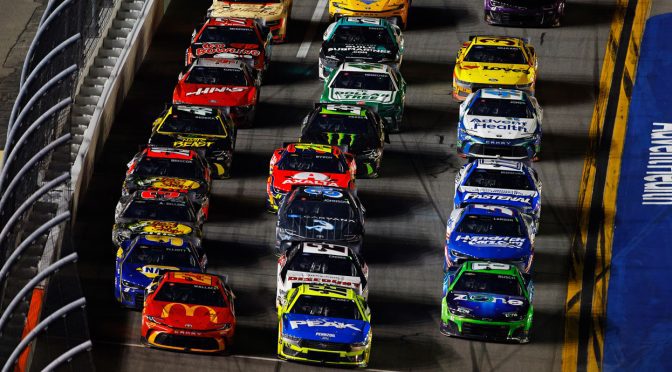
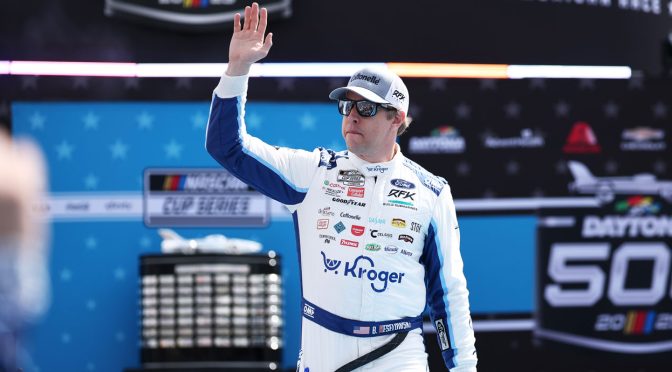
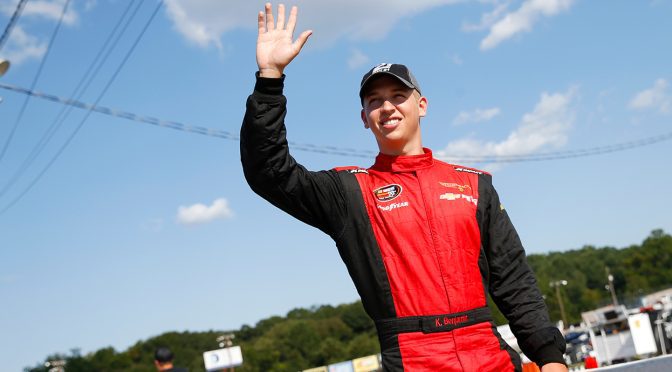
GREENSBORO, North Carolina — Mack Trucks and NASCAR® today announced a multiyear extension of their partnership, continuing the designation of Mack as the “Official Hauler of NASCAR.” As part of the expanded agreement, NASCAR has added 11 all-new Mack Pioneer™ 76-inch High-Roof Sleeper models to its fleet, with the trucks making their debut during Speedweeks at Daytona International Speedway, Feb. 11-15, leading up to the 68th annual Daytona 500.
The addition of the Pioneer models marks the latest evolution of NASCAR’s Mack fleet, which began with Pinnacle models in 2016 before transitioning to Anthem models in 2018. Six Mack Anthem® models will remain in service as part of the fleet, continuing to support NASCAR’s operations throughout the racing season.
“For nearly a decade, Mack has proudly served as the Official Hauler of NASCAR, and this partnership extension reinforces our shared commitment to performance, reliability and excellence,” said Jonathan Randall, president of Mack Trucks North America. “The Mack Pioneer represents the most advanced highway truck we’ve ever built, and there’s no better stage to showcase its capabilities than NASCAR’s demanding schedule.”
The Mack Pioneer, which began production in 2025, is Mack’s most aerodynamic and fuel-efficient highway truck to date, delivering up to 11 percent improved fuel efficiency compared with previous models. NASCAR’s custom-spec’d Pioneer models are powered by the Mack MP®13 engine producing 515 horsepower and 1,900 lb.-ft. of torque, paired with the Mack mDRIVE™ 12-speed overdrive automated manual transmission. The 76-inch High-Roof Sleeper configuration features the innovative FlexSuite system with premium mattresses, providing drivers with maximum comfort during NASCAR’s grueling travel schedule.
Each truck is equipped with Mack Protect™ Premier, Mack’s most comprehensive Advanced Driver Assistance System suite, which includes forward collision warning, adaptive cruise control, automatic emergency braking, lane departure warning and lane change support on both passenger and driver sides. The fleet also features a digital mirror system, which replaces traditional side mirrors with cameras housed in pods, for improved aerodynamics and visibility, along with the Mack Integrated Parking Cooler for emissions-free cabin cooling during rest periods.
“Mack Trucks has been an essential partner behind the scenes of NASCAR for nearly a decade, delivering the reliability and performance required to keep our sport moving week after week,” said Michelle Byron, executive vice president and chief partnership and licensing officer, NASCAR. “As we extend this partnership and welcome the new Mack Pioneer models into our fleet, we’re continuing to invest in best-in-class equipment that supports our industry and the demanding logistics of our season.”
Spanning 10 months and 36 points races across the United States, the NASCAR schedule is one of the most grueling in all of sports. Each week during the season, NASCAR relies on its Mack trucks to efficiently and safely transport critical race equipment, technology and facilities from track to track.
For more information about Mack Trucks, visit your local Mack dealer or www.macktrucks.com.
NASCAR.com’s Pat DeCola ranks the top 20 NASCAR Cup Series drivers competing for the 2026 NASCAR Cup Series Championship before Sunday’s season-opening Daytona 500 at Daytona International Speedway. (1:30 p.m. ET, FOX, HBO Max, MRN Radio, SiriusXM NASCAR Radio). Hendrick Motorsports driver William Byron enters as the defending winner.
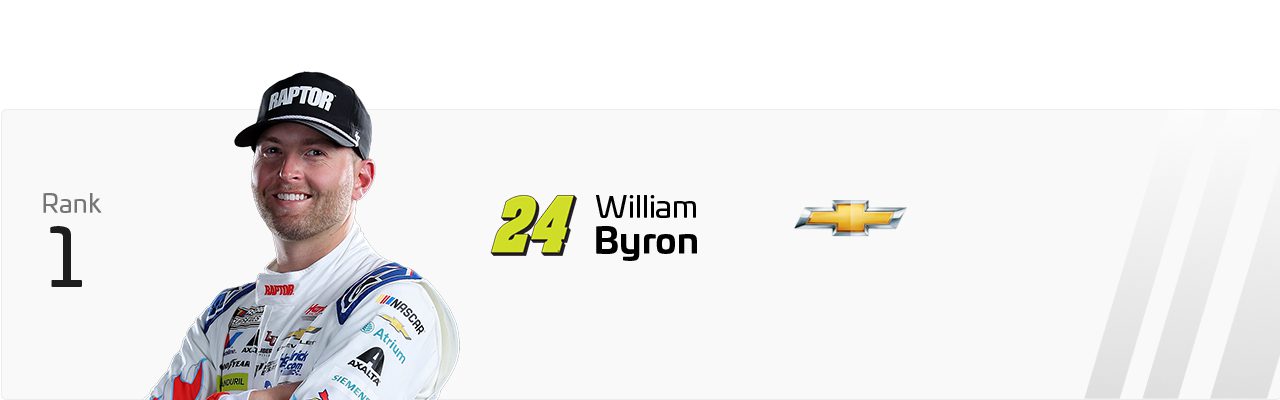
Analysis: Byron’s 2025 was a study in consistency with another Daytona 500 win and Regular Season Championship, yet the title still eluded him in the finale. He opened 2026 off on a strong note once again with a runner-up in the Cook Out Clash, showing early speed in chaotic conditions. Daytona suits his strengths and history, and he’ll arrive looking for a third straight Harley J. Earl with real momentum in a retooled Chase era as a top-tier threat who should be in the title conversation — or leading it — all season.
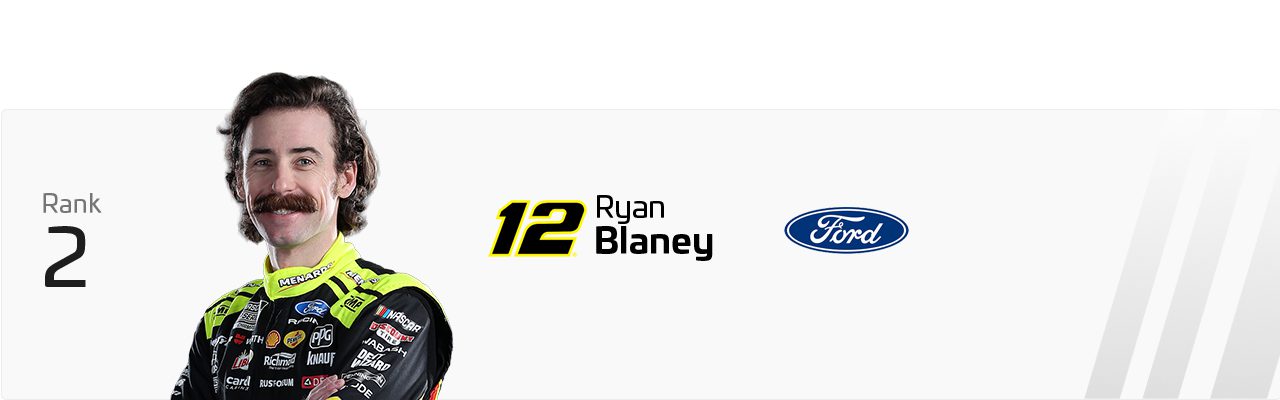
Analysis: Blaney’s four-win 2025 season culminated in an emotional championship race victory — but was ultimately short of the championship itself, however — reinforcing his status as one of the sport’s most reliable week-to-week performers. A third-place finish in The Clash suggested he and his No. 12 Penske group aren’t missing a beat in transition to 2026. Daytona’s draft chaos usually plays into his wheelhouse, and Blaney projects as a perennial top-five driver with a legitimate shot at breaking through for another title bid — or his first Daytona 500 win.
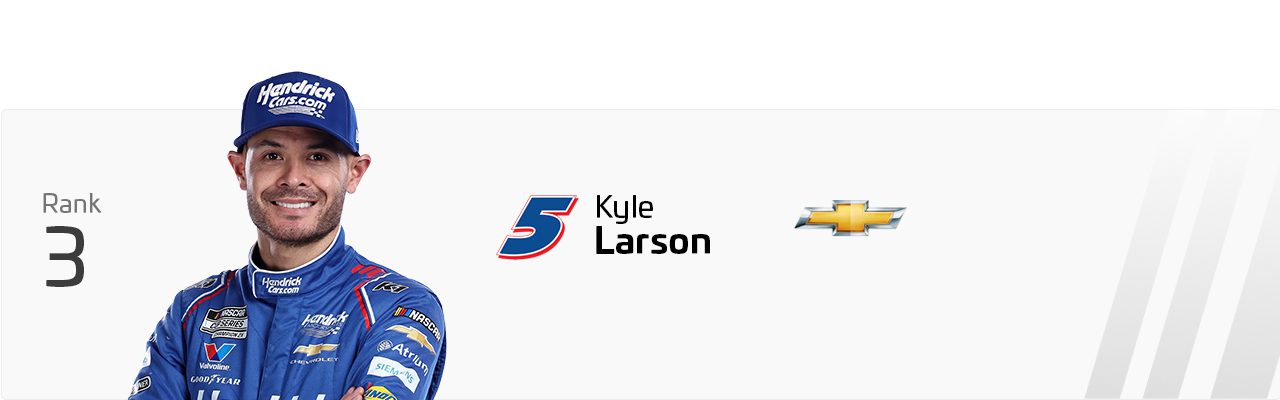
Analysis: Larson closed 2025 by seizing a second Cup crown after taking advantage of late Phoenix drama, validating his championship mettle. He showed early pace in the Bowman Gray Clash before weather and attrition reshuffled the order, and while exhibition doesn’t define a season, it confirms he’s sharp heading into Daytona and still firing on all cylinders. As defending champ, Larson’s outlook is as high as anyone’s, and a repeat is not a bit of bold talk.
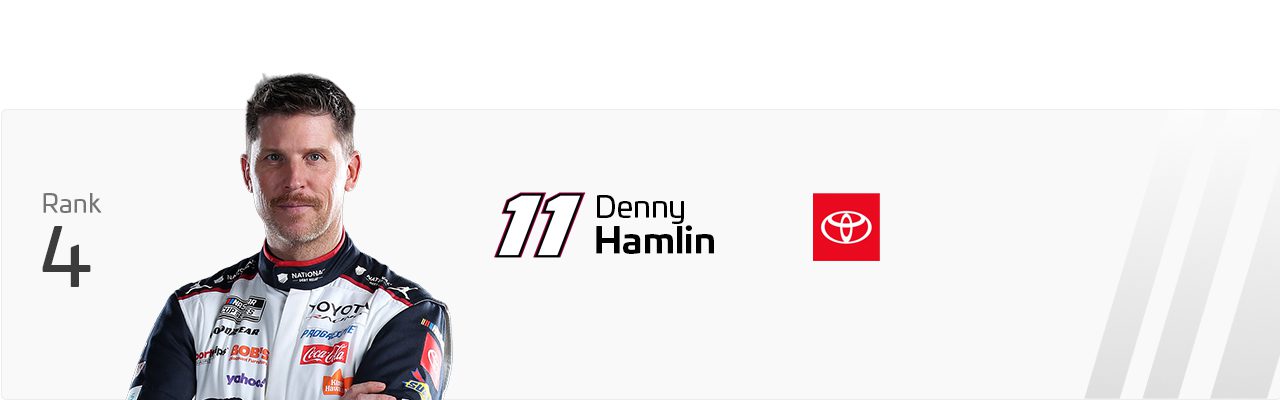
Analysis: Hamlin was arguably the best driver in 2025 before being denied his first title after Phoenix heartbreak, but his trademark tenacity was on display again at Bowman Gray with a solid top-five in tough conditions. Carrying an aggravated shoulder injury into Speedweeks adds a layer of intrigue to his Daytona script, though his grit won’t be in question and still profiles as an elite contender. If his body holds and his team continues to execute, Hamlin should be in the championship mix yet again, with a format in which he can maximize his strengths.
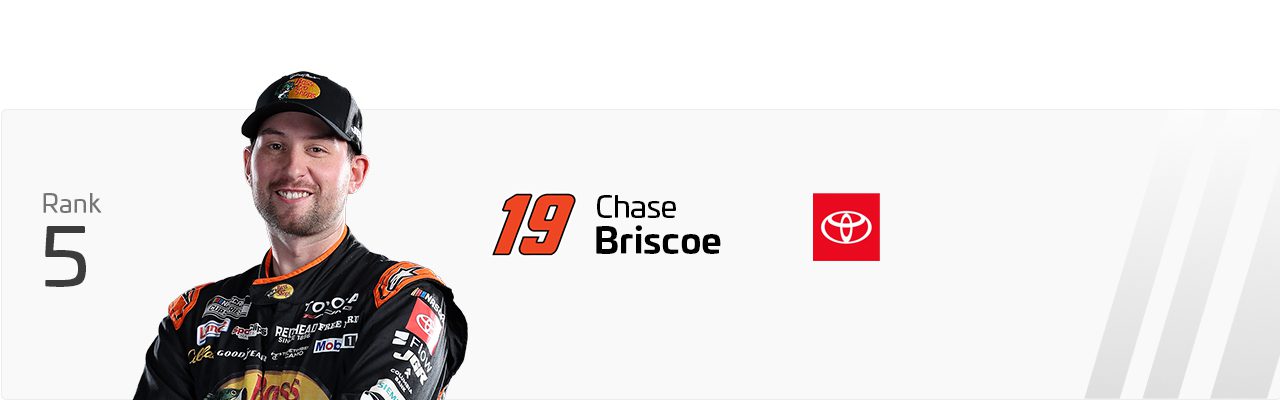
Analysis: Briscoe’s breakout first year with Joe Gibbs Racing was real — three wins and a Championship 4 berth — even if the Phoenix finale didn’t go his way. He landed in the top 10 amid Bowman Gray’s chaos, an encouraging sign that his momentum will carry into 2026. Year 2 with an elite organization should see Briscoe further establish himself, particularly if his raw speed continues to translate to deepening race craft.
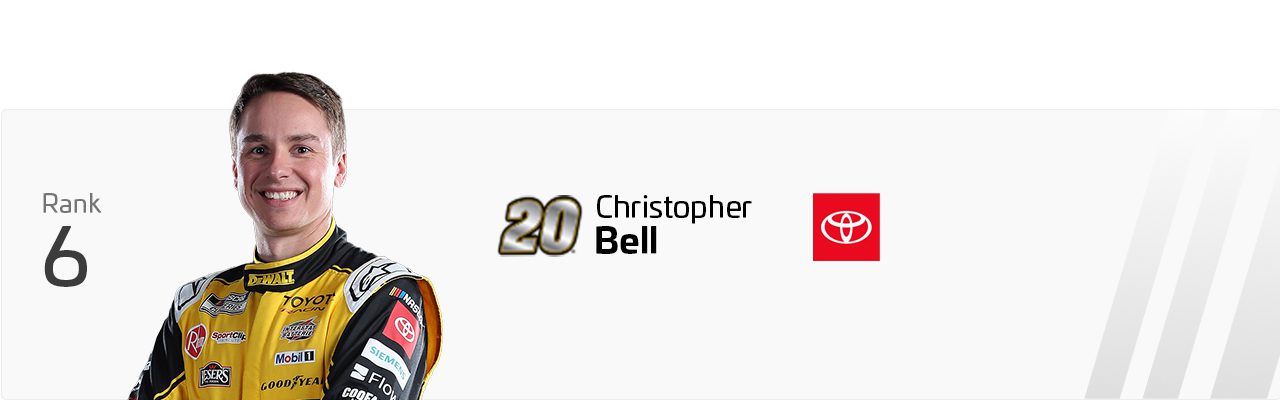
Analysis: Bell’s four wins and regular-season excellence in 2025 further established him as a perennial contender, though a Round of 8 exit highlighted execution gaps. At Bowman Gray, he was competitive inside the top 10 in tricky conditions, a hint of early form and Daytona, where power and patience mesh, should play to his strengths. Bell looks once again like a season-long contender with the firepower to grab wins and sustain a deep Chase push.
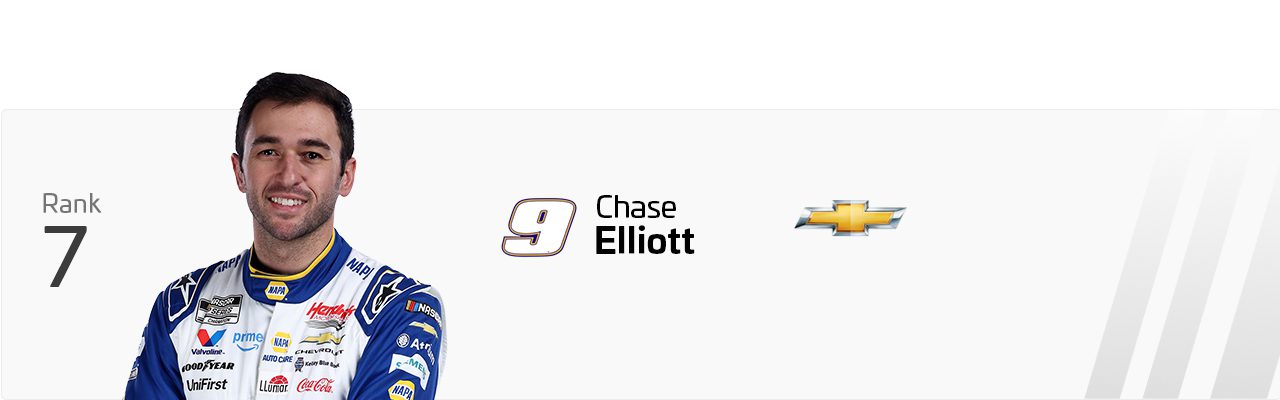
Analysis: Elliott’s 2025 was defined by consistency more than flash, and a Clash at Bowman Gray performance that didn’t make headlines mirrored that stable, workmanlike approach. Last year’s Clash winner arrives at Daytona with confidence, and his superspeedway savvy and race management give Elliott a credible shot to contend in the 500. Over a full season, expect him to be a fixture near the top of the rankings as his team pushes for more wins while maintaining his unparalleled consistency.
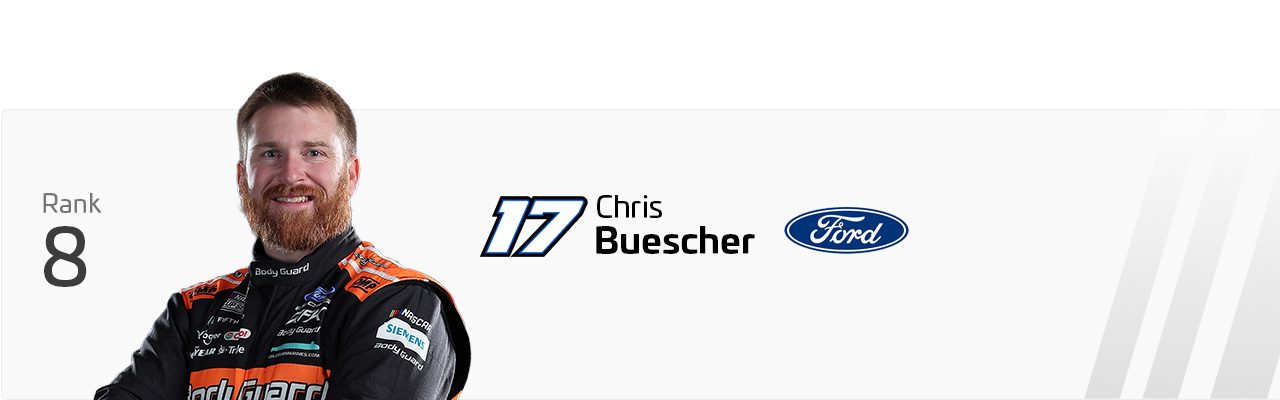
Analysis: Buescher again hovered around the playoff bubble in 2025, emphasizing RFK’s steady if unspectacular upward trajectory. The Bowman Gray Clash didn’t shift perceptions, but he remained in the mix — proof RFK’s consistency can keep him relevant, and the team also won the race itself with driver Ryan Preece. Buescher’s steady approach could pay dividends in a return to The Chase as well, and his season looks like he’ll be in the mix, if not an outright title threat.
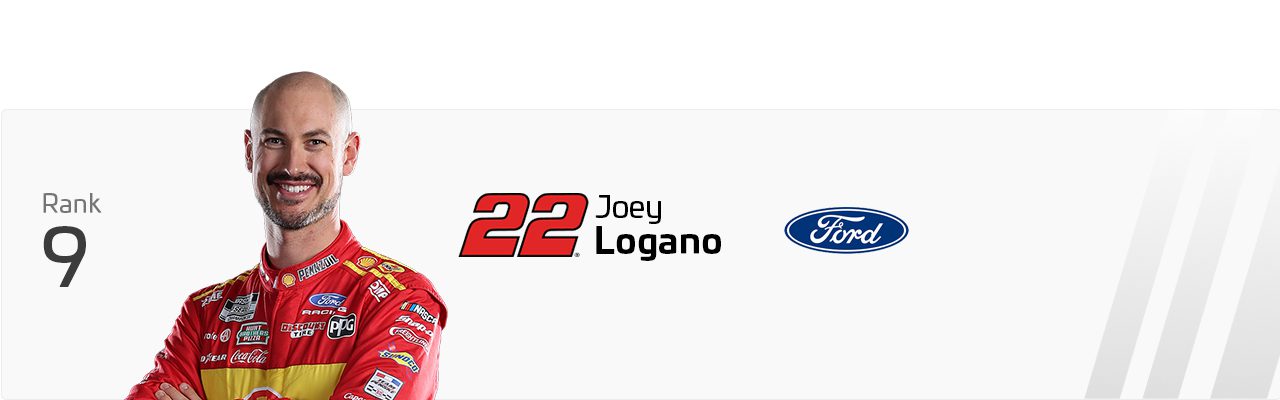
Analysis: Logano’s 2025 didn’t mirror his 2024 magic, but an even year and some championship format tweaks have the No. 22 team buzzing for 2026. Daytona’s draft may play into his strategic strengths for a past 500 winner looking to build some early momentum, so look for Logano to be a key figure in the upper tier — as the even-year championship isn’t a narrative to dismiss at this point.
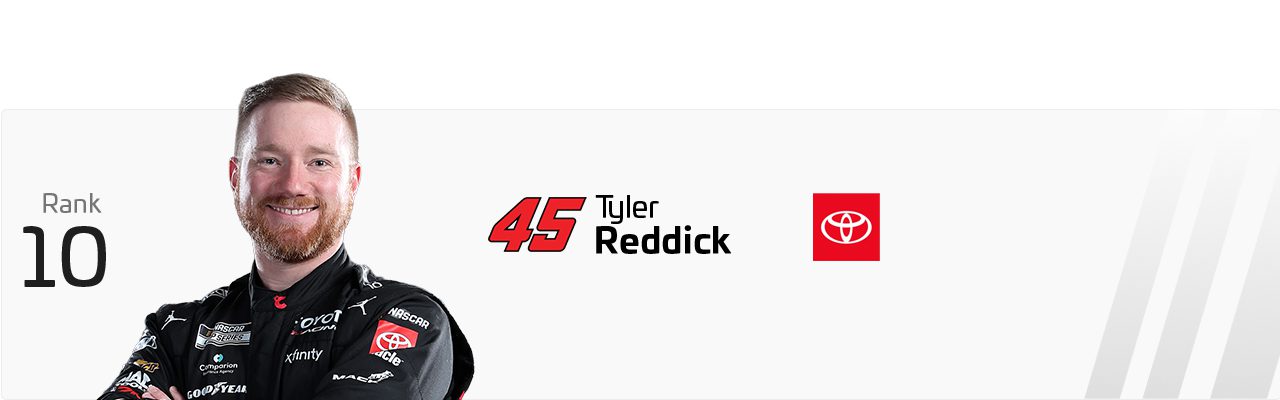
Analysis: Reddick’s 2025 was a letdown by his standards, but there were clear extenuating factors, and there’s nothing that suggests the slump will be a prolonged one. Daytona’s wild brand of racing offers him a reset opportunity, and if Reddick can clean up qualifying and short-run speed, the aggression that defines his style should yield wins once again as he aims for resurgence and reclamation.
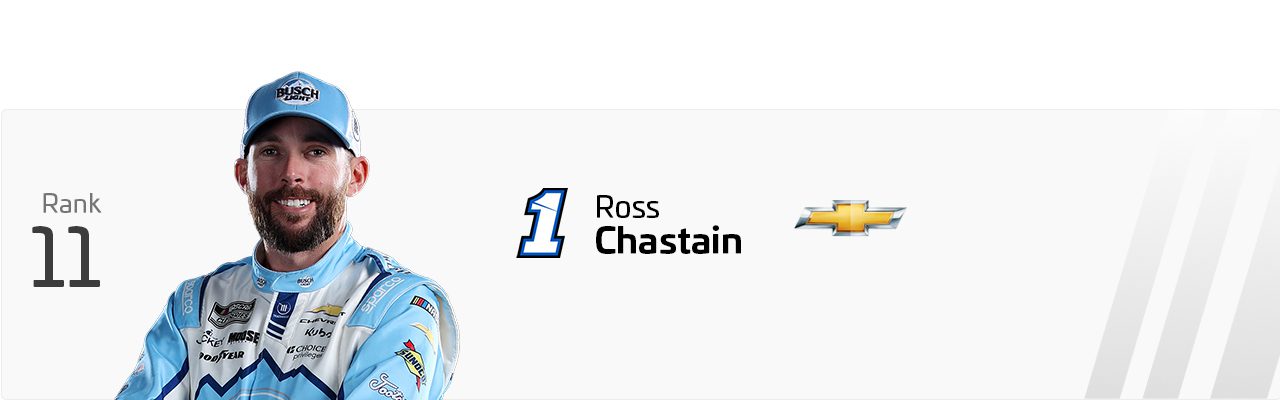
Analysis: Chastain’s lone 2025 win was impressive in isolation, but a lack of depth was salient and prompted a crew chief change in the offseason. In the Bowman Gray brawl, he was able to eke out a top 10, hinting that the pieces might be finding early cohesion. Expect Chastain to be a thorn most weeks and a sleeper for big runs if the new crew dynamic clicks.
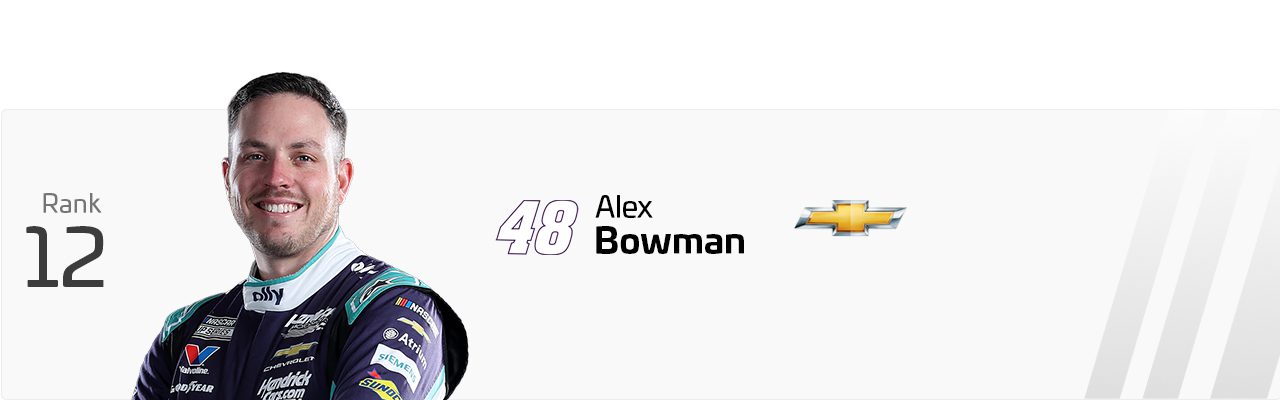
Analysis: Bowman heads into 2026 with a quiet ledger of late, but flashes over the years that show he has the ceiling to be in the conversation — including solid laps at Bowman Gray in mixed conditions last week. This is a make-or-break season for Bowman’s narrative, not his talent — expectations are higher now, and he’s had the time to compete for championships in top-tier equipment in multiple formats. If things come together, he’ll be a regular top-10 threat with upside for more, or the seat could get hotter by season’s end.
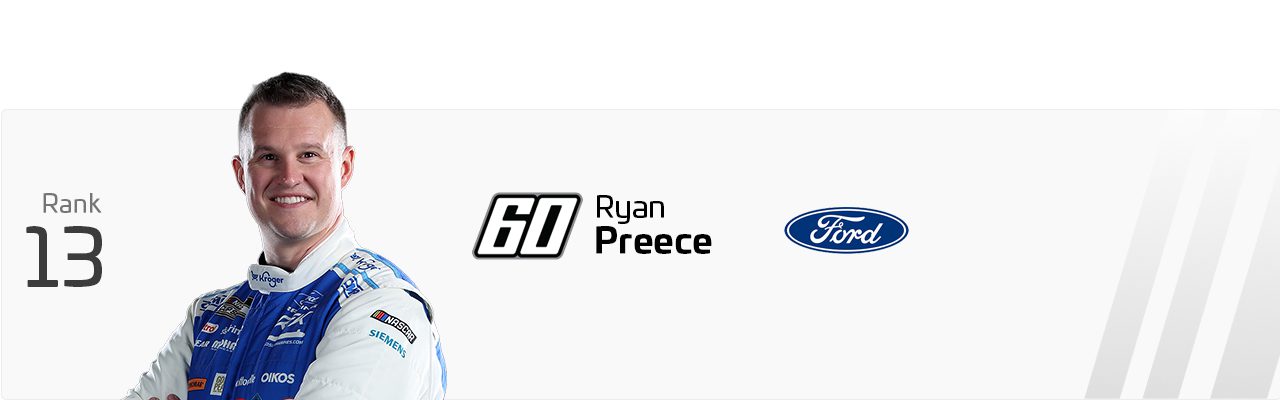
Analysis: Preece finally broke through in The Clash at Bowman Gray with a dramatic and memorable win, ending a long winless Cup run in a way that feels seismic for his confidence and garage cred — exhibition or not. That result instantly reframes Speedweeks for him; he’s not just going to Daytona, he’s going to contend for more than just dramatic, highlight reel clips in which he is airborne. All of a sudden, this feels like the year he turns fringe credibility into weekly contention.
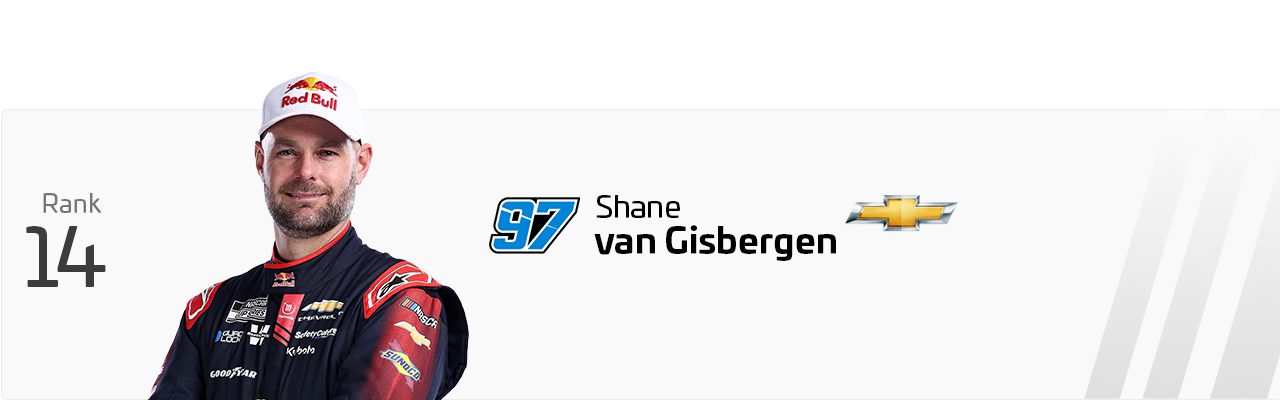
Analysis: SVG’s 2025 rookie season lit up the sport, and the Bowman Gray Clash was, somewhat surprisingly, no exception, as he handled the mixed conditions with the kind of poise and car control that underlined he belongs in every conversation. If he keeps progressing on ovals, SVG could be one of the year’s biggest surprises. His ceiling is legit title contention; the only question remains consistency on courses that only turn left.
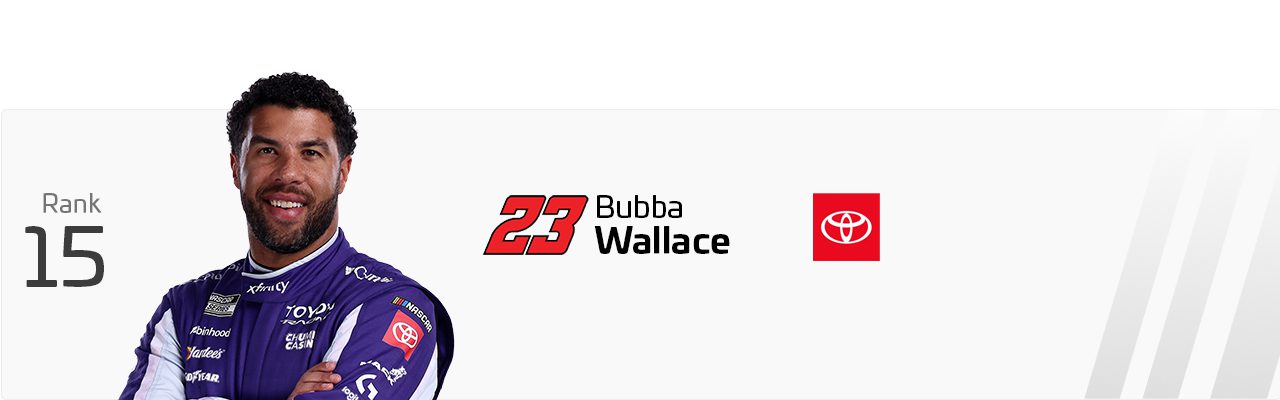
Analysis: Wallace’s 2025 — punctuated by a standout crown-jewel victory — demonstrated a level of maturity and nuance he’s chased for years. The question now is if he’ll continue to elevate or if he has reached his ceiling. Daytona’s draft tends to play to his risk-reward style, potentially putting him in the mix early this year. Look for Wallace to be a dependable top-15 driver with occasional flashes that reward aggression, with a Chase spot more likely than not.
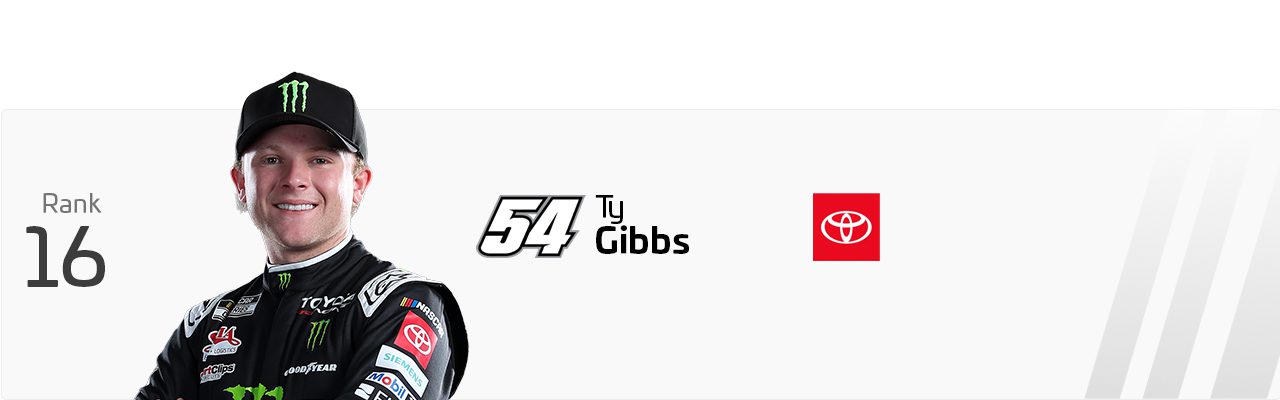
Analysis: Gibbs underperformed expectations last season, missing the win column yet again and turning in an uneven body of work, but flashes of speed — including a decent amount of laps led — suggested the tools are there and still developing. In the Bowman Gray melee, he showed fight before chaos intervened, hinting that the time might be right for his long-coming breakout. If Gibbs can translate his raw talent into results, 2026 could be the year he shakes the “underachiever” tag and makes JGR a top-to-bottom powerhouse.
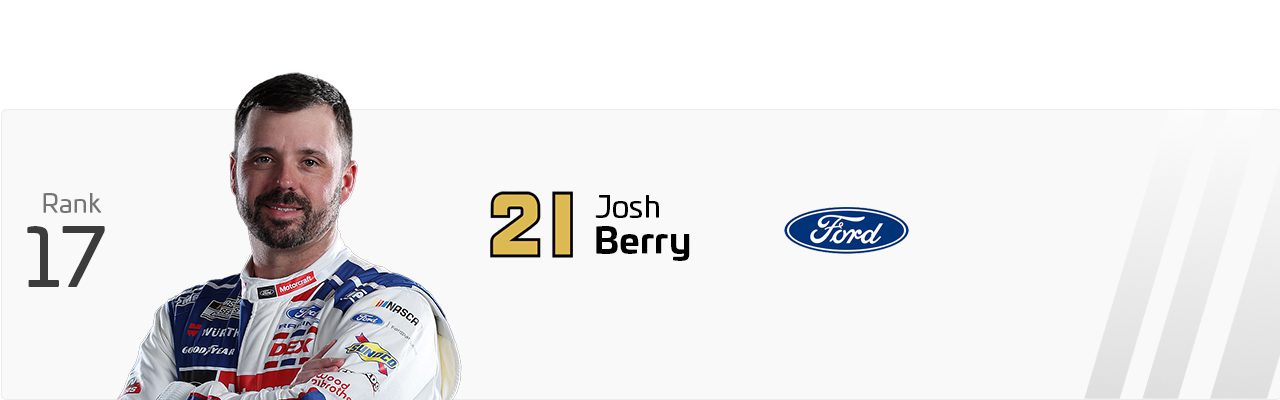
Analysis: Berry’s sophomore campaign saw a breakthrough Las Vegas win, and he carried that steam into a solid short-track presence — his bread-and-butter — at Bowman Gray, showing he belongs amid the sport’s scrappy middle pack with room to grow. Daytona’s penchant for unpredictability could hand him another high-profile result if circumstance and track position align, especially if he can find his Penske pals to work with. He’s still rounding into a weekly contender rather than an outright frontrunner, but expect Berry to push for consistent top 20s with frequent top-10 flashes.
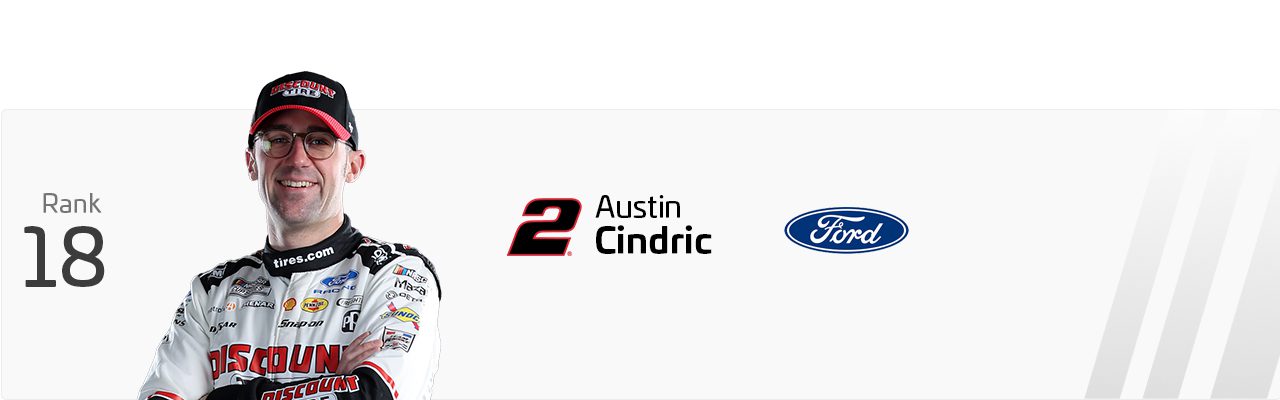
Analysis: Cindric’s 2025 numbers weren’t eye-popping, but subtle improvements and occasional front-pack runs built a quiet case that his progression is real and continuing. Year 5 should be about finding that next gear for the 2022 Daytona 500 winner, with upside for strong results with growing consistency.
Analysis: Busch’s 2025 was a historic downward tick by his standards, yet a new crew chief, organizational shakeup and return to a familiar championship format offer as real a reset as he can hope for at this point in his career. The fight hasn’t left him, even if results have the past couple of years, so it’s more conceivable that they’ll come back than not. If he and his team find rhythm, “Rowdy” can surprise a lot of people and shake off a narrative that’s gotten louder than his talent level, which is still immense and unprecedented.
Analysis: Zilisch arrives in Cup off a decorated NASCAR O’Reilly Auto Parts season and gave a spirited effort in the Bowman Gray melee, reminding everyone that raw talent can translate even in bizarre conditions. Daytona will be the first real gauge of whether his oval progression can keep pace with his road-course ascent, but there’s no reason in the world to think it can’t. He’s still a rookie in the literal sense, but the tools are as sharp as any newcomer’s, and his experience level for his age is massive. A breakout run or two isn’t out of the question, and a solid points season — with multiple wins potentially on the table — looms if he keeps adapting.
NASCAR intends to rotate its season finale with the return of The Chase, but it’s unlikely there will be a new championship venue next year.
The season finale returns to Homestead-Miami Speedway this season, and the 1.5-mile oval is expected to stay in that spot on the 2027 schedule despite a report Monday that the championship rotation would begin next year.
“The plan would be to have the season finale again at Homestead in 2027, and then we’ll see what the rotation looks like,” NASCAR managing director of communications Mike Forde said on the latest episode of the “Hauler Talk” podcast that was released Monday.
Forde also addressed the news that Brad Keselowski had been cleared to return for the Daytona 500 from a broken femur he suffered in December. Keselowski completed a Monday evaluation session at Charlotte Motor Speedway, where Forde said he practiced restarts and his fitness in getting out of the car. Forde said Keselowski actually had been cleared by NASCAR through his doctors, but requested the “medical test’ that NASCAR can grant if requested by a team.
“It’s not an automatic; NASCAR has to approve of a driver who has an injury to take a medical test,” Forde said. “Some teams ask for it. Some teams don’t. If they ask for it, it’s largely to make sure that the driver can get in and out of the car, where their first foray isn’t under competition circumstances and just make them feel a little bit more comfortable before the bright lights are back on them.
“He was already cleared to race at Daytona before today, but I think he was almost looking at it as an internal clearance from Brad Keselowski and RFK Racing. If he didn’t feel like he was ready to go, he would have uncleared himself in a way. So he felt good, clearly.”
Forde noted that when Chase Elliott was injured in a snowboarding accident in 2023, the 2020 champion returned without a medical test.
“He was cleared by his doctors, and we work with their doctors, and then NASCAR clears him,” Forde said. “It doesn’t have to have a medical test attached to it. But in this case, Brad wanted it to just sort of feel that extra level of comfort because it was a pretty severe leg injury.”
Keselowski is seeking his first win in the Daytona 500, which will be the first race under a new rule for 2026 in which NASCAR drivers are no longer allowed to deflect air during a qualifying lap. Though the rule applies to all tracks, Forde said it was tailored to Daytona International Speedway and Talladega Superspeedway
“That’s where we saw it,” Forde said. “When you see a driver sticking their hand out the window or blocking air just to help get those thousandths of a second advantage. We just want to see both hands on the steering wheel. Obviously, they’re going at high speeds, and it doesn’t feel right that they’re doing that.”
NASCAR will use in-car cameras of the Cup Series to police the rule, which also applies to the NASCAR O’Reilly Auto Parts Series and NASCAR Craftsman Truck Series.
“It might be a little bit tougher to police there, but they know that there are going to be ways to suss that out, so we’ll see how it goes,” Forde said.
Other topics covered by Forde and senior director of racing communications Amanda Ellis during the 42nd episode of “Hauler Talk,” which explores competition issues in NASCAR:
— A change to how the Daytona 500 starting lineup will be ordered;
— How NASCAR will handle waivers for drivers with the return of The Chase this season;
— The A-post flap that will be on Cup cars at all tracks in 2026;
— A tweak to the seeding process for the In-Season Challenge;
— Lessons learned at The Clash and whether caution laps wouldn’t be counted in future exhibition events.
Click on the embed below to listen or search for “Hauler Talk” wherever you download podcasts to hear it on your phone, tablet or mobile device.
Nate Ryan has written about NASCAR since 1996 while working at the San Bernardino Sun, Richmond Times-Dispatch, USA Today and for the past 10 years at NBC Sports Digital. He is a contributor to the “Hauler Talk” show on the NASCAR Podcast Network. He has also covered various other motorsports, including the IndyCar and IMSA series.
The NASCAR Craftsman Truck Series returns to action this Friday at Daytona International Speedway to kick off its 2026 season with the Fresh From Florida 250 (7:30 p.m. ET, FS1, NASCAR Racing Network Radio, SiriusXM NASCAR Radio).
It’s a star-studded field for the season opener, with names like three-time Cup Series champion Tony Stewart, X Games legend Travis Pastrana, media personalities Corey LaJoie and Cleetus McFarland (a.k.a Garrett Mitchell) entered for Friday night’s race. Fellow NASCAR Cup Series regulars Carson Hocevar, Michael McDowell, Ricky Stenhouse Jr. and John Hunter Nemechek will also be in the mix.
Forty-four race trucks are entered for this week’s on-track action.
The 2026 season is officially underway, and with it comes a new title sponsor for NASCAR’s secondary series. What hasn’t changed, however, is the action, as the year kicks off Saturday at the “World Center of Racing” with the United Rentals 300 (5 p.m. ET, The CW, MRN Radio, SiriusXM NASCAR Radio).
Defending series champion Jesse Love returns to Daytona International Speedway to begin his title defense at the site of his season-opening win one year ago. A handful of rookies enter the fold this year; Rajah Caruth takes over the reins of the No. 88 JR Motorsports Chevrolet for his first of 23 races with the team. Corey Day will have his first full-time season at the national level, wheeling the No. 17 Hendrick Motorsports entry. Lavar Scott makes the jump from the ARCA Menards Series to drive the No. 45 Alpha Prime Racing Chevrolet.
Cup Series regular Carson Hocevar will also be in the field, driving the No. 42 Chevrolet for Young’s Motorsports. Gio Ruggerio will drive the No. 19 Joe Gibbs Racing Toyota before Brent Crews is slated to take over the machine after his 18th birthday.
Forty-two cars are entered for this week’s on-track action.
The 2026 NASCAR Cup Series regular season is officially here, with an eager Cup field challenging the high banks in Florida in the Daytona 500 on Sunday (1:30 p.m. ET, FOX, HBO Max, MRN Radio, SiriusXM NASCAR Radio).
Drivers will have a packed slate in the lead-up to the 68th “Great American Race.” In addition to practice and qualifying, there will be two 60-lap Duel races, with the lineup for both contests determined by the qualifying session. Two additional practices will make up the Cup Series docket before cars officially hit the track Sunday for the crown-jewel bout.
Forty-five entries will take part in on-track action. Justin Allgaier will again pilot the No. 40 JR Motorsports entry after doing so last season. 2025 NASCAR Craftsman Truck Series champion Corey Heim will additionally make an appearance, piloting the No. 67 23XI Racing Toyota for the first of 12 Cup bouts this season. Corey LaJoie, after wheeling the No. 6 RFK Racing Ford in place of Brad Keselowski in the 2026 Cook Out Clash at Bowman Gray Stadium, will attempt to make the Daytona 500 as driver of the No. 99 RFK Racing Ford.
William Byron is one of five drivers to win back-to-back Daytona 500s, thanks to his victories in 2024-25. He will pilot the No. 24 Hendrick Motorsports Chevrolet in the hopes of finding Victory Lane a third straight time, a feat never done in Cup Series history.
Brad Keselowski has been cleared to return from competition following recovery from a broken leg, RFK Racing announced Monday.
“Getting cleared was a huge moment for me. You put in the work, you trust the process, but until you hear that final ‘yes,’ nothing is guaranteed,” said Keselowski in a team release. “Knowing what Daytona means, and how hard it would have been to miss it, made this moment even bigger. I’m grateful to the medical team and to NASCAR for being thorough, and I’m excited to get back in the car.”
Keselowski, the 2012 NASCAR Cup Series champion, suffered a broken right femur while on a skiing vacation on Dec. 18. The driver and co-owner of the No. 6 RFK Racing Ford underwent successful surgery and has been approved by doctors to return to competition for the 68th annual Daytona 500 on Sunday, Feb. 15 (1:30 p.m. ET, FOX, HBO Max, MRN Radio, SiriusXM NASCAR Radio).
“This process was about discipline and patience. There were no shortcuts,” Keselowski said. “I had a poster in my workout area that said, ‘Daytona. Earned, not given,’ and that became my mindset every day. The focus was on getting stronger, improving mobility, and making sure I was truly ready to race.”
Keselowski was sidelined for the exhibition Cook Out Clash at Bowman Gray Stadium, where Corey LaJoie piloted the No. 6 Ford in Keselowski’s absence. An X-ray on Feb. 2 confirmed Keselowski had recovered well enough to return to Daytona, where he will seek his first Daytona 500 victory in his 17th start.
Keselowski has led the most laps in two of the last four editions of the “Great American Race.” Returning to the seat in time for this race was always an intended goal for the 36-time winner.
“Brad approached his recovery the same way he approaches racing; with focus, commitment, and attention to detail,” said Chip Bowers, RFK Racing president. “His drive and determination to be healthy and ready to compete in the Daytona 500, just eight weeks after his injury, is inspiring to everyone at RFK Racing.”
RFK has won the Daytona 500 just twice in its storied history, both with Matt Kenseth in 2009 and 2012, when the organization was known as Roush Fenway Racing. Chris Buescher and Ryan Preece, Keselowski’s teammates, are both seeking their first Daytona 500 victories.
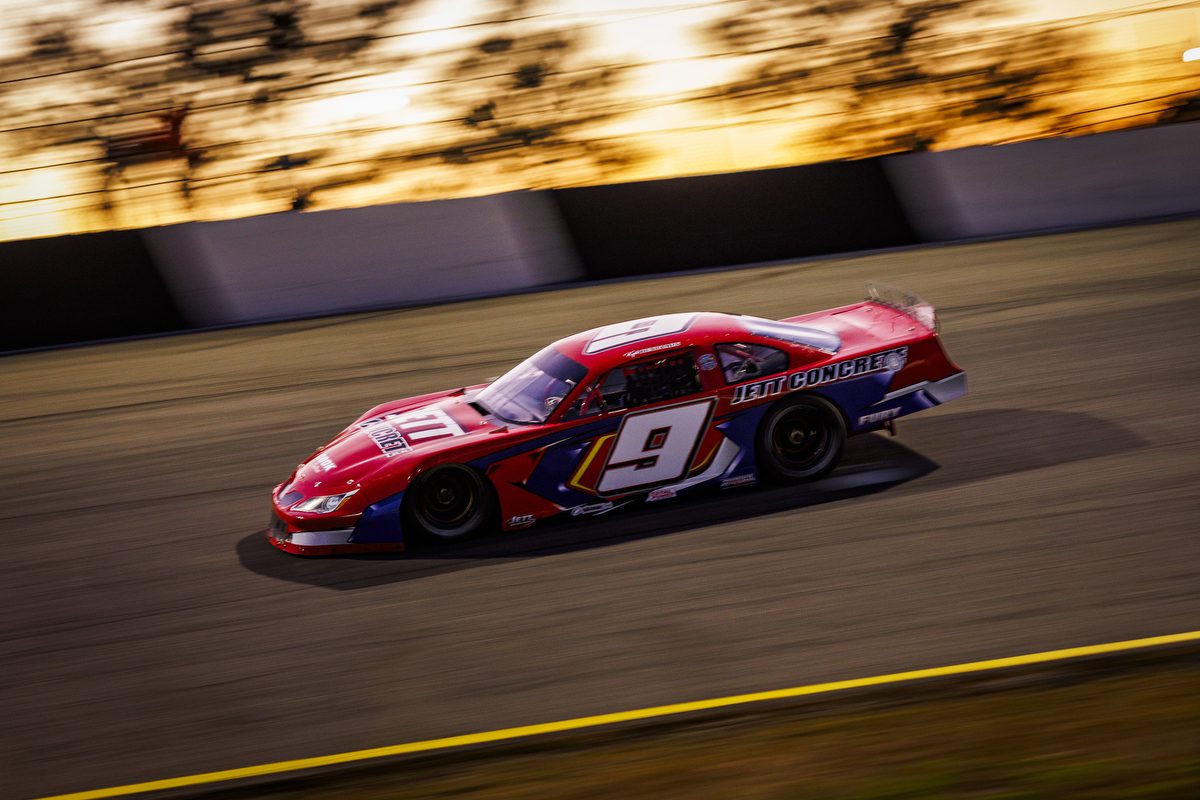
A brake issue in the Super Late Model feature forced Benjamin to park his No. 9 Jett Motorsports Toyota at the halfway point. Benjamin’s Pro Late Model outing didn’t fare much better, as he was part of an early crash in each of the first two events.
Normally, Benjamin would be irritated about how his World Series began after previously winning a championship in the Super Late Model class at the event in 2012. Instead, this year’s week-long endeavor at New Smyrna for Benjamin brings him serenity and comfort due for one reason.
It is the first time Benjamin has climbed inside a race car of any kind since 2019.
“I forgot how much of a rush it is,” Benjamin said after his first two races on Friday evening. “It’s really fun to be back out there. The competition is really good, but we ran tight for a while. We were two wide for what felt like 10 laps. It was like getting thrown back into the fire, but there was a lot of good racing last night.”
Benjamin cherished being able to share the track with drivers he once battled during his first stint in racing, along with the young prospects trying to make a name for themselves; a scenario Benjamin is very familiar with.
The championship run Benjamin enjoyed at the World Series at just 14 years of age was the catalyst that propelled him into NASCAR’s top divisions. On that first night, Benjamin was forced to start in the 33rd position with only 30 laps to work his way to the front.
Benjamin ended the evening in sixth. That performance validated Benjamin’s confidence, but he also discovered who his main competition would be, another prospect by the name of Kyle Larson, the night one Super Late Model winner.
Perfection was needed from Benjamin over the ensuing races if he wanted to best not only Larson, but other standout drivers such as local legend David Rogers and Chase Elliott, who entered three Super Late Model races that year. Benjamin responded by winning the next three events.
The ensuing years after Benjamin’s World Series championship would see him further solidify his status as a NASCAR prospect. Benjamin secured an opportunity to drive for Venturini Motorsports in 2013, earning two victories at Madison International Speedway and Salem Speedway in ARCA Menards Series competition.
Finding a sustainable, full-time ride proved to be a challenge for Benjamin despite his early success, but he was persistent in achieving that goal. Benjamin’s father Steven shared that ambition by fielding a family-owned car for his son across the ARCA Menards Series and the ARCA Menards Series East during the mid-2010s.
What always stood out to Steven about Kyle was the dedication he showed. Steven knows it can be easy for a young driver to be overly aggressive in a Late Model, but said Kyle was always precise, methodical and committed to improving after every event, regardless of how it unfolded.
“[Kyle] cares,” Steven said. “He is not here to put a firesuit on, never was. He’s a lot different than he was back when he started Late Model racing at 12, but even at that point, [racing] was important to him. He took it seriously, worked on his craft and wanted to learn.”
For a moment, it appeared the younger Benjamin’s passion was going to translate into a marquee opportunity. Benjamin signed a development deal with Joe Gibbs Racing to run five NASCAR O’Reilly Auto Parts Series events in 2017, all of which saw him qualify on the front row.
Kyle Benjamin’s time in NASCAR’s national divisions saw him earn two poles and four top fives between the O’Reilly Auto Parts Series and Craftsman Truck Series. (Photo: Jeff Curry/Getty Images)
Despite some inconsistent results, Benjamin nearly broke through for his first victory during the O’Reilly Series’ second visit to Iowa Speedway that season. Benjamin battled teammate Ryan Preece for the victory in overtime, ultimately losing by .054 seconds.
One year later, the same scenario unfolded for Benjamin, this time in the NASCAR Craftsman Truck Series race at Martinsville Speedway. After leading 74 laps, Benjamin attempted to chase down John Hunter Nemechek during a seven-lap sprint to finish, but missed out on that elusive checkered flag by just more than a tenth of a second.
Those two near misses were disappointing for Benjamin at the time, but they also reinforced what he already knew about himself. He had the talent to one day get to the NASCAR Cup Series and was grateful teams like Gibbs and Tricon Garage gave him an opportunity to showcase it on a national level.
“Even though we didn’t break through fully, to go experience that was pretty cool,” Benjamin said. “We were really close and had a lot of good runs. We were right there with Ryan Preece and also with the Truck Series at Martinsville, but I’m glad I got to experience that.”
Benjamin felt everything was building towards a full-time NASCAR national ride, but the momentum suddenly evaporated at the end of the 2010s. A 13th place finish with Niece Motorsports at World Wide Technology Raceway at Gateway would be Benjamin’s last race NASCAR event.
There was only so much time for Benjamin to reflect on the circumstances that effectively halted his career. Racing had been a cornerstone of his life since childhood, but suddenly he was left to figure out what would come afterwards, a reality he never imagined facing.
Benjamin initially settled on being a ski instructor in Colorado, battling both the elements and even a COVID-19 diagnosis to show people from all around the road how to tackle the tough terrain. He is also currently studying online to earn an IT degree.
While Steven Benjamin was happy to see Kyle adjust to his post-racing life, he admitted it was a challenging time for the entire family. So much time and money had been spent on ensuring Kyle had everything he needed to make it in racing, only to see that effort turn fruitless due to events within and outside of their control.
“[He handled it] as good as can be expected,” Steven said. “It was hard on him, probably harder than I even know. All he did was travel and go to races for all those years. It’s not a hobby, it’s a lifestyle. When you lose that, it’s a tough thing. I just hurt for him, and we didn’t think he’d ever sit behind the wheel again.”
Thankfully a call from Pat Jett, the owner of Jett Motorsports, brought Kyle Benjamin back to racing after a prolonged absence.
Among the drivers that have competed for Jett Motorsports in the past include Stephen Nasse and Kaden Honeycutt, the latter of which won the Snowball Derby for the team in 2024. With the reputation Jett Motorsports has built for itself in the discipline, Benjamin expressed optimism that he’d be able to shake the rust off quickly.
Through his partnership with Jett Motorsports, Kyle Benjamin looks to find success in the World Series of Asphalt at New Smyrna Speedway once again. (Photo: Adam Glanzman/Getty Images)
Benjamin planned to take part in the Governor’s Cup with Jett Motorsports at New Smyrna in December but was forced to withdraw after an engine failure in practice. Despite the setback, the time Benjamin spent with Jett Motorsports only fueled his excitement to return to New Smyrna for the World Series this month.
“It really comes down to the love for racing, especially here at New Smyrna,” Benjamin said. “I have a lot of good memories [at New Smyrna] and I wanted to come back down and experience [the World Series]. The whole [Jett Motorsports] group is a really good group, so this is going to be a fun week, but this week has always been fun for me. That’s why I came back.”
Steven Benjamin thought it would take Kyle a couple of practice sessions to get comfortable again in a Super Late Model, but he believes his son is now in a good place mentally and with the setup. He is confident strong results in the World Series will manifest for Kyle this year with the leadership of Jett Motorsports at his disposal.
The journey Kyle has endured is not the one Steven imagined for his son when he started racing. It has been filled with numerous highs and plenty of lows, yet Kyle is now back behind the wheel, a place Steven knows his son belongs.
“We’ve got one life to live and this is [Kyle’s] passion,” Steven said. “Everybody wants for their kids, more than they want for themselves. I certainly do. If this is what makes him happy, and it always has, then I’m happy for him.
“To be honest, I haven’t seen him this happy in a long time.”
Fittingly, the World Series has the potential to once again change Kyle Benjamin’s life just like it did back when he won a championship in 2012. If everything goes according to plan for Benjamin this week, he believes there will be more chances for him to race with Jett Motorsports and remind people how talented he is as a driver.
Benjamin does not intend to waste the moment that is in front of him. He knows how to triumph in the World Series, doing so in 2026 will require him to apply all the knowledge that once made him such a highly regarded prospect.
“It would mean a lot to me to come back to [New Smyrna] and win like that,” Benjamin said. “I’ve been racing my whole life and it was my entire world. To come back and get a win after sitting out for so long would feel like coming back home.”
A lot has changed for Benjamin in his six years away from racing, but the passion never left him. If anything, that desire is more prevalent than ever now that Benjamin is back in his element and eager to continue what he started at the World Series so many years ago.
Fantasy sports can be enthralling. Just ask the 2025 NASCAR Fantasy Live winner Taylor Alexander (pictured in Earnhardt shirt).
Alexander was raised in Bakersfield, California, a city filled with deep racing lineage between the Mears family and 2014 Cup Series champion Kevin Harvick. Still, he didn’t follow the sport from an early age.
Ahead of the 2016 NASCAR season, however, Alexander, an avid fantasy football competitor, and his friends wanted to try a new fantasy sport. They were turned on to NASCAR through Fantasy Live.
“We all got together to watch the Daytona 500,” Alexander recalled, approaching a decade with his NASCAR fandom. “After watching that, most of us were hooked. I ended up doing pretty well overall in fantasy NASCAR that year, so it made me adjust and I’ve never looked back since then.”
Alexander was a big Carl Edwards fan, specifically due to the 28-time Cup victor’s ability of doing his signature backflip following a triumph. When Edwards retired after the 2016 season, Alexander hopped on the Ryan Blaney bandwagon after his rookie season.
To begin 2017, Alexander and his inner circle continued to play NASCAR Fantasy Live. They haven’t looked back.
“When we started doing [fantasy], I knew of NASCAR and seen a couple of races on TV but was never a watch-it-every-Sunday type of follower,” he added. “After watching a few races, I enjoyed it. I’m an engineer by education, so a lot of the fundamentals behind what makes the car go fastest and datapoints the teams are looking at from an aero perspective, engineering perspective, that interested me.”
Each passing year, Alexander has familiarized himself with the field’s historical performance at specific race tracks. Through the help of Racing Reference and DriverAverages.com, he goes into every week thinking of four drivers that are near locks for his lineup with a pair of spots, including his garage pick, that are up for grabs. He will be glued to the television for practice and qualifying each week, gauging how drivers feel about their race cars.
“The main thing I use is paying attention to the driver interviews, what the broadcasters are saying about how different cars look; the NASCAR App, where I can look at the five-, 10- and 15-lap averages. I will try to summarize some of that information based on the characteristics that I think are going to be most important for the race and set my lineup based on that.”
Thinking of the big picture is critical. If a driver is a “stud,” they should not have any uses remaining at the conclusion of the regular season. That can help players strategize long term, specifically knowing which drivers tend to be good at what tracks.
“Something that I will do no matter what is make sure I use all 10 of my starts for every stud,” Alexander said. “If I got to the end of the regular season and I have two starts left with Kyle Larson, I did something wrong. That is leaving potential points on the board, for sure.”
Alexander sets weekly reminders to check his lineup before the conclusion of Stage 2 for any necessary changes.
“I very rarely will miss putting someone in my garage,” he said. “Whether or not I put the right person in, that’s another question.”
Around halfway through the 2025 regular season, Alexander realized he was in contention to win the $25,000 grand prize for having the most points for the duration of the season. He recalls being in the top 10 in the rankings from Week 10 onward and even reached first place for just one race around Week 20 before bouncing around the top five. He took the lead with two races remaining and never looked back.
“I felt like I had a chance to win the entire time for the majority of the season,” he said. “Whether or not it was realistic that it was going to happen — a lot of things had to break my way for that to happen. But when it came to driver management, saving starts and making the right decisions, once I was in the top 10, I felt like I was going to be within striking range.
“When it came to the last week of the season, and I had a 30-point lead over second place, I felt confident that with the driver starts I had left that I would be able to hold on unless something crazy happened.”
After the season finale at Phoenix Raceway, Alexander had to wait nearly three hours for inspection results to clear before he was deemed the winner. The following day, he got the official word from NASCAR that he was indeed the 2025 Fantasy Live champion.
With the 2026 season getting underway this weekend at Daytona International Speedway, Alexander is ready to set his opening-week lineup. With points being at the forefront of The Chase format, he believes having the winner of each race as part of your lineup is more important than ever.
“Picking the winner is going to be more important than ever,” he added. “Either way, it doesn’t change my approach. Even with the old format, having the winner of the race in your lineup is never a bad thing. Where I think it’s going to be interesting is how it changes teams’ strategies at the road courses and drafting tracks.”
As for how he is spending his earnings: “I’m going to be moving in a couple of months, so just a little extra money for a down payment on a house,” he added. “Nothing too exciting on how I’m going to spend it or anything. It comes in handy and a very nice prize to have.”
Rick Hendrick is the most successful team owner in NASCAR history. And it’s not close.
Approaching the search for more success in 2026, Hendrick’s Cup Series drivers have won 320 races. Petty Enterprises, formerly No. 1 but long ago left in the dust by Hendrick, won 268. Hendrick has 15 Cup championships — the last scored in 2025 by Kyle Larson — and 10 Daytona 500 victories, including the past two editions of the “Great American Race” with William Byron.
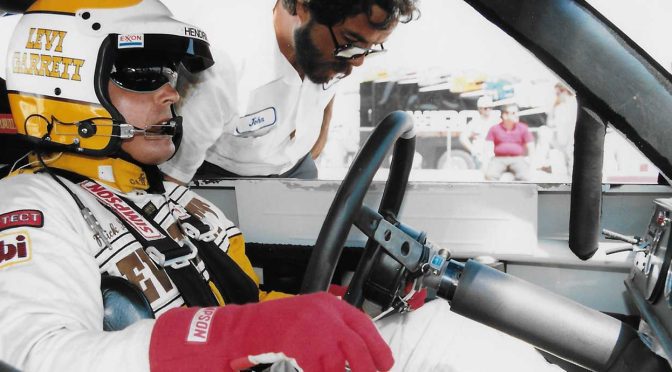
Lesser known about Hendrick’s four-decade journey through the NASCAR world is that he pulled on a helmet and a driver’s suit and drove in four NASCAR national series events — two Cup and one each in the O’Reilly Auto Parts and Craftsman Truck series. All four races were on road courses — Cup events at Riverside International Raceway in California in 1987 and 1988, an O’Reilly race at Road Atlanta in 1987 and a Truck race at Heartland Park in Topeka, Kansas, in 1995.
Hendrick’s talents are tuned toward running a motorsports organization and selling passenger cars through the Hendrick Automotive Group — tasks at which he is among the country’s best. Driving race cars? He didn’t send anticipatory shivers through the grandstands, but neither was he an also-ran.
Hendrick’s best performance came in the June 12, 1988 Cup race at Riverside, coincidentally the final Cup event at that historic facility. Hendrick qualified 13th and finished 15th. Most notably, he finished in front of all three of the Hendrick Motorsports regulars. Ken Schrader was 20th, Darrell Waltrip 28th and Geoff Bodine 34th. That day, the boss was the boss.
Ricky Rudd, who two years later would join Hendrick Motorsports, finished third in that Riverside race.
“Rick had a lot of skills,” Rudd said. “I’m convinced that he could have been a top road racer. I don’t think he even tested before going out there for that race. No idea how he prepared for it, but he could wheel a car on a road course.
“One thing about racing on a road course is that you have to be fast enough to not get run over. Road courses can be difficult to survive for an inexperienced driver. They sometimes don’t know how it flows. He did an amazing job. You didn’t necessarily expect that. I always wondered why he didn’t pursue road racing, at least as a hobby. But he understood where his priorities were.”
Hendrick tinkered on cars before he raced one, in fact before he was licensed to drive one. As a 14-year-old growing up in Palmer Springs, Virginia, he rebuilt a 1931 Chevrolet behind his grandfather’s country store. Soon, he and childhood friend Larrie Matthews (later a longtime Hendrick Motorsports employee) were on the road to Person County Drag Strip, south across the North Carolina line. Hendrick climbed in the ’31 Chevy and won the first — and shortest — race of his life.
“He was 14 — still didn’t have a license,” Matthews remembered. “Even back then, he loved cars. Heck, all of us did.”
Hendrick continued to dabble in drag racing before moving on to owning and racing drag boats. Jimmy Wright, one of Hendrick’s boat racers, died in a crash, leading Hendrick to move away from the sport. He needed a place to store his boats and eventually rented space near Charlotte Motor Speedway from NASCAR mechanic/crew chief Harry Hyde. That relationship led Hendrick into NASCAR racing and on a motorized trek that reached heights no other stock-car team owner has seen.
Hendrick Motorsports
Hendrick started his Cup team in 1984. Three years later, while Tim Richmond, one of his drivers, was battling health issues that eventually led to his death, Hendrick decided to try his hand behind the wheel. At that point, his Cup drivers had won a total of 14 races. The first Hendrick Cup championship — to be won by Jeff Gordon — was still almost a decade away.
Hendrick started sixth in an O’Reilly Auto Parts Series race Aug. 2, 1987 at Road Atlanta and finished 24th after parking because of clutch issues.
That experience led Hendrick to consider Cup Series road racing, and he started the first of two Cup events Nov. 8, 1987 at Riverside. He completed 75 (of 119) laps, finishing 33rd with a sour transmission.
June of the following season found him in the driver’s seat again at Riverside. He entered a Southwest Tour event June 11, 1988 before the Cup event the next day.
“I had that [Southwest Tour] race won with seven laps to go,” Hendrick said. “I had a good lead, and then they threw a caution. Then Ron Hornaday turned me in the corner. I dropped to about 20th and came back to eighth.”
Hornaday, grinning, has a modified version of that day. “I never spun him out,” said Hornaday, a four-time Truck series champion and, like Hendrick, a member of the NASCAR Hall of Fame. “Well, I might have. But he was good. He knew what he was doing.”
The next day, Hendrick outran all of his team drivers to finish 15th in the Cup race at Riverside.
Years later in 2002, Hornaday found himself without a ride and called Hendrick. “He told me to come and see him, so I went over there to that big office,” Hornaday said. “He said, ‘What do you want to do?’ I said, ‘I want to get back into truck racing.’ He picked up the phone and called over and told his guys, ‘Hey, get Ricky’s (Hendrick’s son, Ricky, had raced in the Truck Series the previous season) truck ready. Bring it over and Ron’s going to drive it at Daytona.'”
Hornaday started second at Daytona in the Hendrick truck and finished 12th. If Hendrick remembered the spin at Riverside, he didn’t mark it against Hornaday.
Hendrick’s final ride as a driver came July 29, 1995 in a Truck race at Heartland Park. He started 16th and finished 23rd.
“I love road racing,” Hendrick said. “Those races were a very special time in my career. I had some experience running some SCCA (Sports Car Club of America) road races, and I think road racing is very challenging. Getting on the ovals is a steep learning curve, and I didn’t have any experience there. But I enjoyed the camaraderie with the team guys, and I think all the guys liked seeing me do it.
“I knew I wasn’t that good. I knew I could hire people a lot better than me, but I enjoyed it.”
Hendrick Motorsports
In August 1991, Hendrick ran in an ARCA race at Heartland Park. Qualifying for that event found Hendrick challenging for the pole despite Darrell Waltrip, Dale Earnhardt and Schrader, then a member of Hendrick’s Cup stable, being in the qualifying session. Schrader won the pole (and the race), but Hendrick qualified a strong third. He finished 23rd in the race after parking with brake problems.
“He was quick enough that he had a shot at the pole,” Schrader said. “He didn’t get the lap he needed, and we did. He would have been a smart, good road racer. He knew what to do, but he had too much other stuff going on. It didn’t make sense.”
In his two Cup races, Hendrick won a total of $3,700.
Owning race cars and selling passenger cars would prove to be better approaches to wealth management for the man who later became a NASCAR icon.