
Honoring 12 standout Cup performances you might have missed in 2024
1 of 13
Meg Oliphant | Getty Images
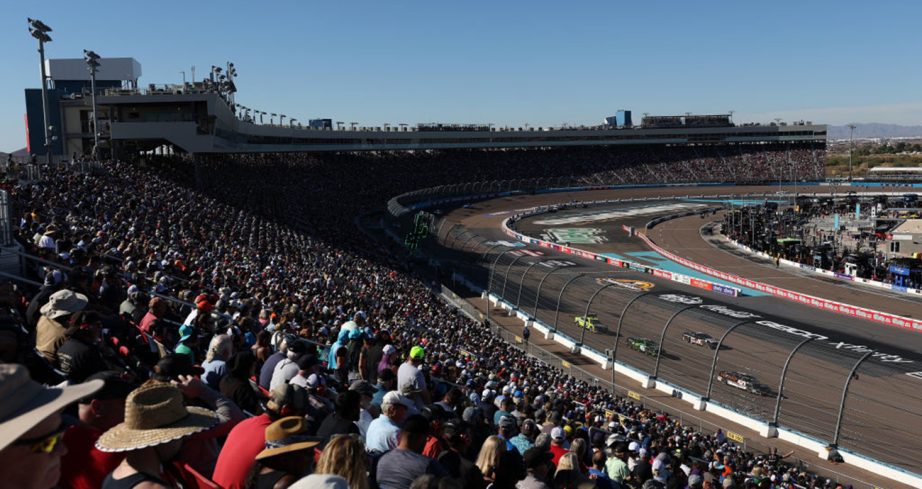
Another NASCAR season is in the books, and all the big shiny trophies have been handed out -- culminating in Joey Logano receiving the Bill France Cup for winning his third career Cup Series championship.
But in the spirit of the midseason superlatives we handed out here, we thought it would be fun to create some lesser-known awards for the 12 Cup drivers and teams whose accomplishments might not have gotten enough attention during the 2024 season.
2 of 13

James Gilbert | Getty Images
Dale Jarrett Award (Most improved driver): Noah Gragson, Stewart-Haas Racing
It’s hard to imagine a season going worse -- on the track or off -- than Noah Gragson’s 2023 campaign, the lasting image of which was probably the No. 42 Wendy’s car stuck spinning its wheels under a pile of tires at the Chicago Street Course. But with another chance driving full-time in Cup, this time for SHR, Gragson vastly improved his performance in 2024. He scored seven top 10s, compared with zero the year prior, and lowered his average finish by nearly 10 places (from 28.2 to 19.6). And no driver with 20 or more races in both seasons raised their Adjusted Points+ index -- a measure of per-race performance where average is 100 and higher is better -- from 2023 to 2024 more than Gragson, who rose 55 points from a miserable 31 to a respectable 86.
3 of 13
Jared C. Tilton | Getty Images
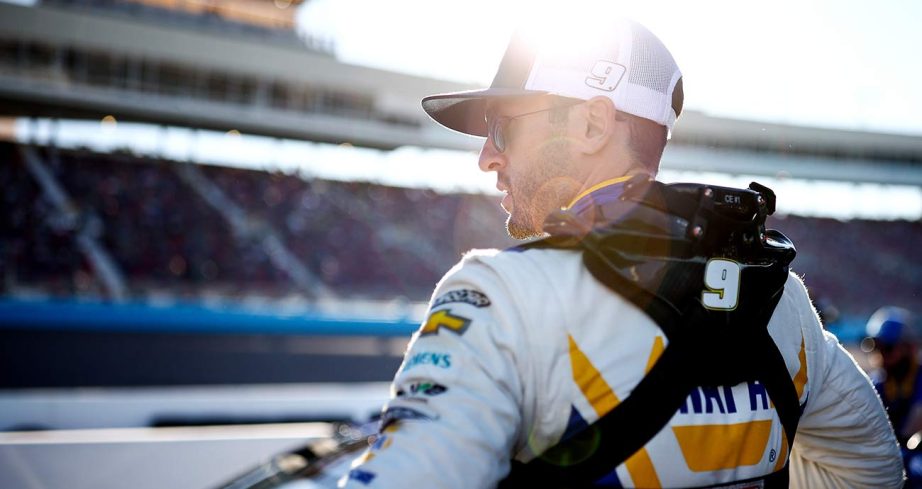
Mr. Consistency Award (Best average finish): Chase Elliott, Hendrick Motorsports.
After a 2023 season marred by injury and suspension, Elliott was ready to return to the form that saw him earn three straight Championship 4 appearances from 2020-2022. But while he didn’t quite make it that far in 2024, seeing his title bid end in the Round of 8, Elliott can claim he was the most reliable driver in the Cup Series on a week-to-week basis. The No. 9 NAPA Auto Parts Chevy finished outside the Top 30 just twice in 36 races -- at Daytona in August and Las Vegas in October -- while running Top 16 or better 28 times and scoring 19 Top 10s. It all added up to an average finish of 11.7, tops among all regular drivers this season and second-best (behind William Byron’s 11.0 last year) in the Next Gen Car era.
4 of 13

Jared C. Tilton | Getty Images
Jerry Nadeau Award (Best in qualifying relative to races): Michael McDowell, Front Row Motorsports
McDowell didn’t have as strong a season as he’d enjoyed in either 2022 or 2023, falling back to his worst average finish (21.3) since 2019. However, one area where McDowell was as good as just about anybody was in qualifying. Not only did he post an average start of 14.6, by far the best of his 17-year Cup career, but he also led all drivers by starting up front six times, edging out Kyle Larson’s five pole positions. McDowell couldn’t really convert that Saturday speed into Sunday money, ranking 23rd in the points due in no small part to finishing only 80.6% of his races -- tied for the second-lowest rate among regular drivers (behind Josh Berry at 72.2%). But you can’t say he didn’t drive the wheels off the car in qualifying.
5 of 13
Sean Garder | Getty Images
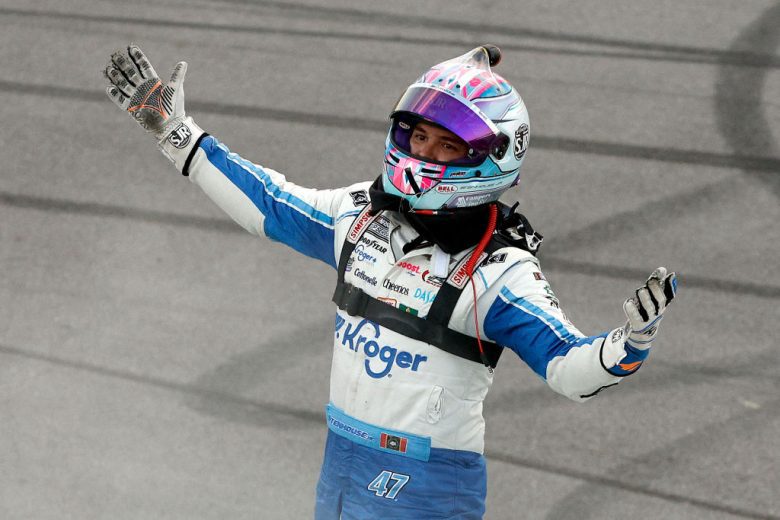
Ricky Rudd Award (Best journeyman driver): Ricky Stenhouse Jr., JTG-Daugherty Racing
Stenhouse was an amazing underdog Daytona 500 winner in 2023, ending a winless streak that stretched back to 2017. But that performance also looked a little bit like a plate-track special by a driver who (admittedly) does better at superspeedways than most. That’s what made it special for the 37-year-old veteran to do it again this season, taking the checkered flag at Talladega in October to become a race winner in back-to-back seasons for the first time in his career. Yes, it was another restrictor-plate win for Stenhouse Jr., but with four career victories at plate tracks in his career, he is now tied for 10th on the all-time list, and is third among active drivers.
6 of 13
James Gilbert | Getty Images
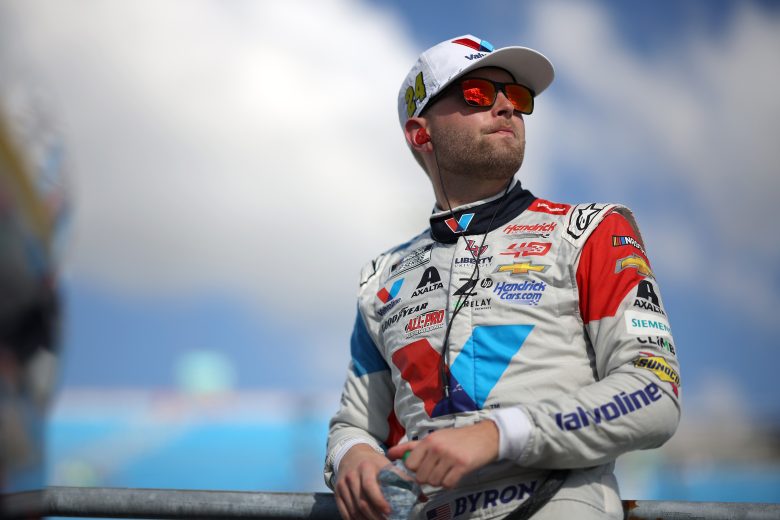
Dale Earnhardt Award (Best on restrictor-plate tracks): William Byron, Hendrick Motorsports
Speaking of superspeedway savants, we tend to think of guys like Stenhouse, Brad Keselowski, the Penske boys (Joey Logano, Ryan Blaney, Austin Cindric), Kyle Busch and three-time Daytona 500 winner Denny Hamlin as the kings of restrictor-plate racing in the modern sport. But Byron belonged squarely atop that list in 2024, winning the Daytona 500 to open the season to go with two other top 10s on plate tracks -- and, crucially, finishing a not-too-horrible-for-superspeedways 27th in his worst race at the track type, the Coke Zero Sugar 400. Byron’s Adjusted Points+ index of 198 on plate tracks was the best of any regular driver, beating out Christopher Bell (188), Kyle Busch (177), Alex Bowman (173) and, of course, Stenhouse Jr. (171).
7 of 13
Meg Oliphant | Getty Images
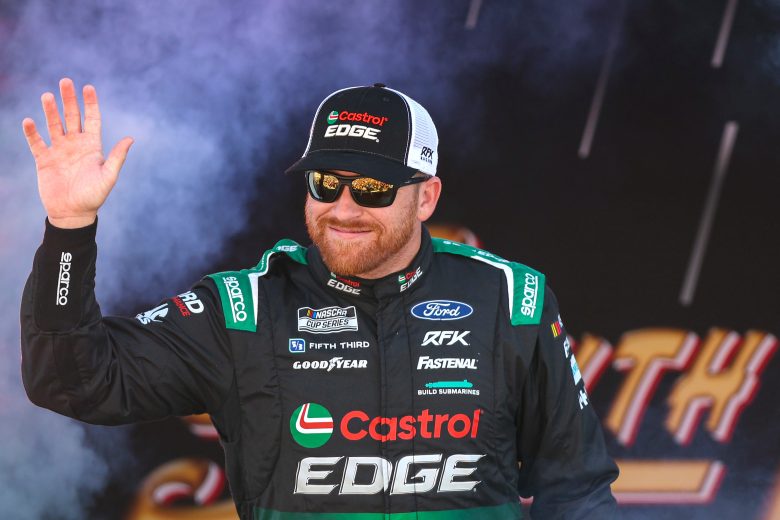
Marcos Ambrose Award (Best on road/street courses): Chris Buescher, RFK Racing
The state of road racing at the Cup level is interesting right now. After a few down years, the classic road-course ringer has made a comeback with the phenomenon of Shane Van Gisbergen, Joey Hand nearly winning at Chicago and A.J. Allmendinger continuing to vie for road wins as a part-timer. Meanwhile, the Next Gen era seems to have scrambled the usual pecking order of regular drivers on road courses (sorry, Chase Elliott). Against all of that, a number of Cup regulars could make a claim to be the best at turning both left and right, including Larson, McDowell, Bowman, Christopher Bell and Tyler Reddick. But the best Adjusted Points+ index on road courses this season belonged to Buescher, who outdueled SVG for the win at Watkins Glen, grabbed two additional top 10s at Sonoma and COTA and never finished lower than 20th at any road/street course all year.
8 of 13

James Gilbert | Getty Images
Darrell Waltrip Award (Best on short tracks): Denny Hamlin, Joe Gibbs Racing
Hamlin is no stranger to success on short tracks during his two decades on the Cup Series scene. He has 14 career wins under the tight conditions of Bristol, Richmond, Martinsville and the like, tied with Jimmie Johnson for eighth-most in NASCAR’s modern era (since 1972). But the 2024 season was particularly good to Denny in that regard: He co-led the Cup Series in wins (2) and top fives (5) on short tracks, with an Adjusted Points+ index (250) that only narrowly trailed Elliott (254). It was one of the best short-track campaigns of Hamlin’s entire career -- the only time he’d won multiple races at those venues in a year since he took three in 2010.
9 of 13
Meg Oliphant | Getty Images
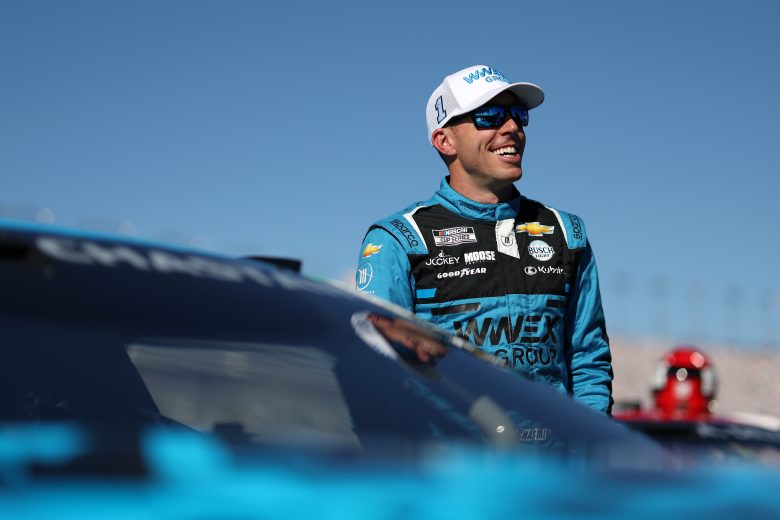
Mark Martin Award (Most underrated driver): Ross Chastain, Trackhouse Racing
Despite missing out on the playoffs for the first time since 2021, Chastain’s 2024 was pretty comparable to his 2023 campaign, which had seen him make the Round of 12 before being eliminated from title contention. He had a better average finish (14.9 versus 15.0), a better average Driver Rating (83.6 versus 82.5), an identical number of Top 10s (14 each year) and just a slightly reduced Adjusted Points+ index (127 versus 135). In other words, Chastain was a playoff-caliber driver -- as evidenced by the fact that he had a better points index than six of 16 drivers who actually made the playoffs, and a better Driver Rating than seven of them.
10 of 13
James Gilbert | Getty Images
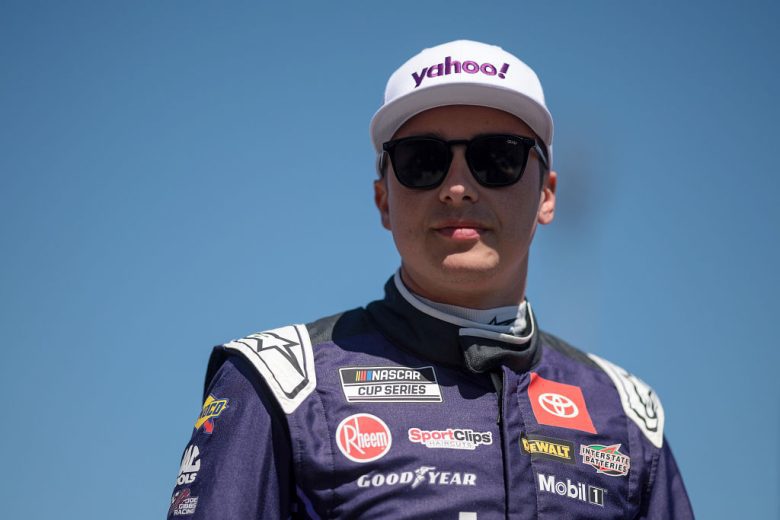
Jeff Gordon Award (Highest peak during the season): Christopher Bell, Joe Gibbs Racing
I admit I surprised myself a bit with this award. Based on performances like his perfect 150.0 Driver Rating at the Charlotte Roval -- part of his having each of the three highest single-race ratings in the Cup Series this year -- I was sure that Larson would grade out as peaking the highest of any driver during the season. However, it was actually Bell who had the highest rolling average Driver Rating across both his best 5-race stretch (119.2, ending at Loudon in June) and best 10-race stretch (109.9, through Richmond in August) of 2024. Bell ended up just barely missing the Championship 4 in a chaotic ending at Martinsville, but no driver was faster at his peak this year.
11 of 13

Logan Riely | Getty Images
David Gilliland Award (Best versus teammates): Carson Hocevar, Spire Motorsports
We previously recognized Hocevar for a similar accomplishment at midseason, but it’s worth giving him his due for the full-season performance he had against his fellow Spire drivers this season, even after the team swapped in Justin Haley for Corey LaJoie behind the wheel of the No. 7 car. Over the entire season, Hocevar had a 51-21 head-to-head record against his teammates, good for a 70.8% winning percentage that led all full-time Cup drivers. Erik Jones of Legacy ranked second with a 28-13 mark (68.3%), but Jones also illustrates why Hocevar’s performance was impressive. The rest of the Cup field beat Jones’ teammates 69.5% of the time, so Jones actually did worse against them than the average driver. But the field only had a collective 60.5% head-to-head win rate against Hocevar’s teammates -- 10.3 percentage points worse than Hocevar had against them.
12 of 13
Alejandro Alvarez | NASCAR Digital Media
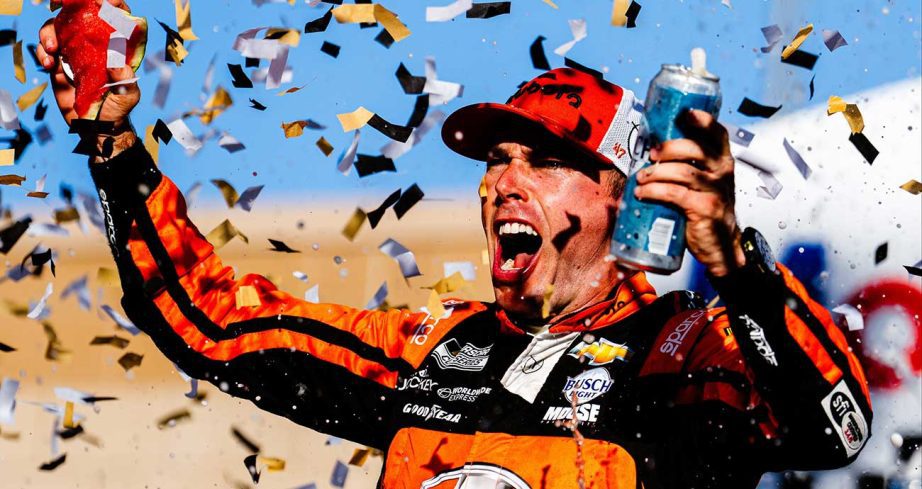
Greg Biffle Award (Best non-playoff driver during the playoffs): Ross Chastain, Trackhouse Racing
So named for Biffle, who was tied with Jamie McMurray for the most victories (three apiece) by non-Chase drivers who managed to nonetheless win during the final 10 races of the season in that era, this is the second piece of hardware picked up by Chastain at our little ceremony. During the span of the playoffs, he joined Stenhouse and Buescher as non-playoff race winners -- smashing the watermelon at Kansas -- and he also had more top fives (2) and top 10s (5) than any other non-playoff driver over that stretch. Chastain’s 138 Adjusted Points+ index during those 10 races easily led all non-playoff drivers, setting up a lot of anticipation around how he’ll do next season. So perhaps 2025 will be the year we all remember how talented and electrifying Chastain at his best can be.
13 of 13

James Gilbert | Getty Images
Good Enough To Win Award (Non-winner who “should” have won the most): Ty Gibbs, Joe Gibbs Racing
Count me among those who thought before the season that Gibbs would earn his first Cup Series win in 2024. It was a prediction that didn’t end up materializing … though it could have, and probably should have. If we use Driver Rating from each race to assign each racer a probability of winning based on how well they drove over the course of the entire event, we would have expected Gibbs to win at least once this season, if not more -- based on performances like his 124.1 rating at Chicago Street, a 121.3 at Darlington, a 120.3 at COTA, a 118.8 at Phoenix and a 115.5 at Kansas. But despite driving well enough to win on multiple occasions, Gibbs ended the season with a 1.5-victory shortfall, the most of all winless drivers (beating out Martin Truex Jr. at 1.3). Gibbs can take solace in the fact that, if you drive like a winner, eventually the victories will come -- but they didn’t this year.