When Joey Gase heard the news that he won the inaugural Comcast Community Champion Award while attending NASCAR’s XFINITY Series banquet at a Hollywood, Fla. hotel three weeks ago, the young driver simply smiled politely from his seat at a table located in the middle of the grand ballroom.
His unassuming manner is in stark contrast to all the young man has meant to organ donation in the four years since his mother, Mary Jo, passed away suddenly.
From the banquet floor, the 22-year-old, quietly and without reaction, watched the videos for each of Comcast’s so very deserving nominees — also including Martin Truex Jr. and Sherry Pollex representing the Sprint Cup Series (Watch here) and Martha Nemechek (Watch here), the nominee from the Camping World Truck Series.
And when Gase’s name was announced as the winner of Comcast’s $60,000 donation to his charity, finally, the Iowa driver conceded a smile. His mind was on his mom.
“I was pretty surprised,” Gase said afterward allowing a wide grin. “I didn’t know what to expect for sure. It was going through my head, what am I going to do if I do win. I didn’t really prepare a lot for it. I’ve learned from my past giving speeches, the less I prepare the better I do. It’s kind of funny like that.
“I was telling people earlier, it’s not like I have to remember anything about this. It’s all implanted in my head. It is very sad and at least for me and my family, my mom ‘s death was very tragic. But one thing that helped me overcome is that she was able to help 66 people and we know my mom would be very proud of that, to live on and help so many people.”
Gase’s efforts with organ donation are highly motivated because of his own tragic experience. But he discovered the work around this cause is often surprisingly under the radar, so his ability to bring awareness and action as a NASCAR driver is greatly appreciated and needed.
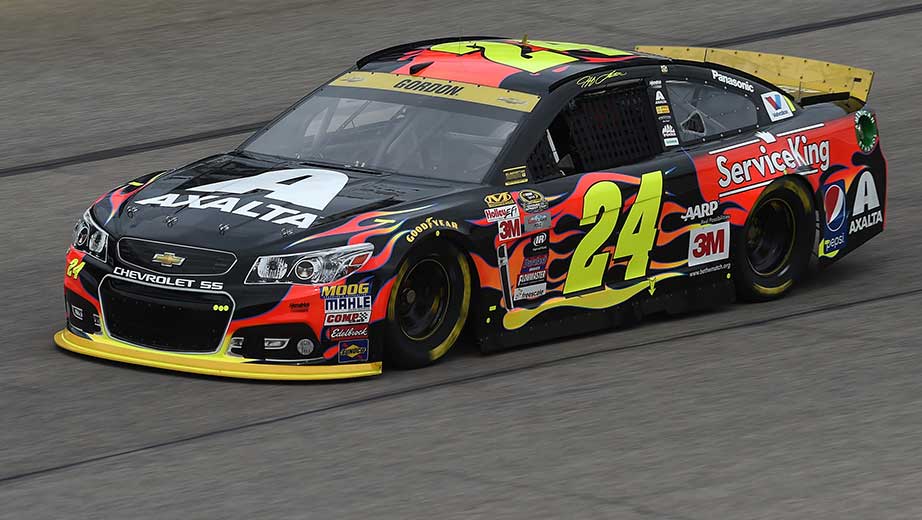
The video showing why Gase was nominated for this important new award, was as inspiring as it was informative. It showed the young driver standing with his race car. Stickers representing organ donors and recipients draw attention to its paint scheme — which changes week to week based on local out-reach — and inevitably spark important conversation.
And what Gase has discovered — much like organ donation itself — is that it’s as good to give as to receive.
“I was 18 (when my mother passed away) and I wanted to do something to honor my mom and promote donation,” Gase said. “I didn’t know much but I knew they had green “Donate Life” ribbons so I put some on the car and first two races back (after her death) we won.”
Since getting his shot in NASCAR’s bigger XFINITY Series — driving for Jimmy Means Racing — Gase has been a vocal advocate and hands-on connection for the process. And everywhere he’s gone, he’s met someone touched by the concept.
“Organ donation, no matter what side you are on, is not something people really talk about,” Gase said. “Once they have a reason to talk about it, they love to talk about it. “They have the right tone and want to hear your story too. It’s recipients or donors and that’s another thing people don’t realize is you can be a living donor. I’ve met alot. I’ve had a lot of crew members, track workers and fans come up to me and share their story.
“It’s really cool when we honor donors. It’s a connection a lot of people don’t have, but we understand what you go through.”
“It’s amazing,” Gase said. “It’s the first time they’ve done this so just to be a finalist and to be recognized like this and honor not only my mom but all the donors out there and let everyone on the wait list know we are doing everything we can to promote this and let them know we are thinking of them.”