RELATED: Rules review on differences between new rules packages
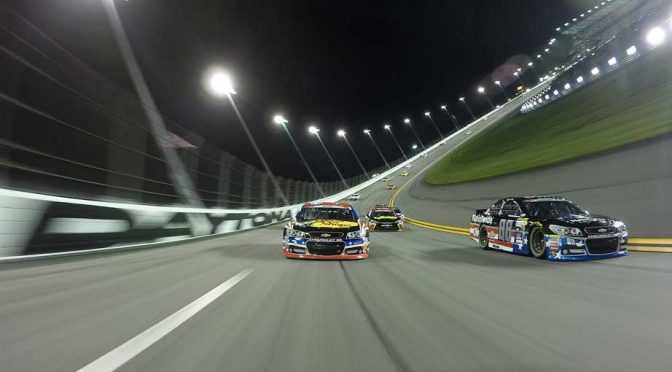
In the summer months, NASCAR introduced new rules packages for a handful of NASCAR Sprint Cup Series races. A new aerodynamic package with less downforce on the cars to create more side-by-side competition and put more in the hands of the driver was used at Kentucky Speedway in July. A similar package will be used at Darlington Raceway on Labor Day weekend for the Bojangles’ Southern 500 on Sept. 6 (7 p.m. ET, NBC, MRN, SiriusXM).
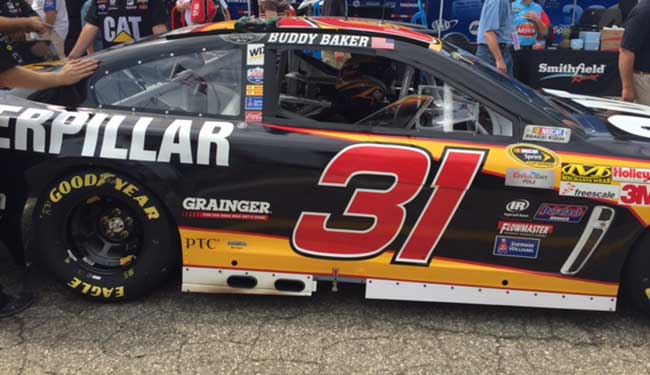
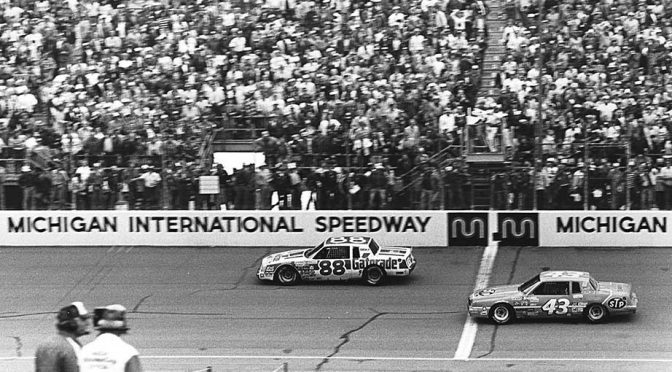
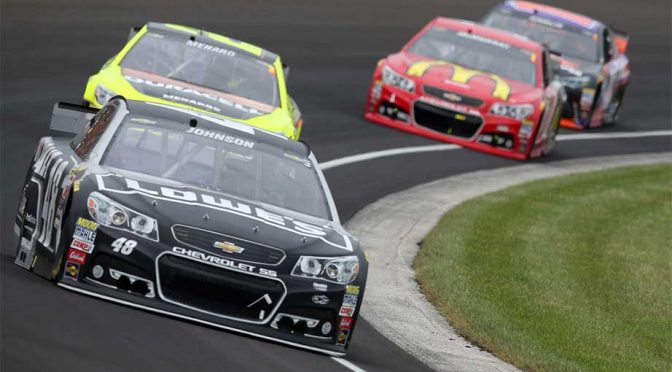
A high drag rules package was used at Indianapolis Motor Speedway last month and will be used again this weekend at Michigan International Speedway for the Pure Michigan 400 (Sunday at 2:30 p.m. ET, NBCSN, MRN, SiriusXM). This rules package reduced the speeds a bit in an effort to create more pack-style competition and drafting.
Drivers have been vocal about their opinions on each new package immediately after using it in a race. And if the drivers have an opinion, surely we do as well. NASCAR.com’s Kenny Bruce and RJ Kraft are back to debate which rules package has been better: The high-drag setup or the low downforce package?
DRIVERS GIVE REVIEWS: Kentucky package | Indianapolis package
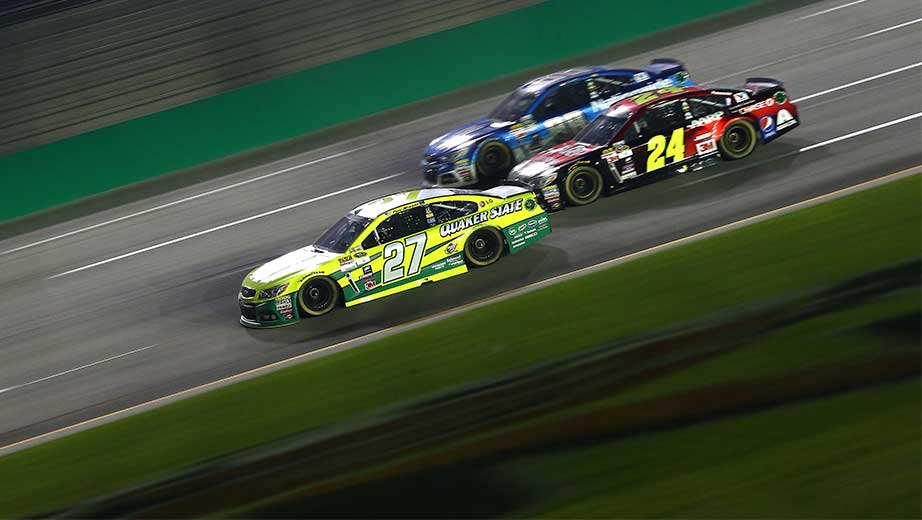
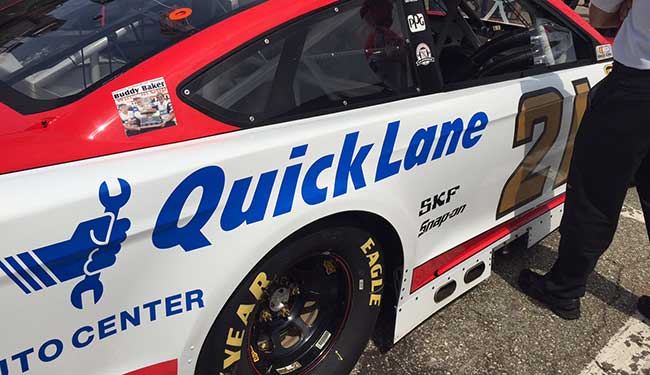
Kraft: Well, from our last H2H Kenny, you know I was no fan of tweaking the rules even for one race but I was converted after watching the Kentucky race last month. That race had a track-record number of green-flag passes (22) for the lead and a total of 2,665 green-flag passes overall, creating the exact effect the sport’s governing body wanted: More side-by-side competition and more passing. The racing itself was tremendous and the late-race duel between Joey Logano and Kyle Busch was the best racing we’ve seen all season. The high-drag package did not seem to have any real effect on passing and there wasn’t much drafting to speak. Frankly, if Kyle Busch didn’t score his third straight win, the Indianapolis race doesn’t stand out for any reason. And we can’t forget that the setup on the cars seemed to have a major effect on how hot it got inside the driver’s seat. While a change has been made for an additional NACA duct to be mounted on the right-side window for Michigan, we still need to see if that has a cooling effect greater than what we saw at Indianapolis.
RELATED: Impact of heat at Indy causes slight change to cars for Michigan
Bruce: You want cool drivers or better racing, RJ? Truthfully, I do realize the heat generated is a concern, but nothing a few tweaks here and there likely won’t eliminate. I don’t think officials expected the changes to have an immediate impact on the racing on the track — a slight improvement was probably more hoped for or anticipated. There’s a lot of real-time data to digest that otherwise wouldn’t have been acquired. You can’t get to Point B without going through Point A first. And don’t forget the tire situation — while the Kentucky package seemed to provide better racing even without tires that were built for the low downforce package, those built for Indy weren’t tested with the high drag package either. Just another piece of the puzzle that’s still being built.
TECH TALK: High drag package built specifically for Michigan
Kraft: How about the driver reaction? Despite limited practice time with the low downforce package at Kentucky, pretty much all the drivers loved it and were quite vocal about how much they enjoyed racing with that particular rules package. Drivers liked the fact that they had more control and that there was more passing. As a fan it was exciting to see how often there were cars three-wide and four-wide in that race. And if the drivers are happy and pleased with the rules that are in place, that speaks volumes. While some wanted further tweaks with the low downforce package, the garage seemed to think the Kentucky results were one heck of a first step. That wasn’t the case at Indianapolis after the high-drag package was run. I suppose we should wait until it’s run a second time this weekend before we condemn it, especially since officials have said this package was specifically built for Michigan.
Bruce: There is a world of difference in Kentucky and Indianapolis. Just because the high drag rules didn’t totally change the action at Indy is no reason to toss it out. No doubt some things were learned from the weekend. Michigan is a much wider track with better opportunities to work in another racing groove. Maybe it wasn’t the final answer for Indy, but let’s give it a chance before say it won’t work elsewhere. As Jeff Gordon noted, as long as drivers have room to maneuver around the cars in the turns the package has potential. As teams get more opportunities to work with the different set-ups, some will be able to make them work faster than others, and that’s always been the case. It may not be the final answer, but it might be a step. And we won’t know until we see it in action some more.