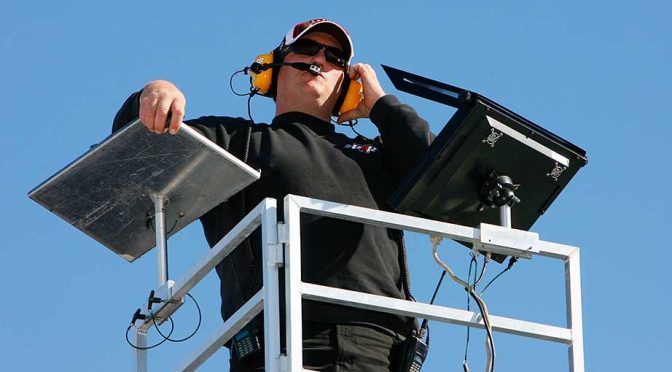
Stewart-Haas Racing tire specialist carries on track’s modified tradition (CIA Stock Photo)

RELATED: Full Chase for the NASCAR Sprint Cup coverage

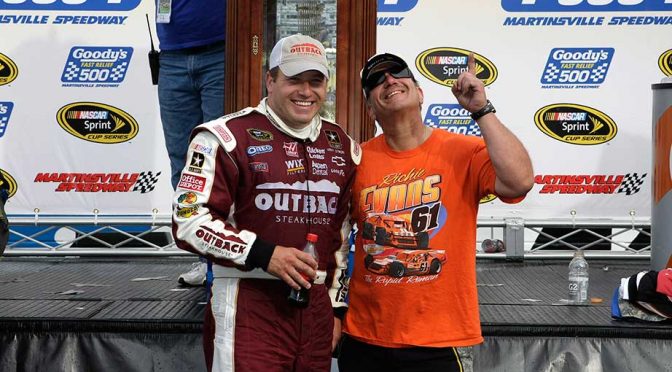
Every trip to Martinsville Speedway brings the same routine for Jeff Zarrella. The tire specialist for Stewart-Haas Racing pulls out the orange T-shirt bearing the No. 61, and packs it away in the backpack he carries with him to the race track each day. And then, he hopes for another chance to return Richie Evans to Victory Lane at a place that once meant so much to modified racing.

He may work for Danica Patrick’s race team these days, but deep down Zarrella will always be a modified racer — and there was no greater modified racer than Evans, the nine-time national champion who was inducted into the NASCAR Hall of Fame last year. And so much of Evans’ legacy centers on Martinsville, a track that once hosted the Daytona 500 of modified racing, where Evans earned 10 feature victories — and on a dark day in 1985, met his demise.

Zarrella was there, working on the team of driver Reggie Ruggerio. "Silence. Just silence," he said of the reaction when word began to spread that Evans had suffered a bad crash in practice. Zarrella would endure the same thing two years later when another modified great, Charlie Jarzombek, died at the same track. And then again when still another driver, Corky Cookman, was killed in Jarzombek’s benefit race at Thompson Speedway in Connecticut.

Finally, he had suffered enough. Weighed down by grief, Zarrella walked away from racing, and turned what was supposed to be a two-week vacation in Hawaii into a new life in paradise. Ultimately, Martinsville drove him out.

And Martinsville brought him back.

And Martinsville still drives him, to this day.

"The special part of Martinsville remains in my heart," said Zarrella, a 55-year-old native of Southington, Conn., who now lives in North Carolina. "It just continues to be there."

The modified cars no longer compete at Martinsville, which Sunday hosts a crucial race in the Chase for the NASCAR Sprint Cup. But for years, it held a modified event that was as big as any other on the sport’s oldest touring circuit. "Our Daytona. Our holy grail," Zarrella called Martinsville, and he knows because he was there, starting as a tire specialist in 1975, and later as a jack man. He worked with Ruggerio, with Rick Fuller, with Greg Sacks, with Ed Flemke Sr. This was a golden age of modified racing, a time when top drivers could make a good living in the series, an era which produced stars that glowed as brightly in own their universe as Cale Yarborough or Darrell Waltrip did in theirs.
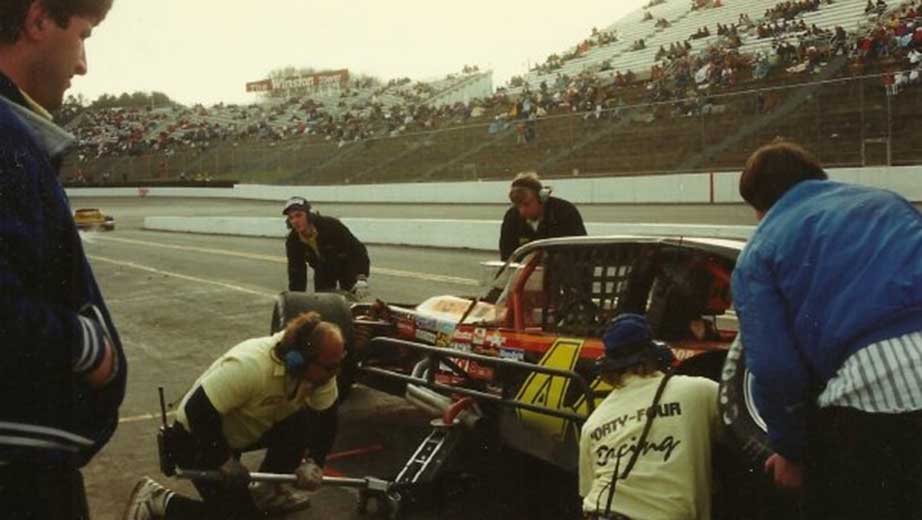
Zarrella shown working the jack in the pits at Martinsville

And foremost among them was Evans, whose charm and magnetism went unrivaled, who before each race would walk down the line of cars helping everyone ensure their vehicles would pass technical inspection, and yet at the same time joke they were all racing for second place. The Rome, N.Y., native was well-known for the advice he gave to other drivers, not to mention the firesuits, tires, or even engines he would dispense to other competitors in financial need. Evans was the rare driver who could dominate opponents while being universally beloved by them at the same time.

While Zarrella and Evans weren’t particularly close friends, within the modified ranks the nine-time champion was hardly a stranger. "Knew him to go in and have a beer," Zarrella said. "We used to get our race cars from him. It wasn’t like me and him were best buddies hanging out. But he was somebody I looked up to, and his ethics and stuff, I tried to mirror. When they invented the word ‘racer,’ that’s who I think of."

All of which made Oct. 24, 1985, such a blow to the gut. Evans was practicing for a feature at Martinsville when he crashed heavily in Turn 3. At 44 — and still near the peak of his career, given that he would clinch his ninth championship posthumously — he was gone, and a garage area that revered him was left to wander through the remainder of the event weekend in shock.

"It was the most eerie feeling to go through," Zarrella remembered. "… There are so many ironies in it. It being a practice session that Richie got killed in — now you’ve got to qualify, you’ve got to run the qualifying races, and then your whole race. It was surreal, is all I can say. It was like somebody just removes your soul. It was like ripping the heart right out of you."

Evans was bad enough. Then two years later, it was Jarzombek. Then it was Cookman. It was a dark time for modified racing, which was suffering a safety crisis similar to the one NASCAR’s top series would endure after Dale Earnhardt’s death. Zarrella had reached a breaking point. "Call it post-traumatic syndrome or whatever," he said, "I was like, ‘I don’t want to do this anymore. I don’t want to see Reggie Ruggerio get killed in a race car.’" He had gotten though it all by letting the racer in him take over. By 1988, it was all used up.

So he walked away, made a clean break, refused to even watch it on television. He went to Maui to visit his brother, on what was supposed to be a two-week vacation. He wound up moving to Hawaii, getting married, making a new home and a new life. And yet, he could suppress his true nature for only so long. By 1993, he was working some modified some races again. He found himself venturing to New Smyrna Beach, Fla., to help out his old buddies. "It’s like smoking cigarettes," he said. "I had that one cigarette."

Then came the phone call from Fuller, who was moving south to drive in what is now the Nationwide Series for the 1997 season, and needed a tire specialist. A choice loomed — stay in Maui, or go racing? "What do you think?" Zarrella asked his wife. "I’ll go wherever you want to go," she answered. There was no choice, really. Fuller lasted only two races, but Zarrella kept moving up the ladder, from David Green to Greg Biffle to Paul Menard to Ryan Newman to this season and his current job managing tire sets and air pressures on Patrick’s program.

"You know what? I can go back to Maui tomorrow," he said. "When you sit on your rocking chair at some point, you don’t want to say, ‘Well, I wonder what I could have done in racing?’ So I packed up my bags and came here."
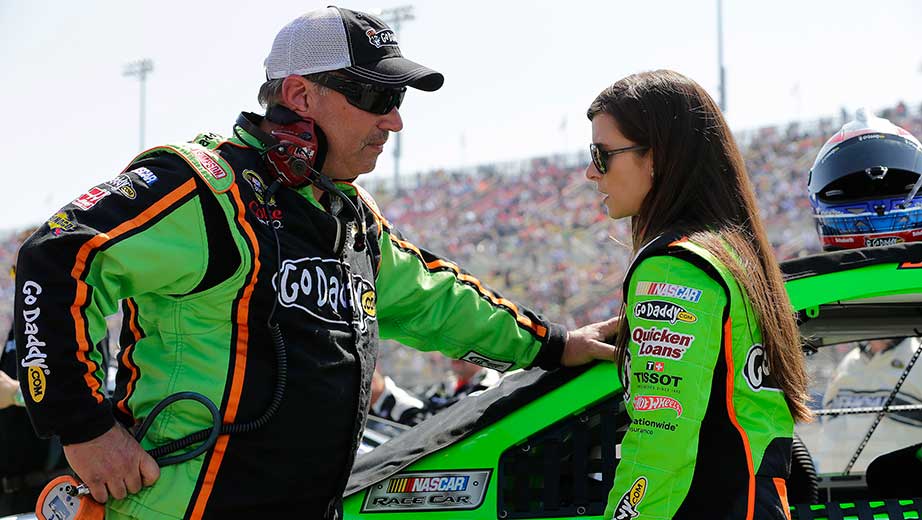
Zarrella shown today as a member of Danica Patrick’s team

Through it all, though, there was Martinsville, a place that holds for him and all former modified racers such a swirl of conflicting emotions. Zarrella carried the orange T-shirt with him each trip there, hoping to one day wear it in Victory Lane and give Evans one last triumph. On April 1 of last year, he got his chance. It was a race many remember for its controversial finish, David Reutimann stalling and bringing out a caution, Clint Bowyer forcing it three-wide on the ensuing restart, Jimmie Johnson and Jeff Gordon crashing out. It was the event that would lay the groundwork for the feud between Gordon and Bowyer that would erupt much later in the season.

To Zarrella, none of that mattered. Newman was an unlikely winner, but a winner nonetheless, and Zarrella put on his orange T-shirt and pointed to the sky in Victory Lane. "If I don’t ever win another race, I’m good with it. I want to win every race, but if the stars don’t line up and I never do, that was the race I needed to win. It was a real special moment. A lot of people wouldn’t understand it, but it was really important," he said.

"It’s like I tell people, when Richie died in 1985, the music stopped in modified racing. And that deal there, on that stage, was just kind of a way for me to put another quarter in the jukebox."

Like a lot of former modified racers, the little half-mile track just has a hold over him, which is why Zarrella got such a thrill out of Patrick’s unexpected 12th-place run there in the spring. The victory he shared there last year with Newman, though, will be difficult to top. That triumph earned him the grandfather clock trophy that stands in his living room. Every 15 minutes, it chimes. And it reminds him of Martinsville, and of Richie Evans.

MORE:

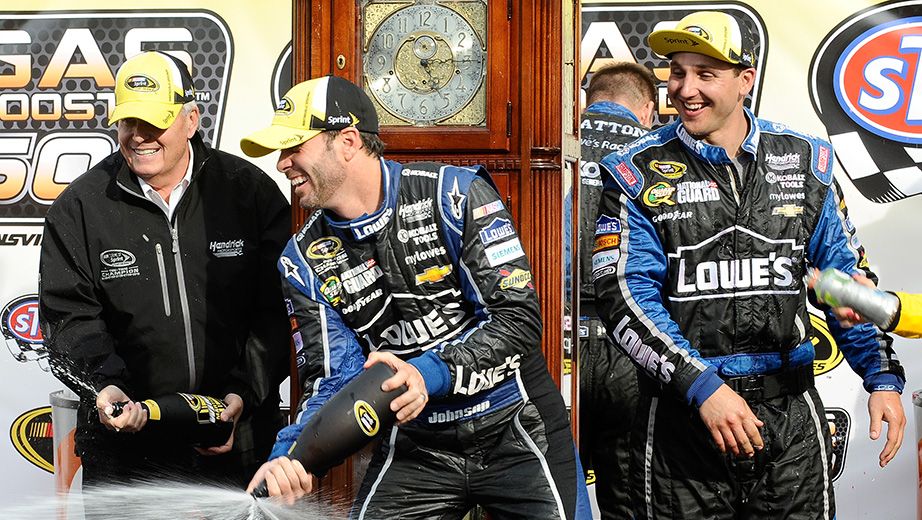
READ: Johnson’s best track
is Kenseth’s biggest test

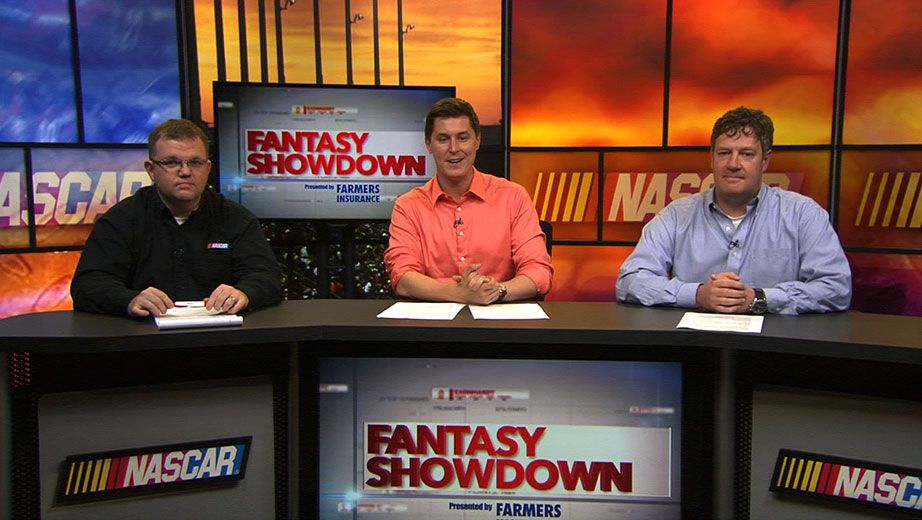
WATCH: Fantasy Showdown:
Martinsville

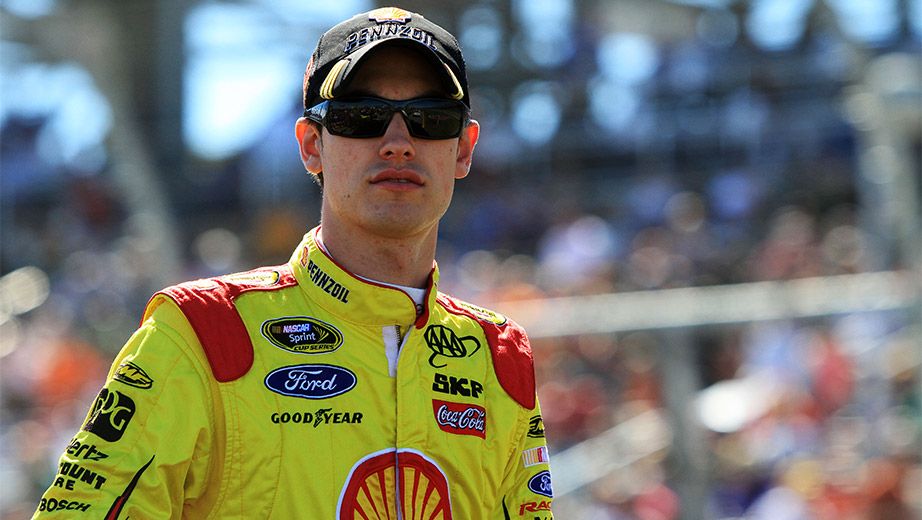
READ: Logano learning
from first time in Chase

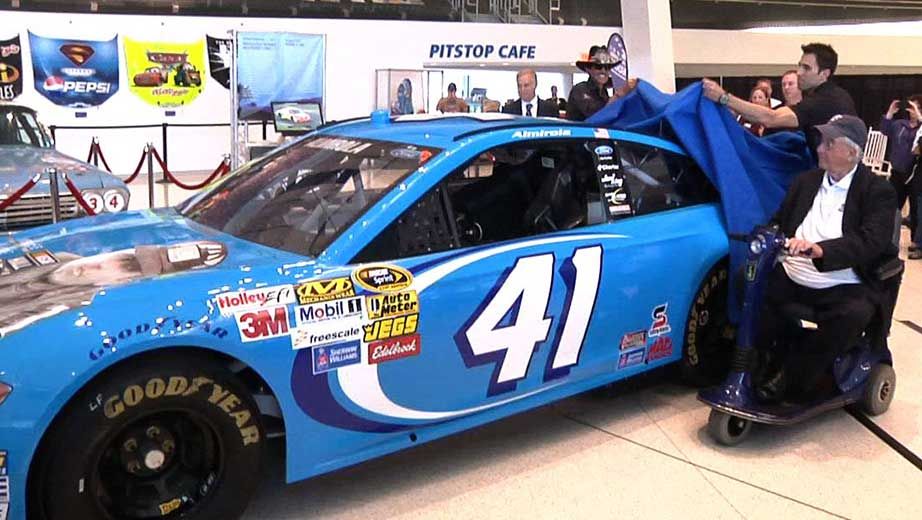
WATCH: Almirola unveils
No. 41 for Maurice Petty

A look into the disasters and drama at short tracks that have impacted the Chase in the past

RELATED: Full Chase for the NASCAR Sprint Cup coverage

Don’t let the schedule fool you. There may be only one short track in the Chase for the NASCAR Sprint Cup, but those smallest of venues have very often played a very large role in determining who competes for the series championship, not to mention who wins it.

There’s Bristol in late August, where the contenders and pretenders are often separated from one another like ingredients put through a sifter. There’s Richmond in early September, the final regular-season event of the year, where the playoff field is ultimately determined. And there’s Martinsville in October, so close to the end of the schedule you can almost see it, and a track that in recent years has emerged as the fulcrum on which the entire Chase swings. 

It may well happen again Sunday, when NASCAR’s premier series returns to Martinsville Speedway for a crucial race, given that eight-time track winner Jimmie Johnson now holds a four-point lead on Matt Kenseth, who’s never won at the layout in southern Virginia. Until then, here are the 10 short-track races that have had the biggest impact on the Chase.

10. Junior’s back: Bristol, 2004

The final events leading up that that inaugural Chase were kind of like a wild frontier for teams still figuring out the best way to approach the new playoff. The result was a stretch of races where it seemed like every lap mattered, chief among them the night event at the World’s Fastest Half Mile in the late summer of 2004. Enjoying one of his best seasons, Dale Earnhardt Jr. essentially locked up a postseason bid by leading 295 laps en route to his first victory since suffering burns in a sports car crash only a few weeks earlier. Equally as important, Ryan Newman finished second to jump three spots into the 10th and (then) final Chase position, one he’d maintain two weeks later when that first playoff field was finalized.

9. Master disaster: Martinsville, 2012

Joe Gibbs Racing, and mechanical failures in the Chase. They’ve gone together a few times too often, one large reason the organization is still hunting its first premier-series championship since Tony Stewart moved on. One of the more painful episodes occurred in last year’s Martinsville Chase race, which Denny Hamlin entered 20 points behind leader Brad Keselowski. On one of his best tracks, the JGR driver was looking to make a big move. It never happened — a bolt broke off his master electrical switch, the power to his car cut off, and he finished 33rd to fall 49 points back. Meanwhile, Keselowski finished sixth to stick close to winner Jimmie Johnson, putting himself in position to win the title over the following three weeks.

8. Keselowski rises, Bristol, 2011

Speaking of Keselowski, the night where the Penske Racing ace truly cemented himself as a championship contender came a year earlier at a different short track. His victory at Bristol in August of 2011 capped a five-week surge that saw the driver of the Blue Deuce rise from 23rd to 11th in the Sprint Cup standings. During a stretch where several other playoff hopefuls stumbled, Keselowski led the final 80 laps and left no doubt. It was a win that effectively locked up Keselowski’s first career berth in the Chase, which he would ultimately make that year as a Wild Card. But it also heralded much bigger things — like the title run the Penske driver would embark upon one season later.

7. Smoked out: Richmond, 2006

The year before, Stewart had kept a torrid late-summer stretch going into the Chase, and become still the only champion to claim the title without winning a race in the playoff. The next year, he found himself attached to another first, albeit a more dubious one — the first reigning champion to miss the Chase the following year. Stewart entered that 2006 regular-season finale in eighth place in points, but could never get his car working at Richmond and finished 18th. Meanwhile Kasey Kahne finished third, and edged Stewart for the final berth by 11 points. "That’s unbelievable," Mark Martin called it, and many agreed. It would remain the only year a reigning champion missed the playoff until Keselowski did the same this season.

6. Tipping point: Martinsville, 2008

At the height of their five-year championship run, Jimmie Johnson and his No. 48 team often seemed to have the competition mentally beaten before they even showed up at the race track. That was certainly the case in 2008, when Johnson obliterated the competition in a Chase that was very nearly locked up with a week still left in the season. The tipping point was Martinsville, which Johnson entered with a 69-point lead over the field under the previous format. It was one of those "max points" day Johnson would become famous for, a race where he led 339 laps and dominated everyone else. By the end, his edge had swollen to 149 points, the rest of the season was academic, and lone three-time champion Cale Yarborough would soon have company.

5. Narrow margin: Richmond, 2012

You want drama? Rain that pushed everything until the wee hours of the morning. A last-gasp attempt by Jeff Gordon that appeared destined to fall short. An ill-timed pit decision by Kyle Busch‘s team that turned everything around. And suddenly there was Gordon, in the midst of one of his most trying seasons, edging Busch by three points for the final Chase berth. Busch seemed in command of that spot for most of the night, while Gordon fell a lap down. But under caution for rain, Busch stayed out while everyone else pitted for fuel. Then there was a lug nut problem. Meanwhile the handling of Gordon’s car improved, and the four-time champion surged to a runner-up race finish that netted the most unlikely playoff berth of his career.

4. The Iceman falleth: Martinsville, 2006

They were calling Jeff Burton "the new Iceman" in that fall of 2006, because the veteran driver was overcoming everything the opposition could throw at him. Enjoying the best season of his career, Burton finished third at Charlotte to carry a 45-point lead to Martinsville, his home track. Yet the Virginia native made it just 217 laps before the engine in his No. 31 car let go, plunging him to a 42nd-place finish that would prove devastating to his championship hopes. Burton left Martinsville that day fifth in the standings, 48 points behind. Meanwhile, Johnson scored a victory that anchored an amazing run of five straight finishes of second or better, and propelled him to a huge comeback that netted his first career title.

3. Night of scandal: Richmond, 2013

You want more drama? Newman streaking toward an victory that would clinch a Chase berth. Gordon maintaining a slight edge over Joey Logano, who was two laps down. Clint Bowyer spinning to bring out a caution that changed everything, Brian Vickers pitting unexpectedly, and suddenly Logano and Martin Truex Jr. claiming the final two playoff spots. It seemed too good to be true — and it was. NASCAR later charged Michael Waltrip Racing with manipulating the race, levying record penalties that knocked Truex out of the Chase in favor of Newman. Days later in the wake of more alleged impropriety, Gordon was added as well. What should have been a glorious night for NASCAR instead became a scandalous one, and the consequences continue to be felt today.

2. Pulling a Mayfield: Richmond, 2004

To this day, it’s still referred to as "pulling a Mayfield." It’s what Newman may well have done this year, had Bowyer’s spin not intervened — win the final regular-season race to get into the Chase. It’s been done only once, that prior to the inaugural Chase in 2004, in a time before the field was expanded from 10 to 12 drivers and there were Wild Cards to shoot for. No, back then it was top 10 or bust, and Jeremy Mayfield had only one way to get there: win Richmond. He entered the night 14th in the standings, but led 151 laps and was assured of the victory when Kurt Busch ran out of gas with eight to go. Everything that needed to happen did, and he didn’t just make the Chase, he made it in ninth place, with room to spare. "I couldn’t believe it," he said that night. Neither could we.

1. Mind games: Martinsville, 2011

It wasn’t just the fact that Stewart won that day on the half-mile track, it was the way in which he did it — with a swagger that carried right over into his post-race interviews, and helped him seize control of a Chase where he was still trailing at the time. Although he’d won the opening two playoff races, Stewart came to Martinsville fourth in points, 19 behind leader Carl Edwards. But he overtook Johnson with three laps remaining to win, on the reigning champion’s best track, no less. He got help when Matt Kenseth was wrecked by Vickers, and Keselowski finished well back in the pack.

Suddenly, two of the drivers that had been ahead of him were out of the way. Edwards managed a respectable ninth on a track that was far from his favorite, and took an eight-point lead over Stewart. But you’d never have known it by the challenge Stewart issued in Victory Lane. "Carl Edwards had better be real worried," he said. "That’s all I’ve got to say. He’s not going to sleep for the next three weeks." The mind games continued as Stewart won three of the season’s final four races, including the finale at Homestead that gave him the title over Edwards in a tiebreaker. His words at Martinsville would prove prophetic, indeed.

MORE:

READ: Johnson’s best track
is Kenseth’s biggest test

WATCH: Fantasy Showdown:
Martinsville

READ: Logano learning
from first time in Chase

WATCH: Almirola unveils
No. 41 for Maurice Petty

Drivers to get tested before 2014 season

DAYTONA BEACH, Fla. (Oct. 24, 2013) — NASCAR announced today that beginning in 2014, the sanctioning body will mandate pre-season neurocognitive baseline testing as part of its comprehensive concussion prevention and management program for all of its national series drivers.

At the start of this season, NASCAR recommended that drivers who did not already have a baseline test secure one, while also indicating that a pre-season baseline mandate could become effective as soon as next year.

Baseline testing will be performed through the use of an ImPACT (Immediate Post-Concussion Assessment and Cognitive Testing) test, which is a widely used neurocognitive assessment tool. The result of neurocognitive testing is one factor out of many that doctors use to diagnose and treat concussions. This particular test evaluates an athlete’s verbal and visual memory, processing speed and reaction time.

By performing this test prior to the start of a season of competition, doctors are given a snapshot of an athlete’s brain function while in a healthy state. Doctors can then use that baseline to compare to post-concussion tests to assist them in both evaluating the effects of any injury and informing their decisions to return an athlete to competition.

"NASCAR made this decision because we think it is important to drivers’ health for doctors to have the best information and tools available in evaluating injuries," said Steve O’Donnell, NASCAR vice president of racing operations. "Before announcing this rule, we provided drivers concussion and baseline testing education and created opportunities for them to ask any questions they may have to a top neurosurgeon that specializes in traumatic brain injuries. Also, remember that ImPACT tests are not new to our sport and have been used for treatment through the years."

Since NASCAR’s recommendation prior to the start of this season, drivers were invited to two concussion education sessions featuring Dr. Vinay Deshmukh, M.D. of Carolina Neurosurgery & Spine Associates, a member of NASCAR’s Medical Advisory Group of Consulting Physicians. At those sessions, drivers were presented with an overview of what concussions are, their causes, treatment and the role that baseline tests play in the comprehensive evaluation of concussions.

"We are extremely confident that our concussion protocol is among the best in sports," O’Donnell said. "We regularly review all of our practices involving safety and health to see if there is anything that we can do better, or should do differently moving forward. Implementing baseline testing is a primary example of our philosophy to protect our competitors the best that we can."

Martinsville has served as Chase game-changer

RELATED: Full Chase for the NASCAR Sprint Cup coverage

Brad Keselowski won two races last year in the Chase for the NASCAR Sprint Cup, but the performance that ultimately earned him the championship might have come in an event where someone else reached Victory Lane. Needing something close to a career-best finish at a track where his nearest rival was essentially a sure thing, Keselowski managed just that — and in the process, kept pace at a half-mile facility that’s emerged as the swing point in the sport’s playoff.

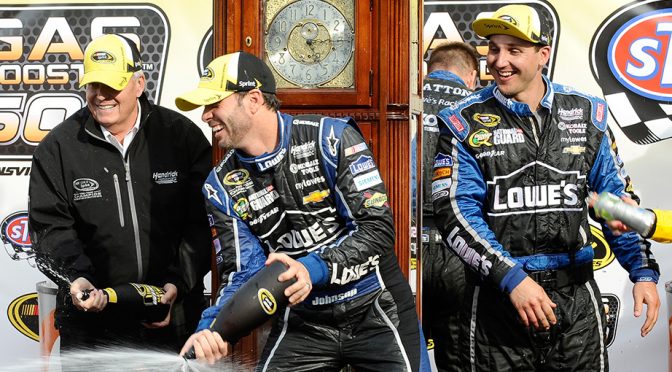
Jimmie Johnson may have been the one spraying champagne and basking in confetti after last season’s Chase race at Martinsville Speedway, but it was the sixth-place run by Keselowski — his career best finish — that was as clutch a performance as we witnessed over the course of that title hunt. Johnson is unquestionably the master there, with now eight wins and a ridiculous average finish of 5.3 at the southern Virginia layout. Seeing the No. 48 car in contention at Martinsville is every bit as reliable as the Ridgeway grandfather clock the track awards to its winners.

All of which is why it was so key for Keselowski to mitigate what seemed a sure-fire points loss — and toward that end, it was mission accomplished in a race he would finish trailing the five-time champion by a mere two points. Now the year is different, and one of the players has changed, but the venue and the objective remain the same. For Matt Kenseth to win this championship, he too must weather a short track that once again looms monumentally large, and a primary opponent who’s better there than anyone else racing today.

Forget Talladega, its whimsical aerodynamics and roulette-wheel unpredictability aside. The real game-changer in the Chase has often been Martinsville, which has made a habit of bringing the title picture into tighter focus. It was at Martinsville where Jeff Burton blew an engine, and Johnson won to key an unthinkable comeback in 2006. It was at Martinsville where Johnson won to break the back of the competition in 2008. It was at Martinsville where Tony Stewart won and issued his challenge to Carl Edwards in 2011. It was at Martinsville where Denny Hamlin‘s title hopes went out with his dead master switch in 2012.

And it was at Martinsville last season where Keselowski recorded the hold he had to have, one that loomed even larger after Johnson won again the next week at Texas Motor Speedway. Kenseth is older and savvier, but he’s still up against history that would label him the underdog even though he gave up the Chase lead only last week. Johnson has 14 career victories at the four remaining tracks. Kenseth has four victories at the four remaining tracks, none of them at Martinsville. Now that Kenseth is down four points in the standings, the little paperclip is again poised to play a huge role.

Now, Kenseth does have a resident Martinsville ace in the form of Joe Gibbs Racing teammate Hamlin, a four-time winner whose notebook will surely be available to the No. 20 team this week. And Kenseth is coming off one of his best Martinsville performances ever, a spring race where he led career-high 96 laps before a late pit stop and a tight car dropped him back to a 14th-place result. Even so, on a day where Johnson won and led the most laps, Kenseth was still outscored by 17 points. Back in April, it was a mere hiccup. That happens again Sunday, it’s a disaster.

"You don’t know what’s going to happen," Kenseth said. "It’s been a fun year, because (JGR) has made me run a lot better at tracks where we usually don’t run good at. Hopefully, Martinsville will be one of those."

Can Kenseth win at Martinsville? Absolutely. The guy is a former champion who came up racing late models on Wisconsin short tracks, and this season has emerged as a threat every week. But historically Martinsville has been one of those places — not unlike, say, Darlington or a road course — that drivers either take to immediately, or spend a career trying to figure out. The NASCAR Nationwide Series has raced there just once since 1994, and its flat design means tactics from other similar-sized tracks rarely translate.

It all plays into Johnson’s edge. "They’ve got a notebook that’s like a dream notebook when they go there, and Jimmie’s very good at that race track," said Joey Logano, who added he’s studied video of the No. 48 car at Martinsville, trying to find ways to get his vehicle to look like Johnson’s on the 0.526-mile layout. "They’re able to tie all that together and run very fast there."

No wonder 11 Sprint Cup drivers, Logano included, tested at the facility for two days earlier this month. "There’s no other Martinsville," Burton, a native of the region, said at the test. "There’s no other track where we can really take the information we learn here and go somewhere else with. When you see people here testing, they’re looking for an advantage at this race track."

Johnson, with eight wins in his back pocket, didn’t test at Martinsville. Neither did Kenseth, for whom the spring race likely offered a solid starting point. Both of them are testing this week at Texas, home to the next race on the schedule, and site of perhaps the most galvanizing moment of the 2012 Chase when Johnson and Keselowski went wheel-to-wheel and fender-to-fender over the final laps, producing a 1-2 finish that set the stage for the playoff’s endgame.

But to get there, they had to get through Martinsville first. Johnson’s lead is a slim one, to be sure. But given the success he’s enjoyed at the next three venues, it’s not difficult to imagine the maximum potential for that No. 48 team over the next three weeks. Martinsville is Johnson’s absolute best track, which is saying something given the guy has five titles and 65 race wins. So all eyes will be on Kenseth, who’ll likely need a career performance similar to the one the eventual champion produced last season, to ensure that grandfather clock in Victory Lane does not toll for him.

MORE:

READ: Johnson’s best track
is Kenseth’s biggest test

WATCH: Fantasy Showdown:
Martinsville

READ: Logano learning
from first time in Chase

WATCH: Almirola unveils
No. 41 for Maurice Petty

Talladega victory gives EGR boost heading into 2014

RELATED: Weekend Schedule | Standings

TALLADEGA, Ala. — This is the time of the NASCAR Sprint Cup Series season when motivations vary and immediate gratification isn’t the only sure sign of success.

Thirteen drivers earned a berth in the Chase for the NASCAR Sprint Cup, and only four are within 50 points of leader Jimmie Johnson with four races remaining.

For Jamie McMurray, a non-Chase driver, and his Earnhardt Ganassi Racing team, Sunday’s victory at Talladega Superspeedway was both vindication and promise.

The team had been close before to reclaiming its mojo after a nearly three-year winless streak, but McMurray’s dramatic win rewarded his team’s substantial investment in a new engine program. Perhaps best of all, it points toward great possibility for next season, too.  

"We’ve struggled this year a little bit," said co-owner Felix Sabates shortly after celebrating in Victory Lane. "This does a lot for both of our race teams. It shows that we’re capable of winning. Looking ahead is what we do in this business. You can’t look backward because what happened today is history. We have made a big, big, big investment and we did it because we think we can win.

"If we didn’t think we could win we’d just take our money and go home."

Of course, thinking and doing are two different things. But McMurray’s win is his third top-five in the past seven races after having only one — a runner-up finish at Kentucky — in the 25 previous races.

It bodes well not only for the remaining four races this year, but what the team may be capable of in 2014 when McMurray will have a new rookie teammate in the highly touted Kyle Larson.

"It’s important for the whole organization," McMurray said. "Chip (Ganassi) has obviously won the championships on the IndyCar side and the GRAND-AM side but he and Felix have also made a really big financial commitment to our (NASCAR) team. The switch to the Hendrick engines … was a big financial tax on the team and I think it’s made our cars better.

"Our cars have definitely been better this year, but getting to Victory Lane, it really doesn’t matter what track, it definitely is a momentum builder for our whole organization."

With the win, McMurray overtook reigning Cup champ Brad Keselowski for 14th place in the standings — the top ranked driver not in the Chase — which at the very least is a source of pride. In this case, it’s also a message.

"Winning is not just about me," McMurray said. "It’s about everybody within our whole group. It’s cool to see their faces in Victory Lane and know that when we go to Martinsville you have confidence. Everybody does."

MORE:

READ: Johnson’s best track
is Kenseth’s biggest test

WATCH: Fantasy Showdown:
Martinsville

READ: Logano learning
from first time in Chase

WATCH: Almirola unveils
No. 41 for Maurice Petty

Driver also placed on indefinite probation, issues apology

DAYTONA BEACH, Fla. (Oct. 23, 2013) — Corey LaJoie, a driver in the NASCAR K&N East Series, will be required to participate in sensitivity training as directed by NASCAR, and has been placed on indefinite probation for violating the sanctioning body’s Code of Conduct policy.
 
On Oct. 15, Corey LaJoie violated Sections 7-5 (Code of Conduct) and 12-1 (actions detrimental to stock car racing) of the 2013 NASCAR Rule Book.
 
"Corey LaJoie recently issued an insensitive and intolerable communication that has no place in our sport," said George Silbermann, NASCAR’s vice president, Regional and Touring Series. "Each of NASCAR’s 2013 series-specific Rule Books includes our Code of Conduct that unequivocally states our stance specific to the use of demeaning language. We expect our entire industry to adhere to that Code."

——-

On Wednesday afternoon, LaJoie issued an apology on Twitter.

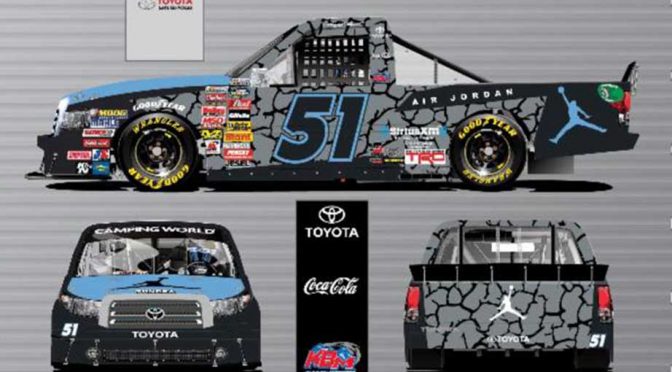
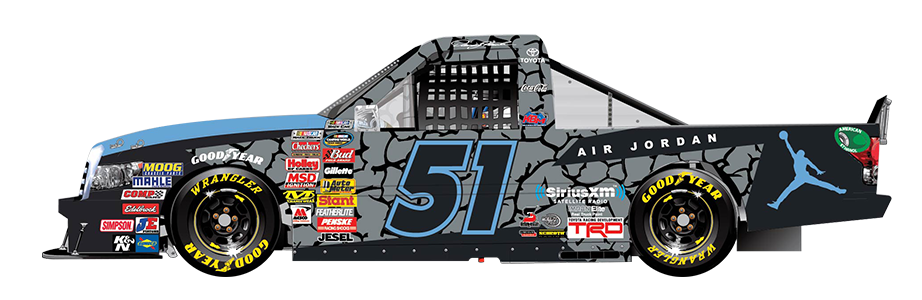
The Jordan Brand’s iconic Jumpman logo will adorn the No. 51 this Saturday

Aside from racing as the two-time defending winner of the NASCAR Camping World Truck Series Kroger 200 this weekend at Martinsville Speedway, Denny Hamlin’s truck will adorn the Michael Jordan Brand’s iconic Jumpman logo.

For Hamlin, the Jumpman logo is personal. Along with being a season ticket holder of Michael Jordan’s Charlotte Bobcat franchise, Hamlin began his relationship with the Jordan Brand in 2011 and sports a Jumpman fire suit and racing gloves.

FULL SERIES COVERAGE

View all articles
View all videos
View all photos

"To have the Jumpman on the truck at Martinsville is the perfect fit," Hamlin said. "Michael has expressed interest in taking the next step with their Jordan Brand sponsorship, so what better opportunity than going after three in a row at one of my favorite tracks."

This weekend wouldn’t be Hamlin’s first three-peat at Martinsville. Hamlin won three straight Sprint Cup Series races at the historical Virginia half-mile short track over the 2009-10 seasons. 

"Denny is a winner, especially at Martinsville Speedway, where he has ‘home court advantage,’" said Jordan. "When Denny said he wanted to get the three-peat at Martinsville, it was a no-brainer for the Jordan Brand to be a part of it."

MORE:

READ: Johnson’s best track
is Kenseth’s biggest test

WATCH: Fantasy Showdown:
Martinsville

READ: Logano learning
from first time in Chase

WATCH: Almirola unveils
No. 41 for Maurice Petty

Parrott calls substance use an ‘isolated incident’

RELATED: Full Chase for the NASCAR Sprint Cup coverage

Todd Parrott on Wednesday took the first steps toward participation in NASCAR’s Road to Recovery program for substance abuse violators, and the suspended veteran crew chief vowed to return to the sport’s top level.

In a pair of radio interviews Tuesday night, Parrott apologized for the chain of events that led to his indefinite suspension by NASCAR and eventual release from Richard Petty Motorsports. The former crew chief of RPM’s No. 43 car was suspended last Thursday for an undisclosed violation of the sanctioning body’s substance abuse program. The 31-time race winner said he tested positive during the recent NASCAR Sprint Cup Series race weekend at Charlotte, although he declined to name the substance involved.

"I want to apologize to my family, to everyone at Richard Petty Motorsports, all my friends for being with me while I’m in this position," he told SiriusXM NASCAR Radio. "It’s not something that I’m proud of, but it’s something I’m going to address and fix. NASCAR has rules, and they have procedures, and they’ve administered them, and it is where I’m at. I’m ready to take the steps to get back into the sport that I love, that I’ve been around my whole life. I want to get back in that garage hopefully in time to win another Daytona 500."

Winner of the 1996 Daytona 500 and the 1999 premier-series title with Dale Jarrett, Parrott said he was chosen for a random test at Charlotte, and received a phone call last Thursday morning informing him the results were positive. Parrott said his use of the substance was an isolated incident.

"I was in a dark moment, and it happened," he told Motor Racing Network’s "NASCAR Live" program. " … The next morning when I woke up, I couldn’t believe what I’d done, and beat myself up pretty bad about it, and then I had to go and face the truth."

Parrott told SiriusXM that after meeting with RPM officials, his next step was to call John Bobo, who directs NASCAR’s substance abuse program. The crew chief was scheduled to meet Wednesday with a counselor for an assessment to determine his recovery program. Before they are eligible for reinstatement, substance abuse violators must complete a Road to Recovery program specifically tailored to their offense.

"After I got the results and the word, I got the ball rolling pretty quick to let NASCAR know, let everyone know I’m going to do (it)," Parrott told SiriusXM. "I know it’s not going to be pretty, it’s not going to be fun. It’s tough on my family, my kids, my wife, my mom, dad, my brother, everybody involved. But I’m going to do everything I can do to prove to everybody that I’m a whole lot better person than this."

Parrott is the son of a former crew chief who won 49 times at NASCAR’s top level, and the brother to a crew chief who owns 18 Nationwide Series victories. He oversaw RPM’s two most recent wins, both with Marcos Ambrose at the Watkins Glen road course. Parrott has been a crew chief since 1995 on the Sprint Cup circuit, and aims to return there once he is reinstated.

"I’m going to beat the bushes and see what’s out there, and when I come back, I’m going to be coming back pretty strong," he told SiriusXM. "It’s just part of my family. It’s in my blood. NASCAR is where I want to be. It’s all I know. It’s all I’ve done. I’m going to work hard to get back to the top."

MORE:

READ: Johnson’s best track
is Kenseth’s biggest test

WATCH: Fantasy Showdown:
Martinsville

READ: Logano learning
from first time in Chase

WATCH: Almirola unveils
No. 41 for Maurice Petty

Get a sneak peek at the looks for this weekend

MORE: Full Chase coverage

SPRINT CUP SERIES PAINT SCHEMES

Denny Hamlin will drive the No. 11 FedEx One Rate Toyota.

#WHAT11NEEDS

SHOP: Denny Hamlin die-casts

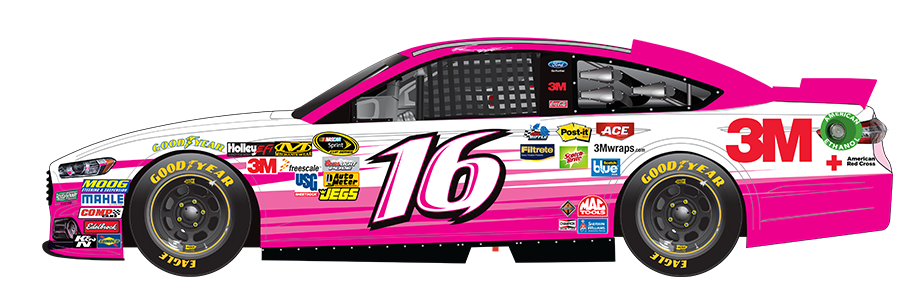
Greg Biffle will drive the No. 16 3M Ford.

#WHAT16NEEDS

SHOP: Greg Biffle die-casts

Ricky Stenhouse Jr. will drive the No. 17 Driven for a Cause Ford.

SHOP: Ricky Stenhouse Jr. die-casts

Jeff Burton will drive the No. 31 Sleep Innovations/DOW Chevrolet.

SHOP: Jeff Burton die-casts

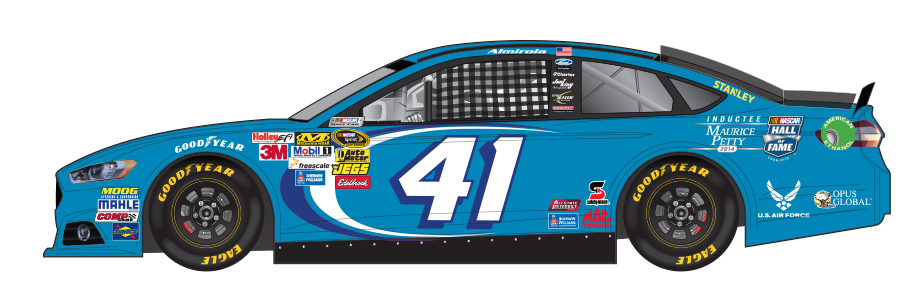
Aric Almirola will drive the No. 41 Maurice Petty Hall of Fame Inductee Ford.

SHOP: Aric Almirola die-casts

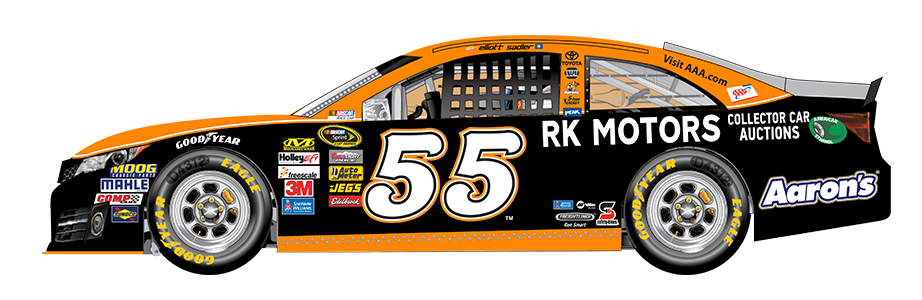
Elliott Sadler will drive the No. 55 RK Motors Collector Car Auctions Toyota.

SHOP: Elliott Sadler die-casts

CAMPING WORLD TRUCK SERIES

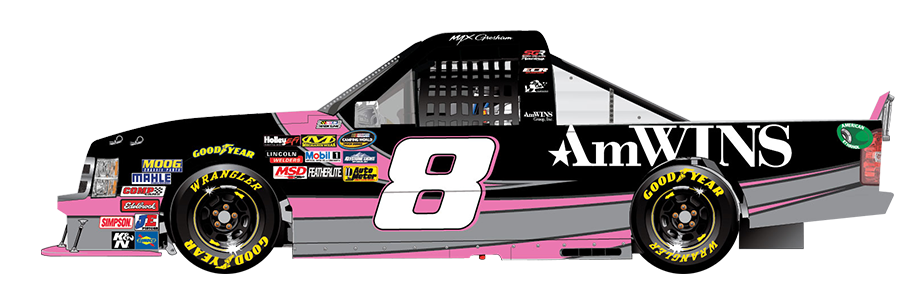
Max Gresham will drive the No. 8 AmWins Chevrolet.

SHOP: NASCAR die-casts

Kevin Harvick will drive the No. 14 Anderson’s Maple Syrup Chevrolet.

SHOP: Kevin Harvick die-casts

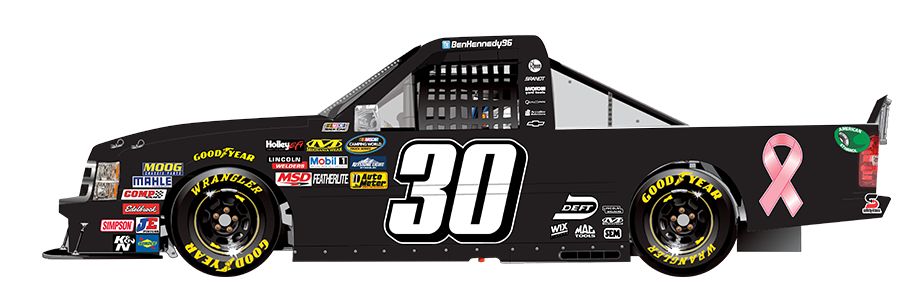
Ben Kennedy will drive the No. 30 Breast Cancer Awareness Chevrolet.

SHOP: NASCAR die-casts

Brandon Jones will drive the No. 33 Exide Chevrolet.

SHOP: NASCAR die-casts

Denny Hamlin will drive the No. 51 Air Jordan Toyota.

SHOP: Denny Hamlin die-casts

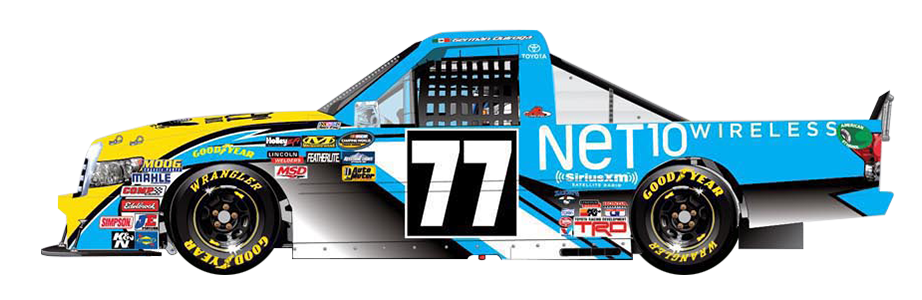
German Quiroga will drive the No. 77 OtterBox/NET 10 Wireless Toyota.

SHOP: NASCAR die-casts

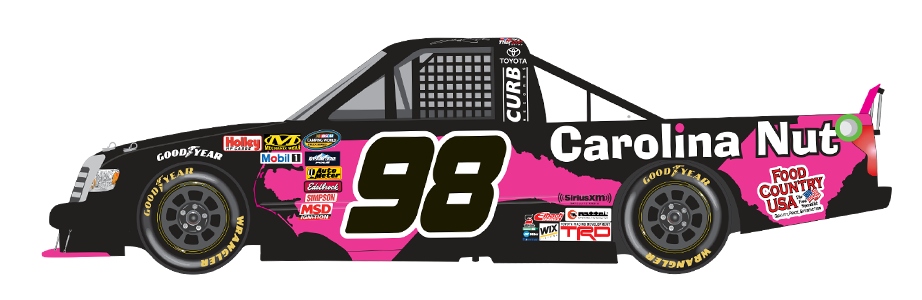
Johnny Sauter will drive the No. 98 Carolina Nut Co./Curb Records Toyota.

SHOP: NASCAR die-casts

MORE:

READ: Johnson’s best track
is Kenseth’s biggest test

WATCH: Fantasy Showdown:
Martinsville

READ: Logano learning
from first time in Chase

WATCH: Almirola unveils
No. 41 for Maurice Petty

Vital stats for the Goody’s Headache Relief Shot 500 Powered by Kroger at Martinsville

Related: Latest news from Martinsville

Track: Martinsville Speedway in Martinsville, Va. is a 0.526-mile, paved surface with 12-degree banking in all four turns. There is no banking in the frontstretch or backstretch. The frontstretch and backstretch are both 800 feet.

Time/TV: The Goody’s Headache Relief Shot 500 Powered by Kroger (500 laps), 1:30 p.m. ET, Sunday, Oct. 27. TV: ESPN (coverage starts at 1 p.m. ET), Radio: MRN

Trailblazers:  The track’s first NASCAR-sanctioned race was on July 4, 1948 and the track’s first Sprint Cup Series race was on Sept. 25, 1949. That race was won by Red Byron.

0.065 — The closest margin of victory since the advent of electronic timing — in seconds — by Jimmie Johnson in 2007.

1 Danica Patrick is the only female driver to compete at Martinsville in the Sprint Cup Series.

2 — The number of drivers who won their first Sprint Cup Series Coors Light poles at Martinsville. Those drivers are Tony Stewart (April 1999) and Scott Riggs (April 2005).

4 — The number of times that the winner of the Martinsville race in the Chase for the NASCAR Sprint Cup has gone on to win the championship. Johnson (2006, 2007, 2008) and Stewart (2011) are the two drivers to accomplish this. 
4 — The number of drivers who made their first Sprint Cup Series start at Martinsville. Those drivers are Mike Bliss (September 1998), Travis Kvapil (in October of 2004), Michael McDowell (March 2008) and Scott Speed (October 2008).

5 — The number of times there have been green-white-checkered finishes at Martinsville, with the last one coming in spring 2012.

5 — The number of races that have been won by drivers who started outside of the top 20.

6 — The worst finish at Martinsville by an eventual series champion. Brad Keselowski finished sixth in last October’s race.

8 — The number of wins Jimmie Johnson has at Martinsville, which is the most among drivers. Five of those victories came in Chase races at the venue.

8 — Series-high number of poles earned by Darrell Waltrip.

FULL SERIES COVERAGE

View all articles
 • View all videos
 • View all photos

12 — Number of drivers who have won consecutive poles.

15 — Series-high number of victories, held by Richard Petty.

20 — Series-high number of victories for Hendrick Motorsports 

21 — The number of races that have been won by pole-sitters.

22 — Age of youngest winner — Petty — in 1960.

23 — Number of drivers who have multiple wins.

26 — Series-best number of top-five finishes among active drivers by Jeff Gordon.

30 — Series-best number of top-five finishes by Petty.

36 — The deepest starting position of a race-winner — Kurt Busch in 2002.

41 — Series-best number of races without a DNF by Gordon.

51 — Age of oldest winner — Harry Gant — in 1991.

53 — Number of Sprint Cup starts by Terry Labonte, most among active drivers.

57 —  Number of drivers who have earned a pole.

67 — Series-best number of Sprint Cup starts, held by Petty.

91.569 — Series-best average Green Flag speed (mph), held by Johnson.

123.8 — Series-best driver rating of Johnson.

129 — Total number of Sprint Cup races, one in the inaugural year and two per year since 1950.

281 — Total number of Sprint Cup races run in the state of Virginia. Of all the tracks in the state, Martinsville has seen the most Cup races at its venue.

372 — Number of drivers who have competed in multiple Sprint Cup races.

591 — Number of drivers who have competed in at least one Sprint Cup race at the track.

968 — Series-high number of fastest laps run by Gordon.

MORE:

READ: Johnson’s best track
is Kenseth’s biggest test

WATCH: Fantasy Showdown:
Martinsville

READ: Logano learning
from first time in Chase

WATCH: Almirola unveils
No. 41 for Maurice Petty