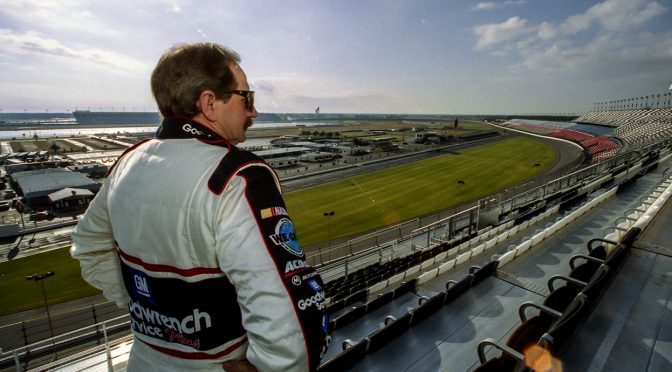
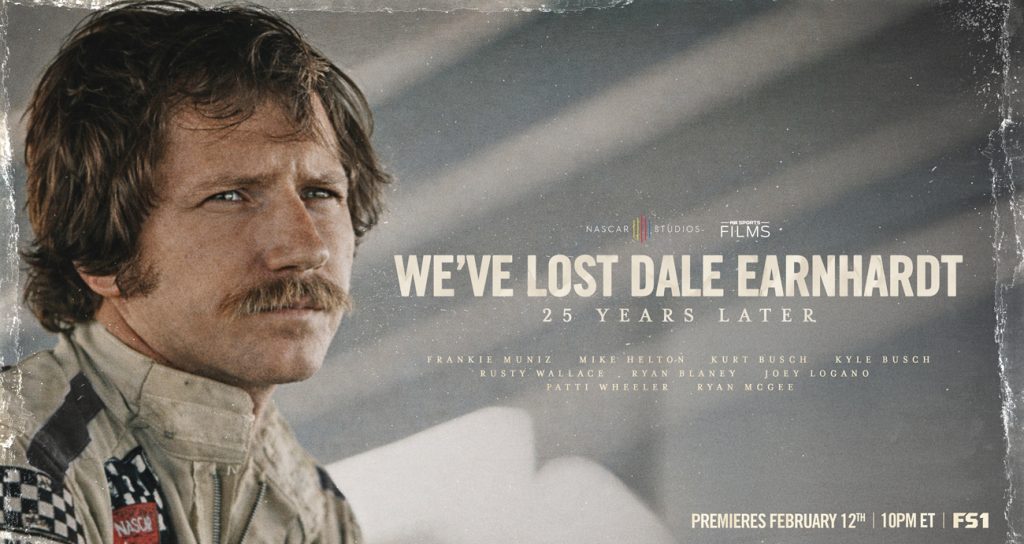
DAYTONA BEACH, Fla. and LOS ANGELES — NASCAR Studios and FOX Sports today announced “We’ve Lost Dale Earnhardt: 25 Years Later,” a powerful new original documentary marking the 25th anniversary of the 2001 Daytona 500, the race that forever changed NASCAR and American motorsports. Premiering Thursday, Feb. 12 at 10 p.m. ET following the NASCAR Cup Series American 250 Duels on FS1, the film is told through exclusive first-person accounts, rare home video, archival broadcast footage and cinematic storytelling, revisiting the death of seven-time NASCAR champion Dale Earnhardt and examining the profound ripple effects that continue to shape the sport and its culture 25 years later.

“FOX Sports’ partnership with NASCAR allows us to tell the stories that define the heart of the sport, and through this film, we are honored to spotlight Dale Earnhardt, one of the most iconic and influential figures in NASCAR, and carry his legacy forward,” said Barry Nugent, vice president, development & original programming, FOX Sports. “This documentary explores the man behind the wheel and goes beyond a single day in history to delve into how one moment forever changed the sport and continues to impact drivers competing today.”

Dale Earnhardt faces the camera with a serious look with the title "We've lost Dale Earnhardt" and tune-in information on the right side of this movie poster-style graphic.
FOX Sports and NASCAR Studios

RELATED: Dale Earnhardt through the years

On the final lap of NASCAR’s biggest race, Earnhardt was lost in a moment that stunned fans, competitors, broadcasters and the nation. His death was more than a tragedy; it was a rupture in the heart of the sport. “We’ve Lost Dale Earnhardt: 25 Years Later” explores that day and its aftermath not just through competition, but through the emotional, cultural and human impact felt by those inside and far beyond the race track.

Even 25 years later, Earnhardt remains one of the most iconic figures in all of sports, transcending NASCAR to become a symbol of American identity, grit and fandom. Part mythology, part time capsule and part love letter, the documentary examines how Earnhardt became bigger than the sport itself and why his legacy endures with such intensity today.

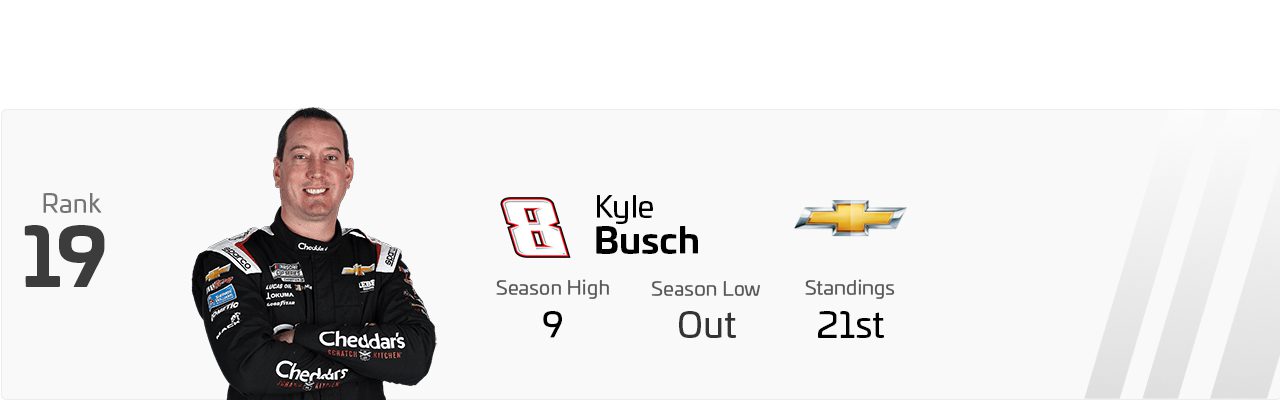
The documentary features intimate reflections from former NASCAR President Mike Helton, 2001 Daytona 500 competitors Rusty Wallace and Kurt Busch, as well as Kurt’s younger brother and NASCAR Cup Series champion Kyle Busch, who was at that fateful race. It also features insights from NASCAR Cup Series champions Joey Logano and Ryan Blaney, along with “Malcolm in the Middle” star/current NASCAR Craftsman Truck Series driver Frankie Muniz, who was the honorary pace car driver at the race, in addition to former NASCAR and FOX Sports media personnel Ryan McGee and Patti Wheeler.

“When Mike Helton announced that ‘We’ve lost Dale Earnhardt,'” it’s one of those rare moments when you remember where you were when you heard that devastating news,” said John Dahl, NASCAR SVP of content. “Through the prism of those indelible words, this documentary explores that fateful day and the profound impact it continues to have a quarter-century later.”

Key storylines include the unprecedented challenge faced by FOX Sports’ broadcast team as they covered the unimaginable live on air in the network’s first NASCAR race broadcast, the weight carried by Helton as he delivered the words that would echo forever, the sweeping safety revolution that followed and the influence Earnhardt continues to have on today’s stars and generations of fans.

“We’ve Lost Dale Earnhardt: 25 Years Later” was directed by Justin Burnett, produced by Griffin Van Malssen, Ariana Rotstein, Carl Hansen, Michael Vayder and Rita O’Dea, and executive produced by Eric Shanks, Brad Zager, Tim Clark, John Dahl, Tally Hair and Barry Nugent. 

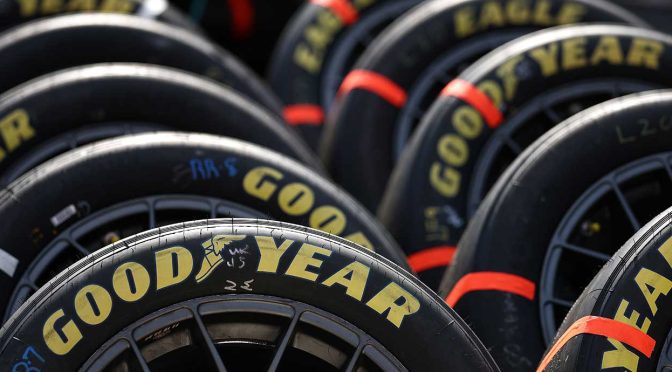
Goodyear will unveil a new tire for the first on-track competition of the NASCAR Cup Series season, debuting redesigned left-side rubber for Wednesday’s Cook Out Clash at Bowman Gray Stadium (6 p.m. ET, FOX, MRN Radio, SiriusXM NASCAR Radio).

RELATED: Bowman Gray weekend schedule

The new left-side tires will pair with familiar right-sides, which were used in the exhibition event’s Bowman Gray debut and six other Cup Series races last season. Officials with the tire maker indicated that the new left-side Goodyears are designed for more fall-off, part of the industry’s initiative to make tire management more essential and enhance the competition.

“This is in line with our ongoing efforts to deliver tires that offer increased grip and more lap time fall-off over the course of a run,” said Justin Fantozzi, Goodyear’s Director of Racing for the Americas. “Teams will be focused on racing and battling for track position, but we’ll use Bowman Gray as an opportunity to gather data and apply that knowledge to our short-track tire package for the rest of the season.”

Teams will each have five sets of tires for their weekend allotment — one for practice, one for qualifying that transfer to the race, and three new race sets. Goodyear will also have four total wet-weather sets available to each team as needed.

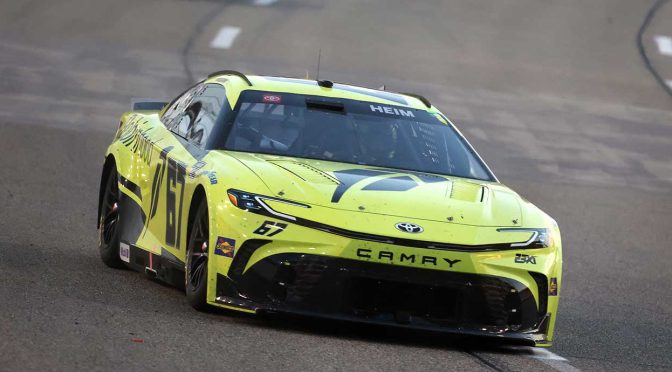
Corey Heim will attempt to make the field for the 2026 Daytona 500, kicking off his partial NASCAR Cup Series schedule this season with 23XI Racing’s No. 67 Toyota team.

Heim, last year’s Craftsman Truck Series champion, will aim to make his first start in “The Great American Race” on Sunday, Feb. 15 (1:30 p.m. ET, FOX, MRN and SiriusXM Radio, HBO Max). He’ll carry primary sponsorship from finance and investment platform Robinhood, which will also expand its partnership with 23XI’s Bubba Wallace in select races.

RELATED: 2026 Cup Series schedule | Daytona Speedweeks schedule

“It means a lot to me to have the opportunity to represent Robinhood again this season, and it’s extra special to do so at the Daytona 500,” Heim said in a team release. “Coming off a great season last year, I’m excited to continue my growth as a driver and look forward to another successful year.”

Heim was signed to a multiyear agreement last February to become 23XI Racing’s first development driver. The 23-year-old Georgia native made four starts with 23XI Racing last year, with his best result a career-high sixth place in Bristol Motor Speedway’s annual night race last September.

In full-time competition, Heim won 12 of 25 Truck Series races last season with Tricon Garage to secure that circuit’s title. That performance ran his record to 23 career wins in 89 Truck Series starts, a remarkable 25.8% winning clip.

Should he qualify, Heim will make his first superspeedway start in NASCAR’s top division. He prevailed in the Craftsman Truck Series opener at Daytona International Speedway last February.

MORE: On the move: Changes for 2026

23XI indicated that Heim will be entered in the Truck Series’ event at EchoPark Speedway near Atlanta with Robinhood sponsorship. Robinhood is also set to be the primary sponsor for Wallace’s No. 23 Toyota in Sunday’s Cook Out Clash exhibition at Bowman Gray Stadium, plus Cup Series races early in the season at Circuit of The Americas (March 1) and Phoenix Raceway (March 8).

The team indicated that the partnership would grow in 2026 to an unspecified number of events; Robinhood sponsored Heim in three Cup Series races last year and Wallace for two. Robinhood made its first foray into motorsports with 23XI last year, building on its portfolio of sponsoring NBA teams, a French soccer team and college athletics.

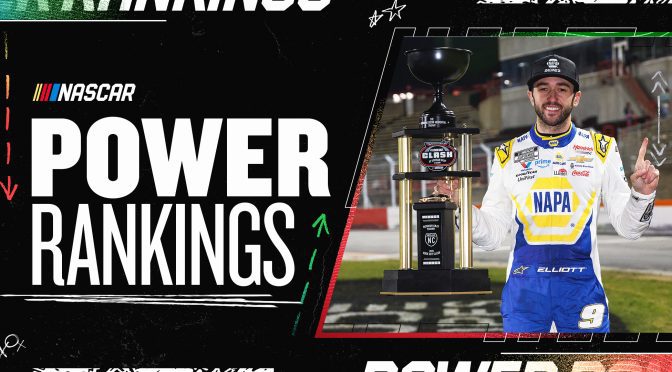
With NASCAR production days in the rearview, we’ve had a glimpse of the fresh fire suits and sparkly helmets that Cup Series drivers will adorn for the 2026 season. The Cook Out Clash at Bowman Gray Stadium is on deck this Sunday (8 p.m. ET, FOX, HBO Max, MRN Radio, SiriusXM NASCAR Radio), with the Daytona 500 right around the corner. And while it’s important to get off to a scorching start in 2026 NASCAR Fantasy Live, players need to find the right balance, knowing there are 25 other grueling races before the return of The Chase.

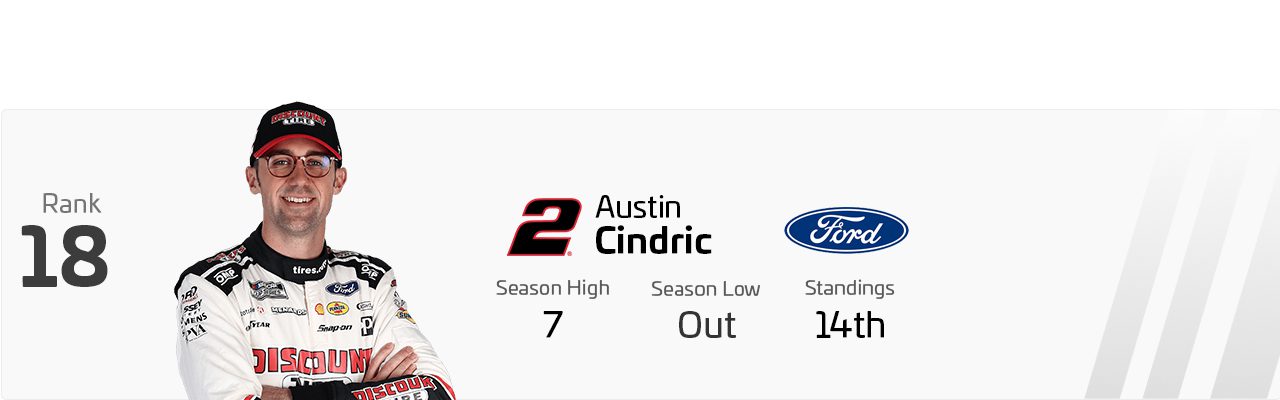
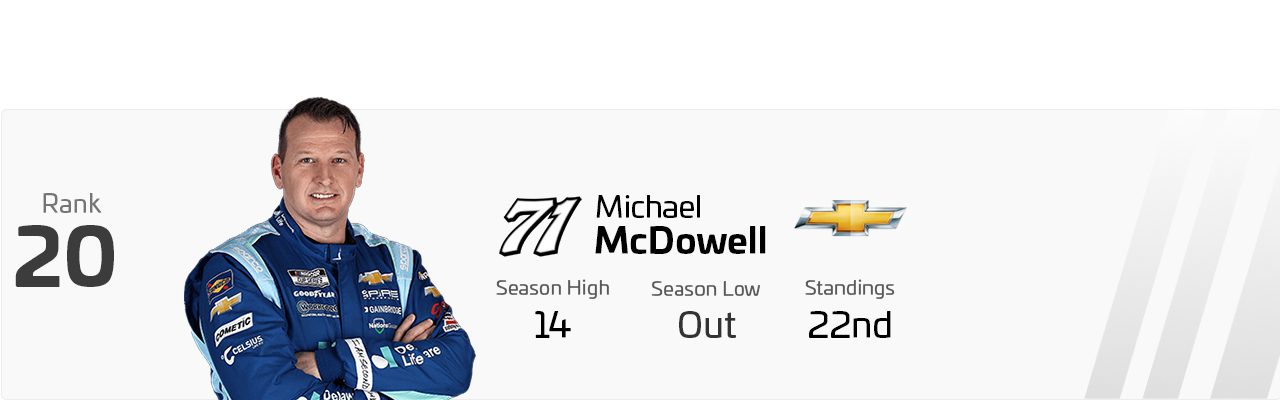
Over the last handful of seasons, the Daytona 500 has turned into a skillful crapshoot. Sure, William Byron is aiming to become the first driver to ever hoist the Harley J. Earl Trophy in three consecutive years. But before Byron’s two triumphs, Michael McDowell, Austin Cindric and Ricky Stenhouse Jr. each scored upset victories, with the former two visiting Victory Lane for the first time in their respective Cup careers.

The rough-and-tumble nature of the last 10 “Great American Races” have resulted in six overtime finishes, including the longest Daytona 500 in 2023 (530 miles) won by Stenhouse. The Hyak Motorsports driver’s name comes up often at superspeedways, with all four of Stenhouse’s Cup victories coming in the draft. He’s certainly a driver to keep on the list of potential starters for Daytona. But fantasy is not all about Daytona.

RELATED: NASCAR Fantasy hub | Make Fantasy Live picks

Budget your roster for the 2026 season

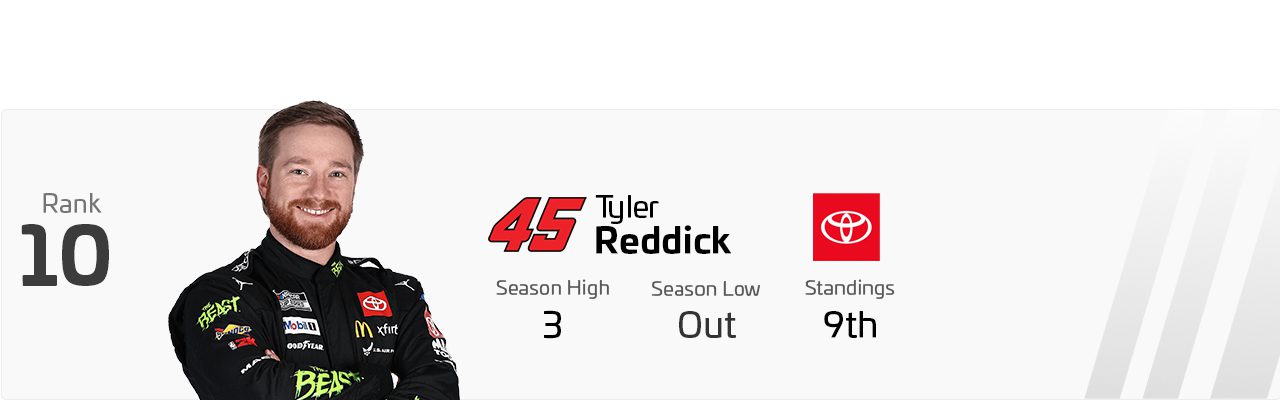
Don’t overload with heavyweights at superspeedways, which includes the grandaddy of them all, the Daytona 500. Mixing and matching is fine, but the total allotment of points scored by even the highest-tallying driver on drafting tracks in 2025 was Tyler Reddick (199). Divide that by the six races, and it’s barely cracking the 33-point barrier per event.

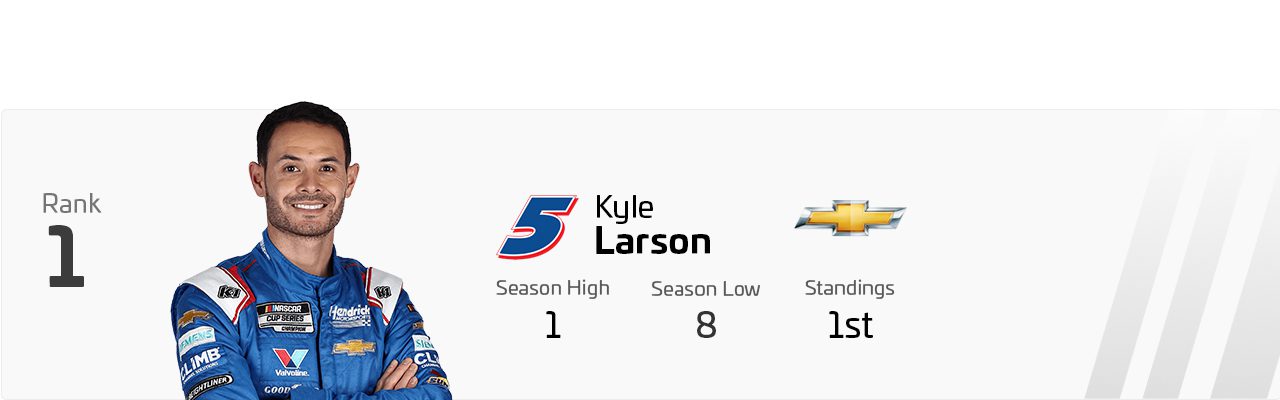
Until Kyle Larson erupted to the second-most points scored at drafting tracks in 2025 (197), along with the second-best average finish (12.3), trailing only Reddick in both categories, superspeedway racing was a detriment for the two-time Cup champion. Consider this, though: Each player gets limited starts with a driver. Would you really want to burn one up on a superspeedway race? The No. 5 bunch is certainly capable of winning at Daytona, but the odds of tallying more points in another race in the near future (hello, Las Vegas, Bristol and Kansas) is far more likely.

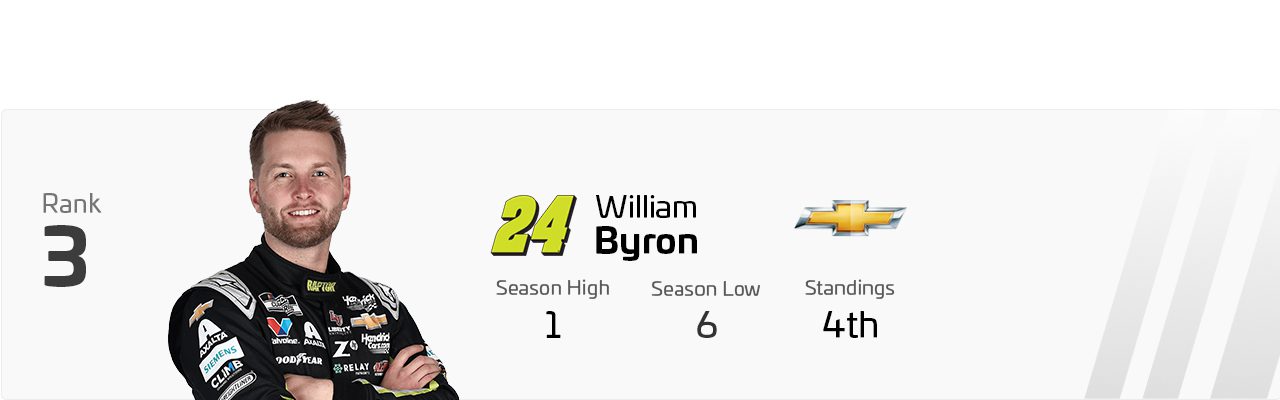
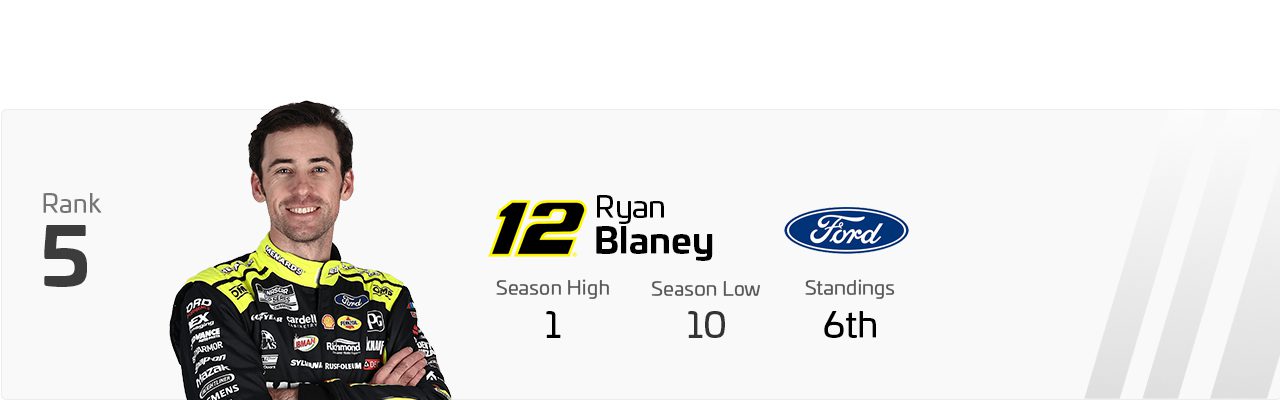
It can get tricky with other drivers, such as Byron and Ryan Blaney. Both drivers excel at superspeedways, with Blaney being the most recent victor at the famed 2.5-mile oval last summer. Both drivers also cracked the top five in points tabulated at superspeedways last year. But it’s worth remembering these drivers will likely also be in your lineup frequently throughout the 2026 season, and Daytona could be a wasted start. Personally, I’ll wait to see the rhythm of Speedweeks before settling on any big-name drivers in my lineup.

Front-running drivers at Daytona often wreck late

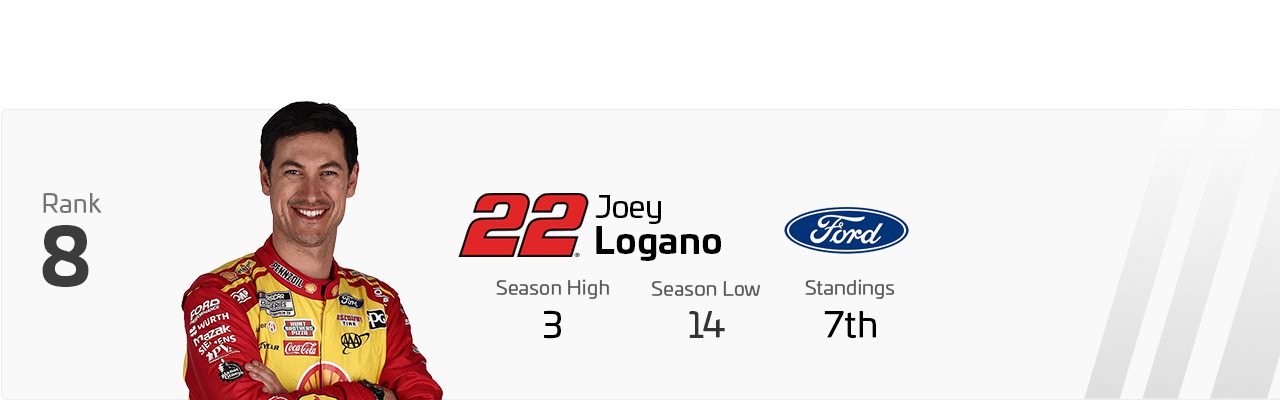
The unpredictability of Daytona presents an opportunity to choose drivers for your lineup who might not make the cut at a standard track. And the drivers who dominate the Great American Race tend to wreck out late. Three-time Cup champion Joey Logano has led 21.9% of the laps across the last two 500s (88 of 401) and has a dissatisfying 33.5 average finish to show for it. He has one Daytona win on his resume, some 11 years ago in the 2015 “Great American Race.”

Brad Keselowski, who’s still searching for his first Daytona 500 win, also fits squarely into this category. The 2012 champion is arguably the best superspeedway racer of his generation – seven combined victories – but he has a best finish of ninth in his last 11 cracks in the coveted race. In his four starts in the season-opener since becoming a co-owner of RFK, Keselowski has led the most laps twice (2022, 2023) and has three finishes of 22nd or worse in a row.

The flipside to both Logano and Keselowski at Daytona is with how elite they are at drafting, they can rip off stage points in bunches, netting out to a respectable sum for the day. It remains to be determined on if I’ll use either in this year’s conquest of Daytona.

RELATED: 2025 NASCAR Fantasy Live MVPs

Think outside the box

When analyzing which longshot and undervalued drivers you could settle on for Daytona, remember that some drivers just have a knack for the draft. Stenhouse is top of mind, having a pair of victories at Daytona in 27 attempts. Spire Motorsports driver Michael McDowell (152), and his former Front Row Motorsports teammate Todd Gilliland (151) fit the bill, respectively scoring the eighth- and ninth-most points at superspeedways in 2025.

Some off-the-wall names to look at for Daytona, specifically: Cole Custer, who was in position to win both Daytona races in 2025 on the final lap. He was ultimately the catalyst for the final-lap melee in last year’s 500 but rebounded with a season-best fourth-place effort in August. Corey LaJoie first needs to qualify for the race in a fourth bid from RFK Racing, but should the No. 99 Ford make the show, he could be lethal. LaJoie led 10 laps last year after making the race with Rick Ware Racing and was in position to pull off the upset had he not been involved in a late wreck. Nine of his 11 career top-10 finishes have come at drafting tracks, with five coming at Daytona alone.

Daytona is among the few tracks on the calendar where you can’t go wrong with making an off-chance choice for your lineup. With the unpredictable nature, you just hope those choices are correct.

Don’t panic!

While earning the most fantasy points at Daytona does entail a $10,000 reward, should you come up short, there is still a lot of racing left – and a lot to play for this season. The overall winner of NASCAR Fantasy Live in 2026 takes home $25,000, with the runner-up netting $10,000 and third-place earning $5,000.

It’s a tall task to build the perfect roster for Daytona, which makes it a true game of chance. But strategies are plentiful for the duration of the schedule, with plenty of resources available to assemble the best roster each week.

Add yet another historic victory to Roger Penske’s iconic career of high achievement. Team Penske kicked off its 60th anniversary season Sunday with the overall victory in the 64th Rolex 24 At Daytona — Penske’s third straight win in the world-renowned sports car race. It featured an all-time Rolex 24 record attendance at the Daytona International Speedway road course to kick off the 2026 IMSA WeatherTech SportsCar Championship season.

Brazilian Felipe Nasr drove the No. 7 Porsche Penske Motorsport Porsche 963 across the finish line 1.569 seconds ahead of Brit Jack Aitken in the No. 31 Cadillac Whelen Cadillac V-Series.R after a particularly spirited battle through the final hour between the two. The No. 24 BMW M Team WRT BMW M Hybrid V8 was third, 21 seconds behind the winner, in the team’s first race running the IMSA BMW GTP program.

RELATED: Race results | At-track photos

“The driving that he’s done for us and at the end there, probably one of the best drives I’ve seen,” Penske said of Nasr. “You know for our 60th it’s a big deal, and here at Daytona, to have three wins here is certainly special. Starts out the year the right way.”

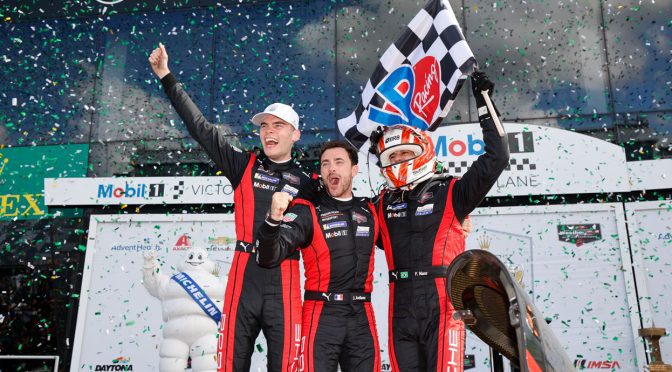
The veteran Nasr’s work now equals and follows on the heels of fellow Brazilian Helio Castroneves’s three consecutive overall wins (2021-23) at Daytona’s famous 3.56-mile road course. Peter Gregg also achieved the feat when he won three straight in 1973, ’75 and ’76. (There was no race in’ 74.) Both Nasr’s co-drivers, German Laurin Heinrich and Frenchman Julien Andlauer, won their first Rolex 24s, and Andlauer achieved his first WeatherTech Championship win of any kind.

Plaudits were earned for the team and the manufacturer, as well. Team Penske tied Chip Ganassi Racing and Wayne Taylor Racing with its third consecutive win and 46th in any IMSA class. Porsche brought home its 21st overall Rolex 24 triumph, the most of any manufacturer.

“Three in a row, it’s just a very special day — I dreamed of that,” said Nasr. “We had a battle all the way to the end with the (No.) 31. … I was just trying all I could because I know in these final hours everyone is using everything they have inside the car, and the Cadillac was a strong car.

“The field has such good drivers,” Nasr said. “I have to acknowledge that the level of this race is getting higher and higher in this GTP (Grand Touring Prototype) class. It was pure racing. I used everything I had.”

Sunny skies and 70-degree temperatures — warmer-than-usual Rolex 24 weather — straddled a heavy overnight fog at the track that brought out a full-course caution flag for six hours, 33 minutes, the longest in Rolex 24 history.

When racing resumed just after 7 a.m. ET, the action picked up accordingly. The Penske Porsches battled closely with the BMWs and Cadillacs for the overall lead, and, as is so typical of this legendary race, the final hours fed high drama.

Although the Nos. 7 and 6 Penske Porsches truly dominated the event statistically, combining to lead 521 of the 705 laps (74 percent of the race), they had to fend off a strong two-car BMW effort and a powerful Cadillac showing that also included a pair of Cadillac Wayne Taylor Racing cars in addition to the runner-up No. 31 Cadillac Whelen entry — as well as a persistent push from the two-car Acura Michael Shank Racing w/Curb Agajanian Acura ARX-06 effort that claimed pole position. Nine of the 11 GTP cars led laps.

Twice in the final hour, Aitken was able to pull within less than a half-second of Nasr, pulling alongside in one particular attempt to pass heading into Turn 1. But Nasr was on his game, negotiating the 60-car field throughout the race and repelling Aitken’s attempts to overtake in the final 60 minutes.

MORE: Full Rolex 24 recap

“The guys all around from the team in the pit box to my teammates did a fantastic job to get us back into a position at the end of the race,” said Aitken, who was vying to put the No. 31 Cadillac in Victory Lane for a third straight WeatherTech Championship race dating to the final two of 2025. “The Porsches were very strong all race, very impressive. We tried to challenge them best we could and I got close to them a few times. Just really, really heartbreaking, but we had great runs and I’m proud of that.

“I had a couple moments where I stuck my nose in there, but it was always from just a bit further back just trying to make something happen. I never got a super great run on them. I was trying to find an opening here and there, and (there was) a fine line between making a gap open up and causing a bit of an accident.”

The Rolex 24 is the first of five IMSA Michelin Endurance Cup races on the 2026 calendar. By leading at all four junctures when endurance points were awarded, the No. 7 Porsche has opened a significant lead over the competition.

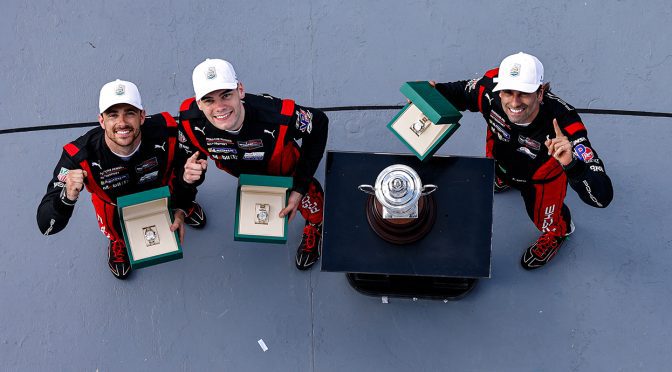
DAYTONA BEACH, Fla. – Felipe Nasr capped a record-setting day at Daytona International Speedway by driving to a record-tying third consecutive Rolex 24 at Daytona overall win, leading Porsche Penske Motorsport to its third straight victory in the internationally renowned endurance sports car race.

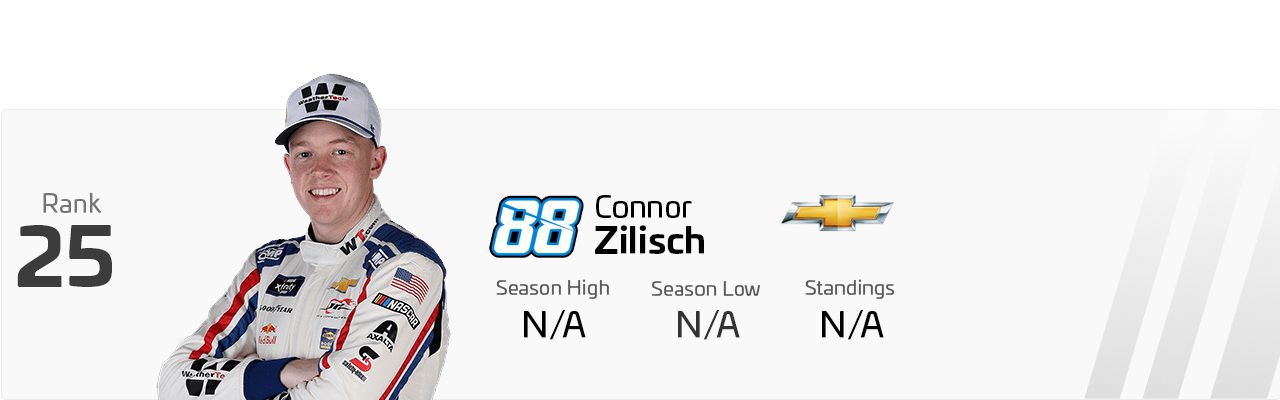
Piloting the No. 7 Porsche Penske Motorsport Porsche 963 he shared with co-drivers Julien Andlauer and Laurin Heinrich in the Grand Touring Prototype (GTP) class, Nasr crossed the finish line 1.569 seconds ahead of Jack Aitken in the No. 31 Cadillac Whelen Cadillac V-Series.R, shared with NASCAR Cup Series rookie Connor Zilisch. Nasr held off multiple charges from Aitken over a breathtaking final 20 minutes of the twice-around-the-clock classic that serves as the opener for the 2026 IMSA WeatherTech SportsCar Championship season.

MORE: Race results | At-track photos

Porsche won on a banner day for Daytona International Speedway, which announced and confirmed an all-time record attendance for the 64th Rolex 24 at Daytona event. Both Daytona and IMSA anticipated a strong crowd presence going into the weekend and advised fans to get to the facility early. The fans delivered in throngs on Saturday once the race started and again on Sunday when the race finished. 

“This year’s 64th running of the Rolex 24 is indeed the highest attended Rolex 24 in the history of the event,” said Frank Kelleher, Daytona International Speedway President. “And all of you play a big part in that, telling the story and celebrating it. So our heartfelt thank you. Thank you everyone.”

With the win, Nasr joined Helio Castroneves (2021-23) and Peter Gregg (1973, 1975-76) as the only drivers to collect three Rolex 24 overall triumphs in a row. Porsche Penske Motorsport also tied for the most consecutive team victories, joining Chip Ganassi Racing (2006-08) and Wayne Taylor Racing (2019-21).

“Winning the 24 Hours of Daytona three consecutive times with this Porsche Penske Motorsport team is an incredible accomplishment,” said Roger Penske. “That sustained success is only achieved with great team work, focused and determined drivers, a resilient crew and a commitment to winning. Our success at this event helped put our team on the map over six decades ago and winning here in Daytona is a perfect way to celebrate the start of Team Penske’s 60th anniversary season. I also want to congratulate Porsche Motorsport on a great beginning to their 75th anniversary in 2026 as we continue to build on our winning legacy together. Today’s victory reflects the efforts and dedication of all those committed men and women working on the Porsche Penske Motorsport program, from Mooresville to Germany.”

Porsche’s No. 7 didn’t only win the race; it also won two races inside the race itself. The No. 7 car won the inaugural running of the IMSA Michelin Sustainability in Racing Award, which measures tire use, energy use and finish position to gauge the highest sustainability score in the GTP class. It was also the top scoring GTP finisher in the Michelin Endurance Cup, which awards points at the six-, 12-, 18- and 24-hour marks. The No. 7 car finished first at all four points-scoring moments.

The Nasr-Aitken battle wasn’t the only nail-biter as the clock wound down. In the Grand Touring Daytona (GTD) class, Philip Ellis in the No. 57 Winward Racing Mercedes-AMG GT3 and Nicki Thiim in the No. 44 Magnus Racing Aston Martin Vantage GT3 EVO pounded on each other throughout the closing laps – including a heart-stopping side-by-side contact as they raced past the start-finish line on the Daytona oval with 10 minutes to go – before Ellis emerged victorious by just 1.367 seconds. Winward earned its third Rolex 24 GTD win since 2021. Ellis and co-drivers Russell Ward and Indy Dontje have been part of each of those wins, with fourth driver Lucas Auer getting his first Rolex 24 victory.

Other class winners in the 64th running of the Rolex 24 were the No. 04 CrowdStrike Racing by APR ORECA LMP2 07 in Le Mans Prototype 2 (LMP2), with co-drivers George Kurtz, Alex Quinn, Toby Sowery and Malthe Jakobsen; and the No. 1 Paul Miller Racing BMW M4 GT3 EVO in Grand Touring Daytona Pro (GTD PRO), driven by Neil Verhagen, Connor De Phillippi, Max Hesse and Dan Harper.

The No. 1 Paul Miller BMW and No. 57 Winward Mercedes-AMG also won the GTD PRO and GTD classes of the Michelin Endurance Cup. AO Racing’s No. 99 “Spike,” the LMP2 Dragon now adorned in a gold livery for the Rolex 24, was the top-scoring LMP2 entry for the Michelin Endurance Cup.

The winning No. 7 Porsche led 375 of the 705 laps completed on the 3.56-mile road course that includes most of the 2.5-mile oval track. There were nine full-course cautions, including one for a race-record six hours, 33 minutes overnight due to dense fog that severely limited visibility for drivers, spotters and race officials.

NASCAR Cup Series veteran AJ Allmendinger earned a ninth-place finish both overall and in the GTP class in the No. 60 Meyer Shank Racing w/Curb Agajanian Acura ARX-06 with teammates Colin Braun, Scott Dixon and Tom Blomqvist.

The WeatherTech Championship returns to action March 18-21 with the Mobil 1 Twelve Hours of Sebring, the second round of both the full season and the Michelin Endurance Cup.

Harry Gant marked his 86th birthday two weeks ago, but the passage of time has been kinder to the legendary driver than most. Just ask his peers.

The fresh-faced octogenarian was celebrated in Friday night’s NASCAR Hall of Fame induction ceremony for an influential stock-car racing career that ended some 30 years ago. Based on his still-dashing appearance, Gant seemed like he could still suit up, climb in and lay down lap times that would still be current-day competitive.

“I tell people that the first time I saw him was around 1970. When I saw him [Thursday] night, I hadn’t seen him in a couple of years, but I was just amazed at how he still looks the same,” said fellow Hall of Famer Dale Jarrett. “… It just looks like he could jump in and go.”

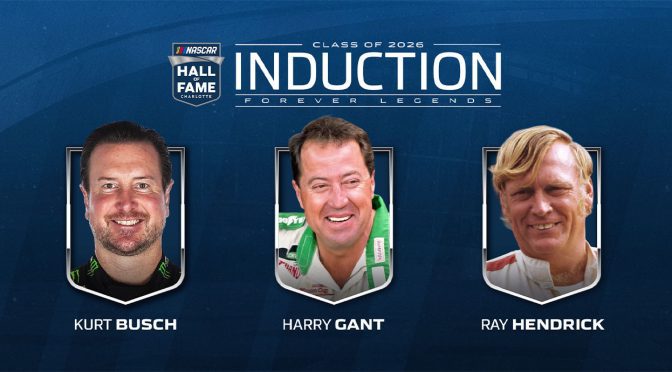
The crowd assembled at the NASCAR Hall of Fame marveled anew at “Handsome Harry” Gant, who joined Kurt Busch and Ray Hendrick as the newest members honored with stock-car enshrinement in the Class of 2026. The gala evening also paid tribute to promoter extraordinaire Humpy Wheeler as the winner of the Landmark Award for outstanding contributions to the sport and veteran motorsports scribe Deb Williams as the Squier-Hall Award recipient.

RELATED: Photos from Hall of Fame induction | Gant, Busch, Hendrick honored

The Hall’s call was a long time coming for Gant, elected in his seventh year of eligibility. That same worth-the-wait vibe also paralleled his late-blooming racing career, from his younger years as a short-track stalwart to a Cup Series rookie at 39 — an age when most current drivers are considering when to sunset their careers.

His arrival was a study in contrasts — the North Carolina foothills meets Hollywood. Gant was plucked from his humble and blue-collar upbringing by movie moguls Burt Reynolds and Hal Needham to drive the Skoal-sponsored No. 33 that would become one of his calling cards. His smile was silver-screen-ready, and his reputation for being firm but fair on the track was about to hit the big time.

“When he got to the Cup level, he came with an entourage,” said Ricky Rudd, a Class of 2025 inductee. “I mean, who else can start racing and you’ve got Burt Reynolds in your garage stall? And you’ve got Hal Needham the movie director and the Skoal Bandettes, I think they even had. It was kind of an interesting time but Harry’s a class-act guy, a very tough competitor on the race track and he raced you hard, but he raced clean. You never heard anybody complain about if Harry gave ’em a fender or a cheap shot. He was just that way. He would do what he had to do to win, but he was fair.”

Gant was the rare case where improvement came with his advancing years. Some of the most memorable of his 18 career Cup Series victories came north of age 50 — a brilliant four-race win streak that earned him the “Mr. September” nickname as a 51-year-old veteran in 1991, and his final triumph a year later at Michigan International Speedway that established him as the oldest Cup Series winner, a NASCAR record that still stands.

MORE: Relive Gant’s historic 1991 streak

Chalk it up to either the wisdom of experience or the enduring work ethic from his rich background as a carpenter and a farmer, but like Gant, his longevity remains a wonder all these years later.

“That is very unique. I mean, you don’t see that. You didn’t see it then, and you don’t see it now,” said Andy Petree, Gant’s crew chief during his 1991 stretch of success. “I mean, drivers were older, the good drivers. It took a lot longer to get into the sport to the high level, so the really successful drivers were older back then, but not what he was doing. By the time you get to around that 50-year mark, nobody’s really winning and they’re thinking about retiring. He just hit this stride, man, and I think it’s because he’s so physically fit. He worked hard all the time.

“You look, I guarantee. I haven’t seen him tonight, but I bet he looks like he could get in the car. I think that, along with just his toughness, there was no driver that was as tough as him — the hottest days, the worst conditions, he would always be the cream that rises to the top. I think that’s what really set him apart, to be able to win races at 52 years old. It’s ridiculous how he did that.”

Petree said Gant never fully considered racing as a job, even after he’d reached NASCAR stardom. “His job was building houses,” Petree said, noting how he’d often finish a race Sunday and return to the carpentry trade and hard manual labor in the fields the next morning. The secret to Gant’s fountain of youth might not be so secret.

“I guess it’s start driving late and put roofs on houses early, because that’s what he did,” said Kyle Petty, who presented Gant with his Hall of Fame ring. “I think the one thing with Harry is, Harry is that throwback, you know? I think so many people forget that, because he came along late. I mean, he ran for Rookie of the Year at 39. Oh my God, there’s 39-year-olds that have 14-year-olds almost driving Cup cars now, you know what I mean? When you start looking at it, it’s just such a different time. So I think the thing is his work ethic, his whole entire life, how he approached farming, how he approached driving, how he approached everything. It was all the same. It didn’t make any difference.”

Gant’s gait might have slowed a step from years of wear and tear, his personal odometer stacking up the miles on and off the track. His image, however, has seemingly changed little since he last ran a Cup Series race in 1994.

Gant entered NASCAR folklore for his tendency to turn back the clock. For the legends who once competed with him, the race against time feels like one that Gant is still winning.

“Some of them high school kids, I guarantee you he could wear them out,” said 2016 Hall inductee Terry Labonte. “He was just a great competitor, a nice guy, and I was actually teammates with him one year. He’s a fun guy to hang out with, but you can’t find anybody to say anything bad about Harry Gant.”

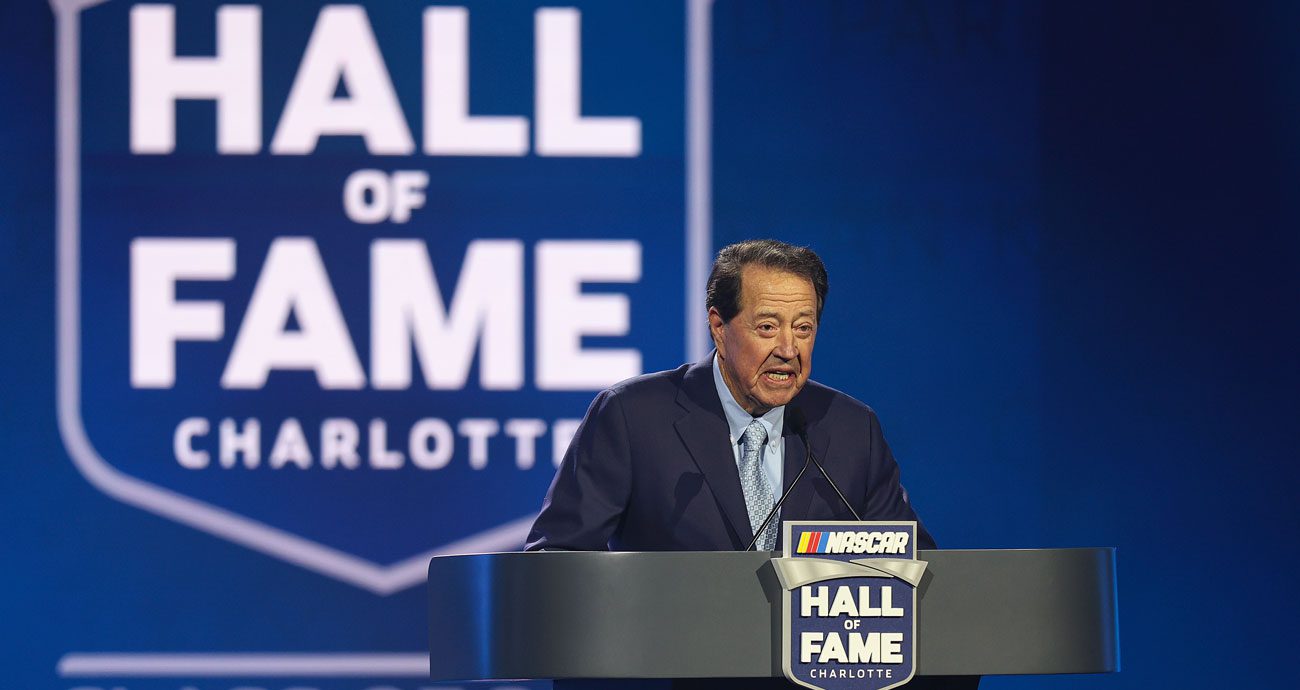
Harry Gant speaks after being inducted into the NASCAR Hall of Fame.
David Jensen | Getty Images

CHARLOTTE, N.C. — From blue collar to blue jacket.

That’s a turn of phrase coined by Kurt Busch, but it could apply equally to the three newest inductees to the NASCAR Hall of Fame.

Drivers Busch, Harry Gant and the late Ray Hendrick, all of whom emerged from relative obscurity to reach the pinnacle of their profession, entered the Hall as the Class of 2026 during Friday night’s induction ceremonies at the Charlotte Convention Center.

RELATED: Members of the NASCAR Hall of Fame

Busch and Gant were elected via the Modern Era Ballot by the NASCAR Hall of Fame Voting Panel. Hendrick was chosen from five Pioneer Ballot nominees.

Also honored on Friday were legendary promoter Humpy Wheeler with the Landmark Award for Outstanding Contributions to NASCAR and veteran reporter Deb Williams with the Squier-Hall Award for Media Excellence.

“From blue collar to blue jacket” — the blazer awarded to each inductee into the Hall of Fame — was Busch’s description at a pre-induction party of his meteoric journey from a hobby racer who worked on his father’s cars in his native Las Vegas to a championship in the NASCAR Cup Series, stock car racing’s foremost division.

After winning the Southwest Tour championship in 1999, Busch graduated to the NASCAR Craftsman Truck Series through team owner Jack Roush’s “Gong Show” audition for prospective drivers.

In 2000, his only full season in trucks, Busch won four times, claimed Rookie of the Year honors and finished second in the series standings behind teammate Greg Biffle. By mid-season, Roush already had earmarked him for a full-time Cup Series ride.

Busch struggled during his first season and finished 27th in the standings, but a year later he rocketed to third in the final rankings after winning at Bristol, Martinsville, Atlanta and Homestead-Miami.

Two years later, Busch won the first Cup championship contested under the 10-race Chase format, despite a freak occurrence in the decisive season finale at Homestead, when his right-front tire broke loose from his No. 97 Ford as the car approached pit road.

RELATED: Kurt Busch reflects on his journey to Hall of Fame

Busch rallied to finish fifth and wrapped the title by eight points over NASCAR Hall of Famer Jimmie Johnson.

Busch, 47, went on to win 34 Cup Series events, tied with Martin Truex Jr. for 26th all-time. His resume includes a victory in the 2017 Daytona 500 and a rare sweep of the NASCAR All-Star Race and Coca-Cola 600 in 2010 at Charlotte Motor Speedway.

The final inductee of the evening, Busch received his Hall of Fame ring from brother Kyle Busch. With 97 victories between them, Kurt and Kyle boast more Cup victories than any other pair of brothers in NASCAR history.

“To be here with the alumni of the NASCAR Hall of Fame, NASCAR executives, the voting panel, team owners, sponsors, my family and friends and the thousands of fans who are watching tonight, this is something I never could have imagined,” Kurt Busch said.

Busch offered special thanks for the support of his parents, Tom and Gaye Busch, and those who encouraged him during his early racing days.

“I was just a blue-collar kid from Las Vegas, with a dream to be a racer,” Busch said. “Thank you, Mom and Dad, for all the support through the years. The work ethic that you instilled in me, and the village of people around me in Las Vegas … you guys were always there to help me out, both on and off the track. Love ya.”

Busch scored his last Cup victory in 2022 at Kansas Speedway in a 23XI Racing Toyota Camry, making him the only driver to win at NASCAR’s highest level for four different manufacturers — Ford, Chevrolet, Dodge and Toyota.

Busch’s versatility as a driver was on full display in 2014, when he finished sixth in a one-off appearance in the Indianapolis 500 before flying to Charlotte to compete in the Coca-Cola 600 on the same day.

RELATED: Relive Harry Gant’s magical September winning streak

Like Busch, Gant got his start racing hobby cars, in his case on the old dirt track at Hickory Motor Speedway.

Unlike Busch, Gant got a late start in NASCAR’s premier division, running his first Cup race for owner Junie Donlavey in 1973 at age 33. It wasn’t until 1979 that Gant decided to sell his construction business and commit to NASCAR racing full-time.

Gant holds two “age” records in NASCAR’s top division. He is the oldest driver ever to win a Cup race, a feat he accomplished at age 52 years, 219 days on Aug. 16,1992 at Michigan. Gant is also the oldest driver to win his first Cup race; he was 42 years, 105 days old when he took his first checkered flag on April 25, 1982, at Martinsville.

Gant is most famous, however, for the streak that earned him the nickname “Mr. September.” Driving the No. 33 Skoal Bandit, which carried him to all 18 of his Cup victories, Gant won consecutive races at Darlington, Richmond, Dover and Martinsville in September of 1991.

In addition to his success in NASCAR’s premier division, Gant also won 21 events in what is now the NASCAR O’Reilly Auto Parts Series.

For his accomplishments, Gant was named one of NASCAR’s 75 Greatest Drivers in 2023.

“Thank you to NASCAR, and the France family, for giving us a Hall of Fame like this and giving us a place to make a living,” Gant said after receiving his Hall of Fame ring from Kyle Petty.

“And thank you to the fans. I owe this to them. I hear from a lot of fans that they voted for me for the Hall of Fame. I thought I’d get in eventually, but I’m proud of everybody that voted for me.”

RELATED: Scenes from Hall of Fame induction ceremony

A prolific racer and prolific winner, Ray Hendrick was a driver who would compete “anywhere and everywhere” — everywhere, that is, where there was prize money at stake.

In a career that spanned nearly 40 years, Hendrick won 44.4% of his starts and finished in the top-five in four of every five races he entered. At the conclusion of his career in the late 1980s, Hendrick had more than 700 wins to his credit in modified and late model sportsman divisions, having earned the moniker “Mr. Modified.”

Winner of 20 races at Martinsville alone — including a sweep of a modified and late model sportsman event on the same day — the Richmond, Virginia, native, named one of NASCAR’s 75 Greatest Drivers, succumbed to cancer in 1990 at age 61.

Though Ray Hendrick and NASCAR Hall of Fame car owner Rick Hendrick are not related by blood, Rick Hendrick was inspired as a teenager in the 1960s while watching Ray Hendrick’s “Flying 11” modified car dominate races in Virginia.

“On behalf of the Hendrick family, we are proud to be here tonight to honor our father, ‘Mr. Modified’ Ray Hendrick,” said Ronnie Hendrick, Ray Hendrick’s son, after receiving the Hall of Fame ring from the inductee’s grandsons, Chuck Hendrick and Ray Hendrick III.

“We would like to thank NASCAR, the NASCAR Hall of Fame and everybody who voted to have him inducted into the Hall of Fame tonight. We also want to thank all of the fans for their support.

“I’m not so sure Ray realized just how many fans he had throughout the years. If our dad was here tonight, he would be so honored and thankful to be recognized among so many other great drivers.”

RELATED: Kyle Busch on his brother Kurt’s entry into Hall of Fame

Wheeler, who passed away last year at age 86, was NASCAR’s first great impresario, a reputation he earned during his 33-year tenure as president and general manager of Charlotte Motor Speedway.

Wheeler’s bold, innovative and often outlandish stunts highlighted the races he promoted, notably the Coca-Cola 600 on Memorial Day weekend, which often featured armed forces maneuvers rife with explosions in the Charlotte infield.

It was Wheeler’s brainchild to bring Janet Guthrie to compete in the 1976 Coke 600 after she failed to qualify for the Indianapolis 500, and it was his vision to light the 1.5-mile track.

Wheeler’s daughters Patti Wheeler and Tracy Hardy accepted the award during Friday night’s ceremonies.

Williams, a pioneering journalist in a field that had been dominated by men, is the 14th winner of the Squier-Hall Award, named for broadcasters Ken Squier and Barney Hall.

Williams began her career at United Press International (UPI) as one of the first female NASCAR reporters and spent 18 years with Winston Cup Scene — 10 of those as editor of the definitive racing magazine.

Citing the contributions of Squier and Hall, Williams said, “To me, this award is the Mt. Everest of Motorsports journalism awards. So, to receive this award tonight means I have reached the top of Mt. Everest in my profession.”

During the ceremony, NASCAR Hall of Fame executive director Winston Kelley also recognized 1960 NASCAR Cup champion Rex White and veteran driver Greg Biffle, who died in 2025.

Biffle, who was killed in a private plane crash along with his wife and two children, is the recipient of the NMPA Myers Brothers Award and the inaugural North Carolina Motorsports Association’s philanthropy award.
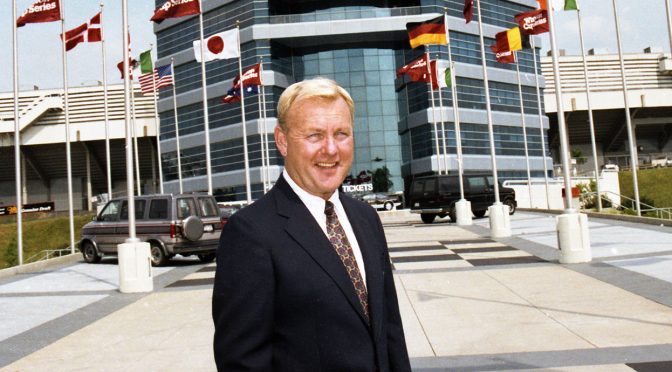
Humpy Wheeler, the innovative track promoter whose bold ideas helped reshape the modern NASCAR fan experience, was honored Friday night with the NASCAR Hall of Fame’s Landmark Award at the Charlotte Convention Center in Charlotte, North Carolina.

Best known for his 33-year tenure leading Charlotte Motor Speedway, Wheeler’s name became synonymous with promotion and innovation as he helped transform the 1.5-mile facility into one of the sport’s premier destinations. Wheeler, the 2026 Landmark Award recipient in the Executive category, died Aug. 21, 2025, at age 86.

MORE: Landmark Award honoree Wheeler dies at 86 

“Humpy Wheeler was a visionary whose name became synonymous with promotion and innovation in our sport,” NASCAR Chairman and CEO Jim France said following Wheeler’s passing. “During his decades leading Charlotte Motor Speedway, Humpy transformed the fan experience through his creativity, bold ideas and tireless passion.”

Wheeler’s showmanship became a defining part of NASCAR’s big-event atmosphere, particularly through imaginative — and often over-the-top — pre-race spectacles that became the talk of the industry. Those productions ranged from school-bus stunts and massive fireworks displays to Robosaurus, the towering, fire-breathing mechanical robot known for crushing cars, along with elaborate recreations of military operations.

Wheeler’s influence extended beyond entertainment, however. Under his direction, Charlotte Motor Speedway set the pace for facility innovation, becoming the first track to build on-site condominiums, offer fine dining overlooking the racing surface and stage major events under the lights.

Perhaps his most lasting innovation came in 1992, when Wheeler’s vision helped bring night racing to NASCAR’s top level with the NASCAR All-Star Race at Charlotte. The event’s success helped spark an era in which night racing became a staple on the Cup Series schedule.

NASCAR Hall of Fame profile: Humpy Wheeler

Wheeler’s path into motorsports promotion started early, and his career eventually led him to Charlotte in late 1975. He was named vice president and general manager in 1976 and later served as president of both Charlotte Motor Speedway and Speedway Motorsports Inc.

In addition to his work at the track, Wheeler helped develop the Legends car concept, scaled-down race cars that have become a cornerstone of grassroots racing across the country.

Wheeler retired from Charlotte in 2008, closing that chapter with the Coca-Cola 600. His impact, however, remains stitched into the fabric of modern race-day presentation and intricately intertwined with NASCAR’s growth as a national sport.