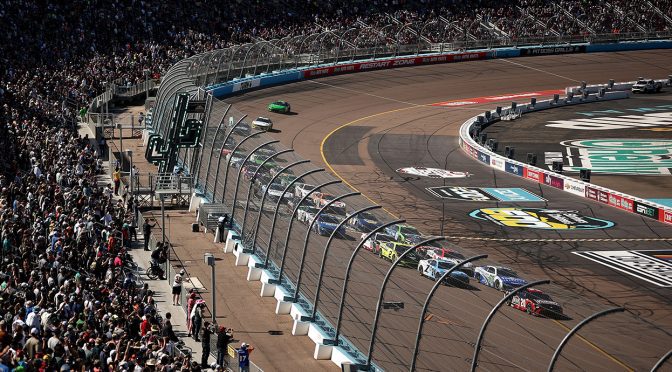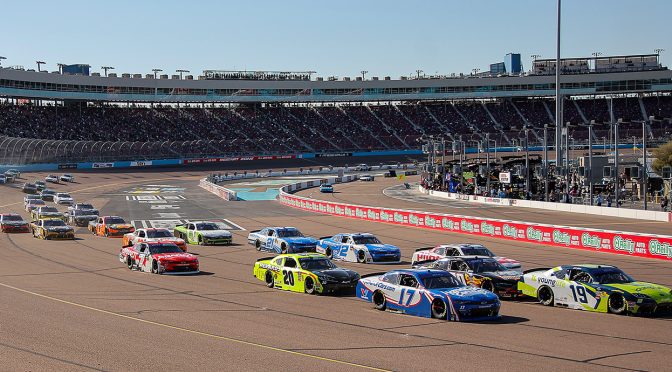
Three weeks into the 2026 campaign, the NASCAR O’Reilly Auto Parts Series has provided no shortage of drama and storylines. From a popular first-time winner to some surprises toward the top of the standings (and maybe some rivalries formed along the way), this season is already as compelling as ever.
See what’s stood out so far in the O’Reilly Series and the storylines that are emerging heading into Saturday’s race at Phoenix Raceway (7:30 p.m. ET, The CW, MRN Radio, SiriusXM NASCAR Radio).
RELATED: Starting lineup | Phoenix weekend schedule
Hot start for RCR … will it stick?
It probably shouldn’t be a surprise that Richard Childress Racing paces the early standings, but here we are again.
Austin Hill has a 28-point lead over teammate Jesse Love, marking the second year in a row the duo is 1-2 after three races, and the fourth consecutive season Hill leads after the third race. The 31-year-old from Winston, Georgia, won the opener at Daytona for the fourth time in five years, and quietly came home second last weekend at Circuit of The Americas. Sandwiched in between: a 12th-place finish at EchoPark Speedway. Hill nearly went back-to-back to open 2026, but contact battling for the win on the final lap with Ross Chastain at EchoPark resulted in a long slide through the final set of corners. Had he won at the Atlanta-area drafting track, we could be talking about a 50+ point lead for the series veteran.
For Love, he’s the only driver with top 10s in all three races thus far. He’s earned the fourth-most stage points and owns the second-best average running position (5.3, only to Hill).
But the question is: can this be sustained?
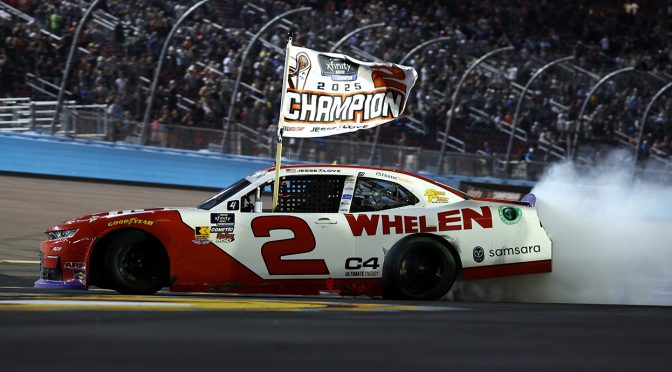
Eleven of Hill’s 15 career victories are at drafting tracks. Two of Love’s three are as well, but the outlier came last fall at Phoenix, the site of his championship triumph. But as the season progresses, even as both drivers have shown sustained consistency in a postseason format where that matters, we’ll see if the duo can bank more wins at traditional tracks to stave off the rest of the field.
MORE: How to watch O’Reilly Series racing on The CW
Is the dam broken for Sheldon Creed?
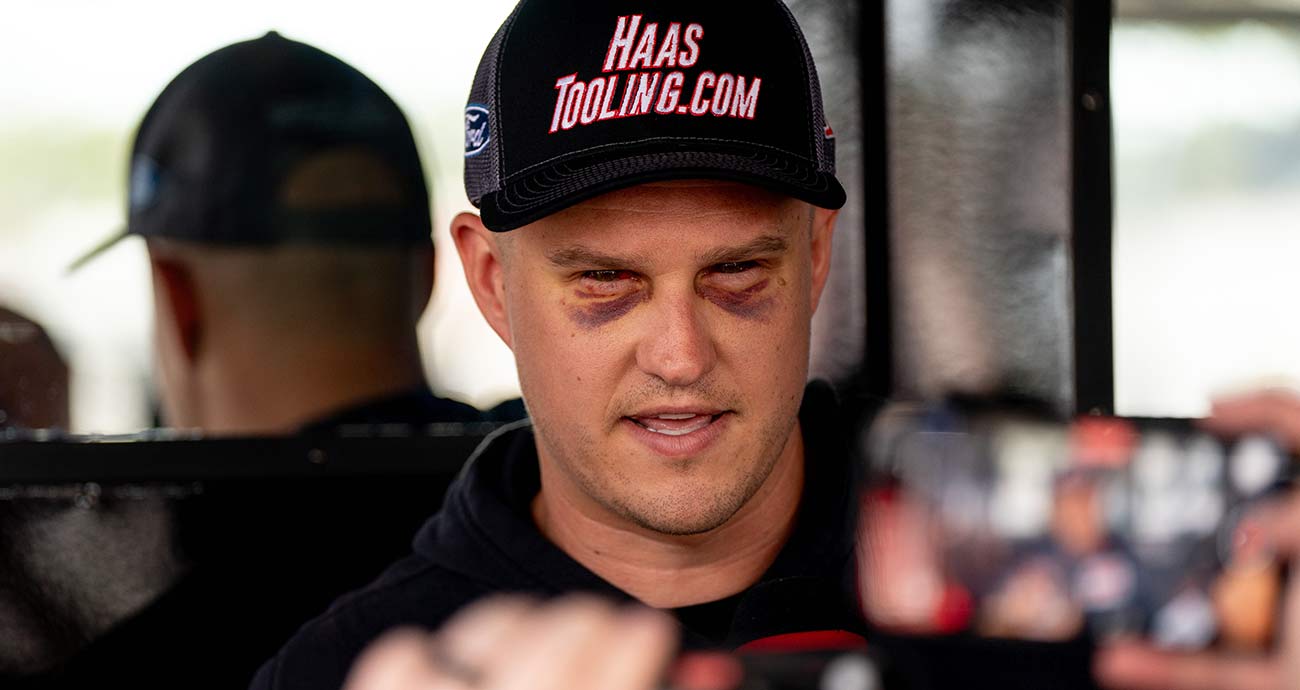
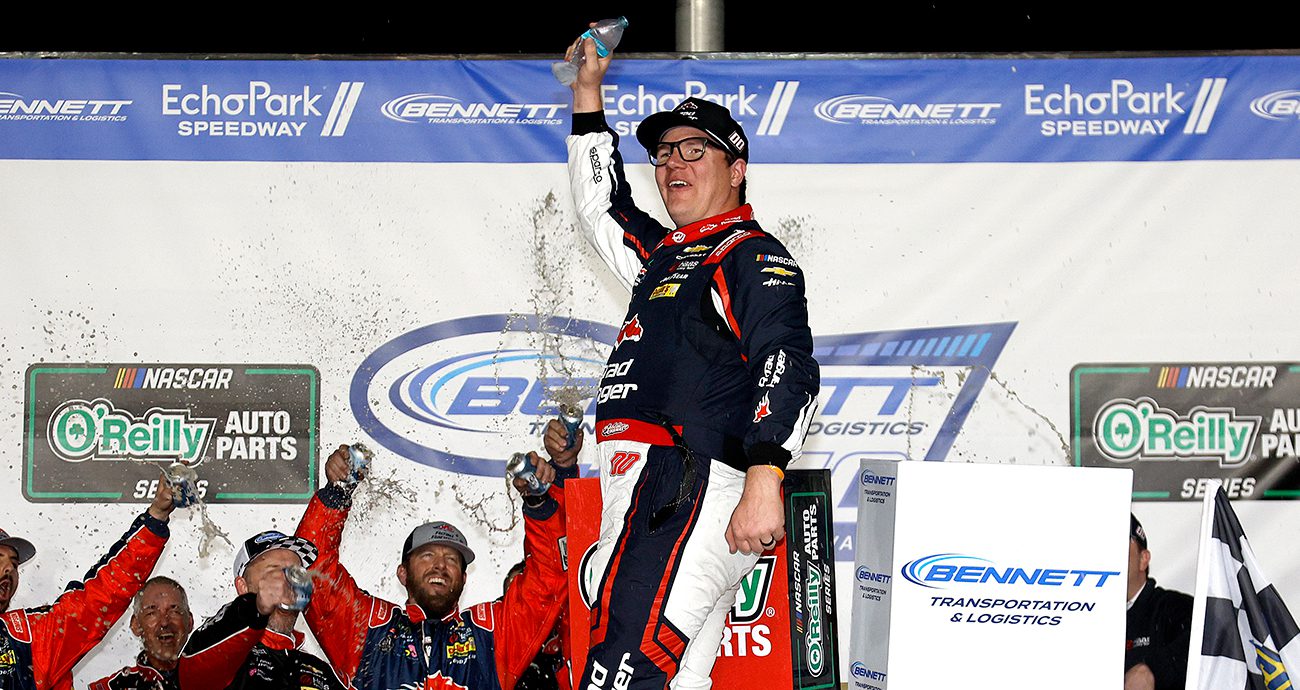
The monkey finally flew off Sheldon Creed’s back.
After Hill’s final-turn slide at EchoPark, that (almost quite literally) opened the door for Creed to score his highly anticipated first victory in the O’Reilly Series. The 28-year-old from Alpine, California, had recorded 15 runner-up finishes — a record for most before scoring a win. He’s been with three different organizations since his full-time O’Reilly career began in 2022, and the former Craftsman Truck Series champion began wondering if he was good enough to compete at the national series level.
Now that he’s scored that elusive first victory, what’s next?
With newfound confidence in his sails, the sky is seemingly the limit for the O’Reilly Series veteran. While 2025 was statistically a down year, with half as many top fives (8) logged as in 2024 (16), he’s shown the ability to succeed at all types of tracks. His 11.7 average finish in 2024 placed him fourth-best among full-time competitors, with two of the three ahead of him no longer in O’Reilly competition.
With Haas Factory Team in Year 1 under the Chevrolet camp, all the ingredients are there for a prove-it type season for Creed and the No. 00 team.
Early surprises
Through the opening races of 2026, a few surprise names have thrust themselves into the early mix — and as it stands, the provisional Chase cutoff.
Parker Retzlaff — in his first season wheeling the Viking Motorsports No. 99 Chevrolet — sits ninth in points, jumping as high as fifth after a runner-up at EchoPark. He’s scored the eighth-most stage points thus far, in the mix with some of the top contenders from championship organizations. Retzlaff is no stranger to maximizing his equipment, though. He’s earned 16 career top 10s in 110 starts, finishing as high as 16th in points three seasons ago with Jordan Anderson Racing. According to Racing Insights, he’s also one of three drivers with 11 or more consecutive races while running at the finish.
Alpha Prime Racing’s Brennan Poole is in the same boat; the series veteran is currently 12th in the standings. That, however, could’ve easily been much higher. Poole had a shot to win Daytona, but on the final lap, got shuffled to 12th going for Victory Lane. He came home 19th at EchoPark and flew under the radar en route to his first top 10 of the season at COTA. Poole owns a pair of top-10 points finishes from 2016 and 2017, and in two full-time seasons with the Tommy Joe Martins-owned organization, he has placed 16th and 19th overall, respectively.
MORE: O’Reilly Series standings
How does Corey Day move forward?
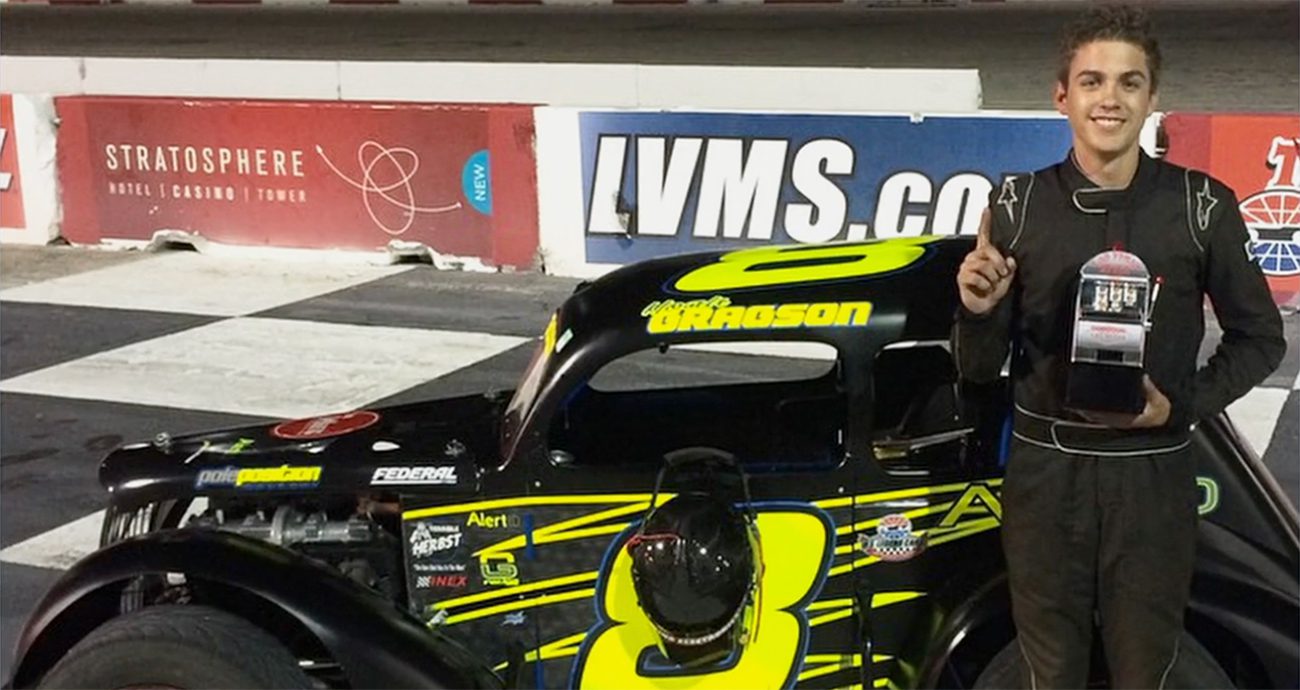
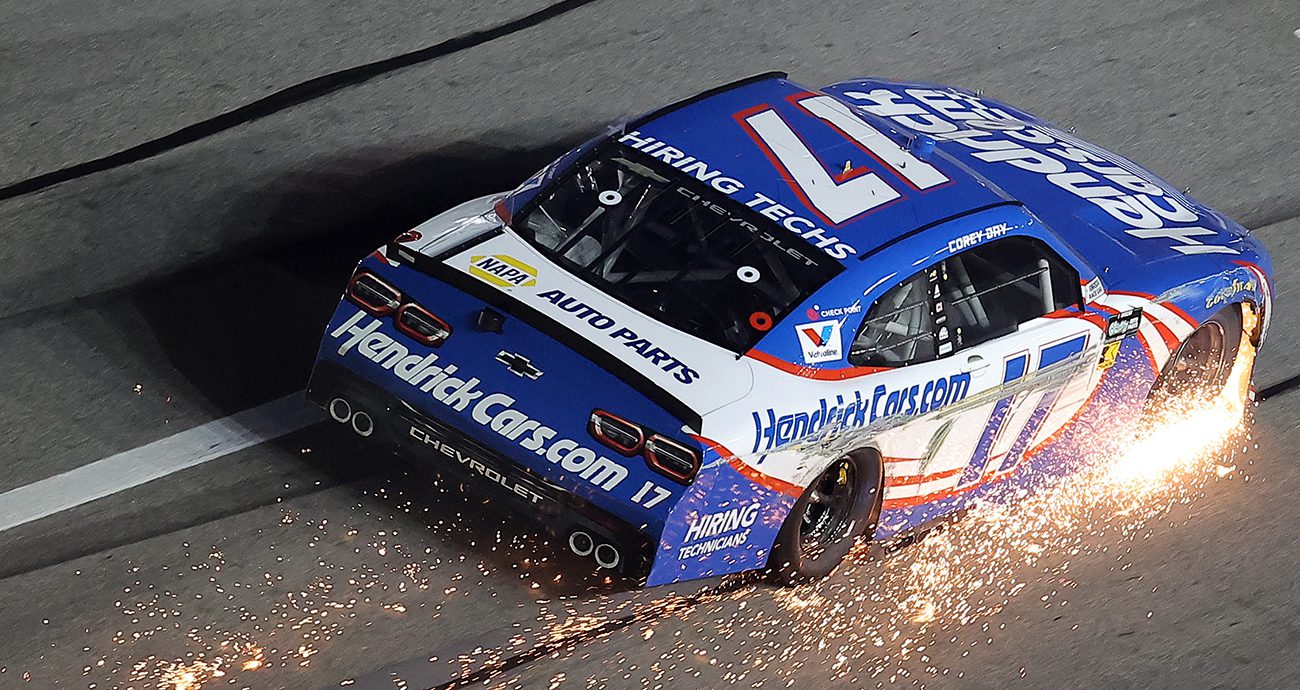
With a pair of top fives in three races, it’s been an overall strong start for Corey Day in his first full-time season with Hendrick Motorsports.
But he’s made plenty of noise along the way.
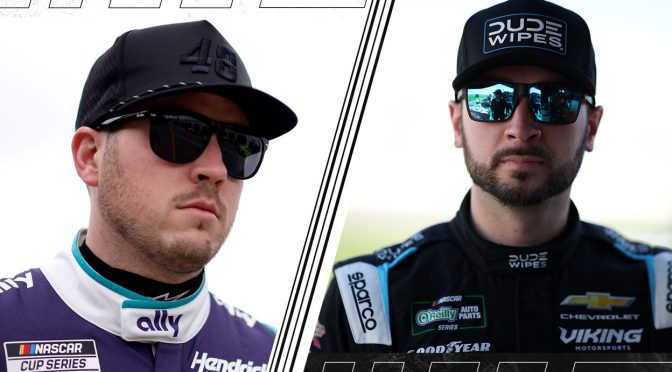
A sprint car star transitioning to the NASCAR ranks, Day, 20, was under scrutiny multiple times two weeks ago at EchoPark, and again in the final laps at COTA. On Lap 5 at EchoPark, Day and Ryan Sieg made contact, triggering a multicar crash down the frontstretch before a later run-in with Carson Kvapil and Justin Allgaier battling for the lead. Last week, jockeying for top-five positioning, Day misjudged the exit of a corner and sent Connor Zilisch around just before the esses.
Day later owned up to the Zilisch mistake during an interview with The CW, but in a sense, the dirt-racing prodigee could have a target on his back moving forward. As the season progresses and he heads to tracks for just the first or second time, it’ll be about balancing aggression as he develops a brand-new race craft.
Phoenix: A statistical stronghold for JGR
While JR Motorsports’ Justin Allgaier often comes to mind at Phoenix, it’s been Joe Gibbs Racing as a whole that’s dominated the 1-mile desert oval.
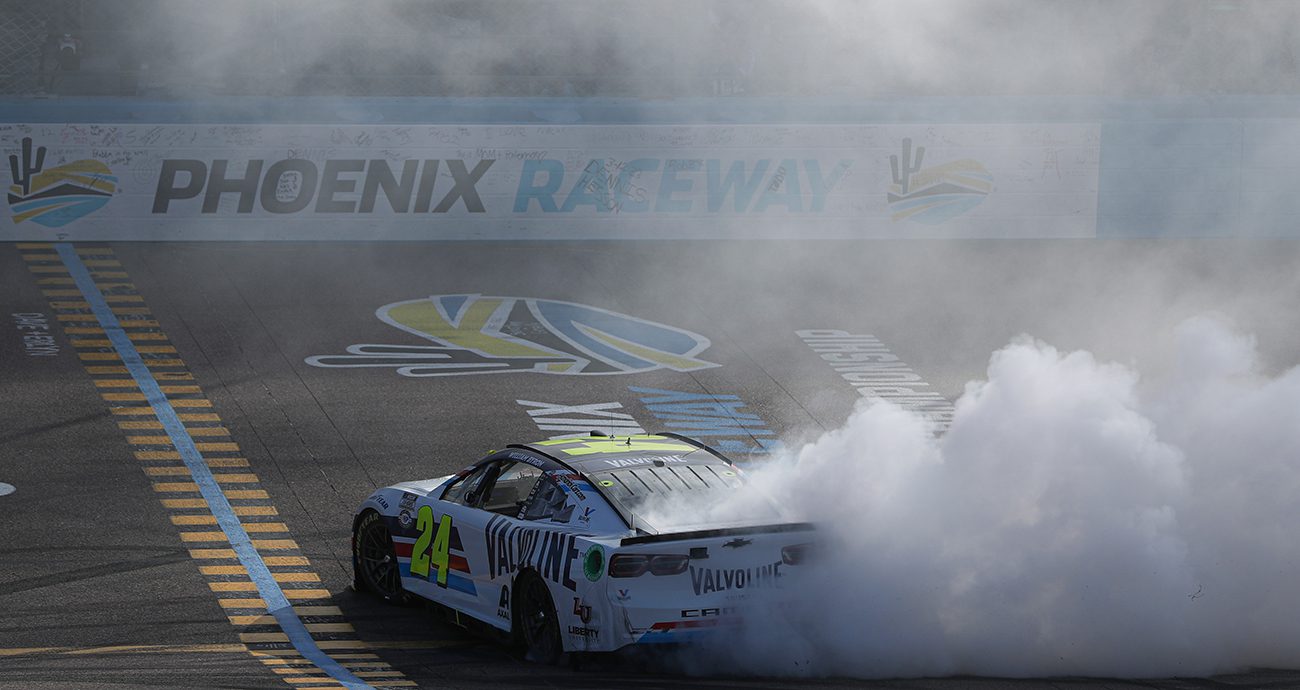
According to Racing Insights, the organization has won one of the two annual races each season dating back to 2018, including the last three springtime events. JGR has team records in wins, top fives, top 10s, laps led and stage wins compared to any other track. Including Taylor Gray’s pole on Friday, JGR’s 24 poles are an O’Reilly Series best for most top starting spots by any team at any track.
While Aric Almirola, the defending winner, isn’t in the field, the four-car stronghold still has a strong case to keep the streak alive. Brandon Jones is a former Phoenix winner with the organization in 2020. Gray, in two starts, has a pair of top 10s. William Sawalich won the pole in fall 2024, and Brent Crews, making his second career start, has high expectations for his rookie season.
So will Saturday’s race at Phoenix be JGR vs. the field? The stats prove it very well could be.