HEALTHY ENVIRONMENTS
Over the past three years, we analyzed emissions across our business and implemented strategies across NASCAR race cars, events, and facilities to reduce energy consumption and use cleaner energy; decrease waste sent to landfill and encourage circularity; and educate and inspire others.
For the full story on NASCAR’s Healthy Environments pillar, view the 2025 NASCAR IMPACT Report.
OUR AREAS OF FOCUS

ENERGY
OUR GOAL
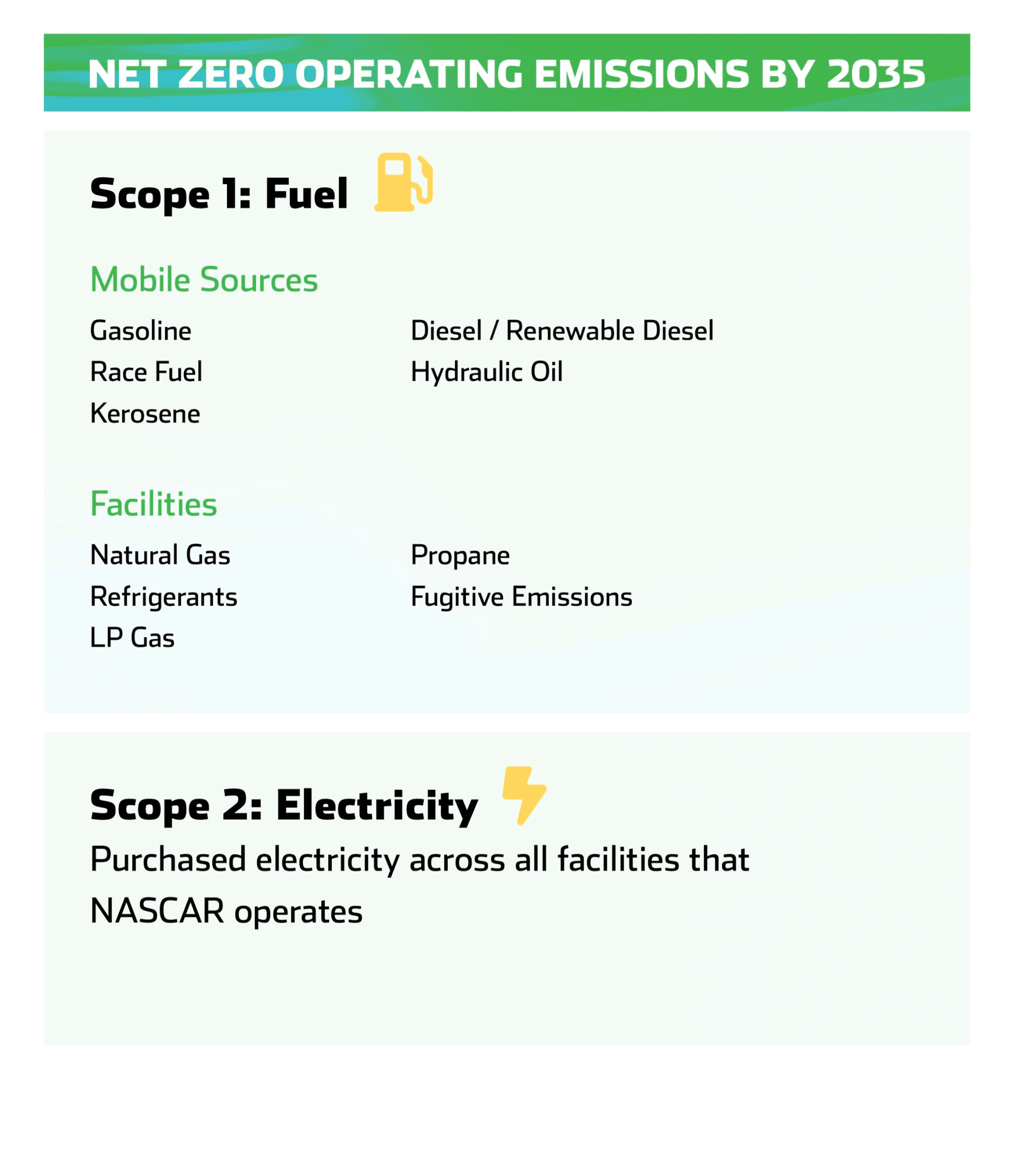
In 2023, NASCAR set a goal to achieve net zero operating emissions by 2035. Simply put, this goal applies to the fuel and electricity we consume in our operations at NASCAR-owned racetracks and league offices. Over the next 10 years, we need to reduce the energy we consume as a business and significantly increase our use of cleaner, more renewable energy sources across race cars, events and facilities.
ACCELERATING THE SHIFT TO CLEANER POWER: NASCAR x ABB
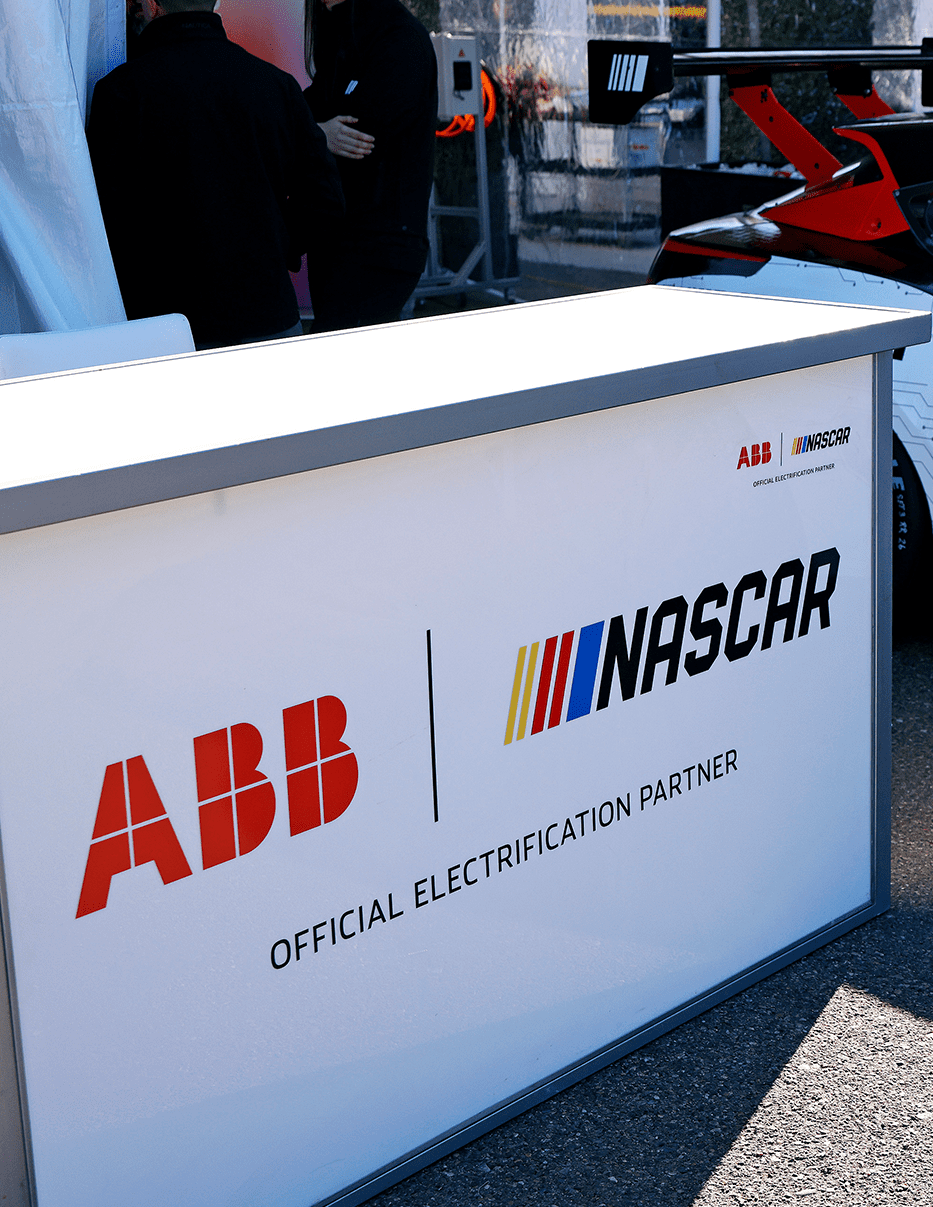
In 2024, NASCAR and ABB united to accelerate the electrification transition. As a founding partner of NASCAR IMPACT, ABB brings decades of experience in electrification and industrial automation to help us transform core operations in pursuit of our 2035 goal. Together, we’re exploring new technologies and advancing cleaner energy solutions.

Inspiring Innovation
Through the ABB NASCAR Electrification Partnership, NASCAR’s first electric racecar, the ABB NASCAR EV Prototype, was launched at the Chicago Street Race in July 2024. It was built by NASCAR engineers in collaboration with Chevrolet, Ford and Toyota. It features:
· Regenerative braking that converts kinetic energy into power and three STARD UHP 6-Phase motors (one front, two rear)
· Unique tires from Goodyear made from more sustainable materials, with a Sightline data intelligence monitoring system
· Crossover Utility Vehicle (CUV) body made of BComp, a sustainable flax-based composite
ENERGY SPOTLIGHT
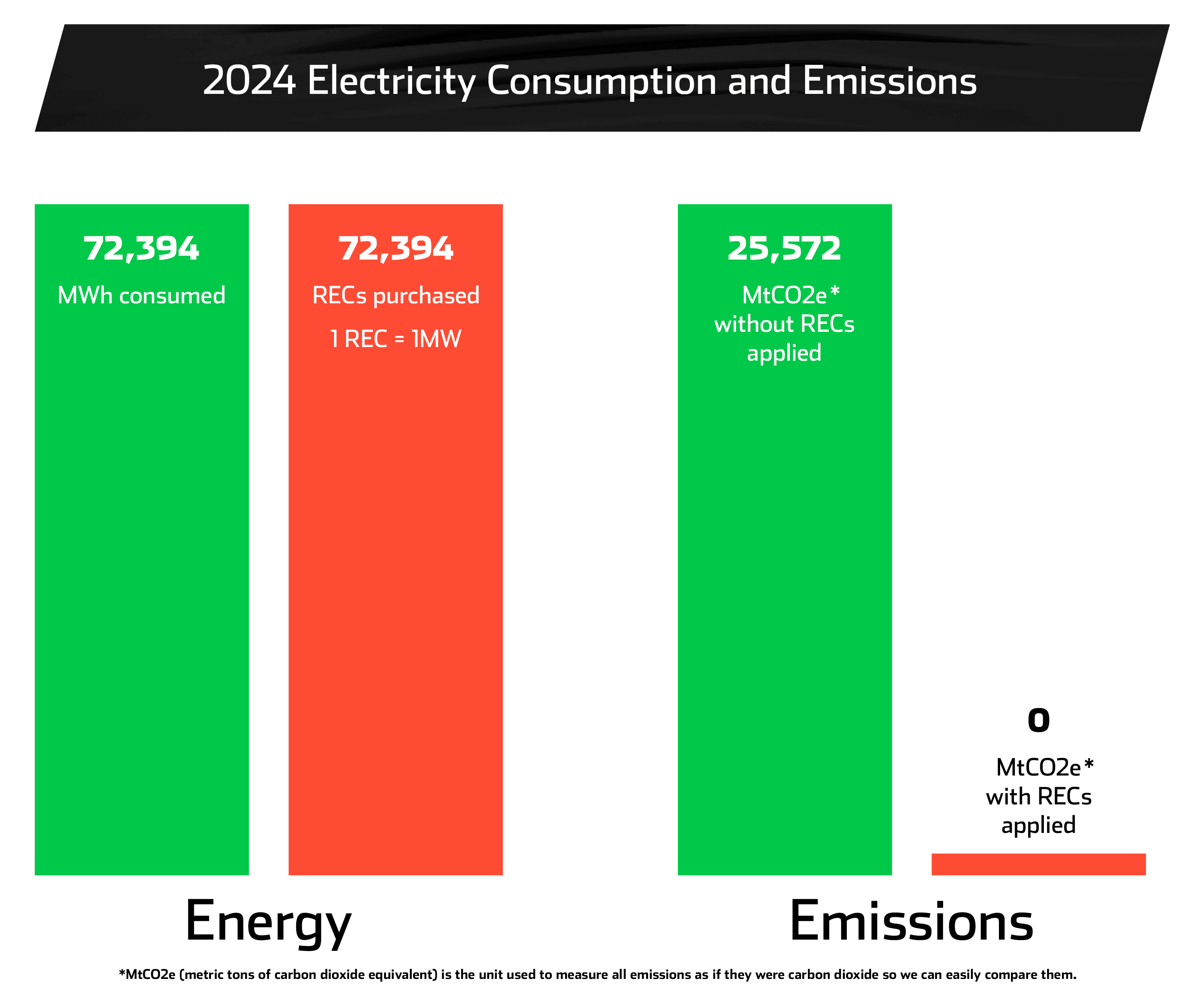
In 2024, NASCAR made a five-year commitment to source 100% renewable energy at all our facilities. We hit that target through a track partnership with NextEra Energy. NASCAR purchased Green-e Certified renewable energy credits (RECs) from wind farms in the U.S. that covered the 2024 electricity consumption at all NASCAR-owned facilities, per market-based accounting. RECs provide proof that a set amount of clean energy (like wind or solar) was generated and added to the electric grid.
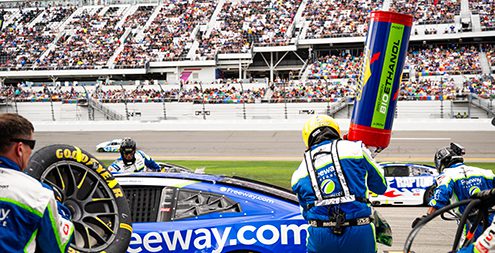
Every NASCAR National Series is powered by Sunoco race fuel with zero-carbon bioethanol. This high-performance unleaded fuel blend consists of 15% zero-carbon bioethanol and 85% gasoline. Bioethanol’s high-octane properties enhance engine performance while contributing to lower carbon intensity and cleaner combustion — benefits that support a healthier environment for every driver, crew member, and fan at the track.
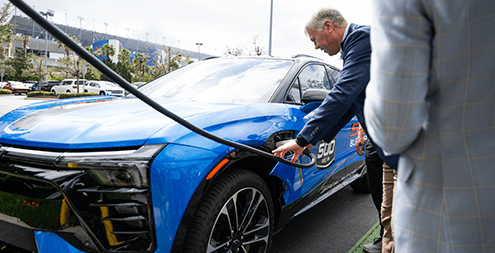
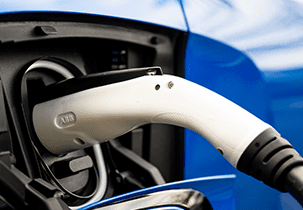
NASCAR is expanding electric vehicle (EV) charging infrastructure across our facilities to support a growing electric fleet. With Florida Power & Light, we installed 30 new ABB chargers at our Daytona Beach HQ in 2025, which are free for employee and industry use. ABB CEO Morton Wierod was onsite for the unveiling ahead of the 2025 Daytona 500.
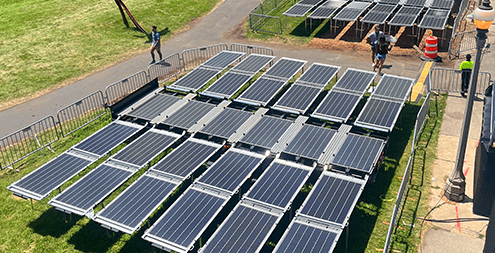
We are also working to reduce generator emissions at our events. At the 2024 Chicago Street Race, we introduced hybrid units, meaning a battery is the primary energy source, with the diesel generator only turning on for 2-3 hours a day to charge the battery. Additionally, mobile solar panels were deployed to power all low-voltage power in the premium hospitality structure.
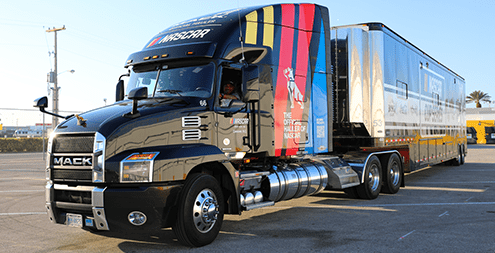
In 2024, NASCAR’s 17 Mack Anthem haulers traveled 805,366 miles. To reduce emissions, we began testing renewable diesel. This cleaner-burning fuel works in existing engines and is made from sources like wood waste and used cooking oil.
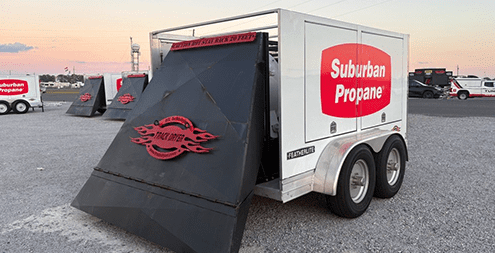
NASCAR and Official Partner Suburban Propane introduced the sport’s first propane-powered track dryer in 2025, replacing four of the jet fuel units traditionally used to dry tracks after it rains. The shift to propane will lead to an estimated 58% reduction in emissions per dryer - an important step while we work towards a long-term solution.
WASTE & CIRCULARITY
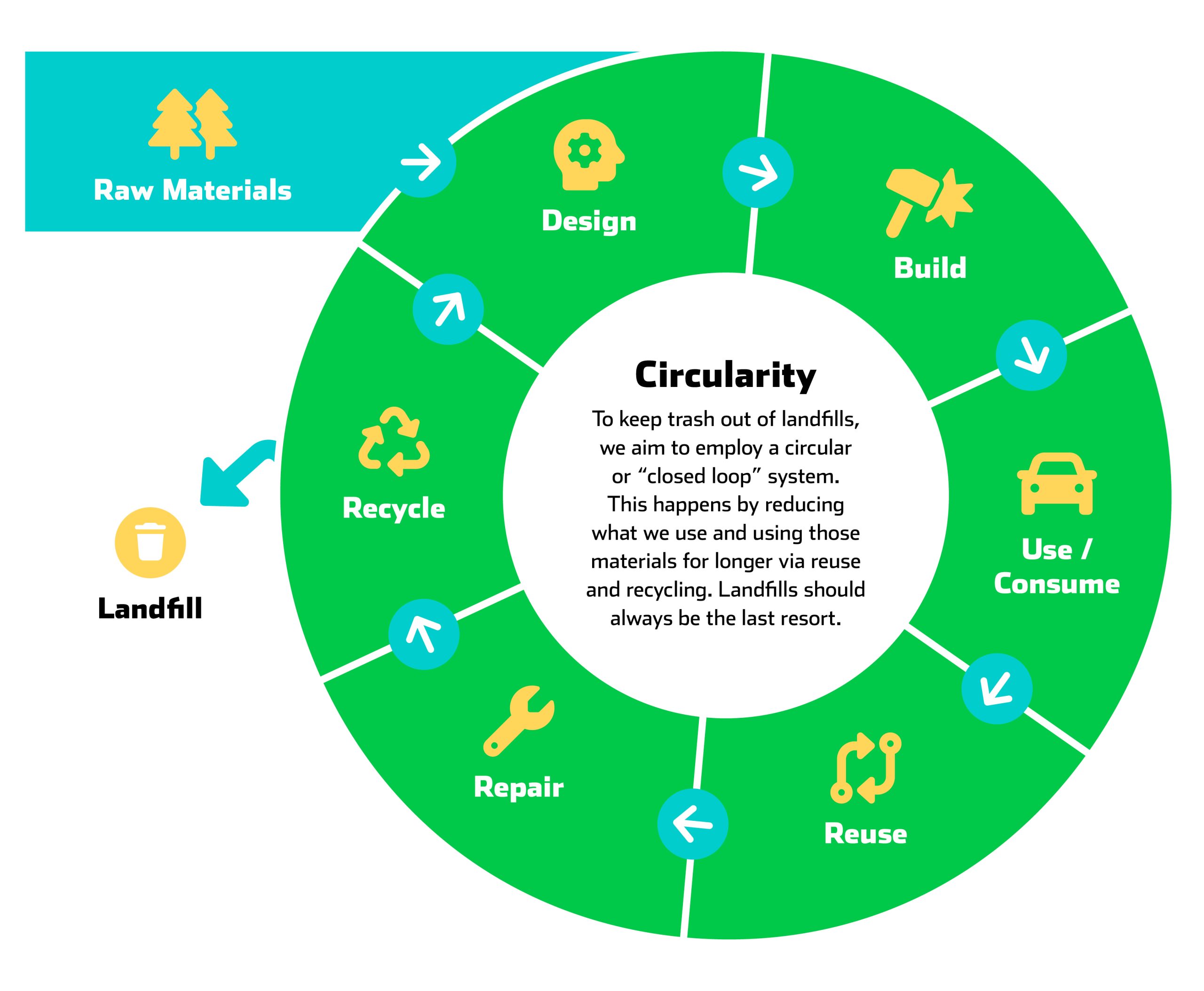
Efficient and responsible material use prevents pollution, conserves natural resources and keeps trash out of landfills. Landfills across the country are filling up, which means more taxpayer dollars and land needed to expand them. Landfills also release methane, a powerful gas that warms our planet. By reducing our trash, we can save money, protect the spaces we love and keep the air in our communities cleaner.
OUR GOAL
Our goal is to implement waste reduction plans across all NASCAR events by 2030. Building on NASCAR’s 2023 goal of recycling at all racetracks and offices by 2028, our new goal prioritizes waste reduction and allows us to scale multiple solutions to reduce what we’re sending to landfill across food, events and race cars.
GROWING IMPACT THROUGH COMPOST
In 2024, NASCAR concessionaire Levy Restaurants facilitated the donation of 11,400 pounds of untouched food from Cup race weekends to families facing food insecurity across NASCAR communities. What couldn’t be donated was composted.
Across select offices and events, we compost food scraps and certified compostable items - 67,097 pounds in 2024. In 2025, NASCAR, Levy and Denali, the nation’s largest organic recycler, joined forces to compost back-of-house at all NASCAR Cup Series races at NASCAR-owned tracks. This effort turns food scraps into valuable nutrients for agriculture, while reducing landfill waste and emissions.
WASTE & CIRCULARITY SPOTLIGHT
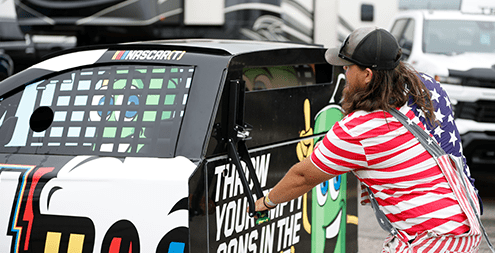
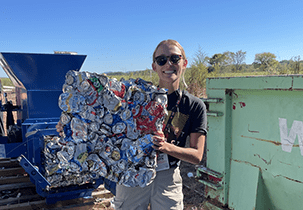
NASCAR-owned tracks recycled 121.93 tons of aluminum cans, plastic bottles and cardboard during 2024 Cup Series weekends (the equivalent weight of about 72 Cup cars). We are improving the collection process at each track to recycle more material.
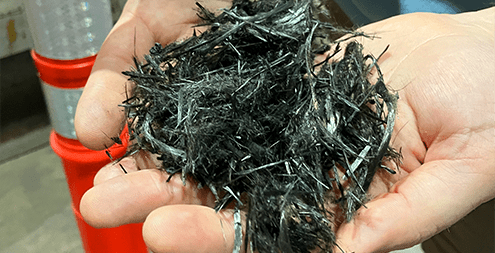
Under NASCAR R&D leadership, 14 race teams recycle scrap carbon fiber and fiberglass. Since the initiative launched in 2024, more than 12 tons of material have been recycled. We will continue to work with Carbon Fiber Recycling to further this effort, keeping valuable materials in circulation and out of landfills.
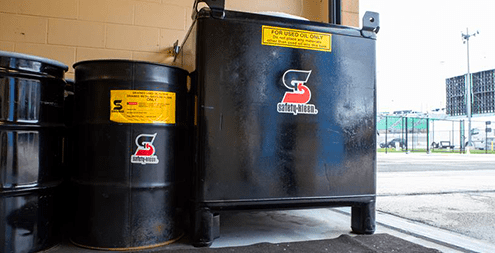
Official Partner Safety-Kleen collects used motor oil during race weekends to ensure responsible cleanup of hazardous materials. They support NASCAR year-round by collecting used oil from race operations and team shops and re-refining it into high-quality base oil. This program recycles about 13,000 gallons of used motor oil annually– enough to complete 23,400 laps on Daytona International Speedway!
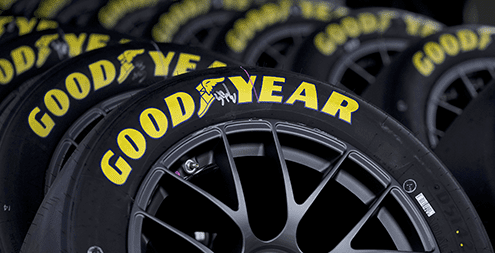
Goodyear, the Official Tire of NASCAR, supplies tires for NASCAR’s three national series. Goodyear collects used tires after each race and recovers them for beneficial reuse, including recycling them into new products. Each year, Goodyear recycles around 100,000 NASCAR tires.
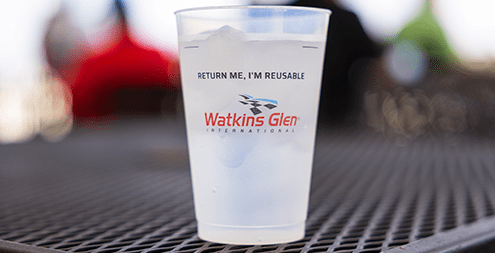
NASCAR is taking steps to cut waste beyond recycling, like introducing fan-facing water refill stations at all NASCAR-owned tracks. We’re also reducing single-use plastic by investing in reusable cups. In 2025, Watkins Glen International became our first track to launch a long-term reuse program with 20,000 reusable cups and return bins introduced in premium areas.
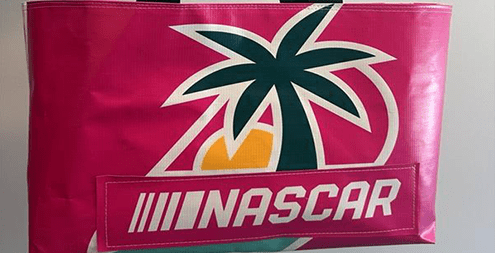
Upcycling is the process of turning something used into a new item, like Homestead-Miami Speedway partnering with a local artist to upcycle 100 banners into bags or NASCAR working with Chicago Candle Co. to transform 1,000 wine & champagne bottles from the 2024 Chicago Street Race and local restaurants into candles, used as corporate gifts.
CARBON MEASUREMENT
NASCAR tracks its carbon emissions so we know where to reduce and how to improve. After establishing our baseline in 2022, we are strengthening our data collection process each year and using it to advance reduction efforts.
When measuring carbon emissions, we group them into three “scopes” to explain where they come from:
- Scope 1: Fuel burned in NASCAR-owned or controlled operations, including at our facilities and events (i.e., generators, fleet vehicles, race cars and heating our facilities).
- Scope 2: Electricity we purchase and use in our facilities.
- Scope 3: Other activities connected to our business, such as logistics and supply chains.
2024 NASCAR EMISSIONS
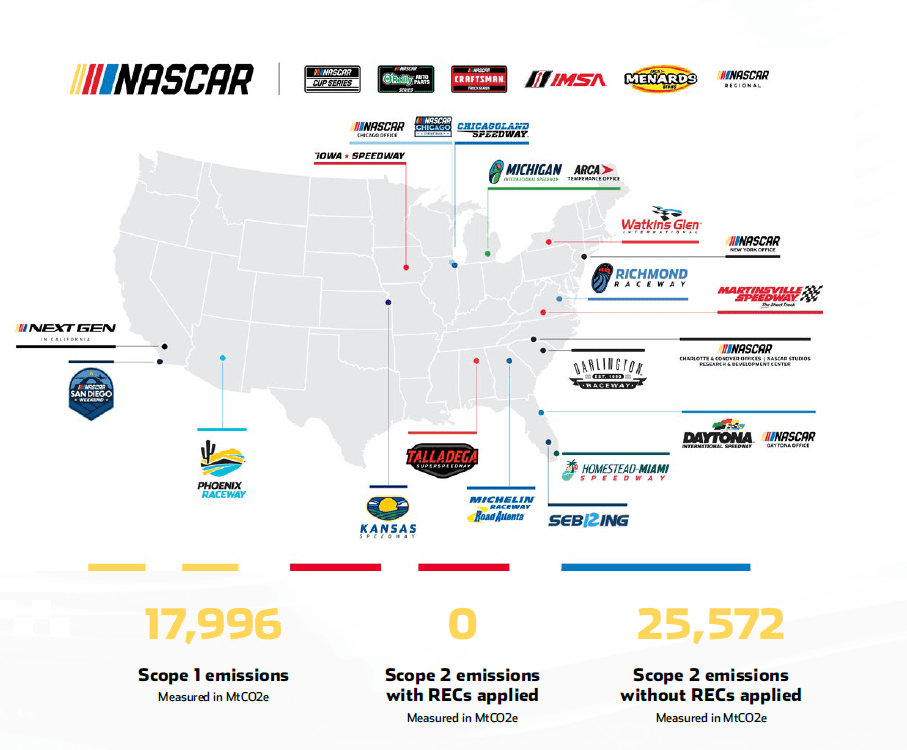
- Scope 1 Emissions: 17,996 MtCO2e
- Scope 2 Emissions (market-based): 0 MtCO2e (via procuring renewable energy credits)
- Scope 2 Emissions (location-based): 25,572 MtCO2e
OUR GOALS
Our goals are to reach net zero operating emissions by 2035 and publish a full scope 3 reduction plan by 2030.
Net zero operating emissions focus on emissions from our core operations (scopes 1 and 2). This includes the 15 racetracks that we own, nine office locations and core operations across the racing series that NASCAR owns and operates.
To achieve our 2035 goal, we are investing in clean energy, implementing energy efficient technology and electrifying equipment where feasible. We plan to continue investing in NextEra RECs, while also working toward onsite solar installations to generate clean energy locally and add renewable power to the electric grid.
In addition to operating emissions, we measure scope 3 activities but are not currently reporting these numbers. Our goal is to improve the measurement of these activities across our value chain and develop a strategy to address those emissions by 2030.