


HEALTHY ENVIRONMENTS
Over the past four years, we analyzed emissions across our business and implemented strategies across NASCAR race cars, events, and facilities to reduce energy consumption and use cleaner energy; decrease waste sent to landfill and encourage circularity; and educate and inspire others.
For the full story on NASCAR’s Healthy Environments pillar, view the 2026 NASCAR IMPACT Report
OUR AREAS OF FOCUS

ENERGY
OUR GOAL
In 2023, NASCAR set a goal to achieve net-zero operating emissions by 2035. Simply put, this goal applies to the fuel and electricity we consume in our operations at NASCAR-owned racetracks and league offices. Over the next decade, we need to reduce the energy we consume as a business and significantly increase our use of cleaner, renewable energy sources across race cars, events and facilities.
POET SPOTLIGHT
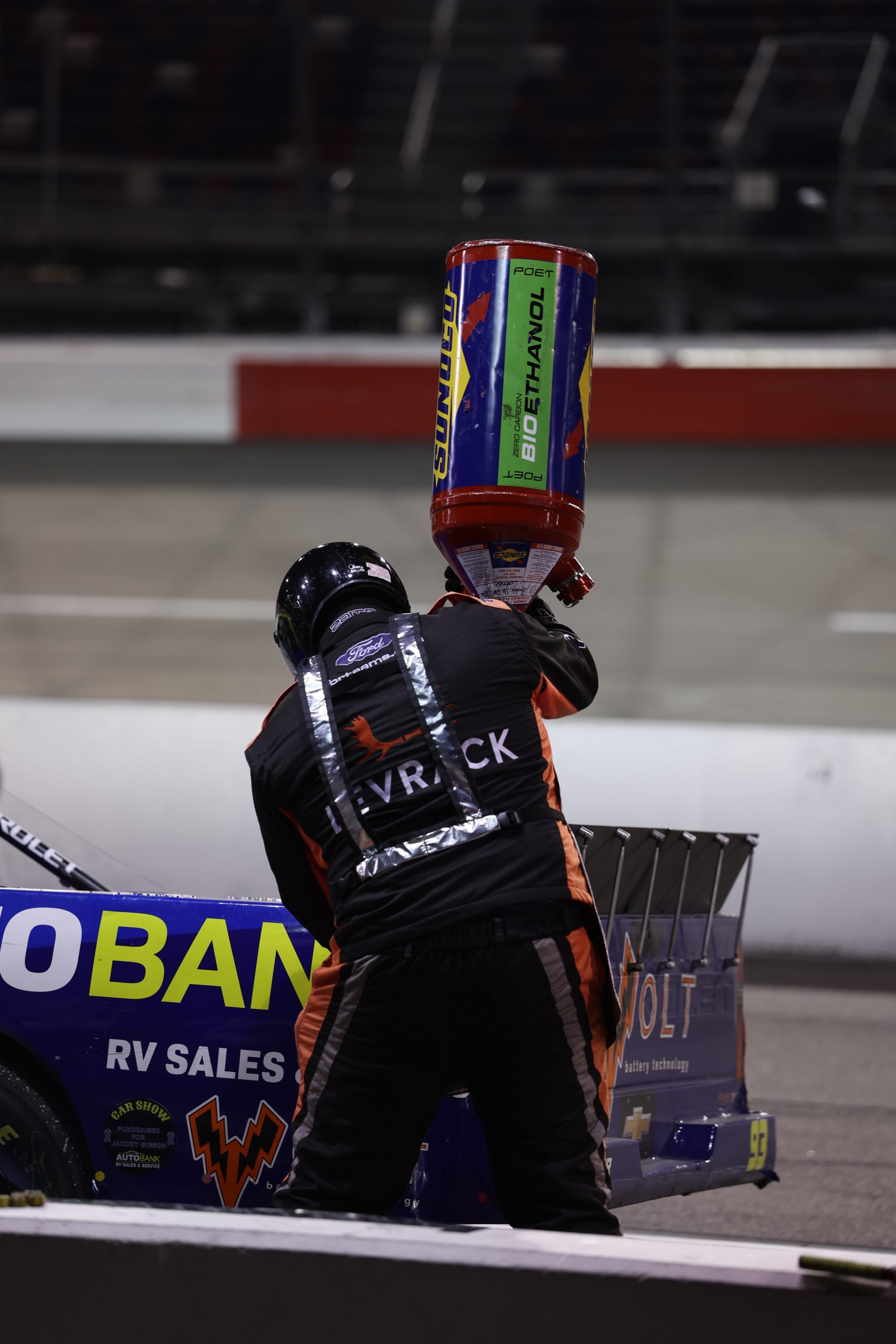
RACE FUEL IN TRANSITION: NASCAR X POET
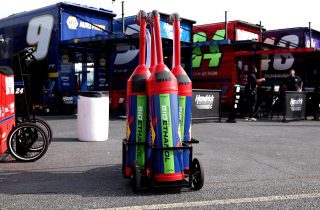
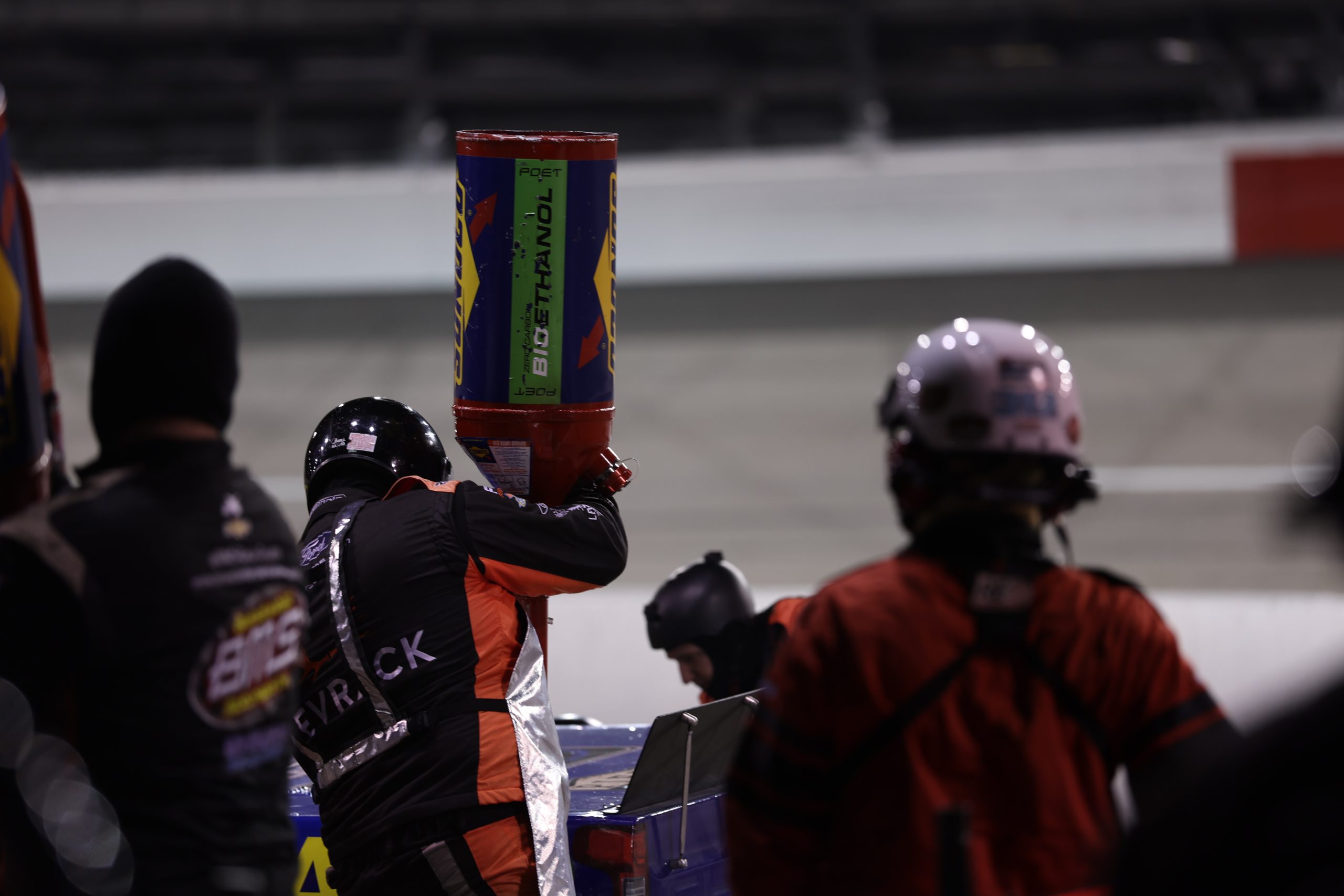
NASCAR National Series uses a Sunoco race fuel blend consisting of 15% bioethanol and 85% gasoline. In 2026, POET became the Official Bioethanol Partner of NASCAR IMPACT, providing bioethanol produced with net-zero lifecycle carbon emissions, as independently verified by SCS Global Services.
Made from corn grown by more than 30,000 American farmers, POET's bioethanol is produced using regenerative agricultural practices, advanced bioprocessing and carbon capture technologies to achieve net-zero lifecycle carbon emissions.
As a global leader in biofuels, POET brings innovative biotechnology and agricultural practices that support rural communities and domestic energy production. Using POET's bioethanol in Sunoco race fuel supports NASCAR's efforts to achieve net-zero operating emissions by 2035 while maintaining the performance expected on the racetrack.
ACCELERATING THE SHIFT TO CLEANER POWER: NASCAR x ABB
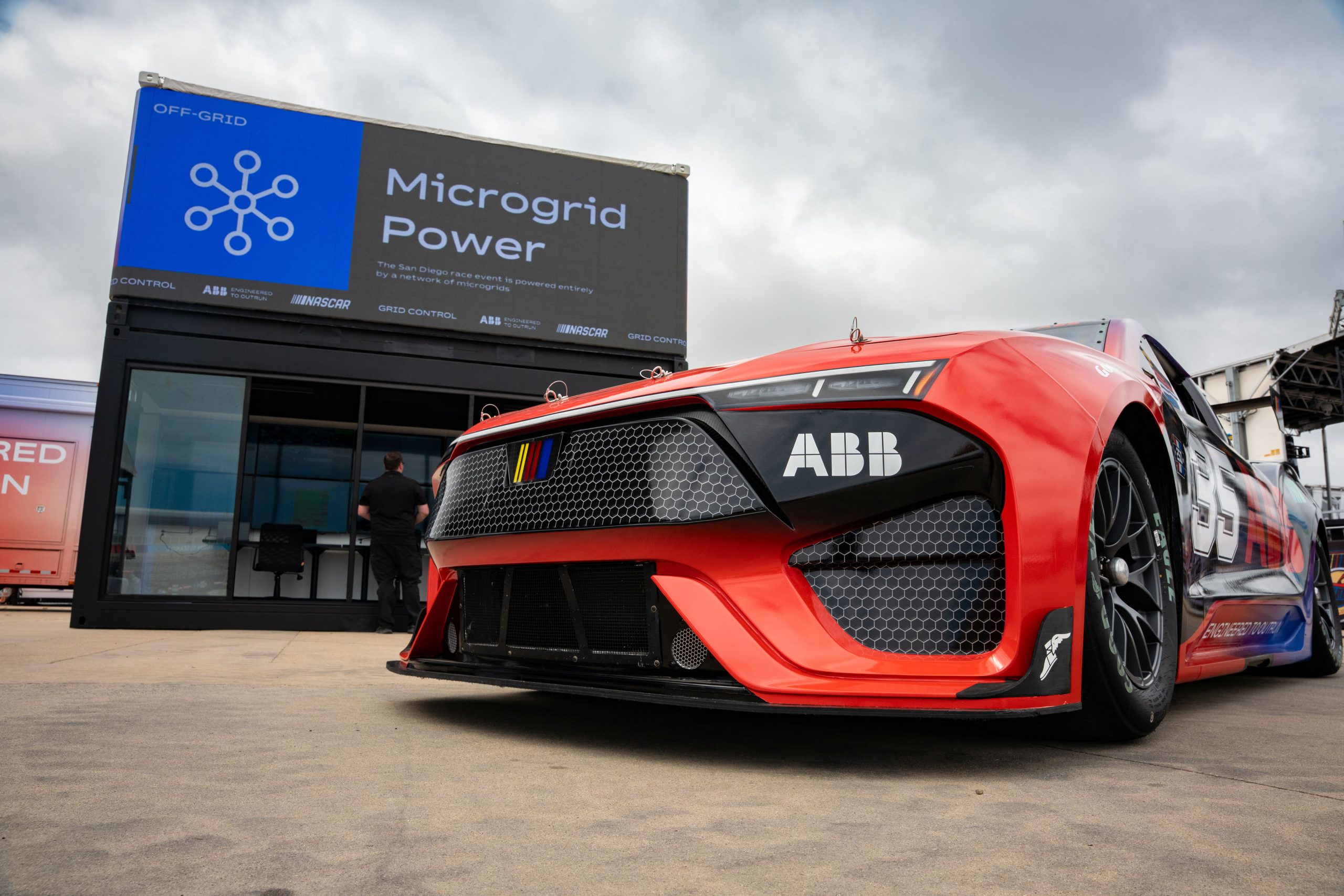
Since 2024, ABB has helped NASCAR advance electrification across our operations. As a founding partner of NASCAR IMPACT and the Official Electrification Partner of NASCAR, ABB brings decades of experience in electrification and industrial automation to help us transform core operations in pursuit of our 2035 goal. Together, we’re exploring new technologies and advancing cleaner energy solutions.
In 2026, ABB helped NASCAR create a temporary network of microgrids to power the NASCAR San Diego weekend at Naval Base Coronado. The system combined battery energy storage with generators to power areas including pit road, the fan zone and behind-the-scenes operations.
Batteries powered event operations, with generators running only as needed to recharge them. ABB technology also provided real-time visibility into energy use across the site, helping NASCAR better understand when and where power was needed.

Inspiring Innovation
Through the ABB NASCAR Electrification Partnership, NASCAR’s first electric racecar, the ABB NASCAR EV Prototype, was launched at the Chicago Street Race in July 2024. It was built by NASCAR engineers in collaboration with Chevrolet, Ford and Toyota. It features:
· Regenerative braking that converts kinetic energy into power and three STARD UHP 6-Phase motors (one front, two rear)
· Unique tires from Goodyear made from more sustainable materials, with a Sightline data intelligence monitoring system
· Crossover Utility Vehicle (CUV) body made of BComp, a sustainable flax-based composite
ENERGY SPOTLIGHT
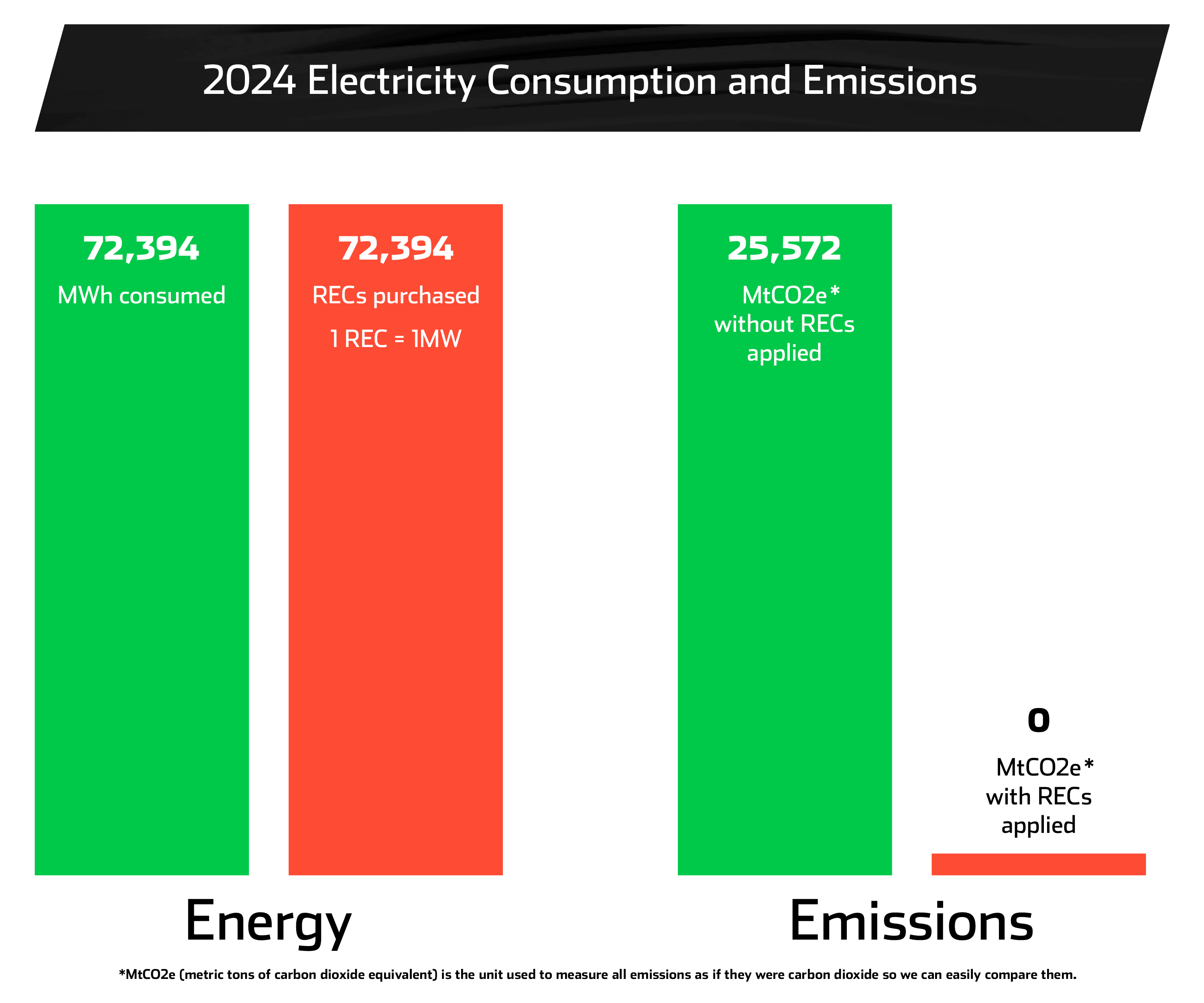
NASCAR is committed to sourcing 100% renewable energy at all our facilities. Working with track partner NextEra Energy, NASCAR purchased Green-e Certified renewable energy credits (RECs) from wind farms in the U.S. that covered the 2025 electricity consumption at all NASCAR-owned facilities, per market-based accounting. RECs certify that a specific amount of electricity was generated from renewable sources, such as wind or solar, and delivered to the power grid.
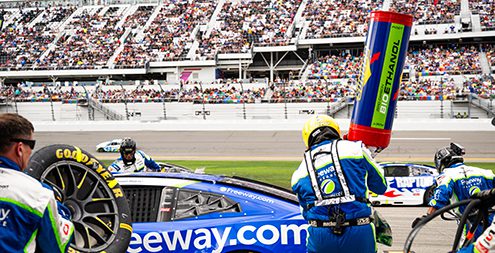
Every NASCAR National Series is powered by Sunoco race fuel with zero-carbon bioethanol. This high-performance unleaded fuel blend consists of 15% zero-carbon bioethanol and 85% gasoline. Bioethanol’s high-octane properties enhance engine performance while contributing to lower carbon intensity and cleaner combustion — benefits that support a healthier environment for every driver, crew member, and fan at the track.
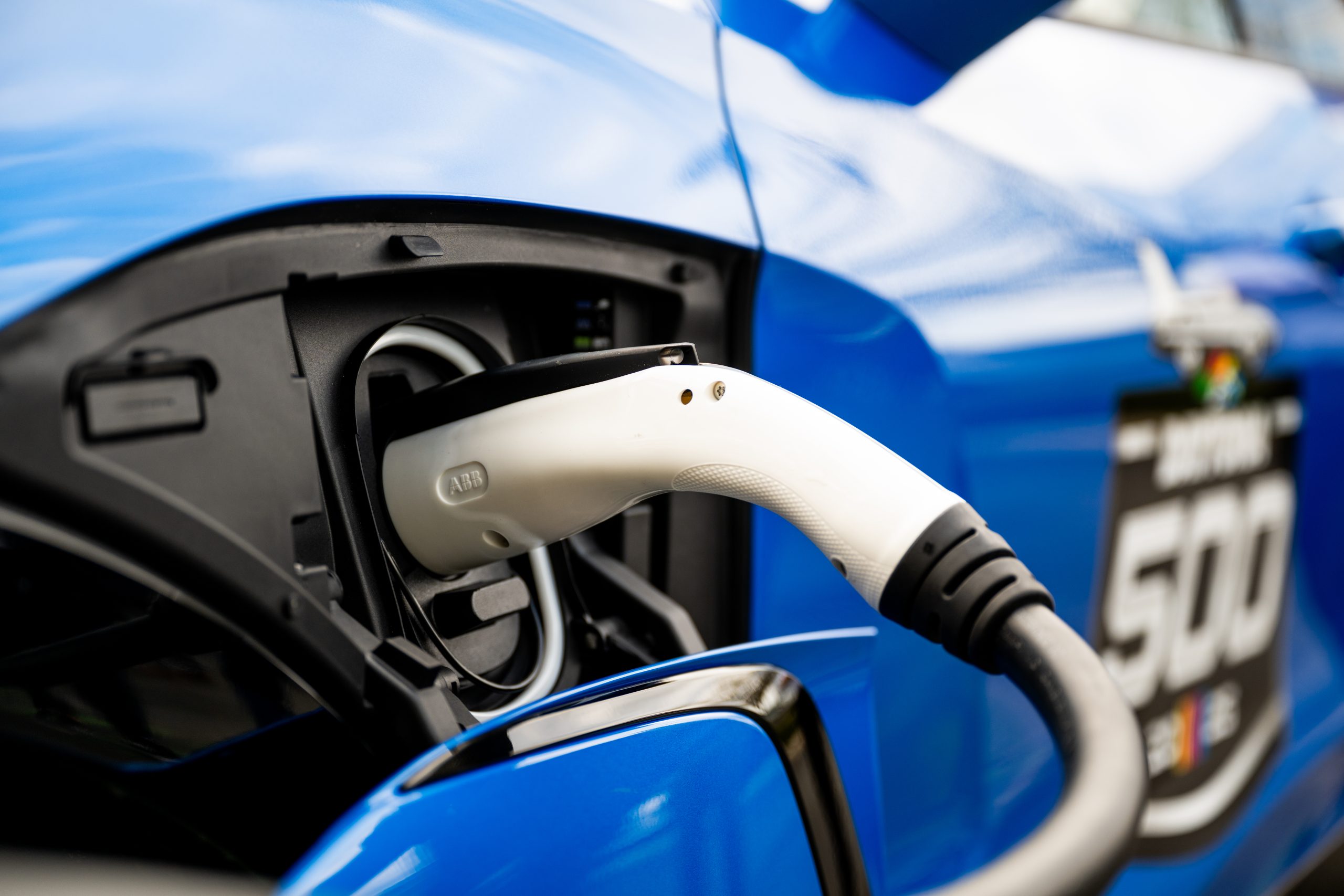
NASCAR is working with strategic partners like ABB, a founding member of NASCAR IMPACT, to expand EV charging infrastructure and support fleet electrification. Eight NASCAR facilities now have EV chargers, helping reduce reliance on traditional fuels while building the infrastructure needed to support more electric vehicles across operations.
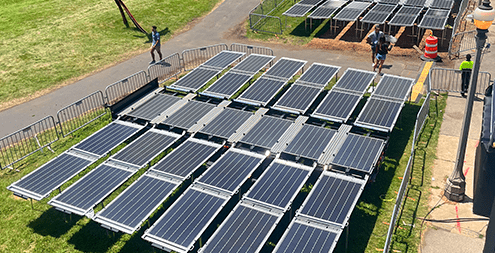
We are also working to reduce generator emissions at our events. At the 2024 Chicago Street Race, we introduced hybrid units, meaning a battery is the primary energy source, with the diesel generator only turning on for 2-3 hours a day to charge the battery. Additionally, mobile solar panels were deployed to power all low-voltage power in the premium hospitality structure.
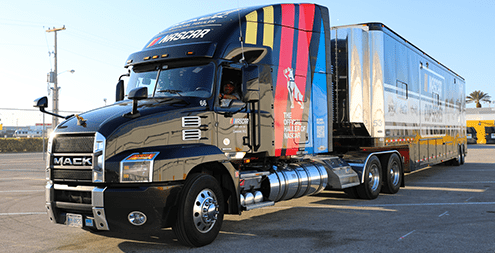
In 2025, NASCAR’s long-haul fleet traveled 861,525 miles transporting equipment for the NASCAR National and Regional Series. To reduce emissions, we continued testing renewable diesel. This cleaner-burning fuel works in existing engines and is made from sources like wood waste and used cooking oil.
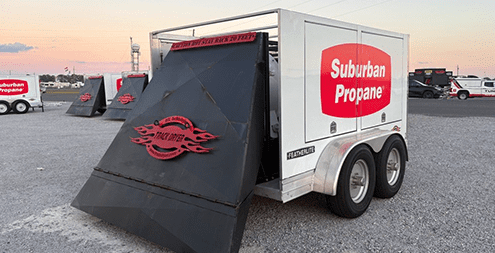
NASCAR and Official Partner Suburban Propane introduced the sport’s first propane-powered track dryer in 2025, replacing four of the jet fuel units traditionally used to dry tracks after it rains. The shift to propane reduced total track dryer emissions by 14.3% - an important step while we work towards a long-term solution.
WASTE & CIRCULARITY
Efficient and responsible material use prevents pollution, conserves natural resources and keeps trash out of landfills. Landfills across the country are filling up, which means more taxpayer dollars and land needed to expand them. Landfills also release methane, a powerful gas that warms our planet. By reducing our trash, we can save money, protect the spaces we love and keep the air in our communities cleaner.
OUR GOAL
Our goal is to implement waste reduction plans across all NASCAR events by 2030. Building on NASCAR’s 2023 goal of recycling at all racetracks and offices by 2028, our new goal prioritizes waste reduction and allows us to scale multiple solutions to reduce what we’re sending to landfill across food, events and race cars.
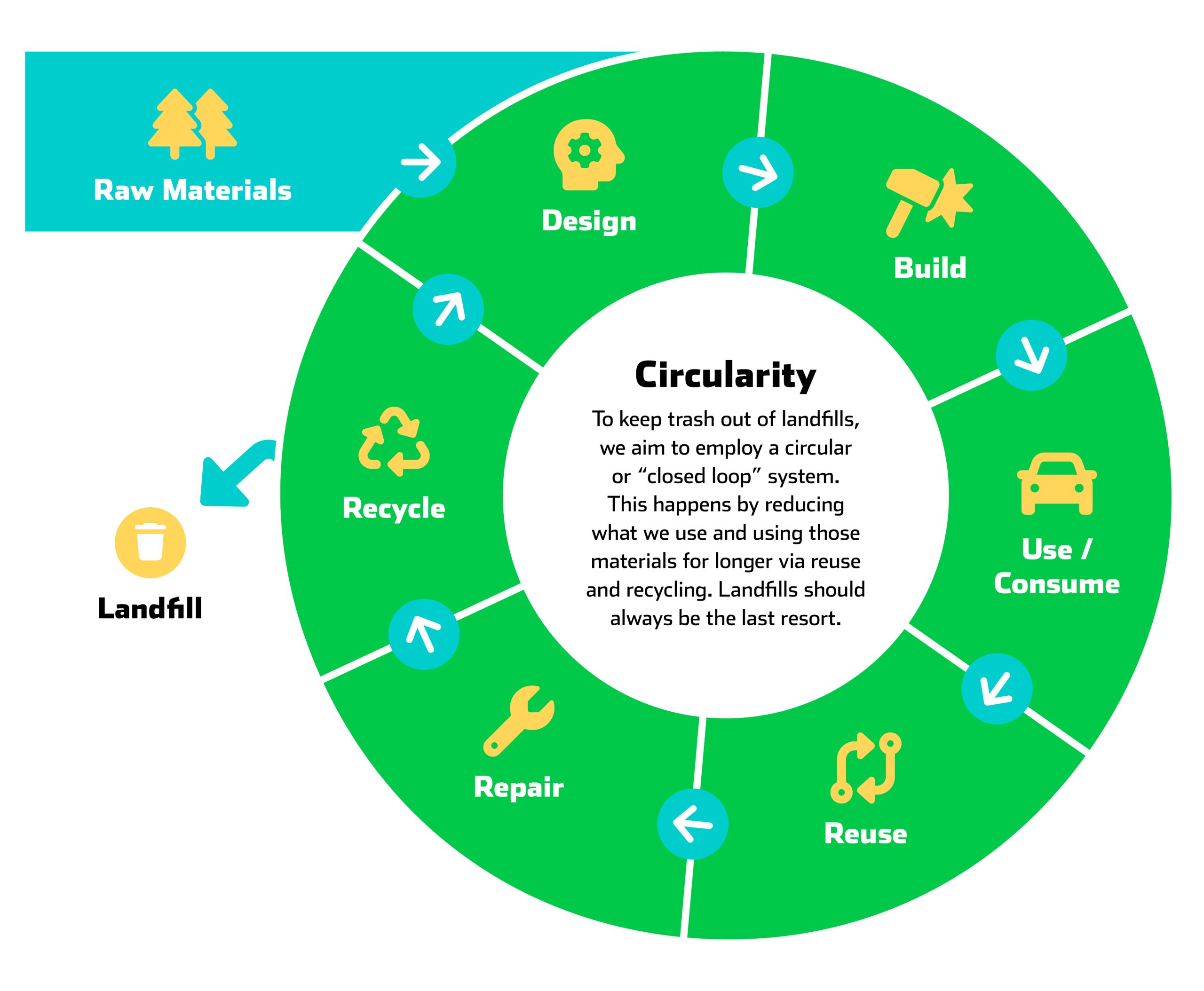
GROWING IMPACT THROUGH COMPOST
In 2025, Levy, NASCAR’s hospitality partner, facilitated the donation of 9,500 pounds of untouched food from Cup race weekends to families facing food insecurity in the communities where NASCAR races. What couldn’t be donated was composted.
Across select offices and events, we compost food scraps and certified compostable items - 70,380 pounds in 2025. That year, NASCAR, Levy and Denali, the nation’s largest organic recycler, have joined forces to compost back-of-house at all NASCAR Cup Series races at NASCAR-owned tracks and pilot fan-facing initiatives at select events. These efforts turn food scraps into valuable nutrients for agriculture, while reducing landfill waste and emissions.
WASTE & CIRCULARITY SPOTLIGHT
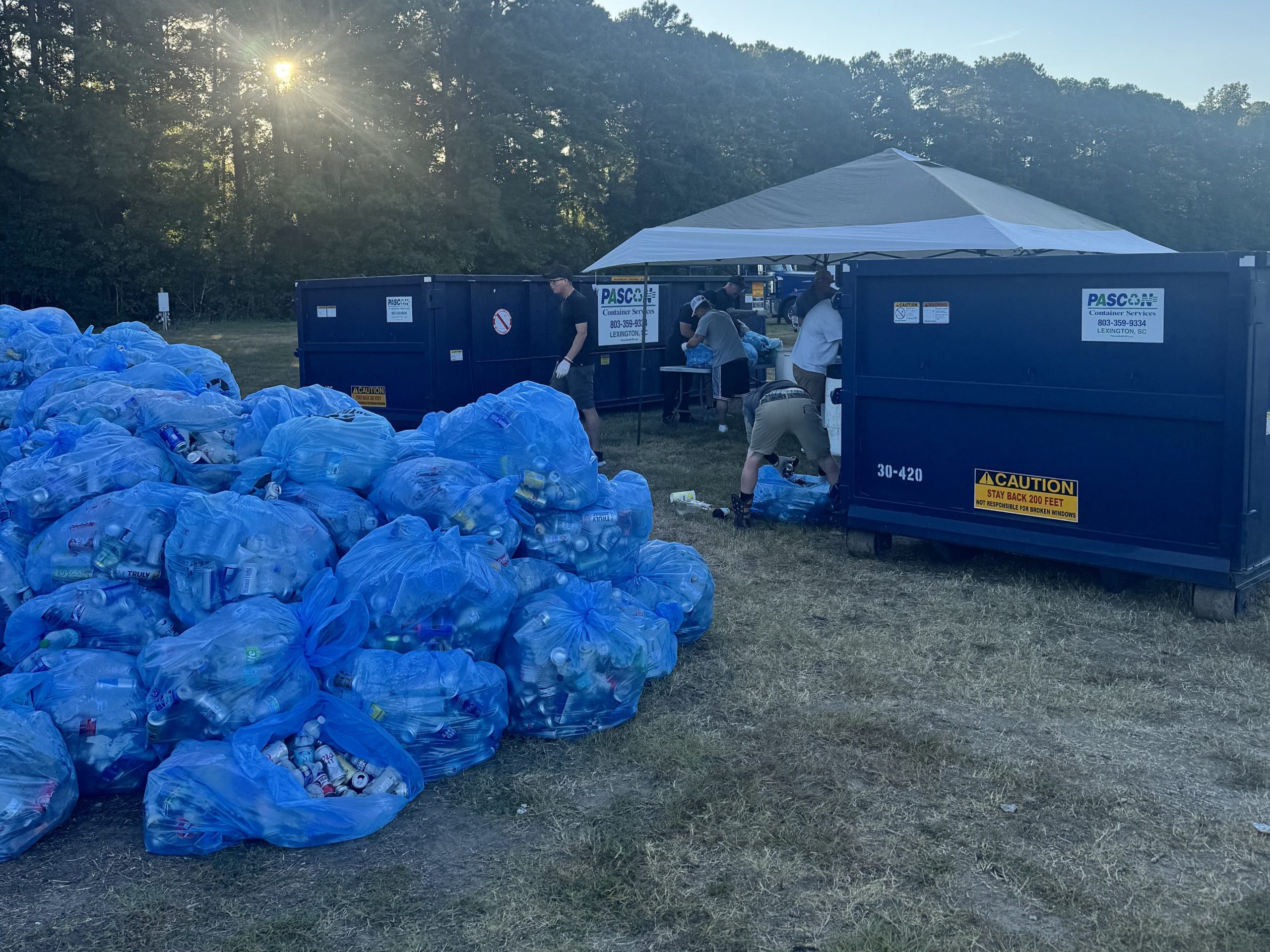
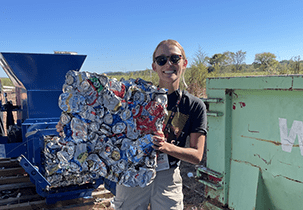
NASCAR-owned tracks recycled 191,600 pounds of aluminum cans, plastic bottles and cardboard during 2025 Cup Series weekends. We are improving the collection process at each track to recycle more material.

NASCAR is also reducing single-use plastic by investing in reusable cups. In 2025, Chicago Street Race (CSR) deployed 45,000 reusable cups across the entire event footprint, with an 81% cup return rate. Watkins Glen International also became our first track to launch a long-term reuse program in premium areas.
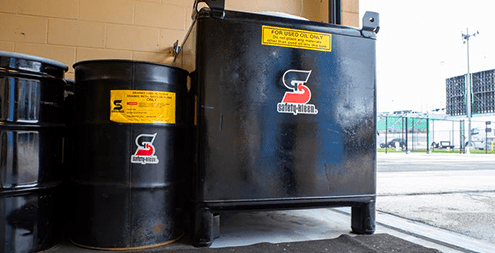
Official Partner Safety-Kleen collects used motor oil during race weekends to ensure responsible cleanup of hazardous materials. They support NASCAR year-round by collecting used oil from race operations and team shops and re-refining it into high-quality base oil. In 2025, the program recycled over 500,000 gallons of motor oil and other fluids.
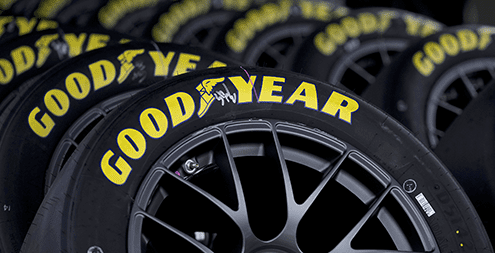
Goodyear, the Official Tire of NASCAR, supplies tires for NASCAR’s three national series. Goodyear collects used tires after each race and recovers them for beneficial reuse, including recycling them into new products. Each year, Goodyear recycles around 100,000 NASCAR tires.
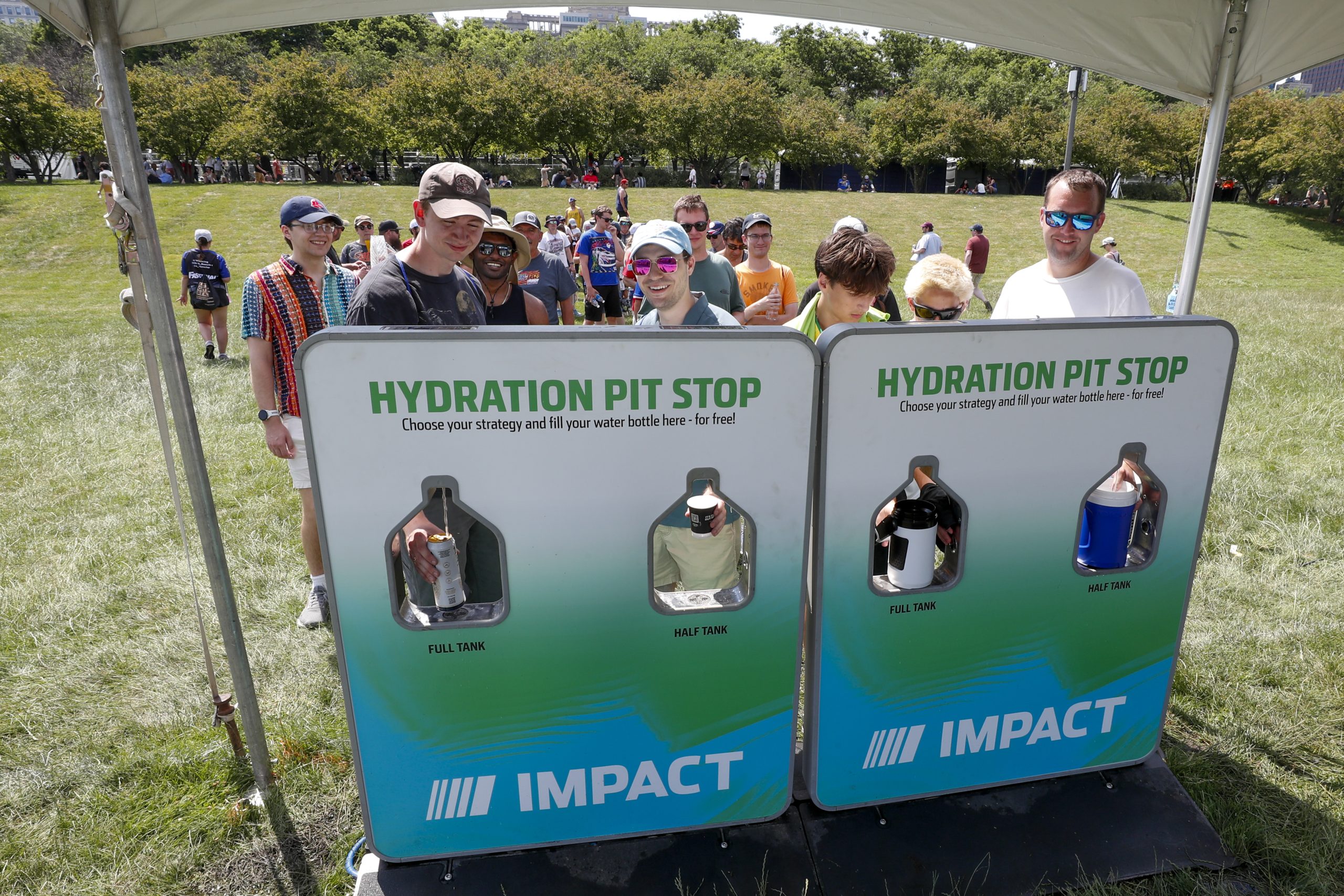
We also provide free water refill stations at all owned tracks, helping to reduce reliance on single-use plastic while improving fan health, safety and overall event experience.
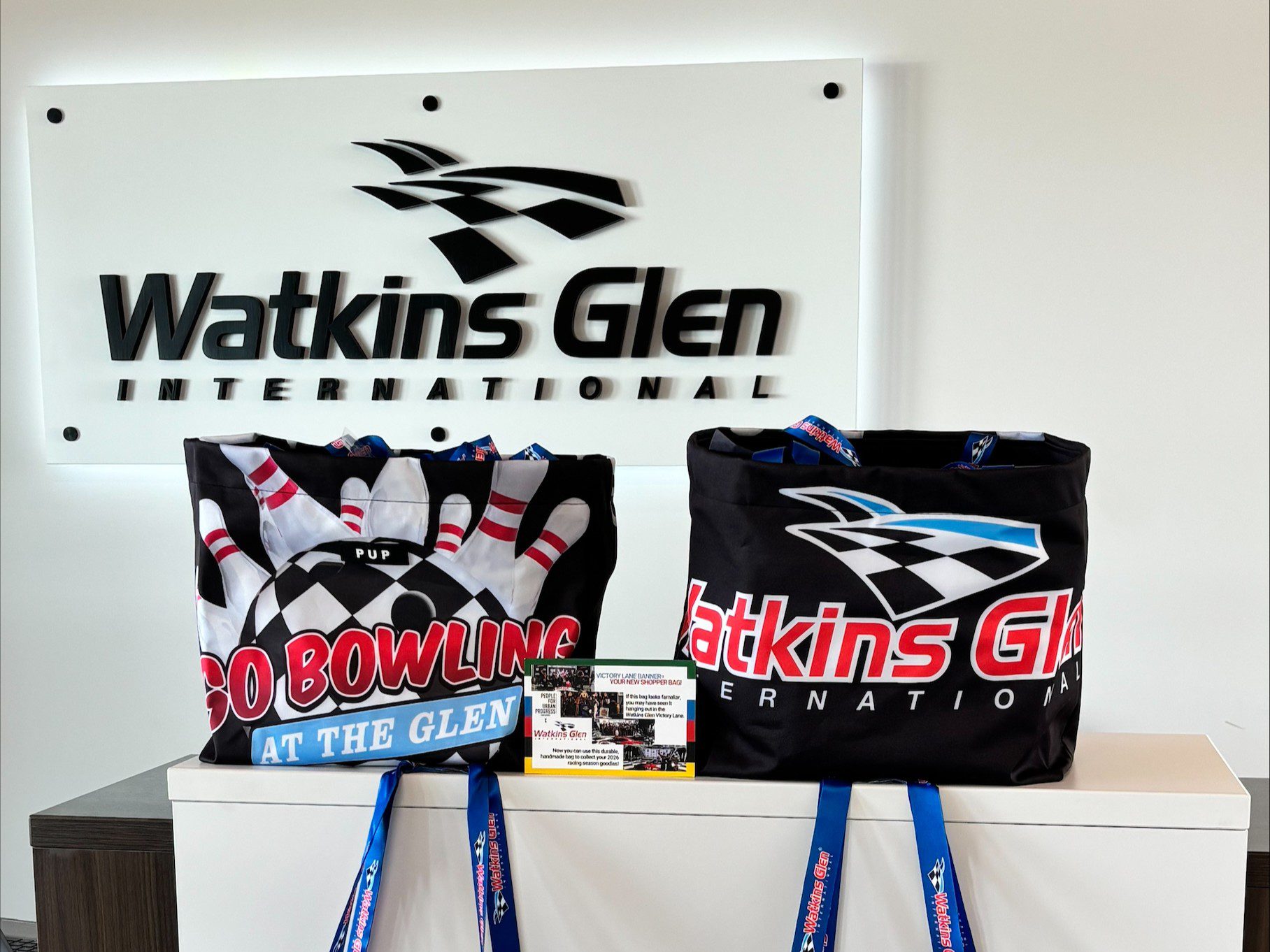
Upcycling is the process of turning something used into a new item, like Watkins Glen International working with People for Urban Progress to transform Victory Lane backgrounds and signage into bags used as gifts for track partners and fans. To date, 400 pounds of banners have been upcycled.
CARBON MEASUREMENT
NASCAR tracks its carbon emissions so we know where to reduce and how to improve. After establishing our baseline in 2022, we are strengthening our data collection process each year and using it to advance reduction efforts.
When measuring carbon emissions, we group them into three “scopes” to explain where they come from:
Scope 1: All fuel used across NASCAR-owned facilities and NASCAR-operated race events, including generators, vehicles, aircraft and race fuel.
Scope 2: Electricity we purchase and use in our facilities.
Scope 3: Other activities connected to our business, such as logistics and supply chains.
2025 NASCAR EMISSIONS
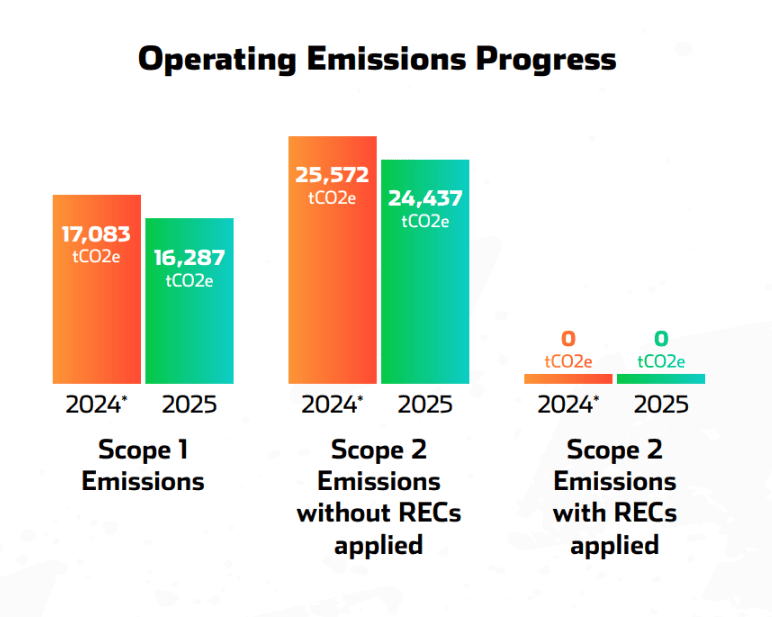
From 2024 to 2025, NASCAR's operating emissions decreased by 4.5%.
- Scope 1 Emissions: 16,287 tCO2e
- Scope 2 Emissions (market-based): 0 tCO2e (via procuring renewable energy credits)
- Scope 2 Emissions (location-based): 24,437 tCO2e
OUR GOALS
Our goals are to reach net zero operating emissions by 2035 and develop a full scope 3 reduction plan by 2030.
Net zero operating emissions focus on emissions from our core operations (scopes 1 and 2). This includes the 15 racetracks that we own, nine office locations and core operations across the racing series that NASCAR owns and operates.
To achieve our 2035 goal, we are investing in clean energy, implementing energy efficient technology and electrifying equipment where feasible. We plan to continue investing in NextEra RECs, while also working toward onsite solar installations to generate clean energy locally and add renewable power to the electric grid.
In addition to operating emissions, we measure scope 3 activities but are not currently reporting these numbers. Our goal is to improve the measurement of these activities across our value chain and develop a strategy to address those emissions by 2030.