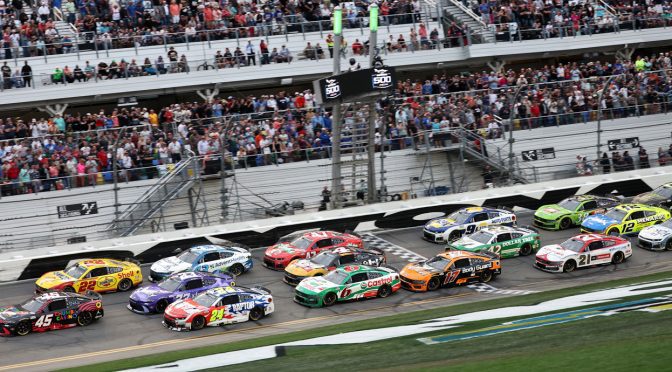
NASCAR on Wednesday revealed rules updates to the Cup Series’ superspeedway package for Daytona International Speedway for the Aug. 29 regular-season finale.

The rear spoiler will be shortened from 7 inches to 4 inches, the same height as intermediate tracks, in an effort to reduce drag, along with a slight reduction in horsepower from 510 to 465 to adjust for the reduced downforce. NASCAR officials anticipate single-car runs to be approximately 3 mph faster than the current package, but cars in a pack are expected to run about the same speeds.

MORE: Cup standings | Cup schedule

The changes come in advance of the Coke Zero Sugar 400 at Daytona, with hopes of less drag providing more opportunities for drivers to better move through the field by passing rather than relying upon track position through various fuel-saving strategies.

Three-time Daytona 500 champion Denny Hamlin and NASCAR Event Management president John Probst both served on a larger working group that determined possible adjustments, and they both appeared on NASCAR’s Inside the Race this week to explain. While these changes are set for the upcoming race at Daytona, any determination for future superspeedway races will be confirmed at a later date.

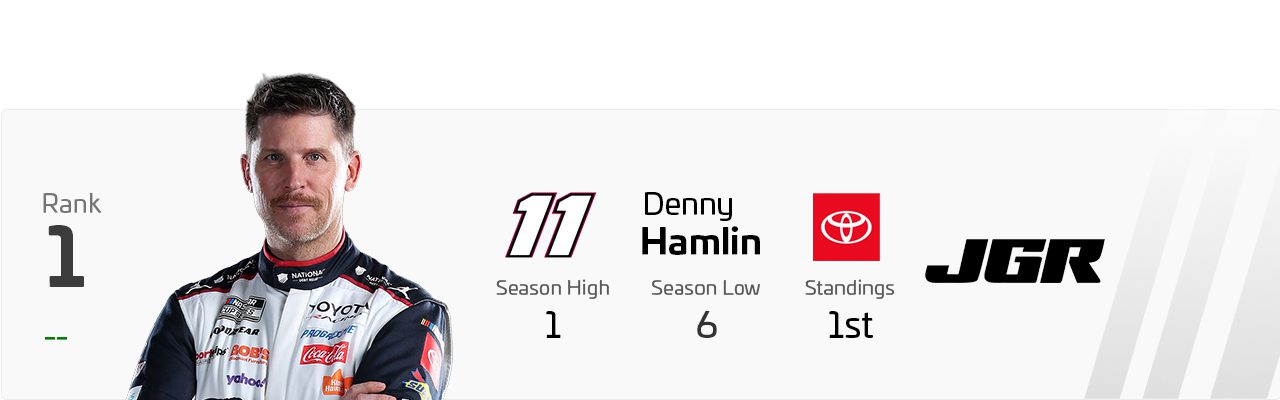
Hamlin, driver of the No. 11 Joe Gibbs Racing Toyota and co-owner of 23XI Racing, noted the high quality of racing in Sunday night’s event at EchoPark Speedway near Atlanta in an appearance with former crew chief Steve Letarte and Probst on “Inside the Race.” He pointed to EchoPark’s 1.5-mile track length as a benefit of the 7-inch spoiler, but the 2.5-mile Daytona and 2.66-mile Talladega Superspeedway layouts offer fewer passing opportunities with the higher-drag 7-inch spoiler.

“What we’re essentially trying to recreate is Atlanta at Daytona and Talladega,” Hamlin said. “It happens organically at Atlanta, the space between the cars, because the cars themselves are grip-limited, and the fuel-mileage (racing) really doesn’t happen because you have to be on offense constantly. If you watch the pack, there is no saving. Guys are dicing it up the entire race. So this is what we’re aspiring to get to at some point. And it’s going to take chunks here and there. This is our first bite of the apple at this, so what I believe is that from the numbers that I’ve seen, it’s going to be roughly a 33% gain in the right direction.”

Letarte explained that the ultimate goal of switching to a shorter spoiler is to give drivers stuck mid-pack an outlet to create their own moves and build runs on the cars in front of them to overtake, rather than riding stuck in line.

“When I watch superspeedway racing currently, it seems like the leader is basically at terminal velocity,” Letarte told NASCAR.com. “It’s very easy to get a run on the leader and very hard to do anything with it. You pull out of line, you hit this wall of air, and for that reason, they’re just kind of stuck two-wide around the bottom. When superspeedway racing is most entertaining for me, it takes more work to generate an advantage or a run. But when you do generate that run, you are paid off in a dividend of overtaking. And really, I think it’s as simple as that.

“I think what I see currently is our biggest track-position races of the year are the superspeedways. That’s never been their signature. And we can talk about fuel and strategy, but the garage is going to try to win the race. So if the strategy demands track position, they’re going to do everything to get it. If the aero changes can allow teams to overtake to have faster cars and slower cars, I think it could open up the field a little bit and have just varying-speed cars because right now they all look like they run the same speed.”

The change comes in an attempt to improve superspeedway racing at NASCAR’s top level after adjustments made to do the same at other track types.

“As you’ve seen with NASCAR over the last few years, since the Next Gen, they’re not afraid to just keep fine-tuning it and getting it good at all these race tracks,” Hamlin said. “We’ve seen them make some horsepower adjustments on the short tracks in order to make those and road courses race better. Intermediates obviously speak for themselves; they don’t need a whole lot with how well the Next Gen races there. But then the next step is OK, let’s work on our superspeedway package from here on out. So I think that this was a great collaborative effort to get the racing product as good as it can be for the fans.”
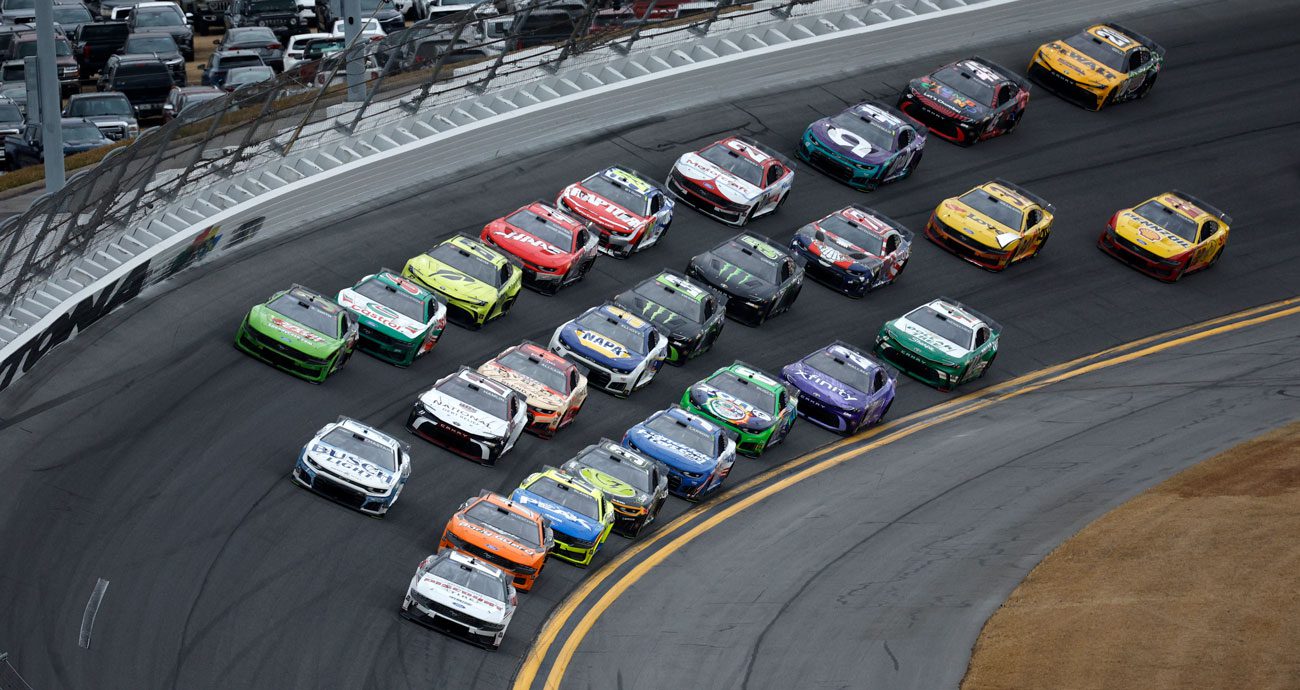
NASCAR Cup Series superspeedway racing at Daytona.
Sean Gardner | Getty Images

Making this alteration with two superspeedway races remaining on the Cup Series calendar also feels like the right time for an adjustment, Letarte said.

“The unfortunate or fortunate part is our season kicks off with the biggest race of the year, the Daytona 500,” Letarte said. “And I believe that our car cycles, our rules cycles, are not the same. Everything doesn’t happen in the winter for another upcoming season. So I actually think this is the appropriate cycle for speedway racing. You have to remember, there’s no more win and you’re in. The Chase is about accumulating points. You’ve had 25 other races to score enough points to go down there with the unknown of what this race is going to be. We have a speedway race in The Chase that I think will be tough to then try something brand new. So I actually believe that this is the correct cycle. I think Daytona in August becomes a great test bed for then the ‘Great American Race’ in February.”

For NASCAR to act quickly in correcting a perceived issue is not a coincidence. A separate change was made to stage lengths at Talladega in the spring in an effort to reduce the incentive to save fuel. Probst points to leadership from the sport’s front office as a key driving force toward bettering the racing product.

“We want to react quickly,” Probst said. “You know, Steve O’Donnell, our new CEO, is on us all the time to get the feedback and react on the feedback as quick as we can. And I think that working with Denny and the working group there, we made changes that we felt had the highest potential to make a big change, but with the lowest risk as well. Like, we didn’t pull every lever that we could because some of those would frankly require us to get 15 cars down to Daytona and try some more radical stuff. We’re not against doing that, but that certainly would affect the timing in which you unroll that level of a change for.

“So we got that group together. I feel like everybody in there brought their opinion and provided really good feedback. And I think that where we landed is the biggest change we feel like we can make without doing a full-blown test.”

What comes next, officials anticipate, is maneuverability that allows drivers to reclaim their star power by earning their way back through the field on the track rather than through pit strategy.

“I can tell you from the driver’s seat what happens for us is that we spend the entire race fuel-mileage saving all for that last pit stop,” Hamlin said. “We basically know you have to be in the top four inside that last fuel window, unless there’s a big wreck, to have a shot at winning. I mean, if you come out 10th, you are log-jammed; you’re not going anywhere. And with the cars having as much drag as they have on them, then you can’t pull out of line to be offensive to get your track position back.

“So we’re trying to make it to where it allows the drivers to pull out of line when they get a run, and then hopefully create a little bit of space between them to allow them to get back in line, so it’s not going to make them so apprehensive to go make that bold move with 30 to go.”

The Coke Zero Sugar 400 is set for Saturday, Aug. 29, at Daytona International Speedway, with coverage at 7:30 p.m. ET on NBC, HBO Max, MRN Radio and SiriusXM NASCAR Radio.
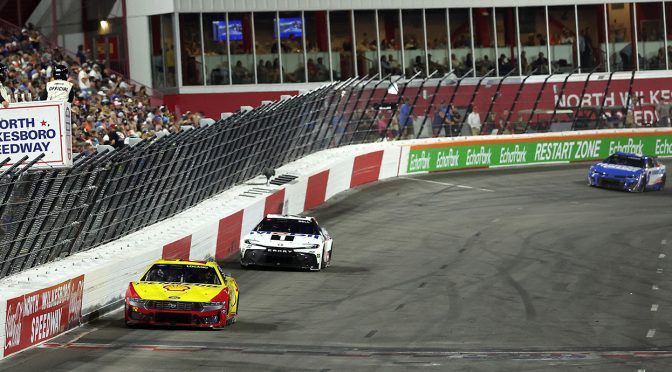
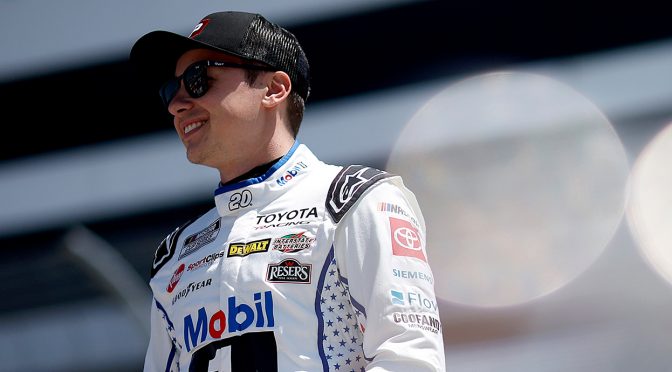
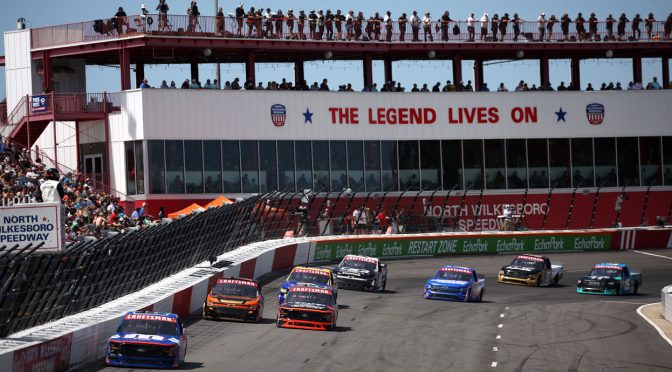
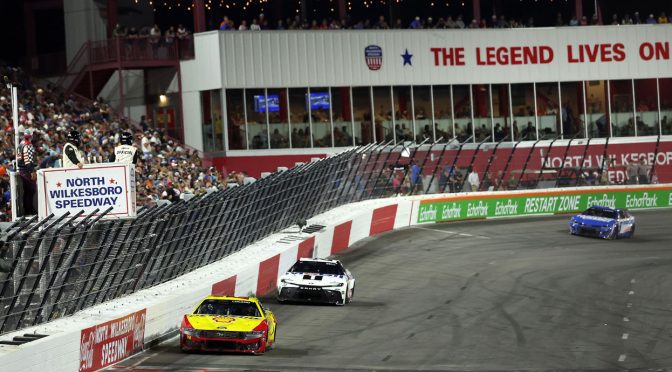
Get ready for a trip back in time as the NASCAR Cup Series and Craftsman Truck Series venture to North Wilkesboro for a must-see doubleheader weekend. It’s the Cup Series’ first points-paying race at the North Carolina short track since 1996, after three trips there for the All-Star Race. The truckers have had North Wilkesboro on the regular-season schedule since 2023. See qualifying orders for both series this weekend.

MORE: Weekend schedule | How to watch NASCAR on TV

Cup Series
Single-car qualifying will occur at 6:10 p.m. ET on Saturday, with practice at 5 p.m. ET (truTV).

POSITIONNUMBERDRIVERMETRICGROUP
166* Chad Finchum(i)34.51
251Cody Ware33.21
316AJ Allmendinger32.51
435Riley Herbst32.01
533Austin Hill(i)30.71
688Connor Zilisch #30.11
74Noah Gragson28.21
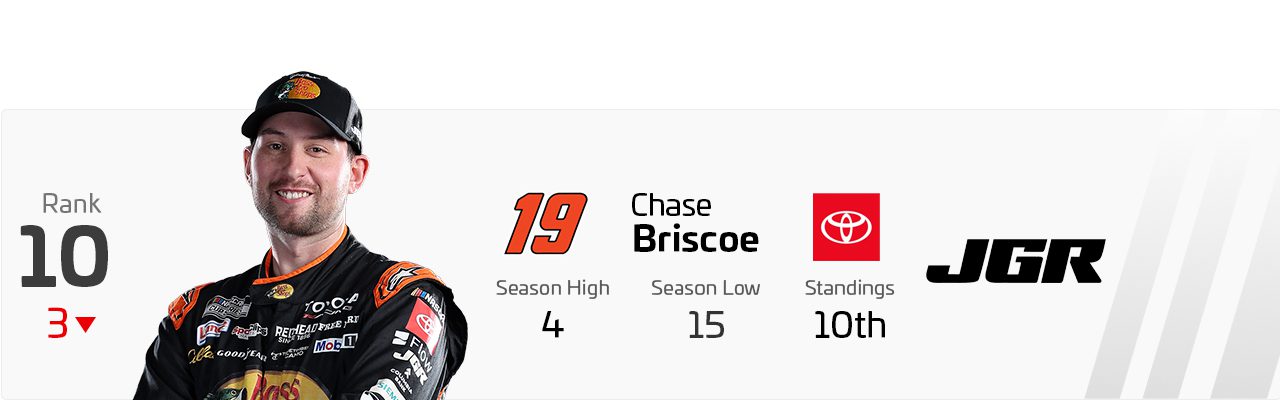
819Chase Briscoe28.21
938Zane Smith27.91
1021Josh Berry27.71
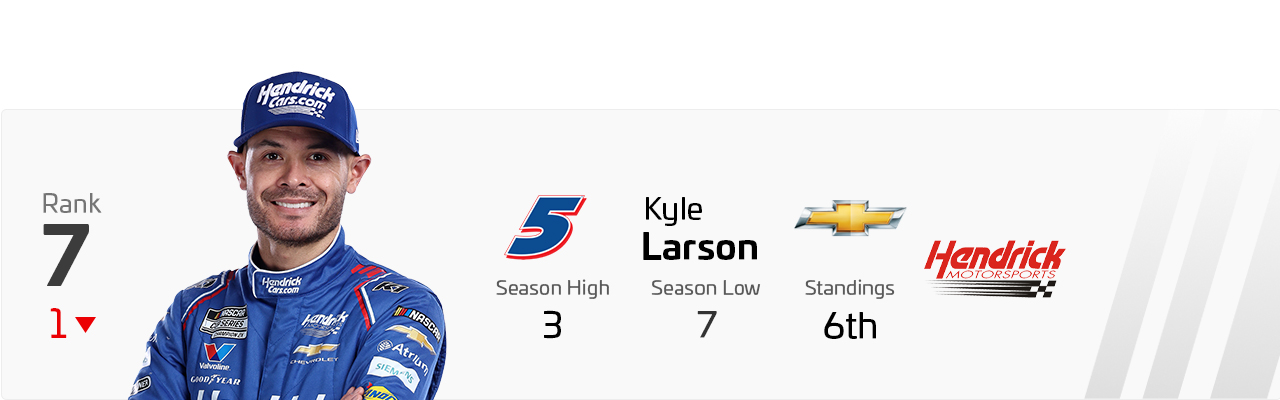
115Kyle Larson25.61
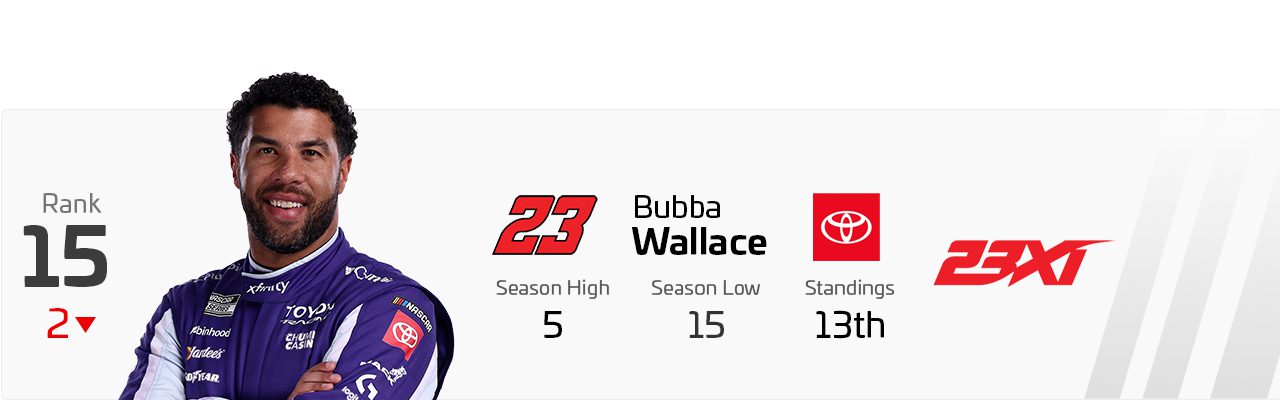
1223Bubba Wallace24.21
1348Alex Bowman24.11
1447Ricky Stenhouse Jr.23.91
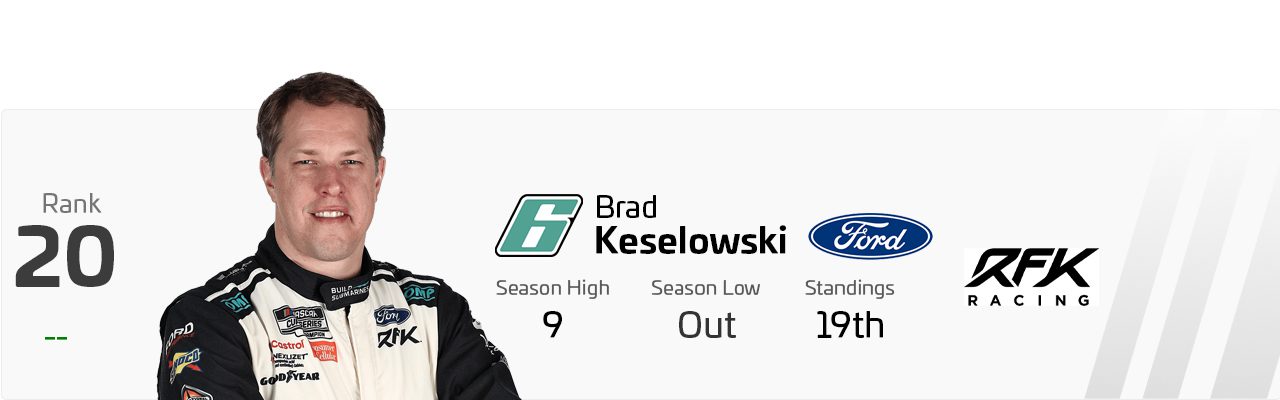
156Brad Keselowski23.91
1610Ty Dillon23.61
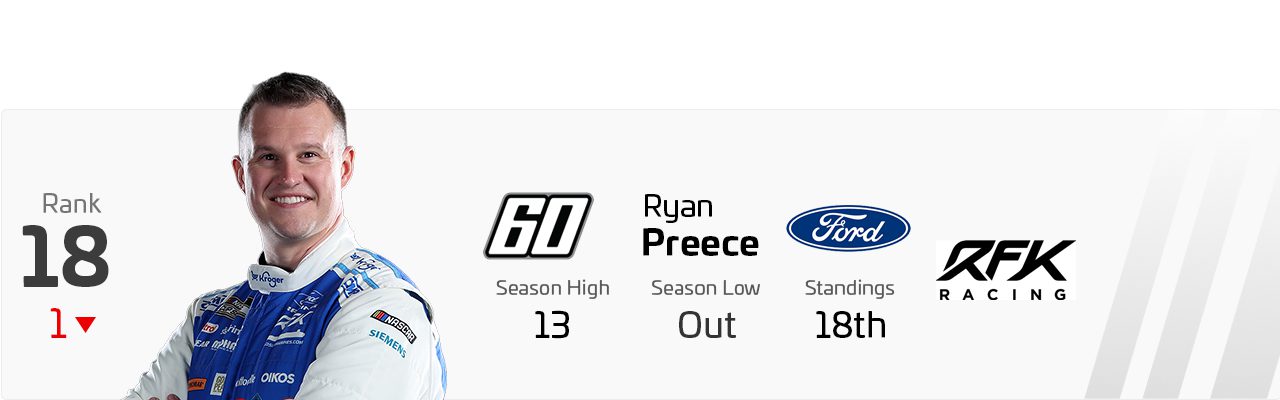
1760Ryan Preece21.91
1841Cole Custer21.81
1942John Hunter Nemechek20.71
2034Todd Gilliland20.52
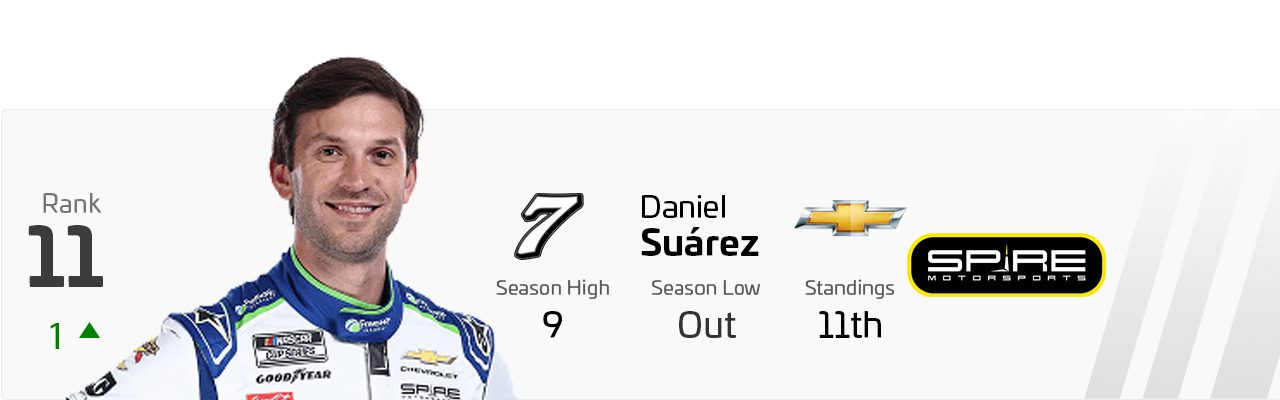
217Daniel Suárez18.02
2271Michael McDowell16.82
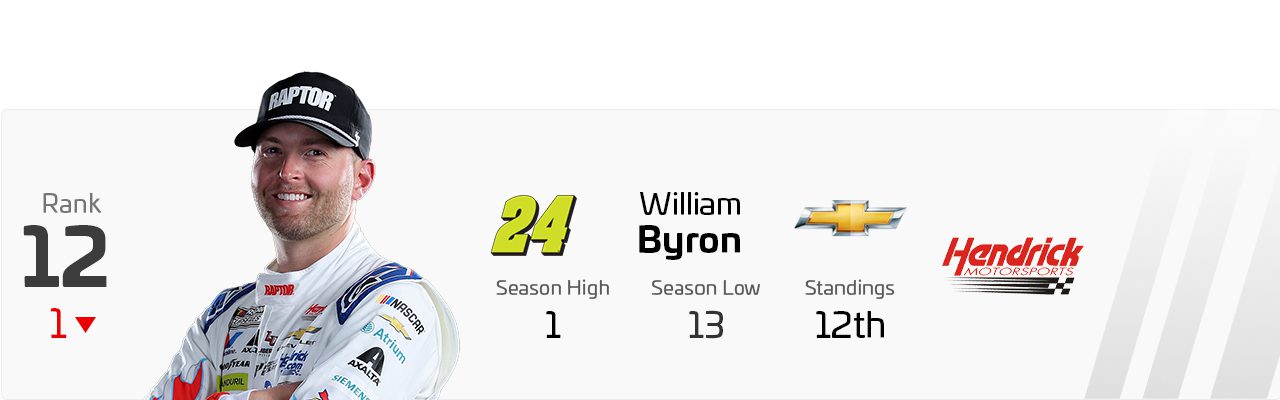
2324William Byron14.82
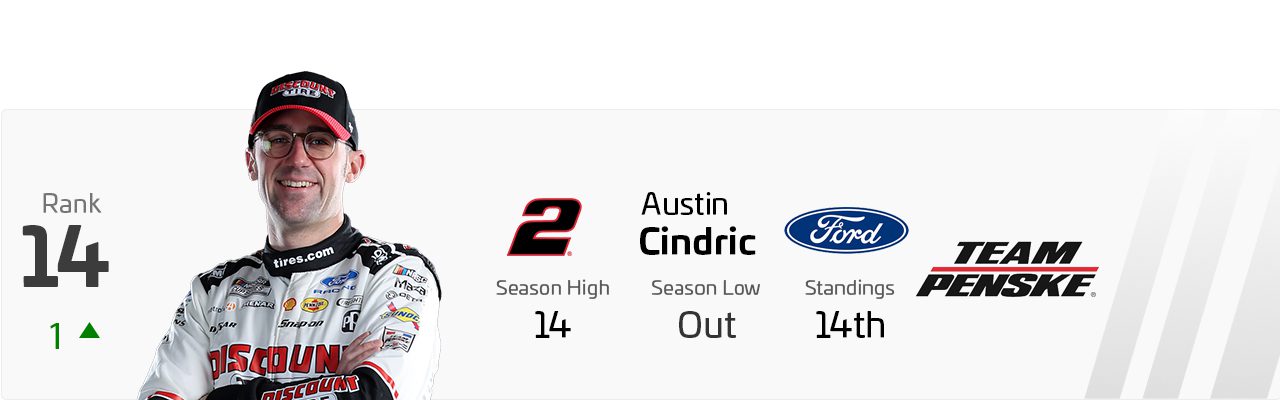
242Austin Cindric14.02
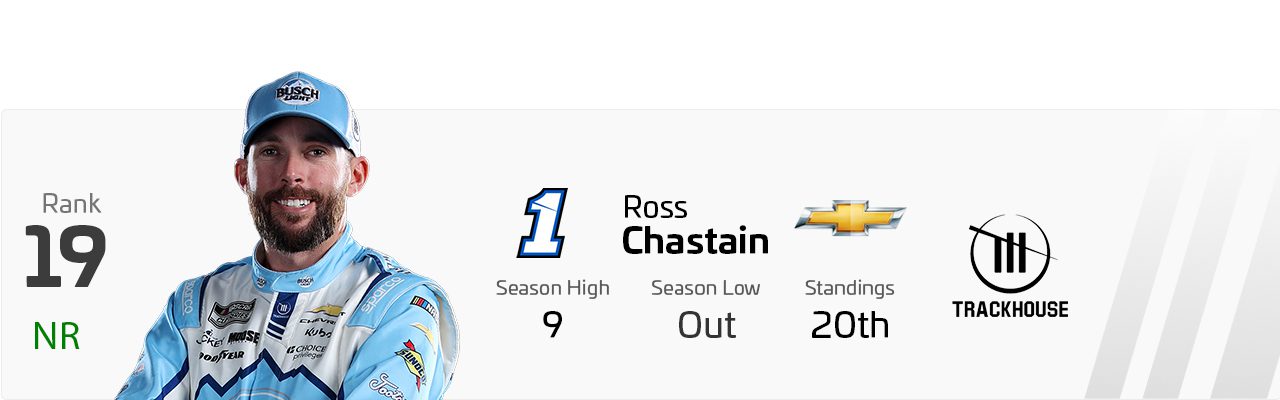
251Ross Chastain13.72
263Austin Dillon13.32
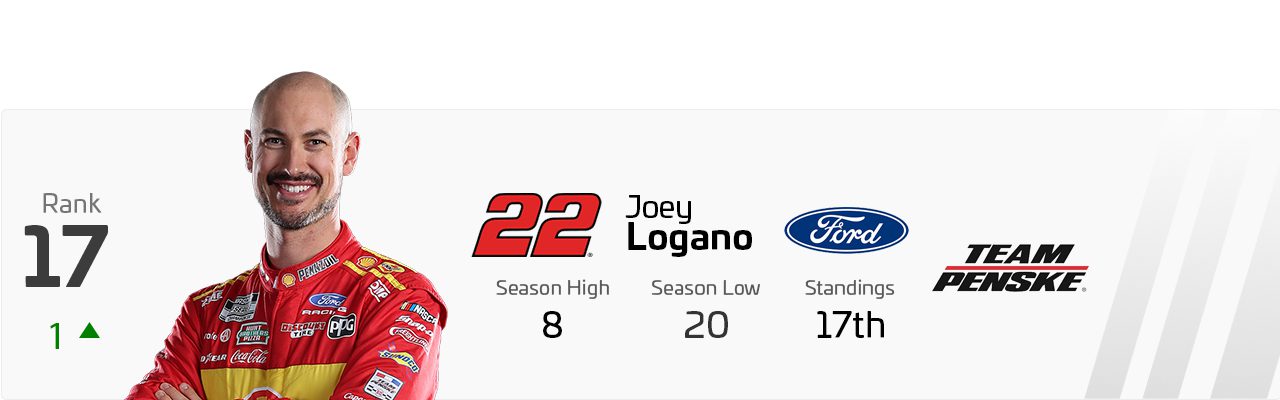
2722Joey Logano11.72
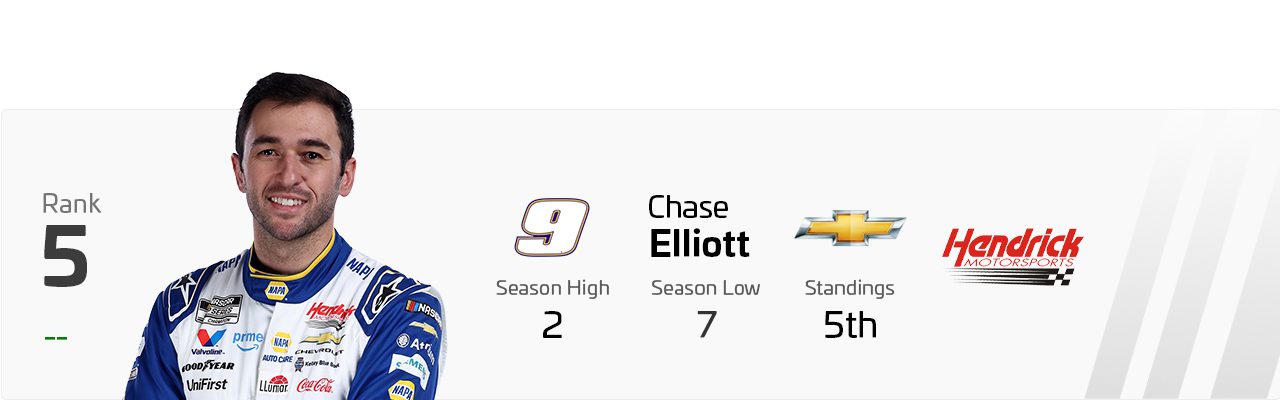
289Chase Elliott10.62
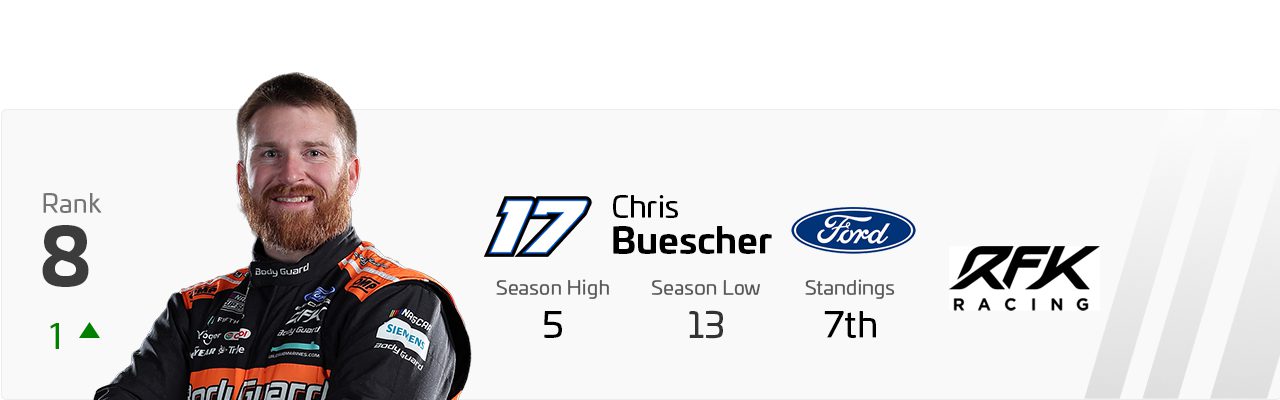
2917Chris Buescher9.12
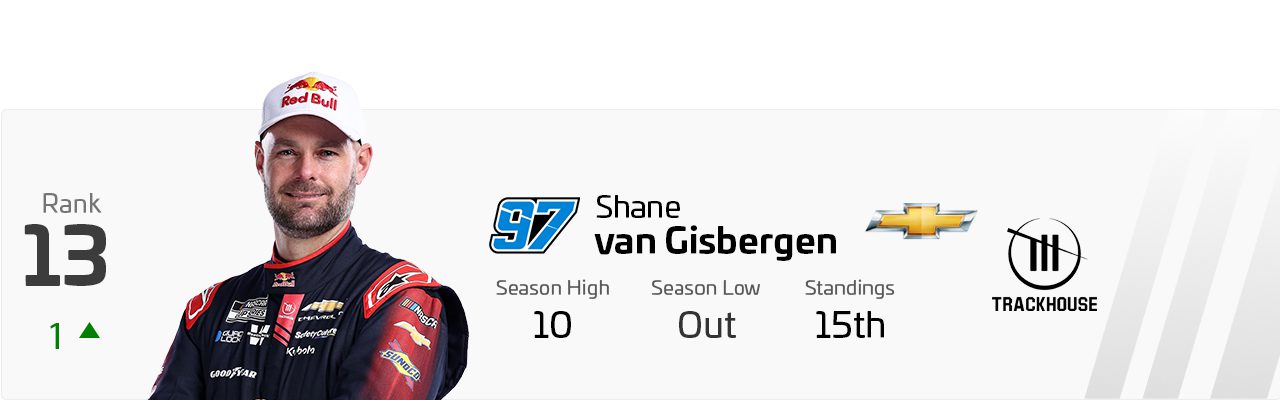
3097Shane van Gisbergen8.72
3111Denny Hamlin8.72
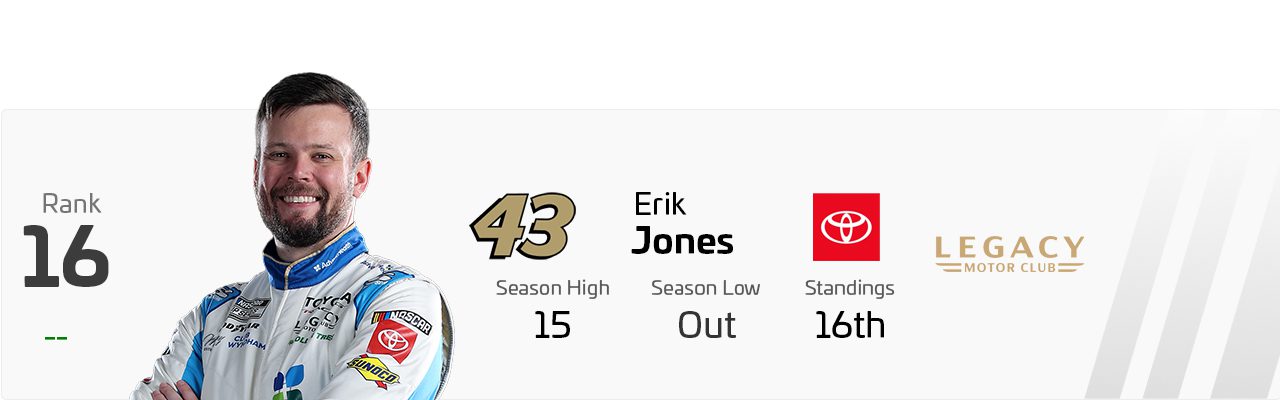
3243Erik Jones8.32
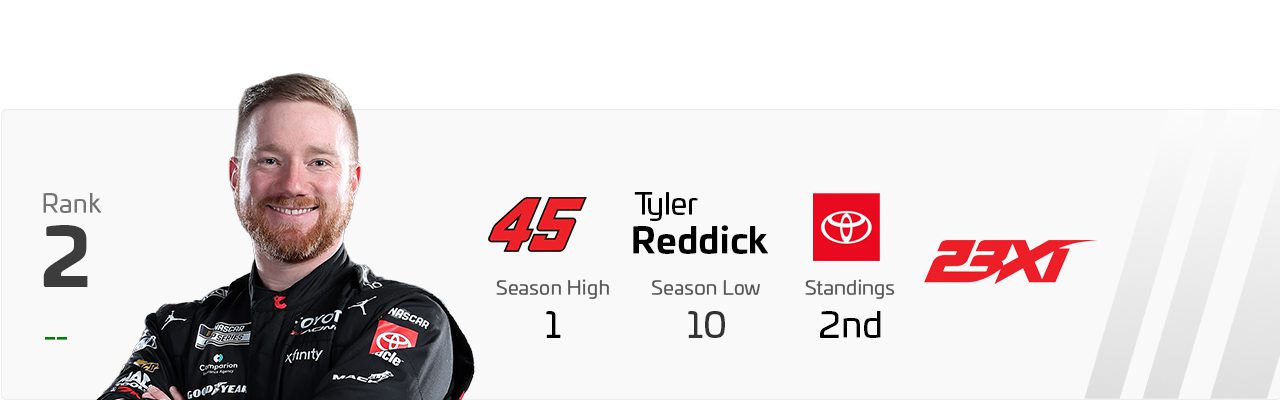
3345Tyler Reddick6.22
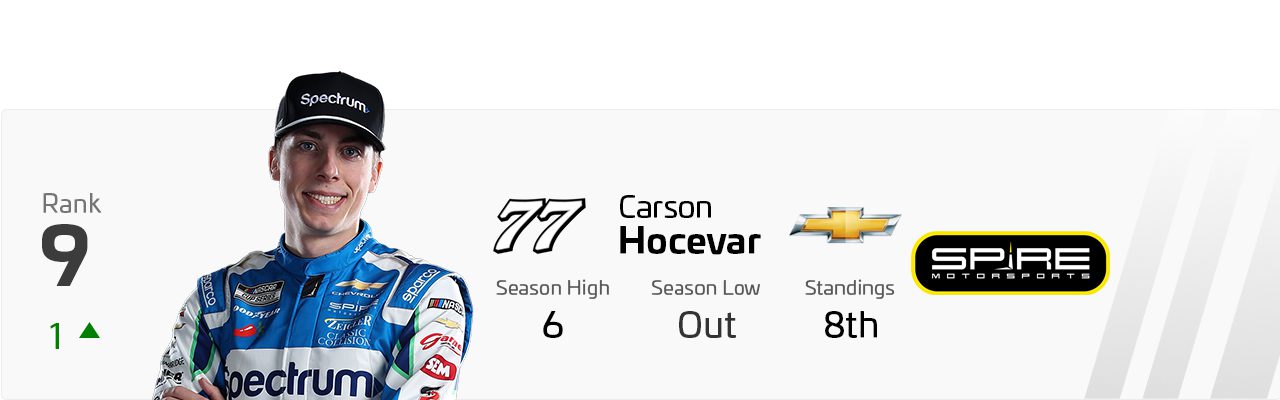
3477Carson Hocevar4.52
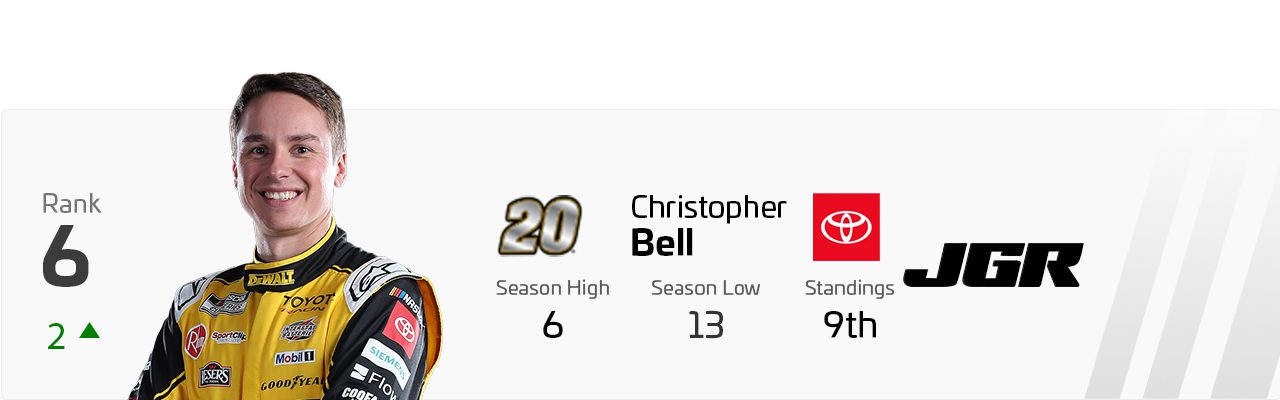
3520Christopher Bell4.12
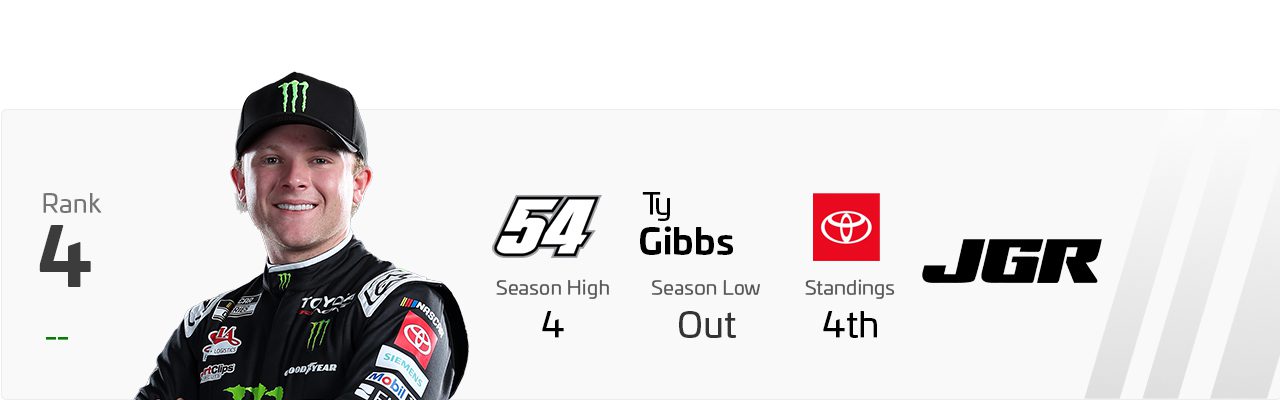
3654Ty Gibbs4.02
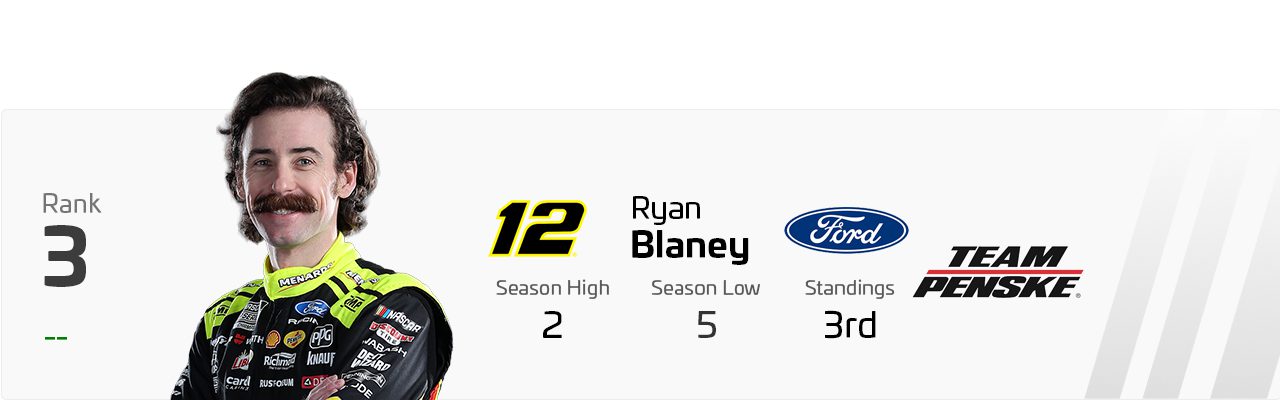
3712Ryan Blaney1.62

Craftsman Truck Series
Single-truck qualifying will occur at 3:05 p.m. ET on Friday, with practice at 2 p.m. ET (FS2).

POSITIONNUMBERDRIVERMETRIC
127Kasey Kleyn40.7
275Landon Huffman40.4
356Timmy Hill39.8
471Shane van Gisbergen(i)39.2
54Donovan Strauss38.3
642Tyler Reif30.6
722Clayton Green29.1
833Frankie Muniz27.2
910Corey LaJoie26.5
1088Ty Majeski25.7
1199Ben Rhodes25.3
1214Mini Tyrrell24.9
1376Nathan Nicholson24.0
1438Chandler Smith22.8
1518Tyler Ankrum22.0
161Nick Leitz21.2
1798Jake Garcia20.8
1881Kris Wright20.6
192Luke Baldwin19.0
2026Dawson Sutton18.3
215Corey Heim18.1
2217Gio Ruggiero16.4
2334Layne Riggs16.4
2413Cole Butcher16.1
2516Justin Haley16.1
2625Ryan Newman14.2
2762Christopher Bell(i)14.2
2812Brenden Queen14.1
297Chase Elliott(i)13.8
3015Tanner Gray12.2
3152Stewart Freisen11.4
3244Andrés Pérez10.9
3319Daniel Hemric8.1
3491Christian Eckes5.6
3577Carson Hocevar(i)5.5
369Grant Enfinger4.9
3745Landen Lewis2.9
3811Kaden Honeycutt2.7

* Required to qualify on time
# denotes series rookie
(i) denotes ineligible for driver points

Christopher Bell’s winless 2026 season is not at all the case of a driver searching for speed.

The No. 20 Joe Gibbs Racing driver has simply been too good for too long for this year to be framed as a competitor who simply cannot close, either — Bell’s 13 career Cup Series wins over his first six seasons, four of which came last year alone, settle that argument before it starts. The Oklahoma native has repeatedly demonstrated that he knows what to do with a race-winning car, whether on dirt, asphalt, concrete, concrete covered in dirt, you name it.

And yet, 20 races into 2026, his season is becoming defined by everything but that final step — and it’s the one that matters most.

Five runner-up finishes. Eight top fives. A pole. Three stage wins. A fifth-best-in-the-series 422 laps led.

Zero wins.

That combination has placed Bell in increasingly rare company. His five runner-up finishes are the most by a winless driver in a season since friendly rival Kyle Larson had six in 2018. Through 20 races, only Terry Labonte in 1982 had more second-place finishes without a win; Harry Gant also had five at the same point in 1981.

The easiest read would be that Bell has repeatedly failed to convert opportunities. Dig deeper, and the accurate analysis reveals significantly more confounding context.

RELATED: See where Bell ranks in latest Power Rankings

At Phoenix Raceway this spring, Bell led 176 laps, won the second stage and finished second to Ryan Blaney. Dominant, but a near-miss. He then came from 17th to finish second at Charlotte, leading 44 laps before rain helped hand the victory to Daniel Suárez. Bell started fourth and led 29 laps at Nashville before watching teammate Denny Hamlin nearly double his points output despite finishing just one spot higher. At Chicagoland, he followed another JGR teammate, Chase Briscoe, across the line, furiously chasing him down to no avail. Then, at EchoPark Speedway, Bell drove from 32nd to second and finished a frustrating 0.068 seconds behind Blaney, pushing the No. 12 to his second win of the season.

Those are five runner-up finishes, but not quite five copies of the same outcome. Bell sometimes had the dominant car. Sometimes he recovered from deep in the field. Sometimes, another championship-caliber driver was simply better by the end of the race.

Every time, though, the result was frustrating.

That said, the EchoPark run was the latest example of how much of the operation remains sound. NASCAR Insights ranked Bell fourth in defense and ninth in speed during the race, while the No. 20 pit crew ranked first. Bell’s season-long profile is even stronger: sixth in passing, fifth in speed, fourth on restarts and fourth in pit-crew performance — certainly championship-caliber.

Racing Insights’ deeper pit crew numbers support that ranking, too. Bell’s team owns the fastest average clean four-tire stop in the series at 9.56 seconds, a 95% clean-stop rate, and ranks second in line-to-line performance, retaining position on 82% of stops. The No. 20 team has not been consistently losing races because it lacks support around the driver on pit road.

It’s almost entirely race-context-driven. Not performance.

There may be no statistic that captures Bell’s season better than this one — his 422 laps led through 20 races are actually an increase of 268 over the same point last year. Bell had already won three times through 20 races (believe it or not, they actually all came in the first four races) in 2025 despite leading just 154 laps. This season, he has nearly tripled that total without reaching Victory Lane once.

Bell has also led more laps this year than JGR teammates Briscoe and Ty Gibbs combined. Both have won. Bell has not.

That is not remotely an indictment of No 20, but rather a notion worth investigating as to why his missing win remains so dubious.

The near-misses, of course, also extend beyond the five runner-up finishes. Bell was running second in overtime at Atlanta in February when contact from Carson Hocevar left him 21st. He was third before being collected in overtime at Kansas and fourth before running out of fuel with two laps remaining at Pocono. Racing Insights calculated those three results alone as a costly combined swing of 58 points.

Those are just regular-season losses now; not ideal, but survivable. The same pattern would carry much more weight in The Chase, particularly if he continues to be held out of Victory Lane.

Bell is ninth in points and sits 113 above the cutline, so Chase qualification is not the pressing concern. His 127 stage points rank sixth in the series, another indicator that the No. 20 has regularly operated near the front and will likely continue to do so a month and a half from now. The larger question is whether a driver — who certainly was among the preseason chalk picks for the championship — can reasonably be viewed as a title favorite after going an entire regular season without winning, regardless of how encouraging the underlying data may be. Numbers are numbers, after all, but you either have the points or don’t.

RELATED: Bell through the years

A winless Bell would still enter The Chase as dangerous, sure. He would also enter mostly as a projection of what could happen, not necessarily what will. Sure, Bell, perhaps more than most, is capable of ripping off consecutive victories, which would perhaps be necessary if he’s stuck in the middle of the Chase field and has title aspirations. But “can happen” and “will happen” are not the same. At all.

That does not make a title impossible; it just makes his case harder to trust.

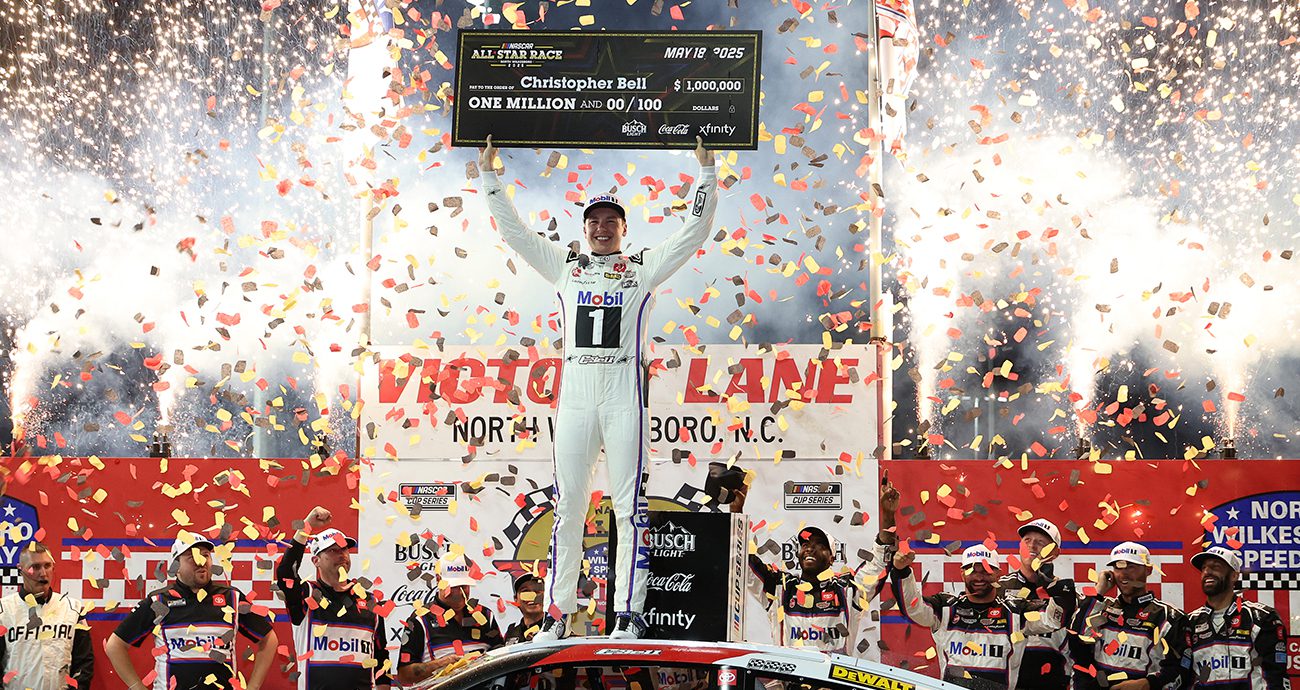
christopher bell celebrates after winning the all-star race
James Gilbert | Getty Images

Which leads us here — North Wilkesboro is the logical place for Bell to take everything that was just laid out and turn it completely on its head.

The Cup Series has not held a points race there since 1996 — when a not-yet 2-year-old Bell had probably just mastered walking, let alone holding a steering wheel — so the modern evidence comes from three All-Star events (2023-25) rather than a conventional track history. But Bell’s sample is still meaningful. He won last year’s All-Star Race at the track, leading 28 laps, and his broader short-track resume makes the fit more than circumstantial. Bell has two wins, 21 top 10s and an 11.9 average finish in 35 career short-track starts. He has finished in the top 10 in 12 of the last 17, including a Bristol victory last September — his most recent Cup win, 27 races ago.

He also enters this weekend with three consecutive top-five 2026 finishes and back-to-back runner-ups, with the In-Season Challenge adding another layer on top. Bell’s matchup with Blaney — another of the series’ hottest drivers and Sunday’s EchoPark winner — puts the pairing under the spotlight as the ISC matchup of the week, adding even more pressure for Bell to perform. The duo is dead even at 82-82 in head-to-head better finishes during the Next Gen era, although Blaney owns a 12-8 advantage this season and a narrow 13-12 edge on short tracks since 2022.

Bell beating Blaney would advance him to the championship matchup next weekend at Indianapolis Motor Speedway. Winning North Wilkesboro itself would accomplish that — but would also signify much more.

It would not retroactively ease the pain of every missed victory or erase the days that slipped away for reasons outside his control, but it would provide the one piece of evidence his otherwise formidable season still lacks: proof that all this speed, track position and organizational strength can produce a complete Sunday before the Chase begins. That may be the one remaining box to check over the next six weeks for him and crew chief Adam Stevens.

Bell does not need a win to validate his ability. He needs one to change the way his 2026 season — along with his championship prospects — is shaping up.

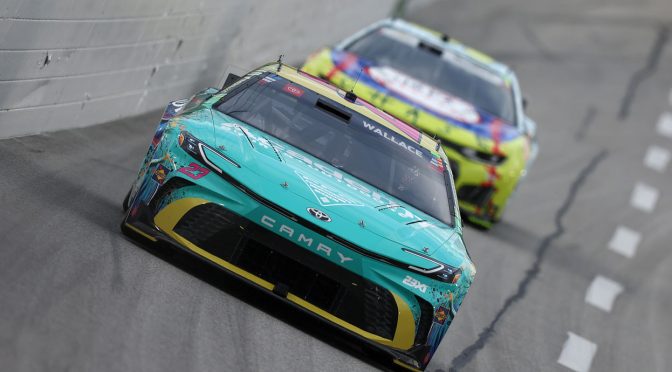
Bubba Wallace tried to avoid gaining positions after going below the out-of-bounds line on the final lap of Sunday’s NASCAR Cup Series race at EchoPark Speedway.

But there was ultimately nothing that the 23XI Racing driver could have done to avoid being penalized.

RELATED: EchoPark results | Wallace penalized on last lap

“Unfortunately for Bubba, attempting to give the position back does not matter in this rule,” NASCAR vice president of racing communications Mike Forde said in a detailed behind-the-scenes discussion of the penalty during the latest episode of the “Hauler Talk” podcast. “If you go below the line and race below the line to improve your position, that’s where it happens.

“We determined that he did advance his position in a couple of areas. At a certain point, if you look at the replays, he’s in first, and it’s the last lap. So if there is a caution, there was a point pretty close to that start/finish line where he would have been declared the winner. Now he would have been black-flagged and still gone back to 29th, but certainly in our eyes, he advanced his position at that point. … At some point, he went below the line, and at some point, he did advance his position, and that was all that mattered, whether he intended it or not.”

Barring the penalty, Wallace would have finished second, though he had tried to stay in third. After going below the line beside race winner Ryan Blaney and Carson Hocevar, Wallace said he attempted to remain in third before a drafting push by Ty Gibbs put him in second.

“It’s unfortunate,” Wallace said. “If you look at SMT, I was all over the brakes trying to just give the spot back. It says don’t go below the yellow line and gain a position, which I didn’t. I was still third. I got a shove from (Ty Gibbs) to go to second, so technically, no positions were gained in doing that.”

Wallace’s team protested during the 20-minute post-race window that allows for contesting in-race penalties.

“(NASCAR vice president of competition) Elton Sawyer said they couldn’t have been more respectful,” Forde said about the team’s reaction to the penalty. “In the protest, they handled it very, very well. Everyone was level-headed, probably moreso than our folks expected, because it’s a blow. It’s a 27-point swing, and where he is on The Chase standings right now, it’s a little bit hairy for him. So they could have probably been guns blazing and really angry, but they handled it in a very professional manner.”

Forde also addressed questions about whether a penalty could be impacted by the pass being fully completed or a position being gained when a car was back above the line.

“The videos, it seemed like maybe he didn’t complete a pass or he didn’t get his nose ahead of it,” Forde said. “That does not come into play. If he did go below the line and eventually improved his position, he wouldn’t have gotten to where he did without going below the lines. That’s really what matters here in this case. He doesn’t have to actually make the pass while under the line. … Fully completing a pass where your rear bumper is now in front of the front bumper of the other car, that doesn’t matter at all. You just need to be a quarter of an inch ahead of the next car, and that’s improving your position, and it was pretty clear to us.”

The double-painted line rule is in effect at three tracks: EchoPark, Daytona International Speedway and Talladega Superspeedway. It’s been in place since 2001 and designed to keep drivers from using the apron as a passing lane, which had triggered massive wrecks in the past.

“I know some people don’t love the rule, but I think it probably would be a lot worse without it,” Forde said. “And that’s why we’ve kept it on the books for 25 years.”

Other topics covered by Forde and senior director of racing communications Amanda Ellis during the 62nd episode of “Hauler Talk,” which explores competition issues in NASCAR:

— How long it took to dry EchoPark.

— Whether NASCAR considered using its adverse conditions policy and ending the race earlier.

— Why there have been three consecutive Sunday night races in the Cup Series.

— The new short-track bumper package that will make its debut at North Wilkesboro Speedway.

Click on the embed below to listen or search for “Hauler Talk” wherever you download podcasts to hear it on your phone, tablet or mobile device.

Nate Ryan has written about NASCAR since 1996 while working at the San Bernardino Sun, Richmond Times-Dispatch, USA Today Co. and, for the past 10 years, at NBC Sports Digital. He is a contributor to the “Hauler Talk” show on the NASCAR Podcast Network. He has also covered various other motorsports, including the IndyCar and IMSA series.

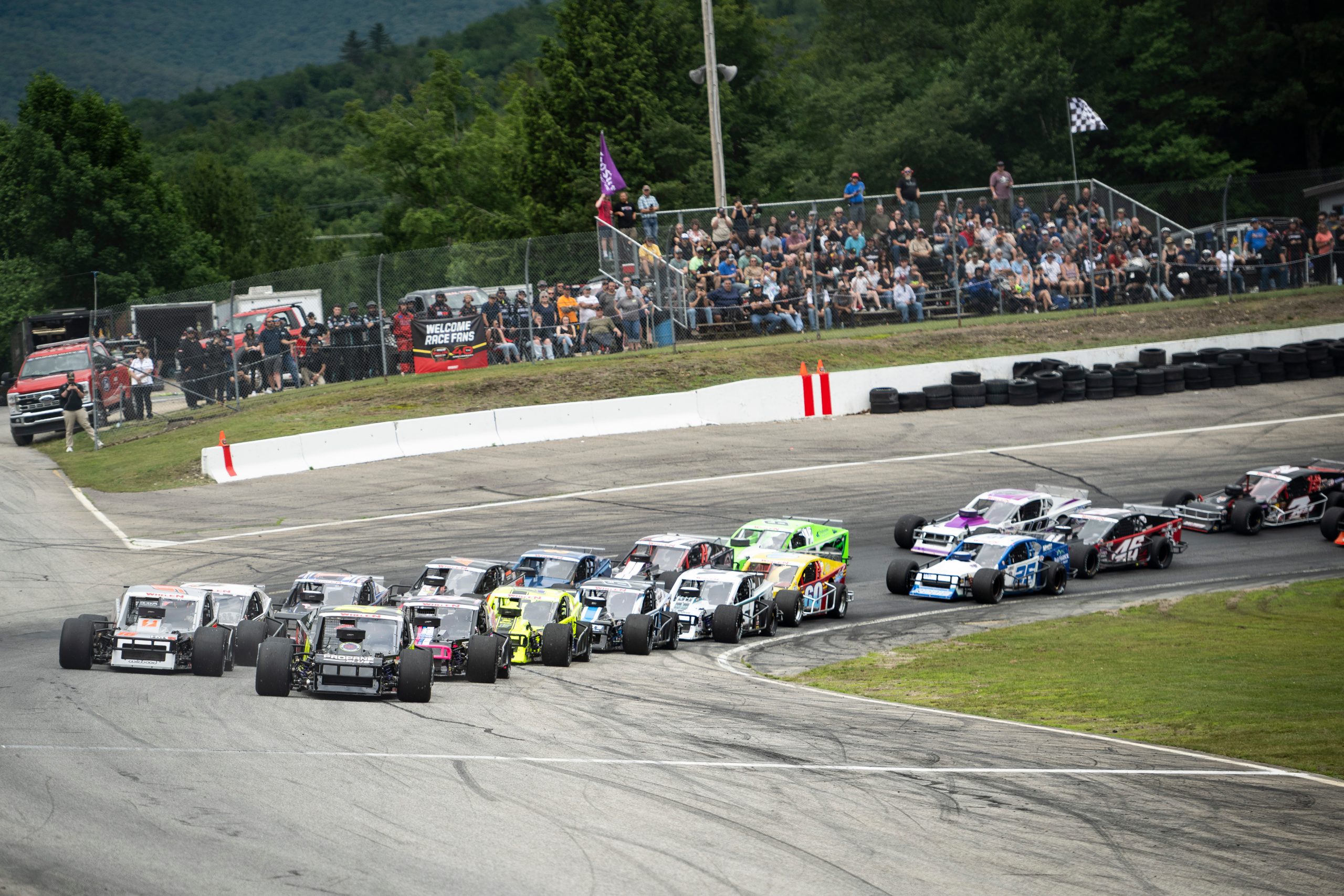
After inclement weather forced the postponement of the NASCAR Whelen Modified Tour’s planned trip to White Mountain Motorsports Park on June 20, the series is set to return to the quarter-mile oval this weekend for the Thunder in the Mountains 200 (Sunday, 3 p.m. ET on FloRacing).

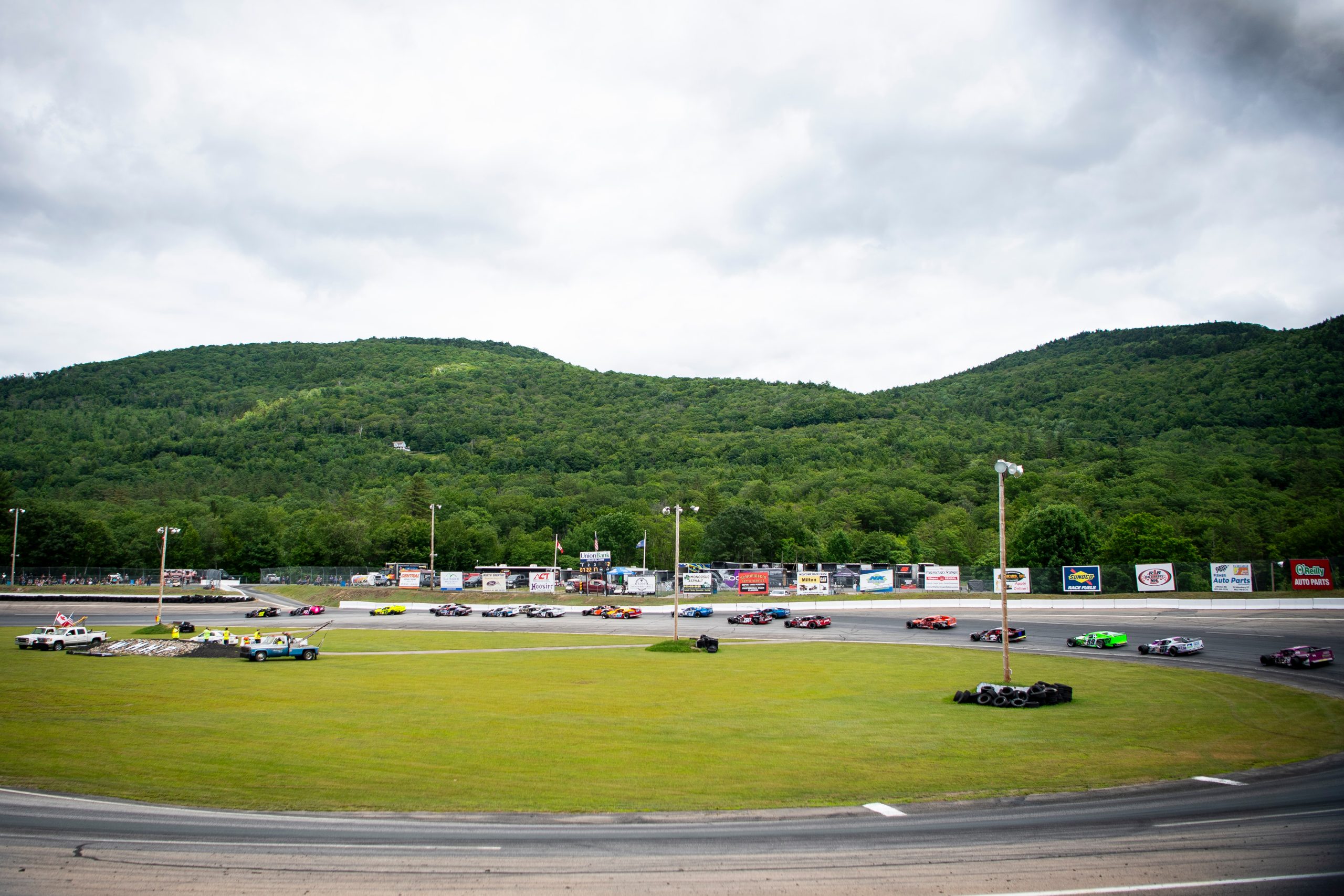
White Mountain has built a proud history of racing since first opening in 1993, yet Sunday will only serve as the NASCAR Whelen Modified Tour’s fourth visit to the facility. The first two races for the series at White Mountain only took place back in 2020, with the track added to the schedule following the onset of the COVID-19 pandemic.

The success of the first year despite the circumstances played a vital role in the Modified Tour returning to White Mountain in 2025. In those three events, White Mountain’s tight layout has offered Modified Tour competitors a small margin of error to utilize in their pursuit of a victory.

Three different drivers have reached the top of White Mountain during the Modified Tour’s brief history at the track. A fourth name will seek to join an elite group comprising of Justin Bonsignore, Doug Coby and Kyle Bonsignore as the Modified Tour enters the second half of the 2026 season.

Tickets to the Thunder in the Mountains 200 are available trackside. Below is everything to know ahead of Sunday’s race.

White Mountain Motorsports Park
Sunday will only be the fourth time the Modified Tour has visited White Mountain Motorsports Park in its history. (Photo: Jaiden Tripi/NASCAR Regional)

Thunder in the Mountains 200 at White Mountain Motorsports Park

After eight NASCAR Whelen Modified Tour races this year, a four-man race has emerged for the 2026 championship.

Leading the way with a five-point advantage is Patrick Emerling, who just earned his first victory of the year at Claremont Speedway last weekend. Emerling hopes to translate that momentum into a strong performance at White Mountain Motorsports Park, a track where he has not finished better than 15th across his three previous appearances.

Reigning NASCAR Whelen Modified Tour champion Austin Beers will be ready to capitalize on any misfortune Emerling encounters Sunday. The 2026 season has been quiet for Beers, who saw his top-10 streak come to an end after 45 races, yet five top fives in eight races have Beers in an optimal position to earn his first victory of 2026 on Sunday.

Sitting third in the Modified Tour standings is Jon McKennedy, who possesses two victories this season at Seekonk Speedway and Oxford Plains Raceway. Like Emerling, McKennedy has contested all three series events at White Mountain, but his best finish there is a fourth during the second race in 2020.

An early spin for Stephen Kopcik at Claremont saw him drop from the top of the Modified Tour standings to fourth, 10 points behind Emerling. Claremont was a low point amidst a breakout season for Kopcik that includes two victories, so he looks to bounce back at White Mountain, where he finished runner-up to Kyle Bonsignore last year.

The four contenders will have to deal with plenty of other talented names Sunday if they wish to bolster their Modified Tour championship odds. Those names include a past White Mountain winner in Doug Coby, along with Matt Hirschman, Mike Christopher Jr., Tyler Rypkeman, Eric Goodale and Anthony Nocella.

A full entry list for the Thunder in the Mountains 200 will be released later this week.

White Mountain Motorsports Park
With the championship picture in the Modified Tour taking place, Sunday’s Thunder in the Mountains 200 is a perfect chance for the frontrunners to build momentum over the second half of 2026. (Photo: Jaiden Tripi/NASCAR Regional)

RACING REFERENCE:

Race Thunder in the Mountains 200
Date Sunday, July 19, 2026
Track White Mountain Motorsports Park
Layout Quarter-mile asphalt oval
Location North Woodstock, New Hampshire
Start time 3 p.m. ET
Laps 200
Posted Awards $106,132
Tickets At track
How to Watch FloRacing

SCHEDULE: Sunday, July 19: Practice from 11:20 a.m. to 12:10 p.m. … American Racer Pole Award qualifying at 1:30 p.m. … Start of the Thunder in the Mountains 200 (200 Laps / 50 Miles) at 3 p.m. ET.

QUALIFYING: Two consecutive qualifying laps. Faster lap determines qualifying position. Adjustments or repairs may not be made on the vehicle after the vehicle has taken the green flag at the start/finish line. NASCAR reserves the right to have more than one vehicle engage in qualifying runs at the same time. Starting field for the Thunder in the Mountains 200 is limited to 28 starters including Provisional Positions.

TIRE ALLOTMENT: The maximum tire allotment available for this event is ten (10) tires per team. All tires used for qualifying and the race must be purchased at the track and scanned by NASCAR Officials, unless otherwise approved in advance by the Series Director. Four (4) tires must be used for qualifying and to begin the race. All qualifying tires must remain in impound until released by NASCAR Officials. The remaining tire allotment may be used for practice and/or change tires during the event. A maximum of two (2) tires of the allotment may be used as change tires. The tire change rule is two (2) tires per stop. This includes “swapping” tires front to back.

RE-DRAW PROCEDURE: The fastest qualifier will spin the wheel to determine the number of drivers that will re-draw for their starting positions: 4, 6, 8 or 10 positions will re-draw. Once the fastest qualifier spins the wheel, NASCAR will have the various buckets ready to immediately start the re-draw procedure. Driver will re-draw in their qualifying order after qualifying has been completed (1 through 10, or however many are applicable). The pole position and/or any bonus point(s), if applicable, will be awarded to the fastest qualifier and will be the pole of record. If, due to adverse conditions, qualifying is canceled, the field will be set in accordance with the 2026 NASCAR Whelen Modified Tour Rule Book. The re-draw procedure will still take place regardless of how the field is set.

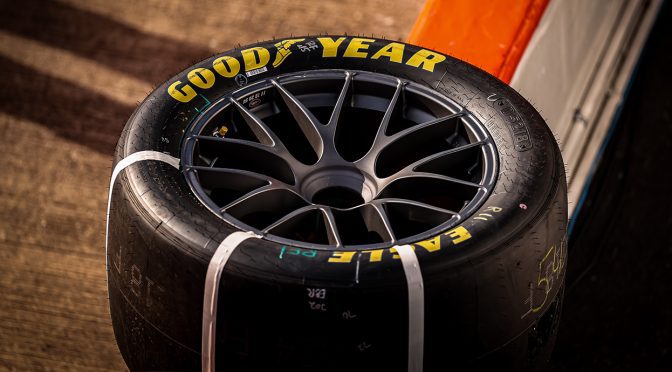
For the NASCAR Cup Series’ first points-paying race at North Wilkesboro Speedway since 1996, Goodyear will bring a familiar tire setup for 450 laps in the North Carolina mountains (Sun., 7 p.m. ET, TNT Sports, truTV, HBO Max, PRN Radio, SiriusXM NASCAR Radio).

Cup teams will use a package utilized twice in the past: each of the last two races at nearby Martinsville Speedway. Additionally, the right-side tires have raced twice this year at Bowman Gray Stadium and Phoenix Raceway.

While this is a new addition to the official Cup schedule, premier series teams visited the 0.625-mile short track each of the last three years for the exhibition All-Star Race.

RELATED: North Wilkesboro weekend schedule 

“Three years of All-Star Race data has helped us prepare for the NASCAR Cup Series’ first points race at North Wilkesboro in 30 years,” said Rick Heinrich, Goodyear NASCAR product manager. “The Goodyear Racing Eagle tire package we are bringing is one teams know well and is backed by years of short-track data at the likes of Martinsville, combined with what we’ve learned in previous years at North Wilkesboro, one of NASCAR’s most historic tracks.”

Meanwhile, the Craftsman Truck Series will utilize a new tire setup. The right-side tires have raced several times, including last year at North Wilkesboro, but the left-side tires are brand new. The specifications used by the tailgaiters were first introduced for the O’Reilly Auto Parts Series at Phoenix Raceway, but have yet to debut in the Truck Series.

Tire allotment for each team competing this weekend:

Cup Series: 10 total sets — 8 new for the race, 1 for qualifying, which transfers to the race, and 1 for practice. Teams will also have 4 wet-weather sets available, if needed.
Craftsman Truck Series: 5 total sets — 3 new for the race, 1 for qualifying, which transfers to the race, and 1 for practice. Teams will also have 3 wet-weather sets available, if needed.

The NASCAR Craftsman Truck Series transitions from the road-course confines of Lime Rock Park to the short-track North Wilkesboro Speedway on Saturday (12:30 p.m. ET, FS1, NASCAR Racing Network Radio, SiriusXM NASCAR Radio).

The race will be the 15th points-paying event of the 2026 Truck Series campaign. Chandler Smith is the defending North Wilkesboro winner.

ENTRY LISTS: Cup Series | Craftsman Truck Series

Four NASCAR Cup Series regulars — Chase Elliott (No. 7 Spire Motorsports Chevrolet), Christopher Bell (No. 62 Halmar Friesen Racing Toyota), Shane van Gisbergen (No. 71 Spire Motorsports Chevrolet) and Carson Hocevar (No. 77 Spire Motorsports Chevrolet) — will race the circuit this weekend.

Thirty-eight race trucks are entered into this weekend’s contest.

MORE: Weekend schedule | How to watch NASCAR on FS1

View the entries here:

After outlasting weather and late-night fireworks at EchoPark Speedway, the NASCAR Cup Series next contests North Wilkesboro Speedway on Sunday (7 p.m. ET, TNT Sports, truTV, HBO Max, PRN Radio, SiriusXM NASCAR Radio).

The trip to the 0.625-mile North Wilkesboro, North Carolina, track will mark the 21st points-paying event of the 2026 Cup campaign and act as the first points contest at the facility since 1996. More recently, the NASCAR All-Star Race was held at the track from 2023-25.

ENTRY LISTS: Cup Series | Craftsman Truck Series

Round 4 of the NASCAR In-Season Challenge will occur at the track. (No. 3 seed) Ryan Blaney — who triumphed at EchoPark — will battle (No. 10 seed) Christopher Bell, while (No. 4 seed) Chase Elliott will challenge (No. 25 seed) Todd Gilliland on the opposite side of the bracket.

Thirty-seven cars are entered into this weekend’s event.

MORE: Weekend schedule | How to watch NASCAR on TNT Sports

View the full entry list here:

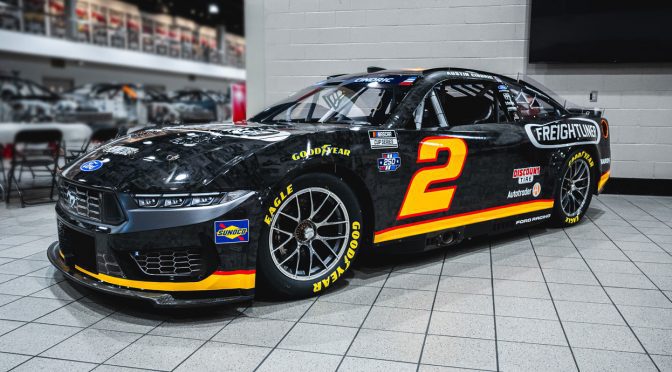
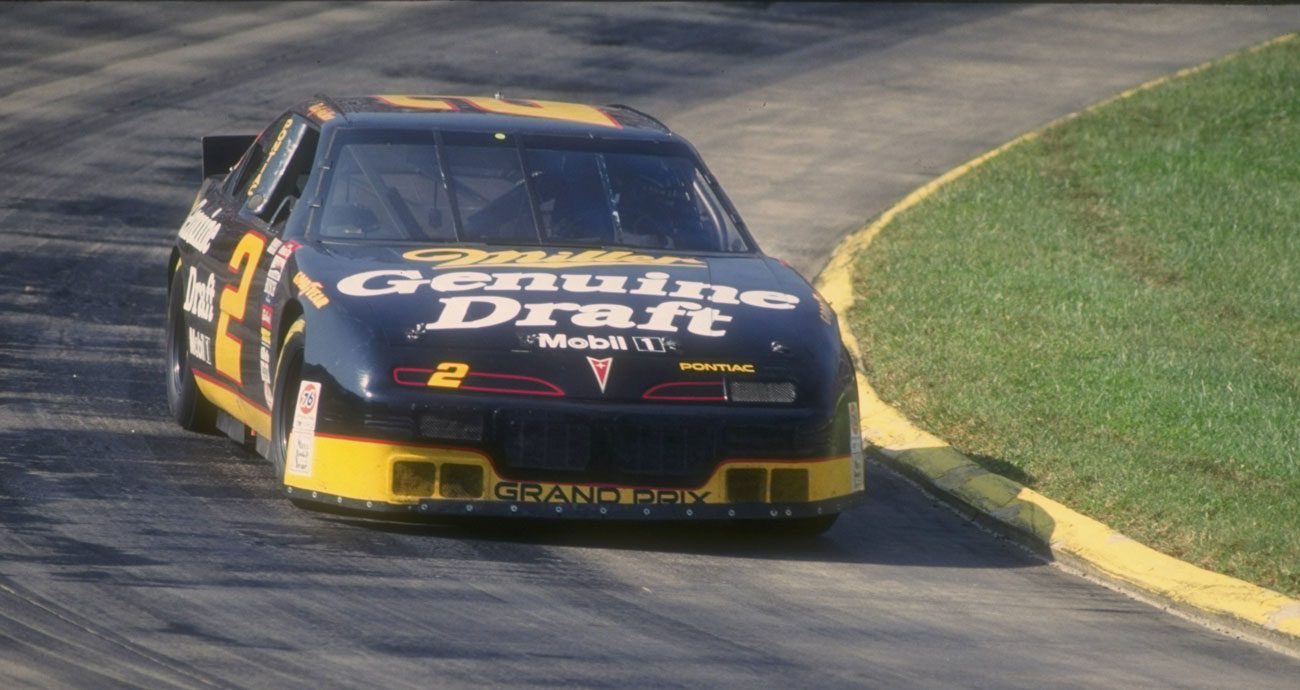
On Sunday, Austin Cindric will drive a No. 2 Freightliner Ford inspired by the iconic black-and-gold paint scheme that NASCAR Hall of Famer Rusty Wallace used to sweep the 1993 races at North Wilkesboro Speedway, Team Penske announced Monday.

The throwback in honor of Team Penske’s 60th anniversary comes just in time for North Wilkesboro’s return to the NASCAR Cup Series calendar, hosting a points-paying race for the first time since 1996 on Sunday (7 p.m. ET, TNT Sports, truTV, HBO Max, PRN Radio, SiriusXM NASCAR Radio).

MORE: Cup Series schedule | All angles of Cindric’s scheme

Wallace, the 1989 Cup Series champion and grand marshal of Sunday’s Window World 450, dominated the short tracks in 1993. Driving Team Penske’s No. 2 car some 33 years later, Cindric pays tribute to the man who built the foundation of Team Penske’s modern-day NASCAR program with a mosaic of photos across the scheme, accentuated by the names of Team Penske employees on the rear decklid.

“I think when you think of the No. 2 car, you think of Rusty Wallace. That’s the first thing you think of,” Cindric told NASCAR.com. “And obviously it’s the car, the team, the driver that really built Team Penske’s NASCAR program into what it is today, or at least a great foundation for it. So to be able to go through our 60th anniversary of Team Penske and to not have anything about Rusty Wallace, I think, would be a miss. …

“Actually talked to him (Wednesday). He’s all excited about how much he loved that car. Like, ‘Oh man, that’s a badass car!’ Like, all right, good, we’re gonna run it again. So it was cool to talk to him about that, and I think it’s gonna be great to have it out there, and most importantly, do my part in representing those colors well.”

In addition to the familiar colors will be the names of every current Team Penske employee. But four particular names will stand out: Mike Wingate, Jeffrey Thousand, Gary Brooks and Dave Munari. Each of those four worked on Wallace’s 1993 ride at Team Penske. More than three decades later, they’re still making a difference inside the shop walls in Mooresville, North Carolina.

“When you walk in the employee entrance at Team Penske, there’s a big board that has the 10-year and 20-year-plus employees on the board, and there’s a lot of names on that board,” Cindric said. “And I don’t think there’s too many race teams that have the success and the history that Team Penske has, but there’s not too many race teams that have that kind of tenure, that kind of workforce that can really provide championship-level experience. But also through the years and through the changes and how everything’s gone, I mean, those guys that you mentioned, I know most all of them. I see them every day. Those guys are still playing a very active role in the race shop, building our race cars. So as much as they are part of the furniture here, they are definitely still part of the workforce to make things happen and make these Ford Mustangs go fast.”

RELATED: Cup standings | Blaney wins at EchoPark

The quartet of employees remembers their 1993 campaign with Wallace fondly, and for good reason. Wallace earned a career-high 10 wins that year, sweeping races at both North Wilkesboro and Rockingham Speedway en route to a runner-up finish in the points standings.

Munari, then a fabricator and windshield cleaner on the No. 2 car, remembers the April race at North Wilkesboro particularly well for a radio conversation between Wallace and crew chief Buddy Parrott.

“Wilkesboro was the worst for traffic, but Rusty could really get through traffic,” Munari said in a teleconference. “I’ll tell you a little funny story about the Wilkesboro race, the spring race. Buddy Parrott was the crew chief, and we’d run 30 laps. We’re leading the race. Buddy said, ‘Rusty, come in here and pit for four tires.’ He said, ‘Buddy, are you crazy? We’ve only run 30 laps!’ He said, ‘I said get in here.’ We come in, change four tires. Rusty went out and just about lapped the second-place car. That’s how much tires meant. So we run about 20 laps, and Rusty goes, ‘Hey, Buddy, is it time to put tires on yet?’ ”

Rusty Wallace drives in a NASCAR Cup Series race in 1993.
Bill Hall | Getty Images

Together, Munari, Wingate, Thousand and Brooks represent a key quality of Team Penske’s long-tenured success: long-tenured employees. Each has remained with the company for more than half of Team Penske’s entire existence. For a company celebrating 60 years on the track, that says plenty.

“We have an owner that loves racing,” Thousand said. “And with that being said, he’s going to give us all the resources that we need to perform. Not to say (you don’t have your) typical ups and downs with racing, but we knew from the get-go with Roger supporting Team Penske that what we needed, we were going to get.”

Brooks had previously worked for Ranier Racing in 1980 and 1981, J.D. Stacy’s team in 1982 and ’83 and Precision Products Racing from 1984 through 1990 before joining Penske in 1991.

“When I first came to work here, just getting a chance to go to work for Roger Penske meant a whole lot to me. I always wanted to do that,” Brooks said. “I worked for other teams, and whenever they (Penske) would show up, you’d sit there and see them unload the stuff they had and the equipment they had, and whatever. It was like, man, look at that. These guys have got it going on over there. So that’s what enticed me to actually just want to be here and take the job, and then it’s just caliber of the people. Everybody tries to do their best at whatever you’re doing, and that always makes you still try to do the best that you can do at whatever it is you’re doing. And it doesn’t matter what job it is. It takes everybody to make the whole thing click. And just being part of that, being a part of the camaraderie of all the guys, they work hard to do whatever, it’s just part of it, and I enjoy being here.”

Cindric is still seeking his first win of 2026 but knows the short tracks and superspeedways are where Team Penske has generally excelled. He’s not relying on past success heading into Sunday night’s feature race, but he will be using those notes to prepare for an important showing as driver of Team Penske’s flagship car — a No. 2 entry that represents the brunt of Team Penske’s success, including a combined 82 wins between Wallace (37), Brad Keselowski (34), Kurt Busch (eight) and Cindric (three) to pair with Keselowski’s 2012 Cup Series championship.

“For me, the biggest win is getting the employees involved and it being a home race in a lot of sense,” Cindric said. “I mean, you think of Charlotte being a home race, but this is still very much a home race to have this all in-house and be able to thank the people that really make Team Penske what it is.”