Editor’s Note: Sunday’s Cup Series race at New Hampshire has been moved up to 2 p.m. ET (USA Network, HBO Max, PRN Radio and SiriusXM NASCAR Radio). Keep tabs on this page for lineup advice following qualifying, including changes you should consider.
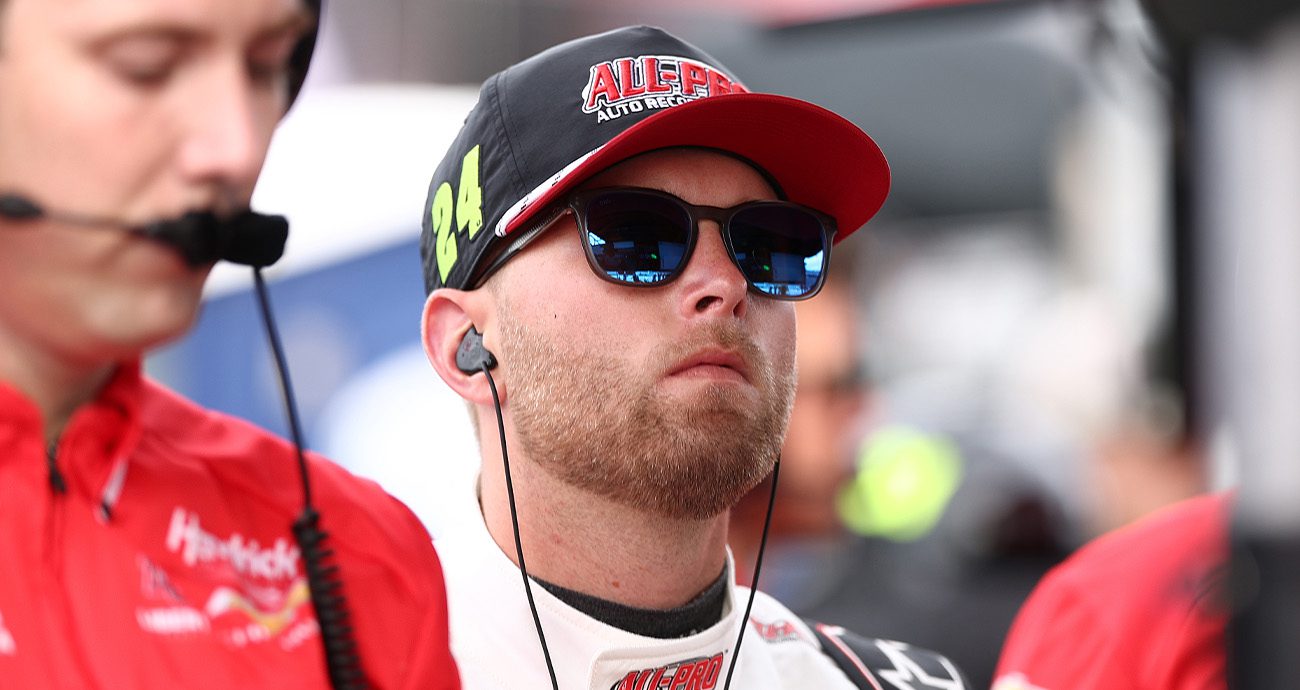
Fantasy Update: Qualifying results from Saturday at New Hampshire Motor Speedway could be deceiving. Tyler Reddick won the Busch Light Pole Award, but the No. 45 23XI Racing Toyota was out to lunch during practice. Denny Hamlin wasn’t pleased with his No. 11 Joe Gibbs Racing Toyota, either, yet he still cracked the top five in the starting lineup. Meanwhile, Chase Briscoe and Joey Logano, both of whom should be strong during the 301-lap event, will have to overcome mid-pack starting spots. If you have Ryan Blaney available, use the No. 12 Ford. He was strongest on the 15-, 20-, 25- and 30-lap averages in practice. I’m also swapping out Hendrick Motorsports drivers, now favoring William Byron over Kyle Larson. The No. 24 Chevrolet cracked the top five on short- and long-run averages in practice.
Starting five: Christopher Bell, Josh Berry, Joey Logano, Chase Briscoe, Ty Gibbs.
Garage: William Byron.
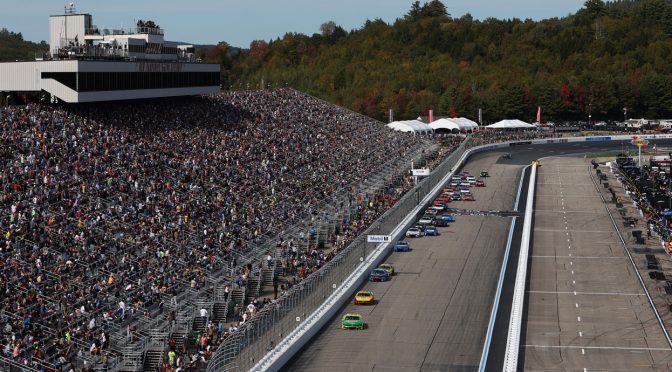
Another week, another short, flat track where Team Penske should be the organization to beat once again, this time at New Hampshire Motor Speedway. Christopher Bell could be the company’s biggest threat, however, as he’s owned the 1.058-mile oval throughout his NASCAR career, no matter the series. The best drivers and teams tend to dominate the “Magic Mile,” with 13 of the last 17 winners also claiming a Cup Series title.
Returning to Fastlane this year is my weekly NASCAR 36 for 36 pick, where you can play along. It’s a season-long points battle introduced in 2024 where strategy is the primary emphasis. With 36 chartered cars and 36 races on the 2026 schedule, players can choose each car once for the duration of the season.
Driver: Christopher Bell, Joe Gibbs Racing, No. 20 Toyota Selections remaining: 1 Comment: Since bursting onto the NASCAR scene, Bell has made New Hampshire his personal playground. He is undefeated in four O’Reilly Auto Parts Series starts, earning a pair of additional victories in Cup competition, both coming in the last four events. The Oklahoma native also has finishes of first and second in Craftsman Truck Series competition in the Granite State.
Driver:Joey Logano, Team Penske, No. 22 Ford Selections remaining: 3 Comment: The three-time Cup champion is white-hot over the last five races, tallying north of 40% of his season points total in that timeframe (264 of 659). The native New Englander is a two-time winner at his home venue, leading a race-high 147 laps last year before taking the checkered flag in fourth.
Driver: Ryan Blaney, Team Penske, No. 12 Ford Selections remaining: 0 Comment: Blaney will be idle from my lineup this weekend after using my final start with him at Richmond Raceway. But if you have a start left with the No. 12 bunch, use it now. He led 116 laps to win at New Hampshire last year, and he has three flat-track triumphs in the last calendar year.
Sean Gardner | Getty Images
DRIVERS TO AVOID
Driver: William Byron, Hendrick Motorsports, No. 24 Chevrolet Selections remaining: 4 Comment: Byron finished on the podium at New Hampshire in 2025, his lone top 10 in eight starts at the 1.058-mile venue. New Hampshire has been a struggle point for Hendrick Motorsports, which has won 118 times at 28 different venues since last hoisting Loudon the Lobster in Victory Lane (Kasey Kahne, 2012).
Driver: Bubba Wallace, 23XI Racing, No. 23 Toyota Selections remaining: 6 Comment: Wallace has yet to find consistent results at New Hampshire, though he placed third in 2022. He has one additional top 10 in eight total starts, with the other six tries being finishes of 22nd or worse.
Meg Oliphant | Getty Images
SLEEPERS OF THE WEEK
Driver:Josh Berry, Wood Brothers Racing, No. 21 Ford Selections remaining: 10 Comment: Berry is racing for his future, and it’s paid off with three straight top 10s, tying the longest stretch of his career. The No. 21 team finished runner-up to Blaney last year and was hunting the leader down at the checkered flag. In two New Hampshire starts, Berry has finished second and third, respectively.
Driver:Brad Keselowski, RFK Racing, No. 6 Ford Selections remaining: 6 Comment: Sitting a season-worst 78 points below the Chase cutline, time is running out for Keselowski to make any sort of Chase push. However, he has a pair of wins here, with 16 top-10 finishes in 25 starts. Five of those have come in the last seven visits.
Jacob Kupferman | Getty Images
FEATURED MATCHUPS
Joey Logano vs. Ryan Blaney
Pick: Logano Comment: This is a tossup between Penske brethren but give me Logano. As he said on the Richmond frontstretch, “Don’t let the boys get hot.” Blaney has been a tad less consistent, comparatively, at New Hampshire, with five top 10s in 13 starts.
Chase Briscoe vs. Josh Berry
Pick: Briscoe Comment: While Berry is riding high entering New Hampshire, Briscoe is sizzling, too. He considers Richmond and New Hampshire to be among his worst tracks on the schedule, but coincidentally, they have been among the strongest for the No. 19 crew over the years with Martin Truex Jr. It wouldn’t be shocking if this was a battle late inside the top five.
Christopher Bell vs. Denny Hamlin
Pick: Bell Comment: Bell should be the popular pick this weekend. Hamlin, who I’ve also run out of starts with, is no slouch at New Hampshire, as he leads active drivers in wins (three), laps led (798), top 10s (19), and has an average finish of 9.9. The No. 11 team has 11 consecutive top-five finishes at non-drafting track ovals in 2026. This could be a battle for the win if the JGR duo can outshine Penske.
Shane van Gisbergen vs. Ryan Preece
Pick: Van Gisbergen Comment: While Preece will get some love this week due to his New England roots, don’t overlook van Gisbergen. The box score shows a 32nd-place finish last year, but he qualified 10th and earned points in Stage 1. He was involved in a pair of incidents later in the race, dropping him in the running order. It’s been apparent of late how well SVG has improved at short tracks.
MY LINEUP
Starting five: Christopher Bell, Joey Logano, Chase Briscoe, Josh Berry, Ty Gibbs. Garage: Kyle Larson.
36 FOR 36
Pick: Ryan Preece, RFK Racing, No. 60 Ford Comment: It’s make-or-break time for Preece and the No. 60 team. He sits 50 points below the Chase cutline with two regular-season races remaining. While Preece is praised for his short-track prowess, he recently said Martinsville Speedway is the only track where he feels he can contend for a win every year, no matter the circumstances. RFK will need to put its eggs in Preece’s basket this weekend as it looks to earn multiple Chase berths.
It’s officially do-or-die in the 2026 NASCAR Craftsman Truck Series quest for The Chase.
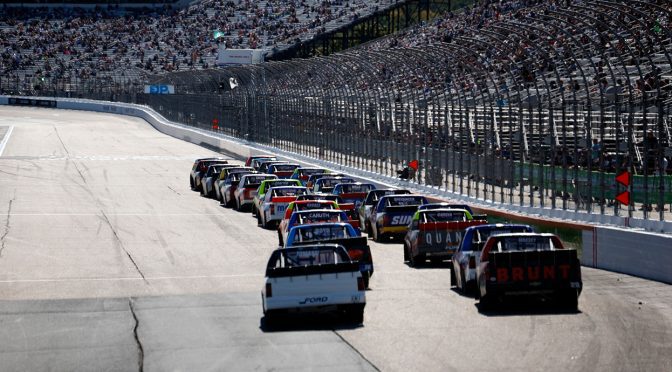
The regular-season finale is on tap Saturday at New Hampshire Motor Speedway (1:30 p.m. ET, FS1, HBO Max, NASCAR Racing Network Radio, SiriusXM NASCAR Radio), with four of the 10 postseason positions still up for grabs. Mathematically speaking, 10 drivers remain eligible to claim the final quartet of Chase spots, which will be decided over 175 laps at the 1.058-mile oval.
As the Truck Series shifts northeast for the final time in 2026, take a look at The Chase bubble, including who’s locked in and who needs a strong showing in Loudon.
Layne Riggs leads the tailgaters through 17 races, owning a 61-point lead over Kaden Honeycutt in pursuit of the coveted No. 1 seed. Riggs could have clinched the top spot last weekend at Richmond Raceway, but a pair of slow pit stops — along with a perfect 76-point day and victory for Honeycutt — allowed the Tricon Garage driver to chip 39 points off his deficit. It would take a Herculean task to dethrone Riggs at New Hampshire alone, but more importantly for Honeycutt, he brings momentum into the championship fight. Riggs has been solid all year long, and Front Row Motorsports in particular thrives at shorter, flatter ovals like Loudon. He needs just 15 points at New Hampshire to clinch.
Chandler Smith and Christian Eckes are third and fourth, respectively, too far behind to contend for the top seed but constantly the best of the rest. Smith’s two wins this season have all but solidified the No. 3 seed for The Chase, while Eckes continues to search. The No. 91 McAnally-Hilgemann Racing driver is winless since returning to the organization over the winter, a far cry from his eight victories between 2023 and 2024. Don’t count out either driver from making a Chase rally.
Gio Ruggiero sits fifth in points coming off a ninth-place effort at Richmond, recovering from an early lost lap. The No. 17 Tricon Garage driver has made significant strides from last year, improving his average start and average finish and is tracking toward a career high in top 10s amid his first postseason bid. Ruggiero won last fall at Talladega Superspeedway — and more victories could soon be on the horizon. Ty Majeski is sixth, 48 markers behind Ruggiero. He clinched a Chase spot at Richmond despite a flat tire setting him a lap off the pace, resulting in a 19th-place finish. Majeski’s earned back-to-back top 10s just once this year in a season defined by feast or famine — he’s finished outside the top 20 seven times, and remains winless since his championship-claiming triumph in 2024 at Phoenix Raceway.
Grant Enfinger is all but officially locked into The Chase, entering New Hampshire 65 points above the cutline. He earned a crucial fifth-place finish at Richmond, attacking the final stage on an alternate strategy that positioned him for a potential victory. That effort marked his best result since taking CR7 Motorsports to a season-altering triumph last month at Lime Rock Park. Regardless of other drivers’ results, a 10-point day in Loudon will confirm his championship aspirations. He finished sixth there in 2025, the series’ first visit to the track in eight years.
ThorSport’s Ben Rhodes maintains the eighth spot, holding 53 points above the cutline. Similarly to Enfinger, he’s safe — and a solid trip to the “Magic Mile” positions him to pursue a third Truck Series title. He’s earned just two top 10s in the last 10 races, though, and has gradually slipped three spots in the overall ranks during that span. Rhodes can clinch a Chase spot with 22 points.
Behind him, McAnally-Hilgemann Racing’s Daniel Hemric is ninth, 35 markers to the good. That’s certainly not a sure thing, but it’s a notable advantage over the cut. The 2021 NASCAR O’Reilly Auto Parts Series champion has top 10s in three of his last five contests and seems headed in the right direction after a slow start to 2026. Without help, Hemric can clinch with 40 points.
Who has work to do
This is where the plot thickens.
Tyler Ankrum holds the final provisional Chase spot by 20 points over Stewart Friesen — who suffered a brutal blow to his postseason aspirations with a crash last weekend at Richmond. The Halmar Friesen Racing driver suffered a tire issue during the final stage and pounded the Turn 1 wall, resulting in a last-place finish. That dropped him 28 points, surrendering the 10th position to Ankrum — who banked 29 points and came home 11th. He can now clinch a Chase spot with 55 points.
Friesen’s 11th in points by just one marker over Jake Garcia, who’s searching for a second-consecutive postseason berth. He gained 11 points to the cutline with a sixth-place Richmond effort, his first top-10 finish in five races.
Should Friesen — who missed last year’s Loudon race due to a dirt modified injury — overcome this deficit, it would be his fifth postseason appearance. He made the Championship 4 in 2019 and most recently made the playoffs in 2022. Both Friesen and Garcia need to earn 75 points without help Saturday to clinch Chase spots.
Four other drivers remain Chase-eligible, but all need help. Brenden Queen leads the Kaulig Racing Ram brigade in 13th, 47 points below the cut. Andrés Pérez is minus-49, followed by Tricon’s Tanner Gray (minus-59) and Kaulig’s Justin Haley (minus-70). Queen, Pérez and Gray are all searching for their first career postseason appearances.
Additionally, four full-time drivers are eliminated: Dawson Sutton, Cole Butcher, Mini Tyrrell and Kris Wright.
Richmond Raceway did not “fix” Hendrick Motorsports’ summer.
It did, however, give the organization something it had been missing for months: four cars pointing in the same direction.
No. 9 Chevrolet driver Chase Elliott finished fifth under the lights on Saturday night, his best result since winning at Texas Motor Speedway in May, ending a career-long nine-race streak outside the top 10. Reigning NASCAR Cup Series champion Kyle Larson followed in sixth, snapping his own run of four consecutive races off the lead lap and scoring his first top 10 since Sonoma Raceway in June. A somehow winless William Byron came home ninth for his second straight top 10; his first consecutive pair since March, while Alex Bowman finished 10th for the first time since Chicagoland Speedway in July.
Individually, none of those results qualify as a breakthrough.
Collectively, they might.
Richmond marked the first time all four Hendrick cars finished in the top 10 since Talladega Superspeedway in April 2025. More importantly, it came immediately after a four-race stretch in which 16 Hendrick starts produced zero top fives, one top 10, five top-15 finishes and just 27 laps led.
At Richmond, though? Four starts, four top 10s.
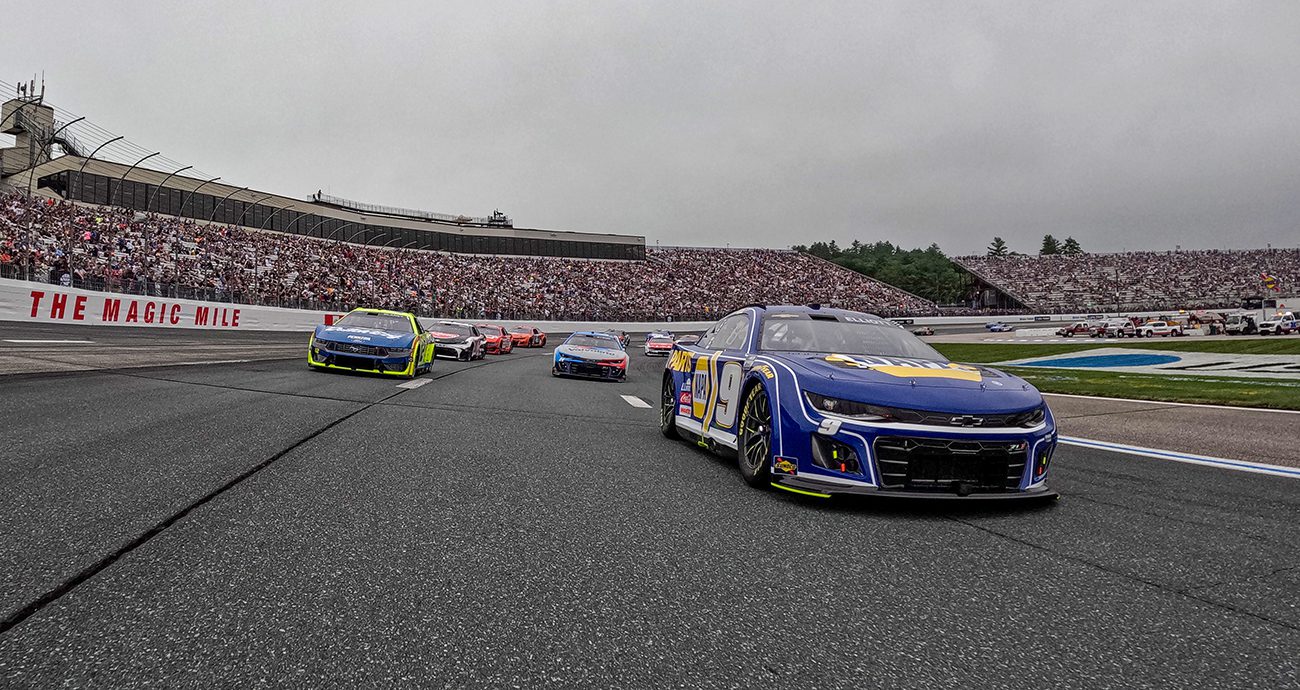
A modest spark, perhaps, but with only Sunday’s Dollar Tree 301 (2 p.m. ET, USA Network, HBO Max, PRN Radio, SiriusXM NASCAR Radio) at New Hampshire Motor Speedway and next weekend’s Daytona International Speedway cutoff remaining before The Chase, there is little time left to determine whether there is any actual heat behind the flame.
That makes the “Magic Mile” an unusually useful test for a team that by now typically already has its sights set on paving a path to a championship in the fall rather than wondering if it’ll go a whole summer winless.
Daytona will settle the regular season a week later, but drafting tracks tend to introduce their own variables. Loudon offers Hendrick one final conventional look at itself before The Chase begins — 301 laps around a flat, technical 1.058-mile oval where speed, balance, track position and execution tend to have enough time to reveal themselves.
If Richmond was simply a pleasant one-night reprieve from an uneven summer, New Hampshire could expose it. If something is genuinely beginning to click again across the Hendrick campus, this is where the evidence can start stacking up.
And there is plenty to prove.
Even with two early-season victories from Elliott, Hendrick’s 2026 numbers remain almost unrecognizable compared with the organization’s production through the same 24 races last season.
The championship team had six wins at this point in 2025, and its top-five total has fallen from 32 to 21, with top 10s dropping from 52 to 37. The most dramatic gap is up front: Hendrick led 2,328 laps through 24 races last year compared with 1,073 this season — a decline of 1,255 laps. Meanwhile, DNFs have climbed from eight to 13.
The unfortunate flip side for the team is that, in the process, its greatest competitors have moved in the opposite direction. Joe Gibbs Racing has led 2,067 laps this season and Team Penske 1,287 (split between just three drivers, as opposed to Hendrick and JGR’s four apiece), both ahead of Hendrick. JGR has seven wins (with another seven tacked on by Toyota affiliate 23XI Racing), while Penske has four itself, and three in the last four races alone.
This is not to suggest Hendrick suddenly became an also-ran. Elliott is already locked into The Chase, Larson sits eighth in points and Byron is 12th. Bowman would likely be in the mix for a Chase spot as well, had he avoided injury earlier this season. Larson, to his credit, remains one of the sport’s most prolific lap leaders, even while riding a career-long Hendrick winless streak, and ranks just behind season stalwarts Denny Hamlin (880) and Ryan Blaney (708) for third best in the series.
By its own recent standards, though, the organization has spent much of 2026 producing isolated flashes rather than the sustained, four-car pressure we’ve grown accustomed to.
But Richmond looked different — and New Hampshire now gets to determine whether it actually was.
There is some irony in choosing Loudon as the proving ground, because Hendrick’s relationship with the track has been simultaneously productive and maddening for more than a decade. That’s also what makes it a perfect location for a late-summer barometer.
The stat has been repeated ad nauseam at this point, but, in case you’re unaware, it was Kasey Kahne who delivered the organization’s ninth and most recent New Hampshire victory. The same Kasey Kahne who last drove in the Cup Series in 2018 and not for Hendrick since ’17.
The team has won 118 Cup races at 28 different tracks since the former No. 5 driver claimed a lobster in 2012 just weeks after the team’s current driver, then a spry 19-year-old, made his NASCAR debut with a top 10 in a Truck Series race at Kentucky Speedway.
It has won five championships since, two of them going to that 19-now-34-year-old.
At New Hampshire, Hendrick cars have finished in literally every position from second through 15th since Kahne’s victory — but never first. Clearly, not the profile of an organization incapable of competing at Loudon, but almost the opposite, as Hendrick has repeatedly gotten close enough to make the absence conspicuous and perhaps down to just peculiar circumstances.
Last year was a prime example.
Byron finished third, Elliott fifth and Larson seventh, while Bowman came home 15th. Byron essentially spent the entire afternoon near the front, with a 4.7 average running position, while Larson’s was 6.0. Elliott charged from 27th to fifth and spent three laps out front.
The ingredients were there. The trophy went elsewhere. Again.
No current Hendrick driver illustrates that relationship better than Larson. Among drivers with multiple New Hampshire starts, Larson’s 10.93 average finish ranks behind only Josh Berry’s absurd two-race sample (2.5) and Denny Hamlin’s 9.94. Larson owns six top fives and nine top 10s in 15 starts and carries an active streak of three consecutive top-10 finishes at the track.
He has also finished second three times — the most runner-up results in New Hampshire history by a driver who has never won there.
That is how many laps Larson has led in those 15 starts, his fewest at any active oval where he has raced multiple times. For a driver who has led 11,001 Cup laps overall and routinely measures his best afternoons in chunks of triple-digit dominance, Loudon has produced a peculiar brand of Larson success: close to the front of the pack, but rarely leading the charge.
It also arrives at a telling moment for the No. 5 team.
Larson’s current 48-race winless streak is his longest since joining Hendrick in 2021. Before the drought began with his most recent victory at Kansas in May 2025, he had won exactly one of every six races during his Hendrick tenure.
The laps led indicate that the speed has hardly disappeared completely; it’s just that the conversion rate, for whatever reason, has.
A strong Loudon afternoon would not erase 48 races, of course, but it could, however, provide another useful data point — along with a lobsterman’s boatload of mojo — after Richmond finally interrupted a rough recent stretch.
The same applies elsewhere in the building, too.
Jonathan Bachman | Getty Images
Elliott’s fifth-place Richmond finish carried particular weight because of what preceded it. After opening 2026 with seven top 10s and two wins in the first 11 races, he went nine straight without another top 10 before Richmond.
New Hampshire has not traditionally been one of the “automatic” tracks for him — four top 10s in 12 starts are his fewest at any venue where he has raced more than 10 times — but he has shown winning-level pace there on occasion. Elliott finished second in 2022, led 41 laps from the pole in 2024 and rallied through the field last year at a track that’s notoriously hard to pass on.
Byron’s recent progress is a bit quieter but no less relevant.
His ninth at Richmond gave him back-to-back top 10s for the first time since March, after a stretch in which he recorded only four top 10s across 11 races and a notable public radio spat with his longtime crew chief. His overall New Hampshire record is thin — one top 10 in eight starts — but that lone result came last year, when he finished third, scored points in both stages and posted the 4.7 average running position.
Bowman remains the biggest question mark. Richmond gave him his first top 10 in more than a month, but New Hampshire has produced only one top 10 in 14 career starts and no laps led. While he’s out of the running for a Chase bid, the No. 48 team is looking to string together strong weeks to carry momentum into 2027, which will be Bowman’s final year in the Cup Series before handing the reins to Connor Zilisch for 2028.
No one is demanding a Hendrick victory Sunday, and it’s nowhere near a ‘must-win’ for the team. This is more about examining the shape of the performance after showing cohesive vitality at Richmond. A win would obviously end a remarkable and baffling New Hampshire drought, but another afternoon with three or four cars consistently inside the top 10, collecting stage points, creating passing speed and inserting themselves into the late-race conversation could be just as informative for what comes next.
Because Hendrick’s problem this summer has not simply been a lack of trophies, but an overall concerning scarcity of weekends when all four teams looked like meaningful factors at once.
Richmond finally supplied one. New Hampshire is uniquely set up for Hendrick drivers to prove it wasn’t a flat-track fluke.
Loudon has been good enough to Hendrick over the years to make contention realistic, yet difficult enough to keep Victory Lane locked away since 2012, conveniently positioned as the final non-drafting checkpoint before The Chase.
Short of an entirely dominant race weekend, we may not have firm, undeniable evidence that Hendrick is “back” by Sunday evening.
But if Richmond was the beginning of something rather than the exception, Loudon will highlight it.
Or perhaps the “Magic Mile” might expose the illusion altogether.
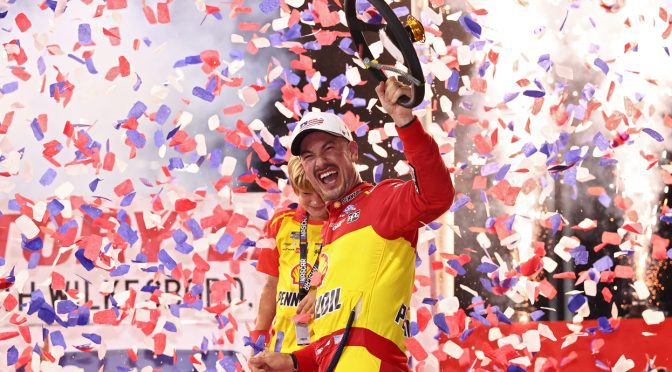
What a difference seven weeks can make — just ask Joey Logano.
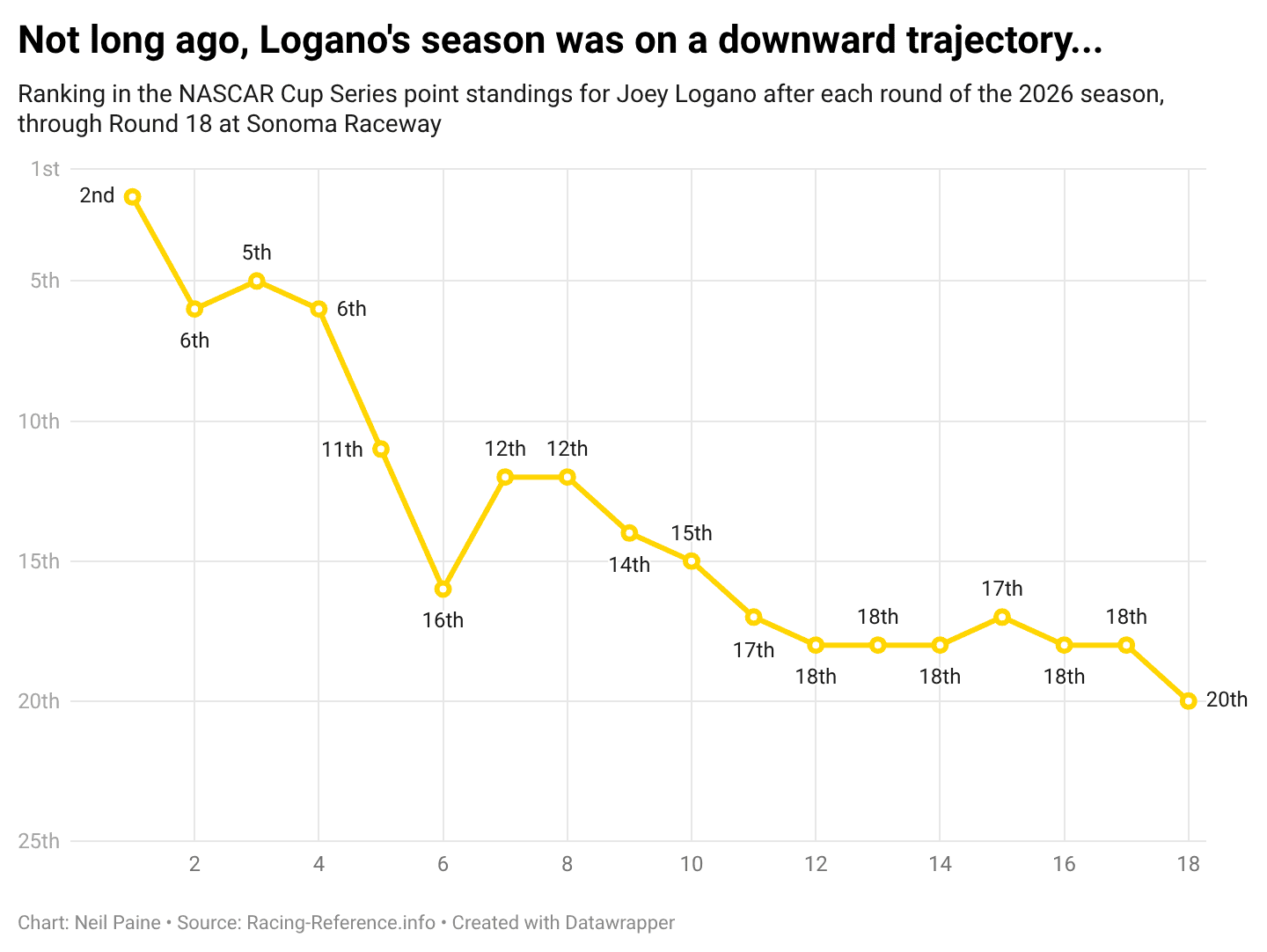
Back on June 28, Logano was coming off a 24th-place finish at Sonoma Raceway, his eighth finish that low (or worse) in 18 races. He had zero wins on the season, with just a pair of top-five finishes and five top 10s — just the second time he’d gone winless through the first 18 races of a season since 2013. And perhaps most concerning, the mediocre run in California’s Wine Country dropped Logano to 20th in the Cup Series point standings, his worst position of the season with just eight races remaining before The Chase. In the first season of NASCAR’s renewed Chase postseason format, Logano appeared to be doing little to dispel the notion that the three-time champion under the old playoff system would be less suited to winning titles in this new era — or even survive the regular-season cutline at all.
But then, something began to shift in the No. 22 car’s performance. While his Driver Rating remained slightly below average (67.7) the following week at Chicagoland, Logano still managed to finish 12th, his best showing in a month, to improve to 18th in the points — still below the cutline but drawing closer.
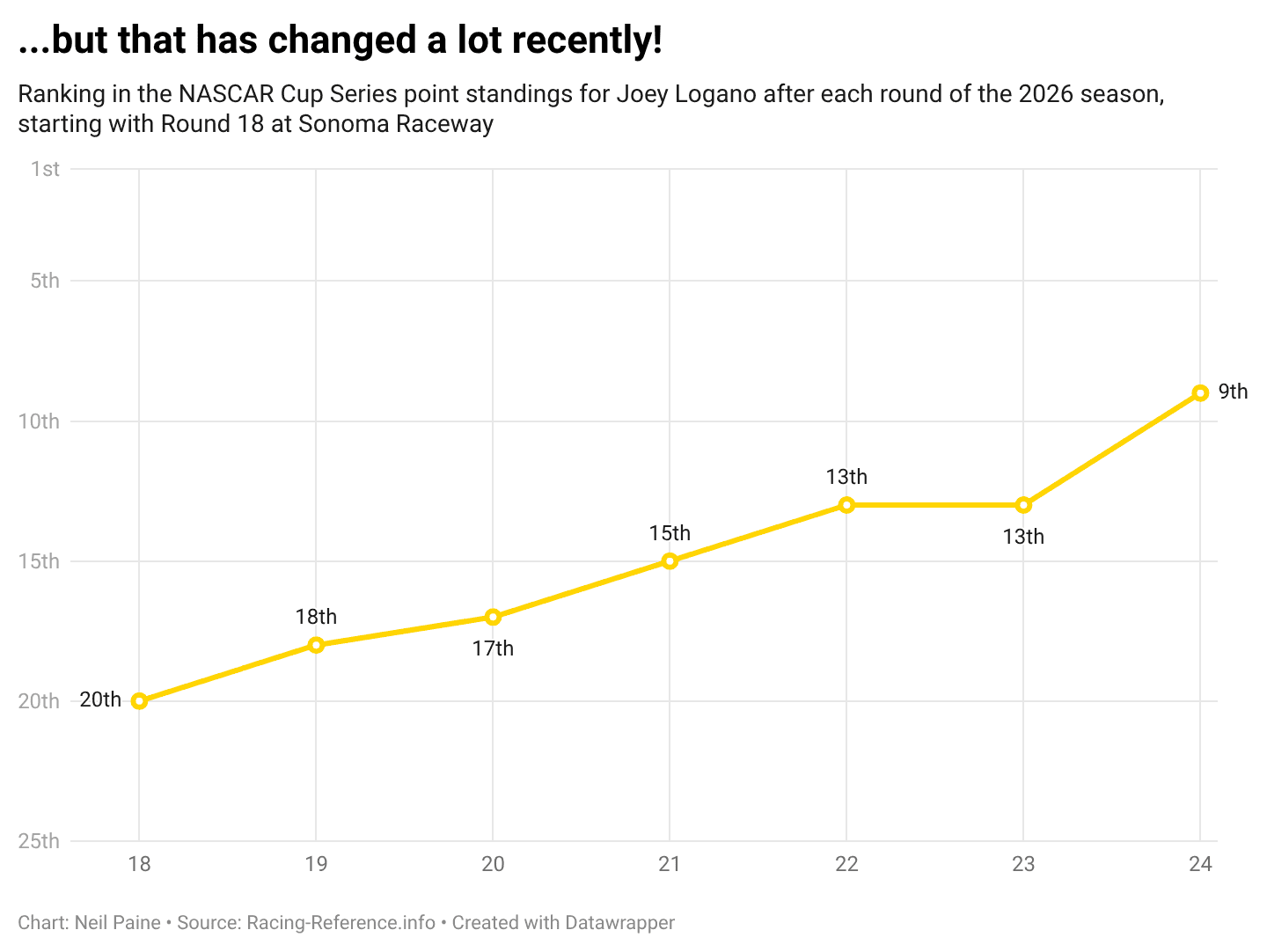
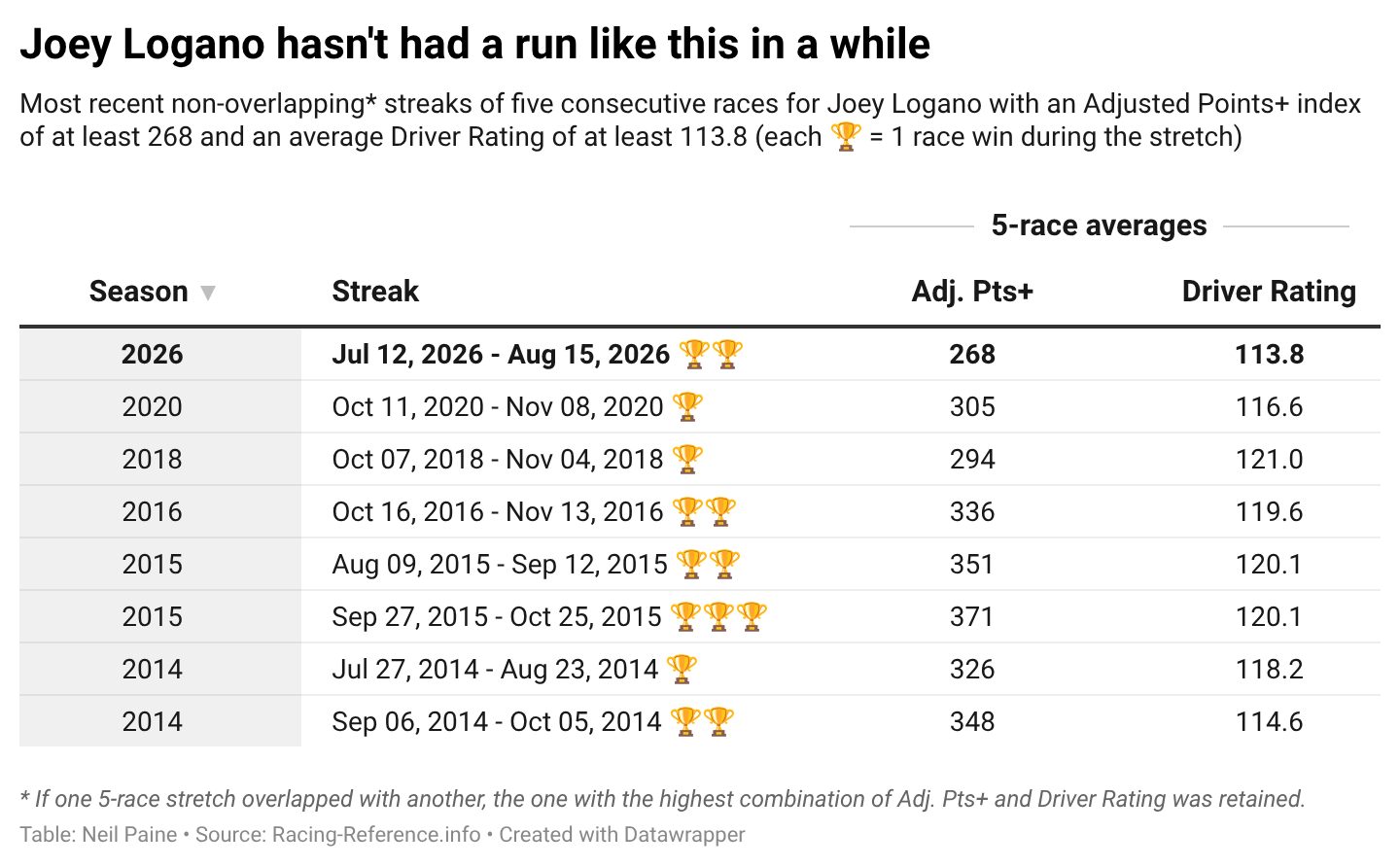
Even at the time, we expressed concern Logano could end up being the odd man out of a crowded Chase picture, despite calling for improved form for the Penske cars going forward. But few outside the No. 22 team foresaw exactly how much Logano and crew chief Paul Wolfe would improve from there: Starting at EchoPark Speedway (a recurring Logano favorite that has seen him win twice in the Next Gen era), Joey has strung together four top 10s in five races — including a pair of wins — and five straight Driver Ratings of 91.4 or higher, with an average of 113.8 over that span.
Not coincidentally, Logano has gone from sitting below the Chase cutline to rising all the way to ninth in the standings, 142 points clear of elimination. What once seemed like an uncertain championship future suddenly looks a lot rosier.
Maybe we shouldn’t have been surprised that, when backed against the wall with his postseason prospects dwindling, Logano responded with a series of elite performances. After all, this is one of the best clutch drivers of his generation. As we detailed during last year’s playoffs, Logano always has a tendency to elevate his game when the stakes are highest, outperforming his regular-season metrics in all but a few of his postseason runs and maintaining a triple-digit average Driver Rating when actively in a championship pursuit.
But even by Joey’s standards, this recent stretch has turned the clock back to a level of dominance we hadn’t seen in a while. The last time we saw him produce a five-race streak this strong — with an average Driver Rating of at least 113.8 and an Adjusted Points+ index of 268 — was in November 2020, when he closed out the season with five straight top 10s (four of which were podium finishes). Before that, his last such stretch was late in the 2018 campaign, and before that, late in 2016. (Are we sensing a pattern of elite late-season performances here?) If anything, a run like this in July and August is on the early side for Logano. But what does it mean for his chances of making a true bid at his fourth Cup Series title?
Well, as good as Joey has been recently, he probably has a bit more work to do over the next two races at New Hampshire and Daytona. Much has been made of the importance of finishing in the top six of the final regular-season standings if a driver wants a legitimate chance to win the championship. That’s the line at which a driver begins The Chase within 50 points of the No. 1 seed, and it also happens to be the lowest position from which a hypothetical eventual champ ended the regular season when we reconstructed the current Chase rules for the playoff era (2017-2025): While there may be some wiggle room to work with around where the true barrier of realistic contending sits — my simulation-based forecast model gives about a 5% chance to drivers who enter The Chase outside the top six seeds — it is also true that no driver in the playoff era rose any higher than fourth in the final rankings from Logano’s current perch at No. 9 in the standings, and the vast majority of them ended up finishing sixth or lower.
But that’s if we think Logano is going to keep driving like the typical No. 9 seed in the regular-season standings. And lately, there has been nothing typical about the way the No. 22 has been performing. Just seven short weeks ago, the question was whether Joey would make The Chase at all. Now the question is whether the rest of the field should be as scared to have him there under the current format as they perennially were during the playoff era.
Editor’s Note: John Hunter Nemechek will run the No. 40 this weekend in New Hampshire in honor of Legacy Motor Club sponsor Dollar Tree’s 40th anniversary.
The NASCAR Cup Series and NASCAR Craftsman Truck Series next trek to New Hampshire Motor Speedway for a New England doubleheader. For the Cup Series, the contest will be the penultimate event before the 2026 Chase field is cemented. The Truck Series, meanwhile, will set its postseason field after this weekend’s New Hampshire race. See qualifying orders for both series this weekend.
Hendrick Motorsports has hired a young phenom with a rousing reputation and the potential to rise to superstardom in the NASCAR Cup Series.
That sentence is just as true in 2026 as it was in 1992. Different name; similar story.
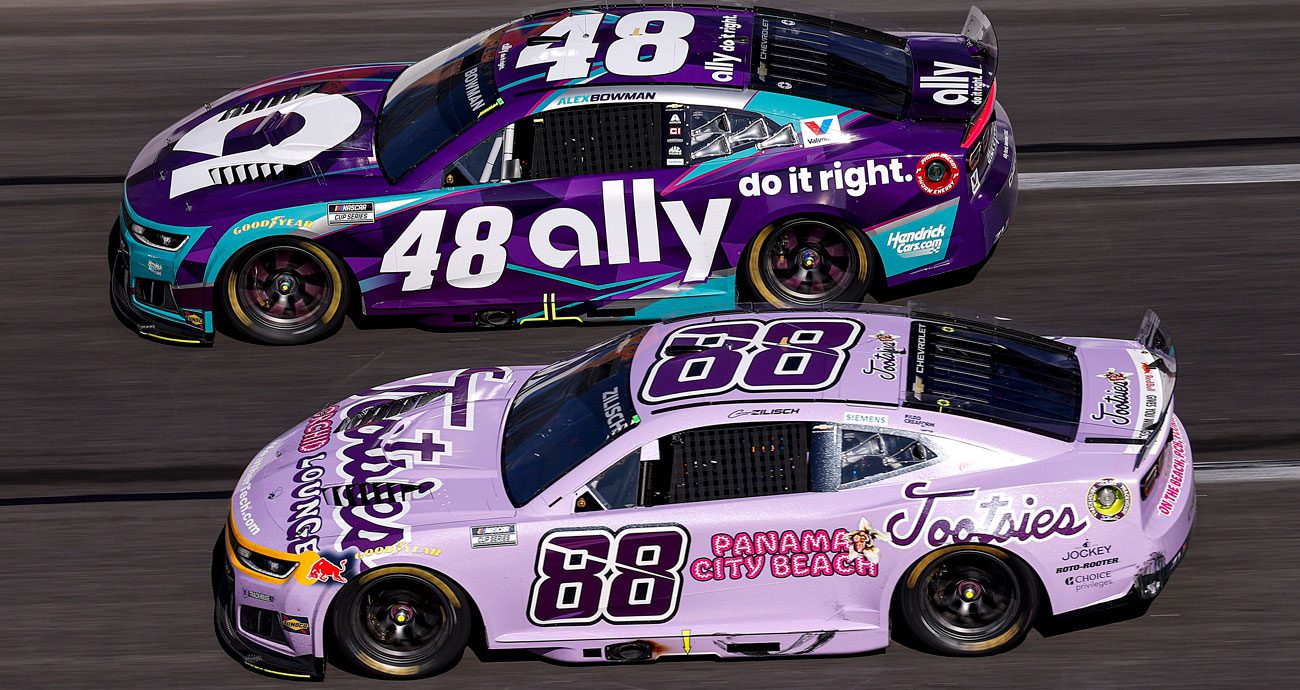
In 2026, it’s Connor Zilisch signing a contract to drive Hendrick Motorsports’ No. 48 Chevrolet beginning in the 2028 season. In 1992, it was Jeff Gordon signing a contract to drive Hendrick Motorsports’ No. 24 Chevrolet — a signing that would change NASCAR as we knew it.
This isn’t all to say Zilisch is destined to be the next Gordon; the four championships and 93 wins earned by Gordon create an impossible standard for anyone to live up to, let alone a 20-year-old like Zilisch who is only 24 races into his inaugural Cup Series campaign.
But there was something unmistakably poignant about Tuesday’s press conference at the NASCAR Production Facility, where team owner Rick Hendrick sat alongside Gordon — now the team’s vice chairman and a member of the NASCAR Hall of Fame — to introduce the highly touted Zilisch as the organization’s next driver, one they hope will be a superstar.
“Itreallyalldidcometogetherthewayitwasmeanttobe,” Gordon said.
Alex Bowman, current driver of the team’s No. 48 car, signed a one-year contract extension to make the 2027 campaign his final season before retiring from full-time competition. Hendrick Motorsports wanted Bowman, a 10th-year full-timer for the company, to have the ability to walk away from the sport on his terms after years of myriad health issues that cost him time in the race car. Thankfully for Hendrick Motorsports, Bowman’s timing lined up just right with the ability to pursue Zilisch, who is currently contracted to drive the No. 88 Chevrolet for Trackhouse Racing through 2027.
Unlike Gordon, who never made a Cup start before signing with Hendrick Motorsports, Zilisch has already begun his Cup Series career. It hasn’t gone well and he’d be the first to tell you that, if the statistics didn’t do so by showing him 34th in points with two races remaining in the regular season.
But just like Gordon, Zilisch impressed Hendrick with success in the NASCAR O’Reilly Auto Parts Series, where Zilisch stormed to 10 wins in 2025 driving for the Hendrick-affiliated JR Motorsports.
With a smile to Gordon, Hendrick was quick to add: “It wasjustlikeJeffGordonwhenIsawyouinAtlanta,andI said, ‘Man,it’sashamehe’sgotacontractwithFord.’ And[Gordon’s]roommatesaid, ‘Hedoesn’t.’Hehadacontractwithmethenextday.”
The opportunity to drive for NASCAR’s winningest organization is not lost on Zilisch, who was born the year Jimmie Johnson won the No. 48 team its first championship in 2006. Johnson and crew chief Chad Knaus — now Hendrick’s vice president of competition — ultimately collected seven championships together, forever establishing a legacy behind the No. 48.
With a legacy comes the pressure to live up to high expectations — a standard that comes with driving for Hendrick Motorsports regardless of the number on your door. But pressure is a privilege, one Zilisch welcomes with open arms.
“Iwouldmoresocallitanhonorthanpressure,” Zilisch said. “Youknow,IknowwhatI’mgettingmyselfinto.Iknowthatsuccessisthestandard,andIholdmyselftoahighstandard.SoI’mreallyexcitedaboutit honestlymorethanIamnervousorpressured.Andbeingabletoworkwiththesetwoguys (Hendrick and Gordon) everydayissomethingthatI’mreallyexcitedfor. Drivingthe48andbeingapartofthatlegacyandcreatingmyownstoryissomethingI’mreallyexcitedforaswell.”
Baked within that answer is the real reason Zilisch was such an obvious hire for Hendrick Motorsports. At 20 years old, the North Carolina native carries a maturity and poise that manifests a reputation for being wise beyond his years. To find those traits within someone as naturally talented as Zilisch is a chance too rare for Hendrick executives to have passed up on.
“It’snotjusthistalent;that’sprettyobvious.Butit’sreallymakingsurethatthere’ssomebodythatyouknowhasgreatcommunicationskills,wantstobeagreatteamplayer,” Gordon said. “Imean,thewaythatHendrickMotorsportsworks,Ifeellike,isunlikeanyotherorganizationoutthere.AndIgetthepleasuretositinonthosedebriefswiththedriversandthecrewchiefs,engineers. And themoretransparentyouare,themoreconfidentyouare,themoreinformationthatyoucanaddtotheconversation,itelevatestheentireorganization.”
Chris Graythen | Getty Images
Kyle Larson, the defending and two-time NASCAR Cup Series champion, has already worked closely with Zilisch this season through their Chevrolet connections. Larson has been in the fold at Hendrick Motorsports for nearly six full seasons. And he knows Zilisch is a perfect match for Hendrick — and that Hendrick is a perfect match for Zilisch.
“I’vegottoworkaroundhimalittlebitthisyearjustthroughthekeypartnershipatGMwithTrackhouseandRCRandourselves,” Larson said Tuesday. “So (I)gettokindofhearhowhecommunicatesandbreaksdownhiscarandallthatandallprettynormalstuff. Andyeah,Imeanyes,hehasn’thadagreatseasonthisyear,butIdon’treallythinkthatmeansanything.Ithinkeverythinghe’sproventothispointshowshowtalentedandnaturallygiftedheis,andthen seeinghimworkatit,too,beingintheWiseOptimizationProgramaswellastheGMkeypartnership,yougettoseehisworkethic,andIthinkit’shigh,andIthinkhe’sgonnablendinreallywellatHendrickMotorsports.
Indeed, Zilisch’s rookie year has been a struggle, but the past two weeks have shown glimmers of optimism: At Iowa Speedway on Aug. 9, Zilisch earned an 11th-place finish after qualifying eighth, his career-best finish on an oval, before qualifying 11th at Richmond Raceway for the Aug. 15 contest. Those gains may seem small, but progress is progress after a slow start to his Cup career.
“Weallknewhowtalentedhewasontheroadcourses,” Gordon said. “Tome,Ithinkalotofitwas,well,whatcanhedoonovals?Andheprovedandiscontinuingtoprovethathe’sgoodbehindthewheelatanytrackthatyouputhimoutthereon.”
The last flourish of Mark Martin’s NASCAR career seemed to defy logic at nearly every turn of the 2009 season. At age 50, when most Cup Series racers are on the decline, retired or strongly considering hanging it up, Martin savored one of his most productive years — all aided by a new team and crew chief, a car owner’s relentless persuasion, and a veteran’s keen ability to diversify his already considerable all-around race craft.
Defying logic? For Martin, who had seen a little bit of everything through the decades, it almost defied reality.
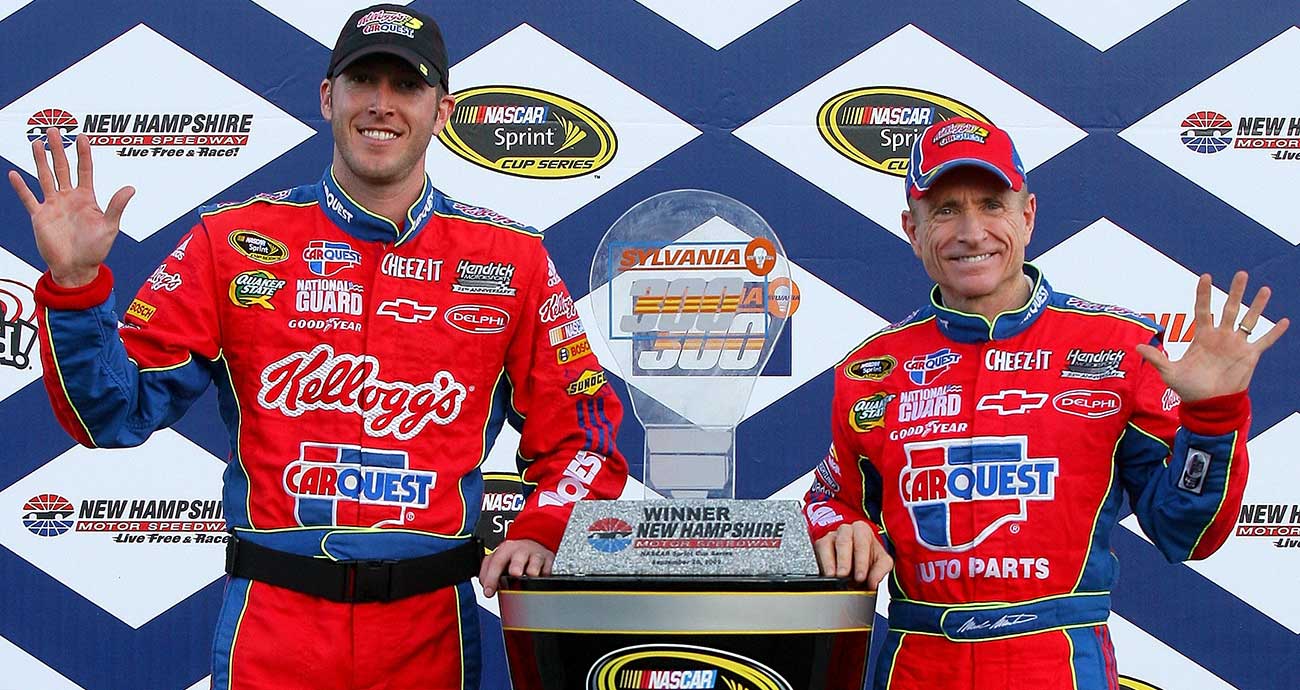
“Pinch me. I am sure I’m sleeping,” Martin said from Victory Lane at New Hampshire Motor Speedway that fateful year. “I am sure I’m dreaming.”
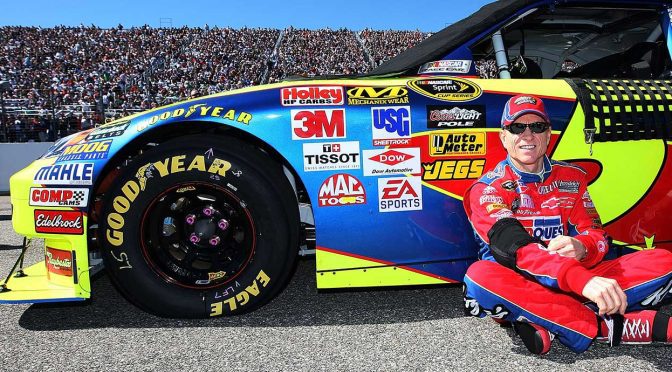
Martin’s five-win season with Hendrick Motorsports in 2009 marked a rejuvenating moment in his voluminous stock-car tenure, told in the first installment of the “Start/Finish” documentary series on the NASCAR Channel. The fifth of those victories — and the last of his 40-win Cup career — came at the 1.058-mile New Hampshire track, site of Sunday’s Dollar Tree 301 (2 p.m. ET, USA Network, HBO Max, PRN Radio, SiriusXM NASCAR Radio).
Chalk Martin’s incredulity up to his history of performances in the Granite State and his difficulty getting a feel for the circuit’s sweeping, relatively flat corners. He’d twice been a pole winner there and thrice a runner-up, but 25 previous trips to the Loudon oval had failed to produce a victory. Furthermore, before landing with Hendrick, Martin had endured three-plus winless seasons in both full- and part-time efforts, including a heartbreaking Daytona 500 loss by a fender to Kevin Harvick in 2007.
The missing piece, Martin said, was what he called an “unfair advantage” — a pairing with crew chief Alan Gustafson, who was in his fifth season at the helm of the No. 5 Chevrolet group. The two clicked nearly from the start, and while Gustafson’s input didn’t reinvent Martin’s veteran skillset, he opened portals that were previously closed off.
Martin won at two tracks that year where he’d previously been shut out — Chicagoland Speedway and New Hampshire — and his triumph at Michigan International Speedway that June unlocked a newfound strength: saving fuel. Gustafson’s late-race coaching over the No. 5 radio emphasized a conservative approach, one that paid off when front-runners Jimmie Johnson and Greg Biffle ran out of gas in the final two laps. At each turn, Martin heaped abundant credit Gustafson’s way.
“I have a lot of trust in Alan,” Martin told The Boston Globe that fall. “I let him do his thing, and he’s brought so much support, you know, in so many areas, and unloaded so much off my shoulders. He’s the smartest — the best combination of really smart engineering, understanding of that, and the guy that pulls the wrenches and gets his hands dirty, [the] practical racer. He’s the best combination of all that. I’ve worked with great engineers and really smart people and great guys that work on race cars and are practical and all that, but he’s the combination, the strongest combination of all of that.”
The respect from Gustafson was mutual, especially for someone he’d looked up to as he made his own climb through the NASCAR ranks. As he graduated to become a Cup Series crew chief in 2005, Gustafson was tasked with molding the early stages of Kyle Busch’s big-league career, discovering a talented, fierce rookie who tended toward a more aggressive bent. Martin, Gustafson says now, was the opposite with a measured style shaped by years of experience.
“The sheer pace that he could go at, I always said if you just put Mark, like if the goal was to run 500 laps as fast as you can and no one else is on the track, I don’t know that he loses a race, to be honest,” Gustafson said. “It was all the other intangible things. He’s well known, obviously, for how he would race people, right? He wouldn’t hold anybody up. If he was slower, then he’d pull over and let them go, and he just raced really clean. As far as the ability to drive the car fast, like second to none, just incredible. So yeah, immensely talented and to have the desire and the commitment and the competitiveness at 50 was great.”
The deal that brought him into the Hendrick fold almost didn’t happen. Martin had raced the previous two Cup Series seasons on a part-time basis by choice, competing in 24 of the 36 events each year. When Rick Hendrick came calling in the months leading up to Silly Season’s full swing, Martin told the team owner that he’d consider it, provided that his agreement was for the same two-thirds workload.
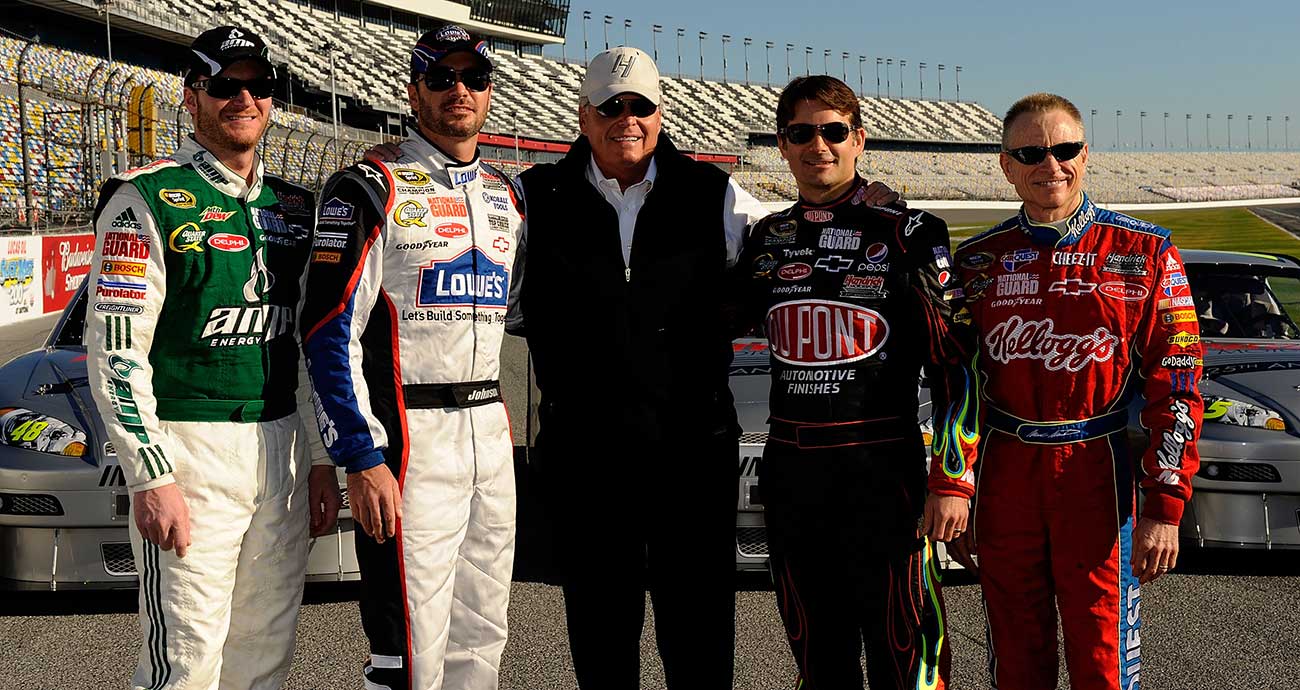
Hendrick wanted that last third, and his persistence prevailed. Martin’s eventual acceptance created a formidable four-driver roster of mega-powers, with Johnson, Jeff Gordon and Dale Earnhardt Jr. as teammates. All four would become NASCAR Hall of Famers. The opportunity was too good for Martin to pass up, giving him a competitive benchmark and his best chance to win in years.
“I never would have thought that we would ever have a lineup like this or any team would ever have a lineup like this,” Martin said at the announcement. “The stars aligned, the opportunities were there, and Mr. Hendrick’s reputation and respect, how he treats people and runs his businesses and organizations, made it all possible.”
Rusty Jarrett | Getty Images
Martin’s performance aligned with that of his peers at Hendrick, and he assembled a regular season of four wins and six pole positions, entering the 12-driver Chase as its top seed. The postseason kicked off that year at New Hampshire, leaving the Arkansas native less than jazzed about his chances.
Gustafson countered the pessimism with what turned out to be a winning setup and strategy, including an off-cycle pit gambit that put Martin in control. He led 68 of 300 laps, snookering Juan Pablo Montoya on a late restart and denying him one of his best shots at an oval-track victory.
“I’m speechless. I can’t talk right now, boys,” Martin said on the cool-down lap.”… Hardest one I remember getting in a long, long, long time.”
“How good is Mark Martin?” Gustafson told the ESPN broadcast. “It’s unbelievable.”
The triumph ended up as the last Cup Series win for Martin, who had emerged from a track of great personal torment with the points lead intact. But the campaign also wound up being his final true bid at a Cup Series championship, and that ending was not as cherished. Johnson was well into his unprecedented run of five consecutive Cup titles, and he registered four wins in the final nine races to seal his fourth crown. Martin’s challenge came unglued in that stretch, capped by a rollover crash on the next-to-last lap at Talladega that provided Johnson with enough of a late-season cushion.
Martin finished second in the points for a fifth and final time that year, and the recurring questions about his lack of a championship ring dogged him anew. Answering those questions in his retirement requires an analysis of his legacy and whether a title matters. The blue jacket that the NASCAR Hall of Fame gave him as part of the Class of 2017 still fits either way.
“He shouldn’t be defined by not winning a championship because I don’t think that was ultimately always in his control,” Gustafson says. “I can tell you from experience working with multiple champions that he is every bit as good as they are, and he is every bit as deserving of winning a championship, and unfortunately, it just never came to fruition for him. I don’t want to say I have regret over ’09, but you know, it’s definitely one of those years that I look back and you always ask yourself, could you have done a little more, could you have done something a little different, because I do think we could have. In my mind, yeah, I wish we would have won that championship and that would have been the answer to that question. So I think yes, flipping at Talladega, I don’t remember everything, but that was one of the big ones.
“I think the best thing: Ask anyone who raced against him, and they’ll be like, yeah, that dude was tough. So yeah, I don’t think he should be judged on the not winning a championship, and it just … sometimes unfortunately, life isn’t fair and it didn’t work out for him. That’s not an indication of his abilities or any shortcoming in his career. It’s just the way it worked out.”
Martin raced for four more seasons — two full-time and two partial — before sunsetting his NASCAR career after the 2013 campaign. No more wins came his way, but he looked back fondly at his last big year, and a brilliant day at New Hampshire’s “Magic Mile.”
“It was a magical year last year for me,” Martin said just before the 2010 campaign, “and I still feel the magic each time I strap into a race car.”
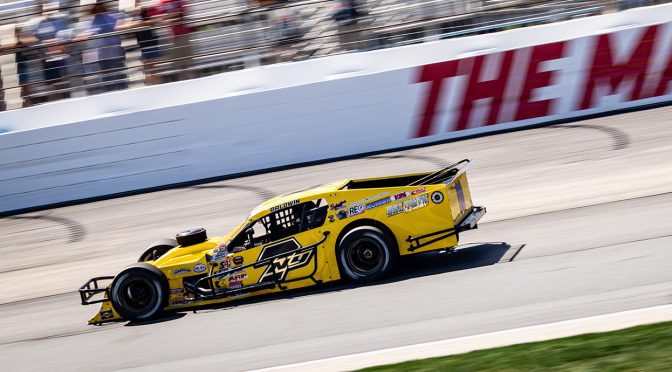
Five races remain on the 2026 NASCAR Whelen Modified Tour schedule. That’s five chances for points leader Patrick Emerling to pad his advantage and earn his first title … or five chances for defending champion Austin Beers to erase said advantage and climb back to the top.
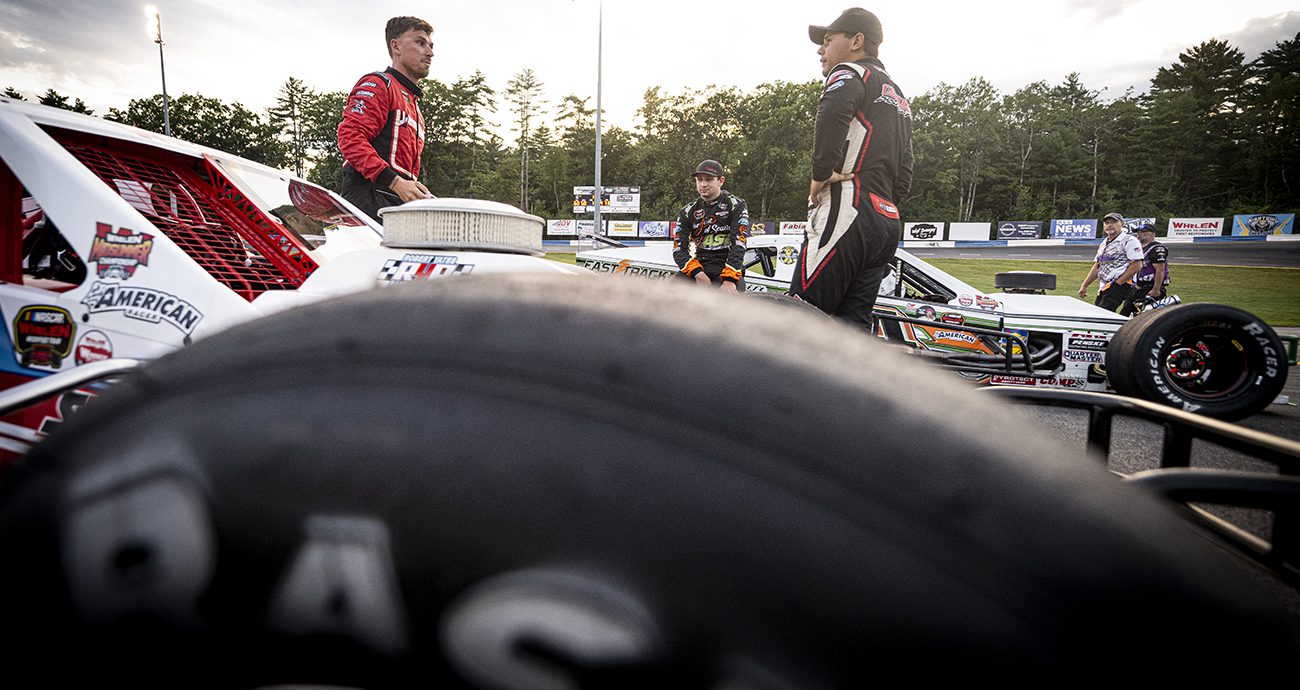
Or, in the focus of some, that’s five chances for NASCAR, Modified Tour teams and American Racer to continue to work together to address the season’s moving target that has been the tires on which NASCAR’s oldest division races.
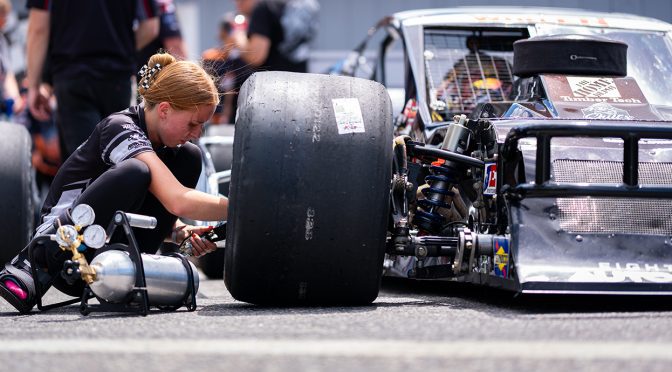
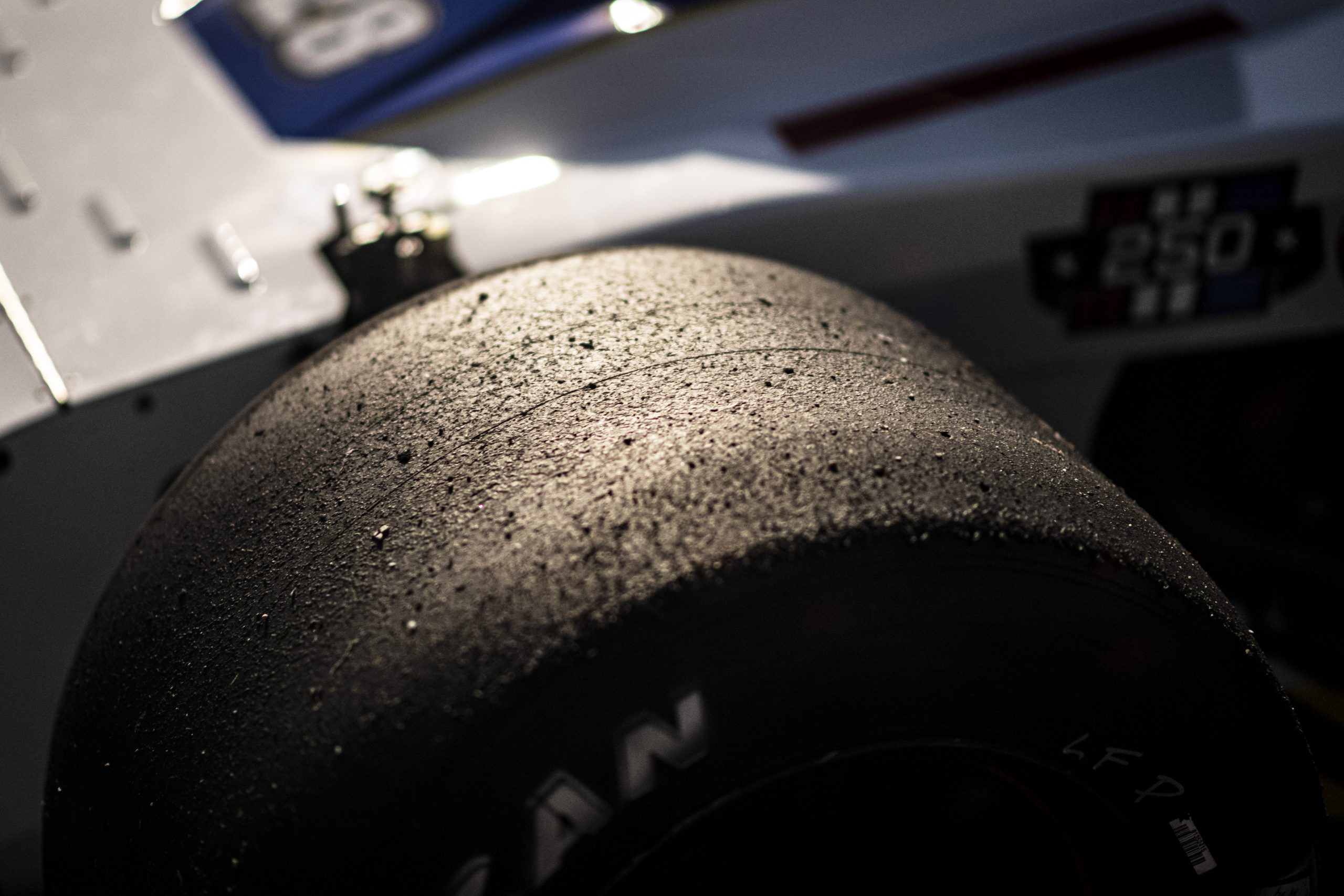
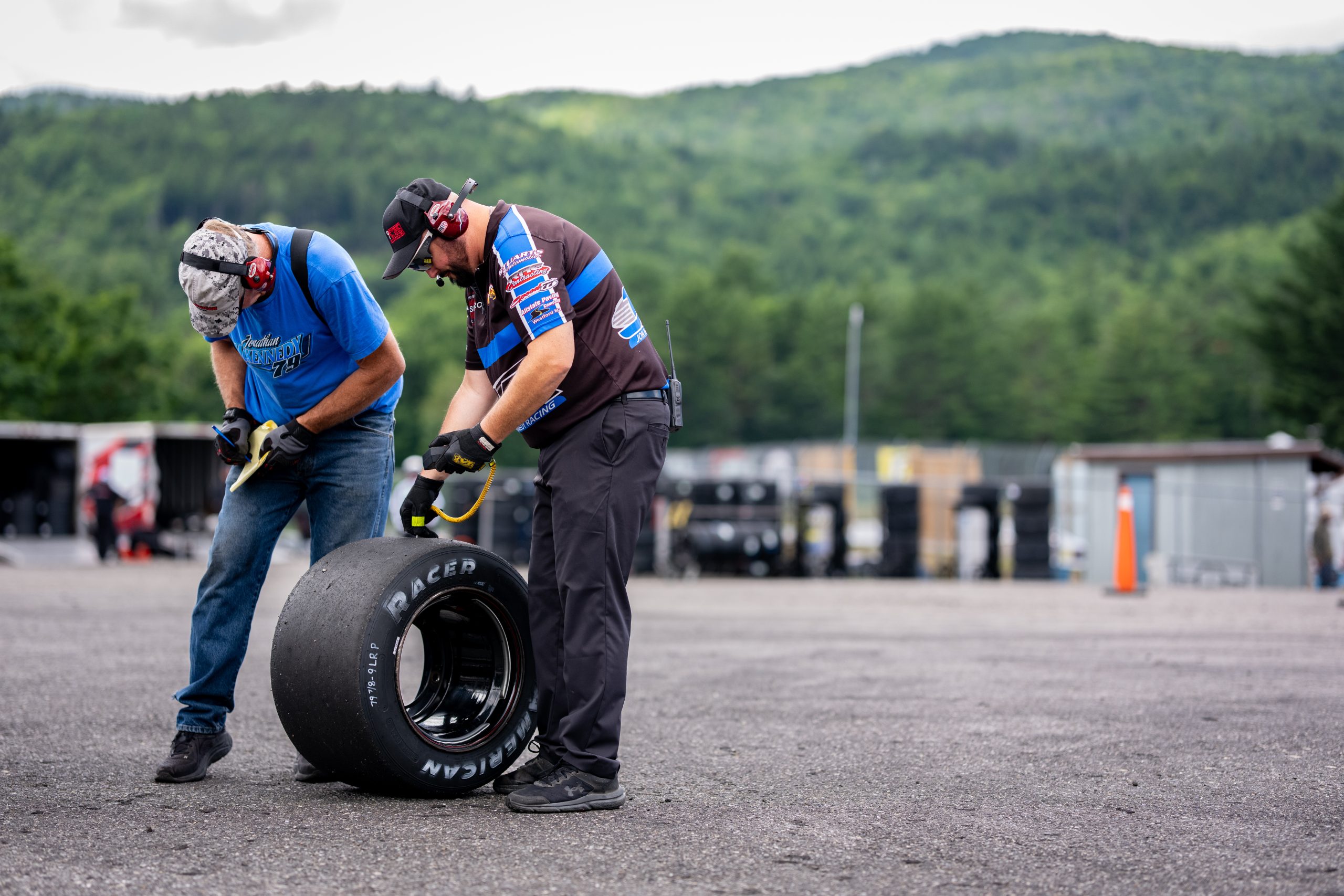
As anticipated, NASCAR and American Racer are still modifying (pun intended) the tires, new for the Modified Tour in 2026, in an effort to achieve the best possible competition. Since the start of the season, NASCAR and American Racer have worked to address teams’ concerns regarding tire-size consistency. Following extensive development and testing at New Hampshire Motor Speedway and Stafford Speedway, the next steps are settled.
“American Racer’s done a good job with the sizing; they’re a lot better as far as that goes,” said Stephen Kopcik, a two-time Modified Tour race winner this season who was the lone driver to participate in the Stafford tire test. “(The tires) just don’t have quite the grip from the start. So there’s not much fall-off because they’re not really that fast from the beginning. You can work your ass off to get to a car and be a little quicker than him, but then it’s line sensitive and tough to pass.”
Beers in a separate interview agreed: “It’s hard to go out of the specific line and find grip and make passes. I think our (racing) product is definitely getting a little better, but it’s still not good enough.”
That’s why and how NASCAR and American Racer have altered their focus. Modified Tour series director Gary Putnam put it plainly: Better grip leads to faster cars early in runs, more tire fall-off and, in theory, better racing.
“It’s in a better spot today,” Putnam said. “We’ve been working closely with American Racer to provide a better combination tire-wise.”
Added Beers, who tested tires at New Hampshire in late June: “Myself, (Jon) McKennedy and (Tyler) Rypkema were all in agreement that this was the best we felt with those tires. We actually were wearing the right fronts — which really hasn’t happened all year — which was good. We felt like we had good stability. I felt there was a lot more grip with the tires, and they lasted long. I had my drivability and maneuverability around the race track, but they still had a little bit of fall-off, so we’d be able to put on a good race.
“It was a very good test in my opinion.”
(Photo: Jaiden Tripi/NASCAR)
The process NASCAR and American Racer went through to pin an ideal tire combination was as follows:
NASCAR arrived at the New Hampshire test wondering whether its then-current tire would work for the Aug. 22 race at the same track. It did not. (“We saw some blistering,” Putnam said.) So they tested an option tire, a harder option, and agreed that compound would work well for the New Hampshire race. American Racer also modified the right-side tires so they’d accept more heat and account for the higher temperatures expected in August.
To address the post-New Hampshire tire package, though, NASCAR kept testing. They along with Kopcik’s team conducted the second tire test, this time at Stafford, in an effort to check what they’d discovered at New Hampshire. They started again with the control set. They then tested the New Hampshire option (harder lefts and rights) and received the same results. They then tried the control lefts with the New Hampshire rights.
That — the original, softer left sides (control set) combined with the harder New Hampshire rights — turned out to be an ideal combination for the final four races of the season: Stafford (Aug. 28), Oswego Speedway (Sept. 5), Riverhead Raceway (Sept. 19) and Thompson Speedway (Oct. 11).
“All that was really good,” Putnam said. “In fact, we saw a higher grip level then where our baseline tire is. So starting at Stafford, we will run the right side tire that we’re running at Loudon through the remainder of the year.”
Added Kopcik: “I’ll give it to them; American Racer’s been doing the best they can. They’ve been good at developing and wanting to make it better. I do think it’s going to be better. … The tire we tested on at Stafford a few weeks ago is a major step in the correct direction.”
(Photo: Chris Dehney/NASCAR)
To proactively address any concerns teams may have about tire sizing or possible blistering from heat, the Modified Tour plans to allow teams opportunities to scuff their qualifying sets for the remainder of the season.
Putnam said roughly half the teams took that opportunity before the Thompson race on Aug. 5, not including Beers, the eventual pole winner. He expects fewer teams to scuff moving forward, but the option remains.
American Racer plans to continue tire development and testing throughout the end of the year in preparation for the 2027 season. In the meantime, NASCAR will work closely with American Racer to optimize the current tire for the final five-race stretch run, which includes some of the season’s biggest events.

 In the first season of
 If anything, a run like this in July and August is on the early side for Logano. But what does it mean for his chances of making a true bid at his fourth Cup Series title?
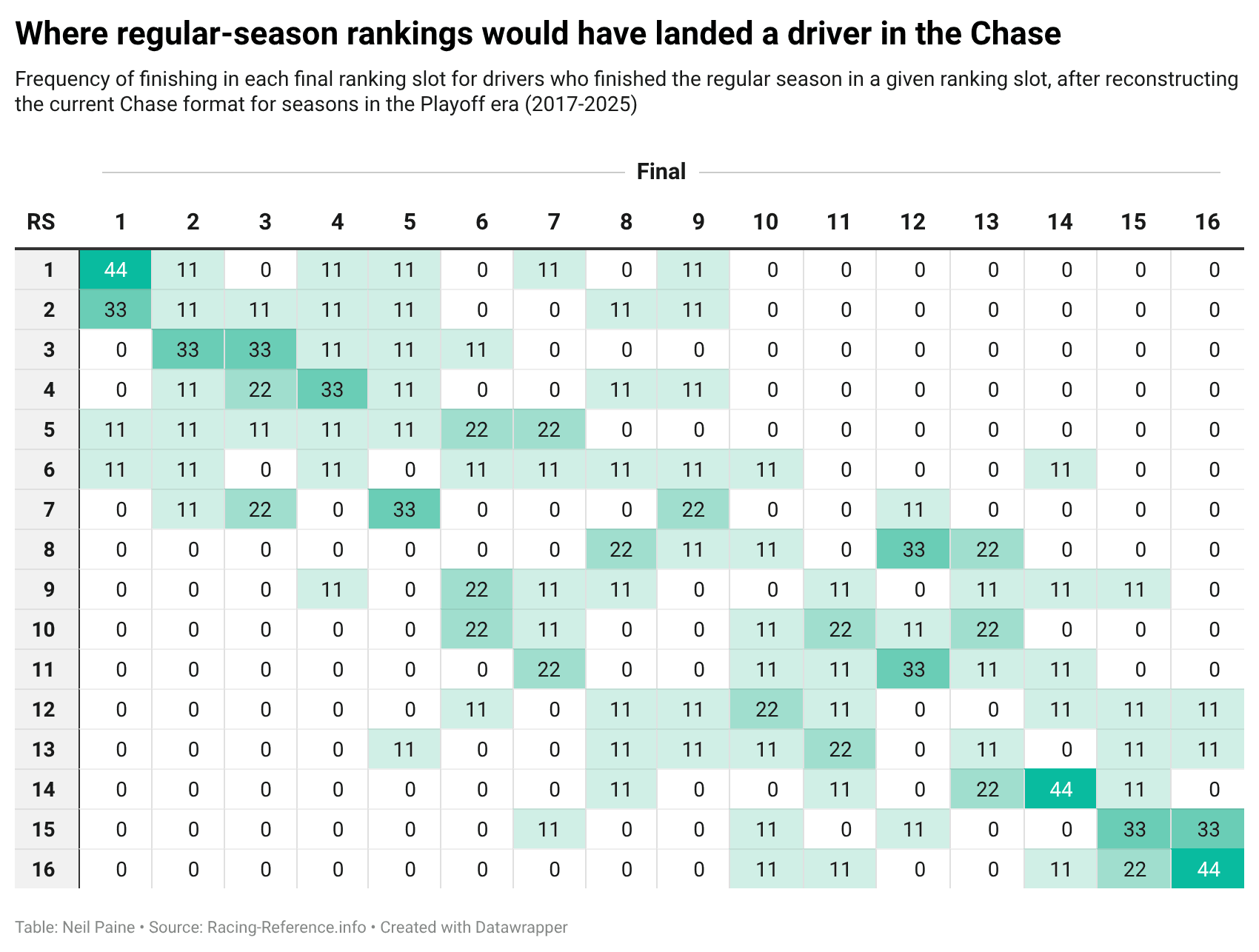 While there may be some wiggle room to work with around where the true barrier of realistic contending sits —